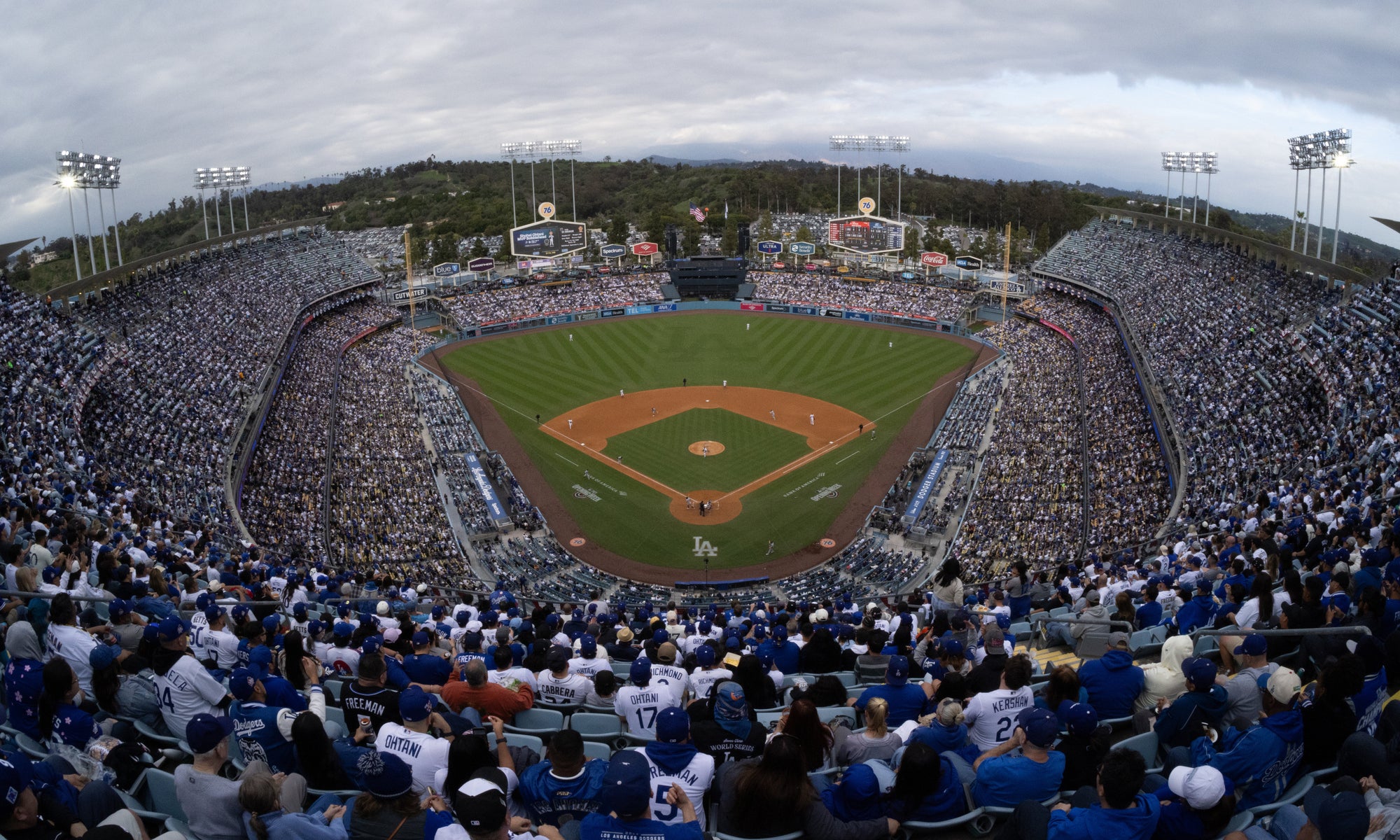
Baseball has a special way of turning a tiny decision into a full-blown internet bonfire. On July 8–9, 2026, Dodgers outfielder Alex Call stepped in for his first plate appearance of the night and somehow managed to light both of Los Angeles’ replay challenges on fire before the game had even found its rhythm.
Within minutes, the clip had sprinted across X and highlight pages, and the reaction was loud: fans weren’t just mad about the calls. They were mad about when it happened, why it happened, and what it meant for every close play the other eight innings might bring.
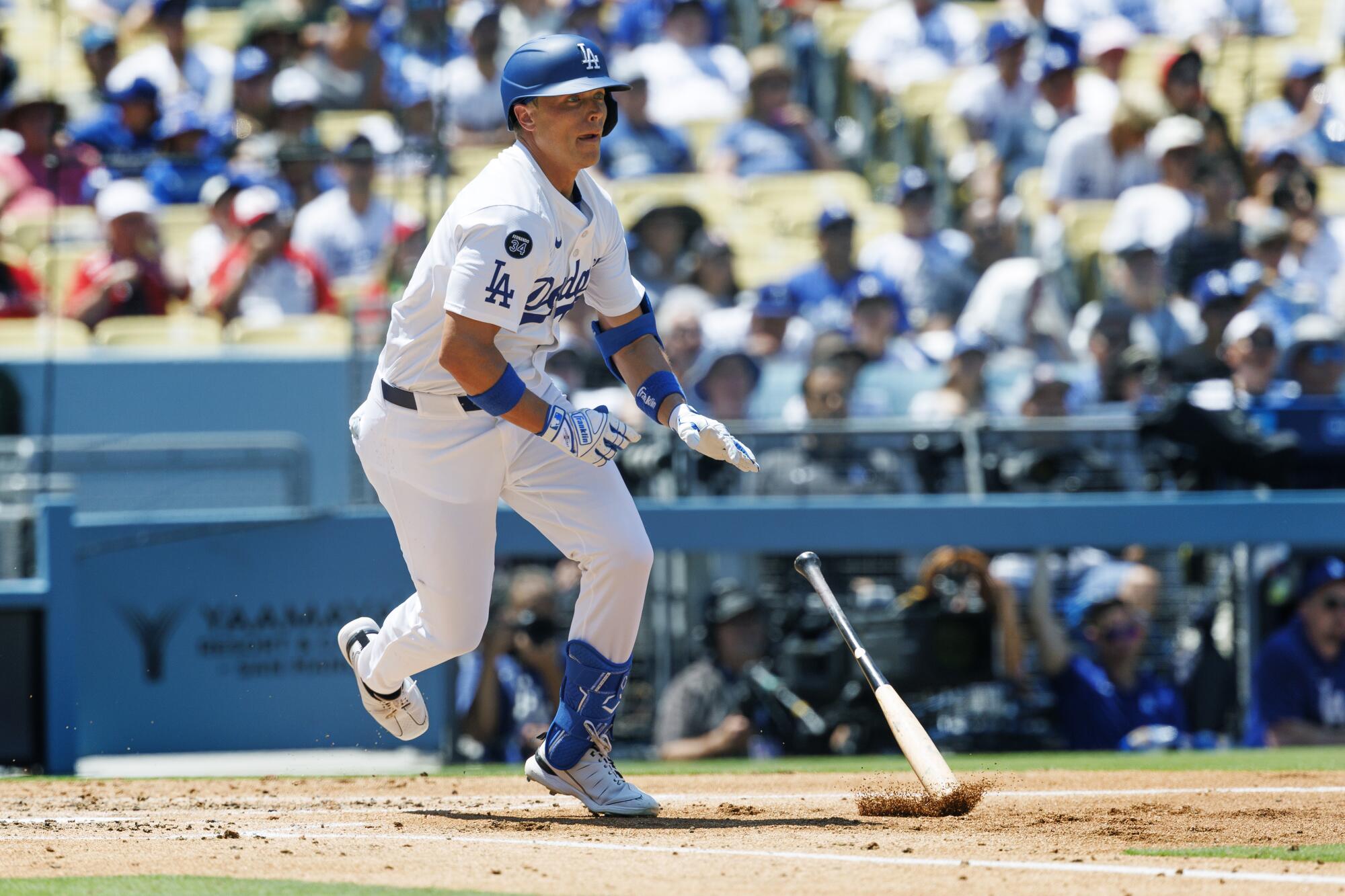
What actually happened in Call’s first at-bat
The viral moment is simple in outline and brutal in effect: during Call’s first at-bat in the top of the first inning, the Dodgers used their first replay challenge on a call that was quickly viewed online as unlikely to be overturned. Then, in the same at-bat sequence, Los Angeles used its second challenge as well, again on a call that many watchers felt was either clearly correct or at least not the kind of 50-50 moment worth burning a challenge for that early.
Two challenges gone before most fans had even settled into the couch.
That’s why the reaction wasn’t the normal “bad challenge” groan. It was more like the collective sound of a stadium realizing the manager just spent the bullpen in the first inning.
Why it matters: MLB challenge rules in plain English
If you’re not the type to memorize the replay manual, here’s the key detail that made Call’s moment explode: MLB teams have a limited number of manager’s challenges per game. In this case, the Dodgers effectively ran through both available challenges immediately, which meant they were stuck with whatever came next.
And in a modern MLB game, “whatever comes next” is a lot:
- Bang-bang plays at first where a foot might lift for a split second
- Steals where the tag beats the hand but not the wrist
- Traps in the outfield that look clean at full speed
- Plays at the plate where one angle changes everything
So even if a first-inning challenge is technically allowed, the unwritten strategy is usually conservative: you save that bullet for a moment that can swing a run, an inning, or a game. Using both early is a self-imposed blindfold for the rest of the night.
The real reason fans are furious: it felt avoidable
Players don’t officially “call” challenges in the rulebook sense, but in real dugouts, they absolutely influence them. Middle infielders sell a tag play. Catchers swear they got it down. A hitter will turn around after a checked swing like, “I went, didn’t I?”
That gray area is where this blew up. The viral read from fans was that Call either:
- Oversold two shaky reviews, or
- Didn’t understand the leverage of the moment, or
- Put the staff in a tough spot by pushing hard for a challenge in his first trip up
In other words: the outrage wasn’t just “wrong call.” It was “wrong call with the last two lifelines we had.” That’s why the bench talk started immediately, even though benching someone for a replay sequence is more about message-sending than solving the actual problem.
How a replay mistake turns into a roster argument
Dodgers fans don’t argue in a vacuum. When a fanbase is already debating a player’s role, one highly visible mistake becomes a symbol for the bigger conversation: Why is he on the roster? Why is he getting reps? What does he add that someone else can’t?
That’s the gasoline here. Call’s double-challenge moment didn’t just cost Los Angeles flexibility later in the game. It also gave frustrated fans a clean, shareable clip that fit into a preexisting storyline: that his baseball judgment isn’t matching the standards of a team with October expectations.
Is it fair to reduce a player’s value to one chaotic at-bat? Of course not. But in a sport where margins are everything, fans treat “process” like a skill. Good teams win on good process. Bad process gets remembered.
Why his old AI-and-God comments popped back up
Internet outrage rarely stays in one lane. Once Call became the center of the night’s baseball discourse, fans resurfaced an older off-field talking point: his public comments about discussing God with AI.
To be clear, that older controversy is not about a box score or a defensive metric. It’s about vibe, perception, and how quickly sports conversation on social platforms can turn into a full character referendum. In the span of one inning, the narrative shifted from “bad challenge management” to “this guy is a walking distraction,” even though those are two totally different categories of criticism.
That’s the internet in 2026: once the spotlight hits you, it doesn’t only illuminate the play. It drags your entire search history into the batter’s box too.
Can the Dodgers do anything once the challenges are gone?
Here’s the part casual viewers miss: losing your manager’s challenges doesn’t mean replay disappears entirely. Certain situations can still trigger review procedures that aren’t dependent on the team having a challenge left. But the practical reality remains: your ability to force a second look is drastically reduced.
So if a close play happens in the seventh and you’re out of challenges, you might be stuck with:
- A runner called safe who looked out by a fingertip
- A fair ball ruled foul that changes an entire inning
- A potential home run that needs a boundary review
Baseball is hard enough without choosing to play the rest of the night with fewer tools than your opponent.
My read: it’s a teachable moment, not a career-ending one
From a player’s perspective, I get how it happens. In the box, everything feels urgent. You think you saw something. You’re trying to win an at-bat on the margins. But big-league winning also means understanding leverage. A first-inning challenge has to be near certain, because you’re not just arguing one call, you’re buying insurance for the entire game.
Should Call be benched solely for this? If the Dodgers do it, it will be less about punishment and more about accountability and clarity: we can’t have chaos decisions bleeding into team strategy. But if he keeps contributing defensively, running the bases well, and giving professional at-bats, this will fade into “weird baseball” territory.
Still, the reason this went nuclear is real: fans are tired of feeling like little mistakes are piling up. When a team is built to win now, patience gets short. And burning both challenges in the first inning feels like handing away an advantage for free.
What to watch next
- Dodgers challenge behavior: Do they get noticeably more conservative the next few games?
- Call’s usage: Any shift in starts, late-inning defensive roles, or pinch-hit opportunities will be read as a response.
- Clubhouse messaging: If coaches talk about “communication” and “process,” it’s usually code for replay discipline.
Because the truth is, this viral clip isn’t just about two missed reviews. It’s about trust. And in baseball, trust is a tool too.