
I still remember the first time I sat in a coach’s office while a scholarship offer was being explained. The vibe was all smiles and handshakes, but in the back of my head I was thinking the same thing a lot of families think: Is this a four-year promise, or am I basically trying out again next year?
In a lot of NCAA programs, athletic aid is handled as a one-year agreement that can be renewed. But the real story is in the details: what “one-year” means in NCAA language, when multi-year aid is allowed, and what renewal looks like if you stay put.
One quick guardrail up front: Division III does not offer athletic scholarships. Division I and Division II can award athletic aid, but the way schools structure and renew it can vary by division, conference, sport, and campus policy.
The short answer
Usually, yes: many athletes receive athletic financial aid in one-year terms that must be renewed each year. Even when people say “four-year scholarship,” they are often describing what happens when an athlete stays eligible, stays in good standing, and the program continues to support them, not what the paperwork guarantees on day one.
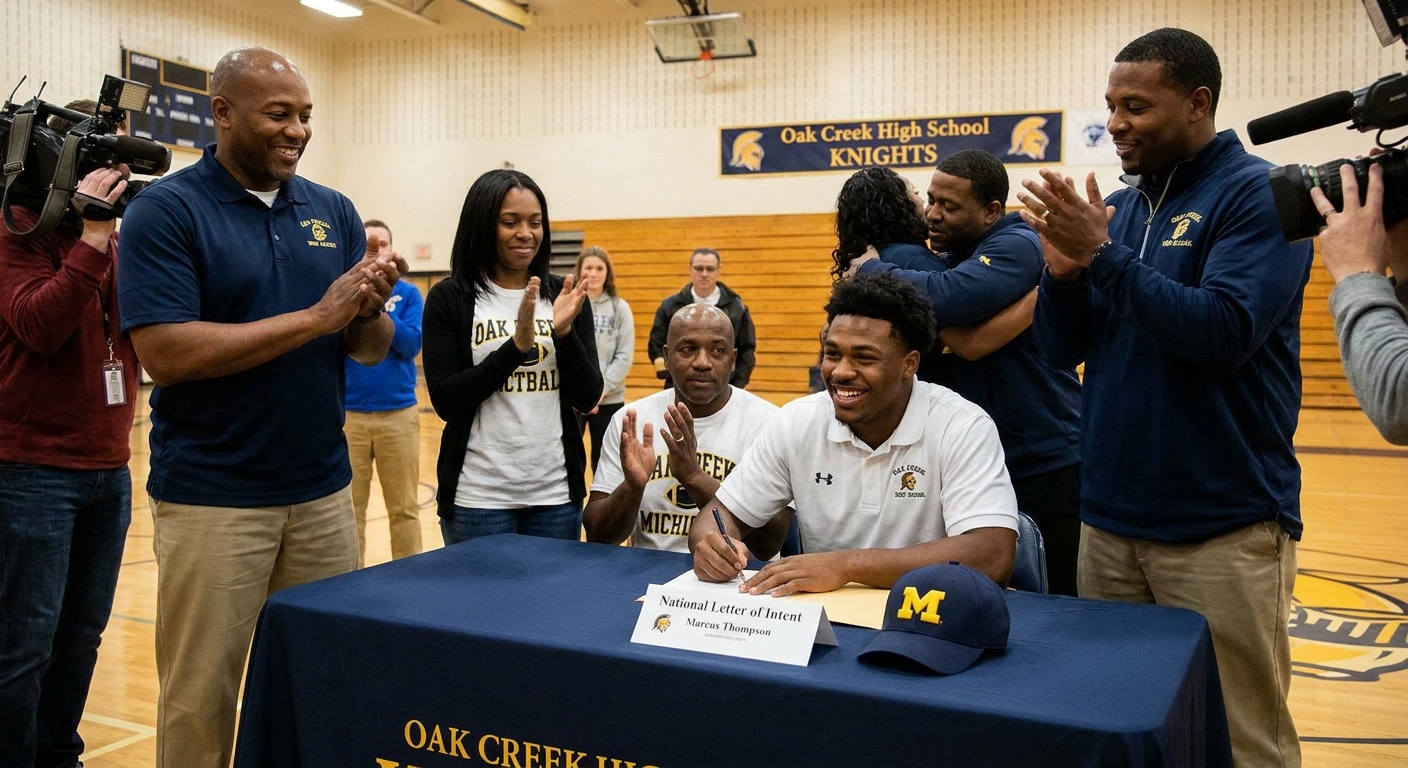
And one more point that clears up a lot of confusion: signing day paperwork often involves multiple documents. A National Letter of Intent (NLI) (when applicable) is not the same thing as your financial aid agreement. The NLI is about commitment and recruiting. The aid agreement spells out your actual award, term dates, and conditions.
What “one-year” means
A one-year athletic aid agreement generally means:
- The award has a start and end date tied to the academic year (and sometimes specific terms).
- The school decides whether to renew your aid for the next academic year.
- Renewal is not automatic, even if many athletes are renewed when they are eligible, meeting team standards, and still in the plans.
One important nuance: the “term” is defined by what is written in your aid agreement. In some cases, awards are written by semester or quarter, even when the total package is discussed as “for the year.” If you want the cleanest answer, look at the dates on the document.
This is where roster reality meets family expectations. Coaches recruit you because they want you, but college sports is a living machine. Schemes change. Staffs change. Budgets change. You can be the same kid with the same work ethic and still have a different scholarship conversation 12 months later.
When multi-year aid happens
Multi-year athletic aid is permitted in NCAA Division I (it is an institutional choice), and some schools do use it. Other Division I programs still stick to one-year awards as their standard practice because it gives them flexibility.
Division II also awards athletic aid, but award structures and norms can differ by school and sport. The practical takeaway for families is the same in any division that offers athletic aid: do not assume “four-year” means four years on paper unless it is written that way in your aid agreement.
If a coach says “multi-year,” I always recommend one follow-up question: Is that written into the financial aid agreement, or is it more of a verbal expectation? In college athletics, paper beats promises every time.
Renewal basics
If you remain at the same school, renewal is when the school decides whether your athletic aid continues for the next academic year and at what amount.
For the athlete, renewal season can feel like a performance review mixed with a depth chart update. And it is not only about points per game or goals scored. Coaches and athletic departments typically look at a full picture that can include:
- Academic eligibility and progress toward degree
- Team rules and conduct expectations
- Health and availability (with important rules around injury and illness)
- Roster needs, recruiting classes, and positional depth
- Program direction (new coach, new system, new priorities)
One thing I always tell families: renewal is not just a yes or no. Sometimes it is a reshaped offer. That might look like a player moving from a higher athletic percentage to a smaller athletic piece plus academic or need-based aid, or having books and fees covered but less room and board.
Here is a real-world style example of how that plays out: a softball player is on 40 percent athletic aid as a freshman. As a sophomore, the athletic piece drops to 25 percent, but the school adds an academic grant because her GPA jumped and she qualifies. On paper, it is a reduced athletic scholarship. In your bank account, it might be close to neutral or it might not. The only way to know is to compare the full award breakdown line by line.
Also, schools operate on a calendar. You should expect written notification about renewal or nonrenewal by an institutional deadline set for that academic year. If you are unsure when that deadline is, ask your compliance office or financial aid office, and ask where the deadline is published in writing.
Can it be reduced mid-year?
In most cases, once athletic aid is awarded for a term, it is not supposed to be reduced or canceled during that period because of athletics performance, injury, or illness. That protection matters, and families should know it exists.
To be crystal clear, mid-year reductions and cancellations are limited by NCAA rules and institutional policy. Schools also cannot slip in new athletics-performance conditions after the award period starts and then use those as a reason to cut aid midstream.
That said, there are still situations where aid can be reduced or canceled during the period of the award under NCAA rules and institutional policy, including scenarios such as:
- Ineligibility
- Serious misconduct or disciplinary situations that rise to the level outlined in institutional policy and the aid agreement
- Fraudulent misrepresentation (for example, false information on admissions or aid documents)
- Voluntary withdrawal from the team
What matters for athletes and parents is the process. Schools must provide written notice when aid is reduced, canceled, or not renewed, and the institution must provide an opportunity for a hearing. The hearing procedures, deadlines, and where you submit paperwork are campus-specific, so if you are ever in that situation, treat it like a real deadline: get everything in writing, ask what policy is being applied, and use the hearing process if it is available.
Scholarships and the portal
The transfer portal era has changed the emotional temperature of scholarship conversations. A one-year framework can make athletes feel like they are living season to season, especially if a new recruit arrives at your position or the staff turns over.
That does not mean coaches are out to get anyone. It means the incentives are real. Programs are judged on wins and development, and the sport keeps moving.
So if you are staying at your current school, the smart play is to be proactive:
- Ask where you stand before the offseason rumor mill starts.
- Ask what the plan is for your role, development, and timeline.
- Confirm scholarship status in writing when the next year’s aid agreement is issued.

Questions to ask
If you are being recruited or your renewal is coming up, these questions cut through the noise:
- Is this athletic aid for one year or multiple years?
- If it is multi-year, what conditions could end it early?
- Is the award guaranteed for the academic year once it begins?
- Is the award written by year, semester, or quarter?
- Who makes renewal decisions: head coach, sport administrator, financial aid office?
- What happens if there is a coaching change?
- Is my aid tied to being on the team, or could it continue if I am medically unable to compete?
- When will I receive written notice about renewal or nonrenewal, and what is the hearing process?
You are not being difficult by asking. You are being responsible. Scholarships can be life-changing, but clarity is what keeps them from turning into a yearly anxiety spiral.
Bottom line
Many NCAA athletic scholarships function as one-year agreements that schools can choose to renew year to year. Division I schools are permitted to offer multi-year athletic aid, and some do, but you should never assume it is the default unless it is written that way in your financial aid agreement. And remember, Division III does not offer athletic scholarships.
If you are an athlete who is staying at the same school, renewal is the annual moment where the program and the athletic department decide what your financial aid looks like for next year. The best thing you can do is get answers early, get details in writing, and keep your academics and eligibility rock solid. Talent opens doors, but stability comes from understanding the terms.