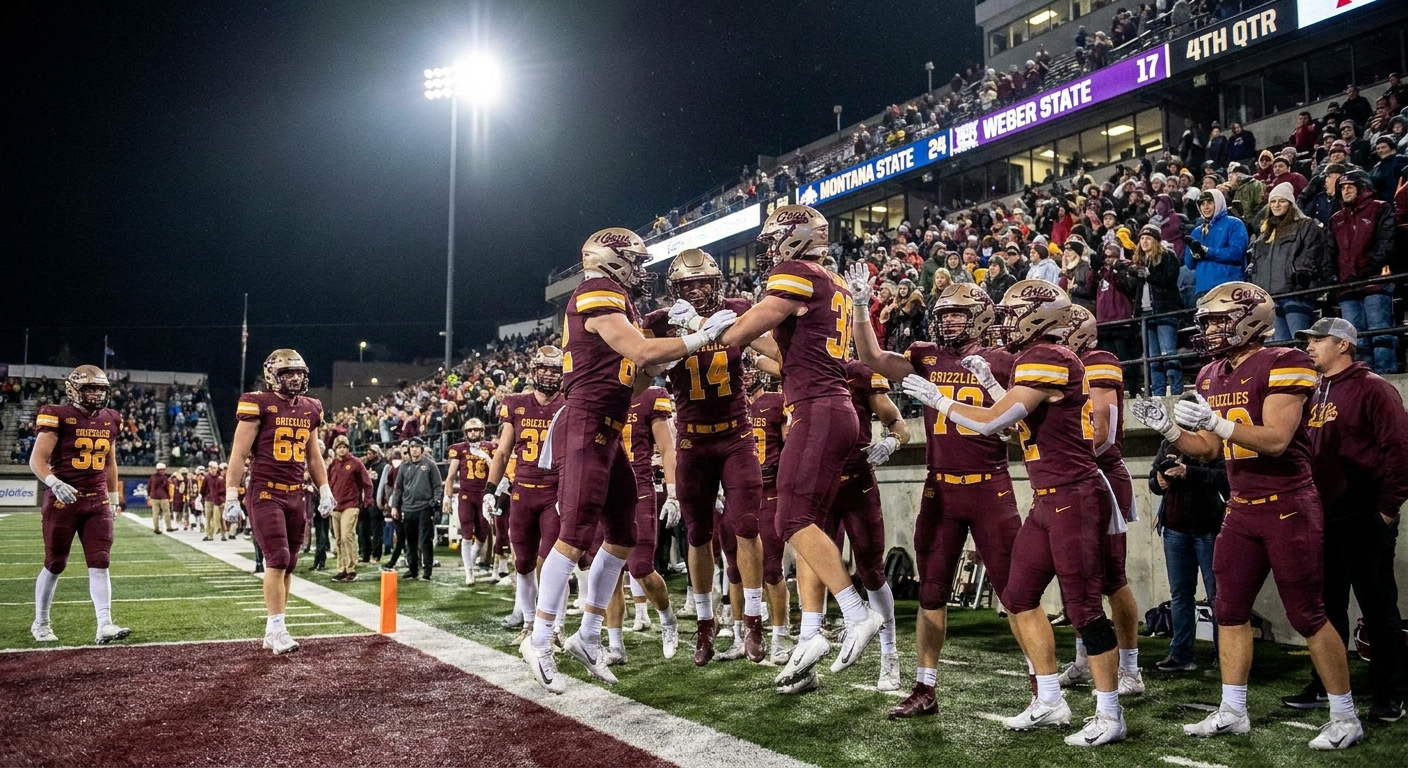
I have seen the “FBS to FCS” move framed like a step down, but that misses what it can really be for a player: a step toward snaps, a scheme fit, a healthier situation, or a staff that actually has a plan for you. NCAA Division I football is split into two subdivisions, FBS and FCS, and players move between them regularly.
The important part is understanding what changes once you go from the Football Bowl Subdivision (FBS) to the Football Championship Subdivision (FCS). You are still a Division I athlete, but the rules and the roster math under the hood are different enough to affect everything from your scholarship to your day-to-day role.
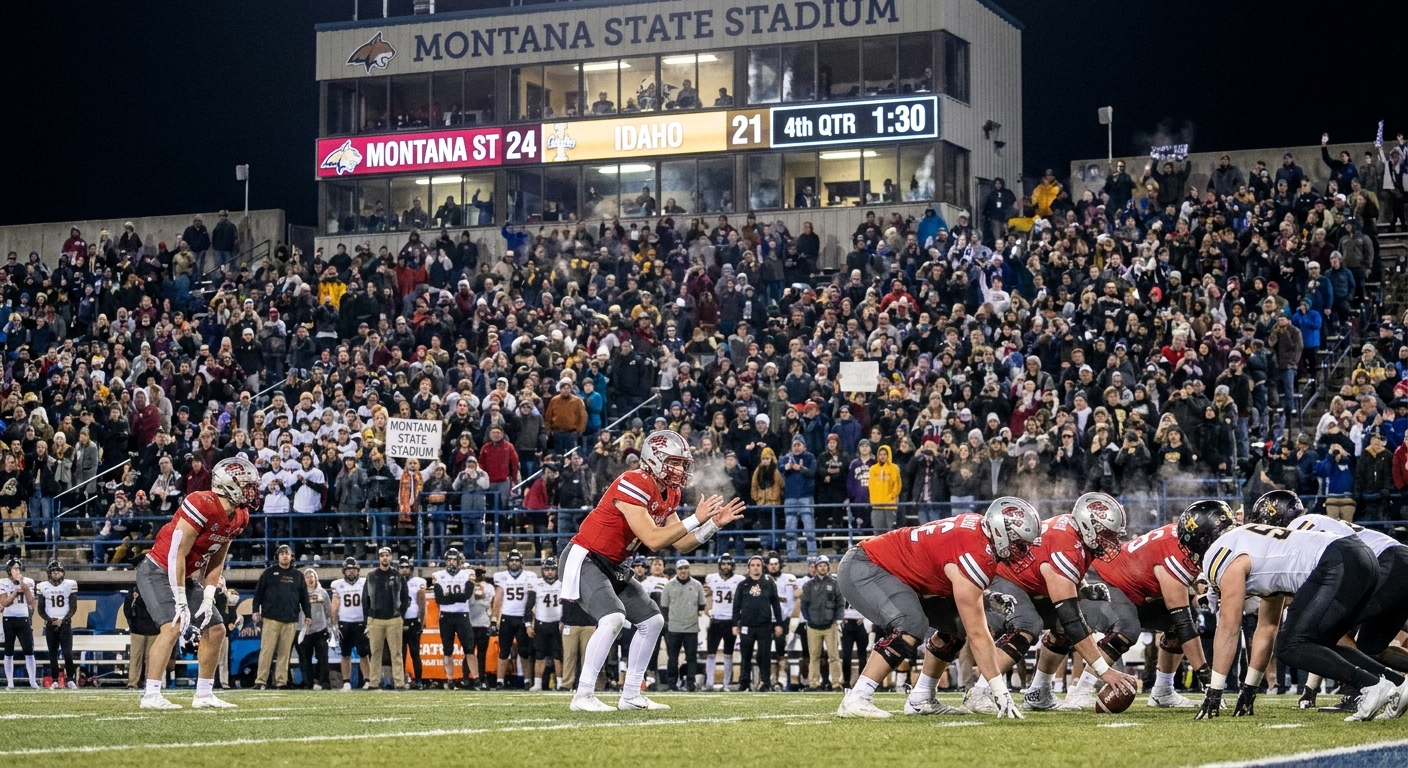
Can an FBS player transfer to an FCS school?
Yes. An FBS player can transfer to an FCS program. Both subdivisions are part of NCAA Division I, and the transfer process generally runs through the same modern pathway: you enter the transfer portal (or otherwise get permission to contact, depending on your situation), you communicate with programs, and you enroll at the new school if you accept an opportunity.
Where it gets real is not the “can you,” it is the “what does it mean.” Once you cross that subdivision line, you are entering a different scholarship model and usually a different team-building approach.
The biggest change: scholarships
This is the part I always tell families to slow down and really read twice. Two Division I programs can both say “we have a scholarship for you,” and those offers can be very different in practice.
FBS scholarships
- Head-count model in FBS football. In plain English: scholarship players are typically on full grants-in-aid.
- Limit: FBS programs can have up to 85 scholarship players (often called “counters”).
FCS scholarships
- Equivalency model in FCS football. A program has a scholarship pool it can split into partial awards.
- Limit: FCS programs can award up to 63 total scholarship equivalencies.
In real life, that equivalency setup usually means partial packages are more common at the FCS level, even for very good players. Not always, but often.
One quick example: a staff might offer 50 percent of tuition as athletic aid, and the rest of your cost could be covered by academic money, need-based aid, in-state status, or family contribution. The total package can still be workable, but you have to see the full math, not just the football words.
What that means for a transferring FBS player: you might be choosing between (1) staying at FBS with less playing time but a more consistent scholarship structure, or (2) going FCS where the role could be bigger but the scholarship could be partial. Neither is automatically better. It depends on your finances, your position, your timeline, and your goals.
Two questions I always recommend asking: Is this award for one year or is there a written plan for renewal? And what, specifically, does it cover (tuition, fees, room, board, books, cost of attendance pieces)? Clarity is respect.
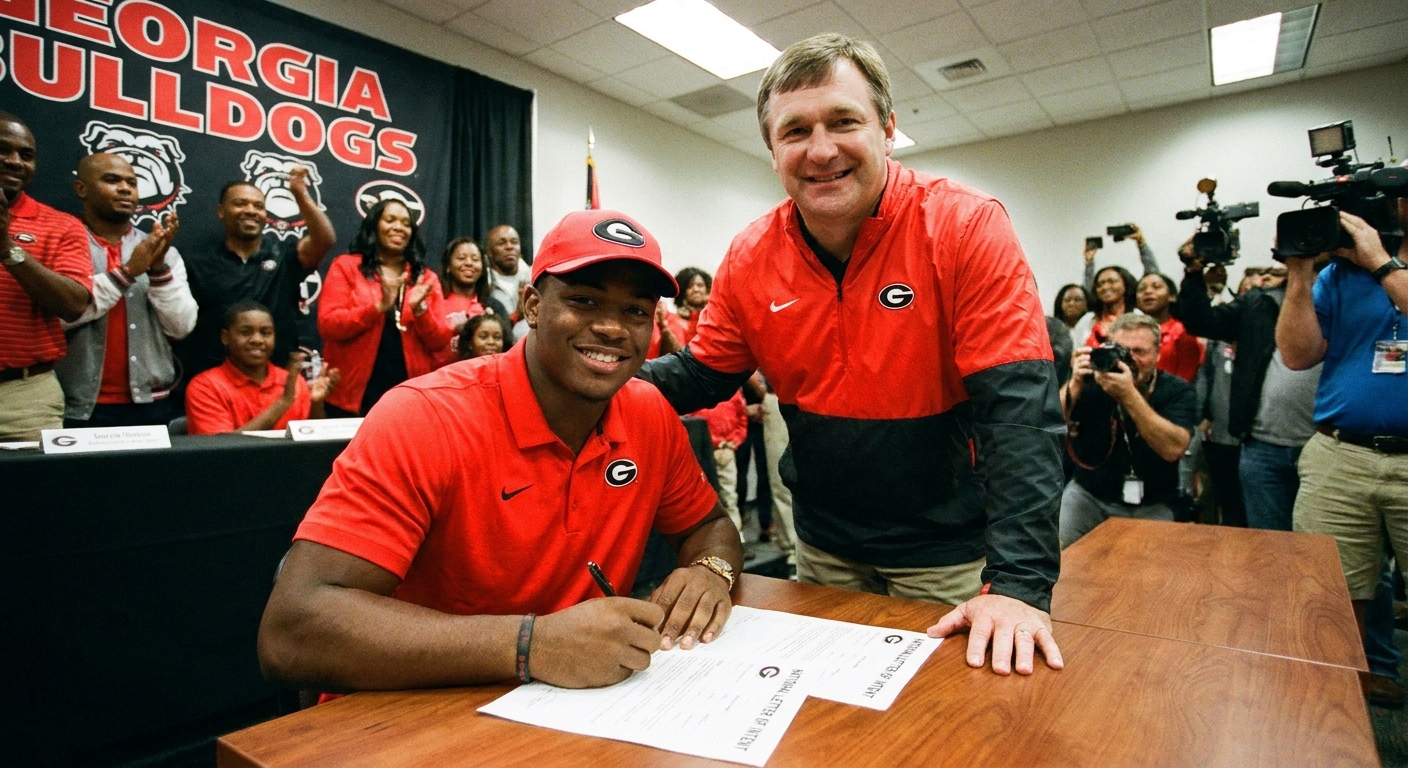
Roster math and opportunity
When I talk to former players and coaches, the most common reason the FBS to FCS move works is simple: the path to the field can be clearer.
At many FBS programs, especially those stacking blue-chip recruiting classes, you can be doing everything right and still be behind older players or higher-ranked recruits for two full seasons. In the FCS, rosters are still loaded with talent, but the scholarship distribution tends to create more varied roster builds.
It also matters that football rosters include more than scholarship players. Both FBS and FCS teams carry walk-ons. The mix can change how a position room looks on paper versus how it feels in practice. So when you are evaluating “opportunity,” ask the staff a simple question: how many players are in my room, and how many are you planning to bring in?
That difference in roster building can lead to:
- More immediate snaps, especially at positions where communication and experience matter (offensive line, quarterback rooms, secondary).
- A better scheme fit, because FCS staffs often recruit and develop with a specific identity and will prioritize players who match it.
- A clearer development plan, where you are not the eighth scholarship athlete at your position waiting on “next year.”
That said, nothing is handed to you. You still have to win the job. But if you are transferring specifically for playing time, FCS is one of the most realistic places in Division I to find it.
Level of play: different, not soft
I played college basketball, and I learned early that labels do not tackle, block, or hit jumpers. FCS football has NFL players, veteran coaches, and Saturday atmospheres that are the real deal. The difference is not effort or intelligence. It is usually a combination of:
- Depth: FBS teams often have more scholarship-funded layers at each position.
- Resources: budgets for staff size, recruiting travel, facilities, and support can be bigger on the FBS side.
- Weekly roster management: how teams handle injuries and rotations can look different when scholarship pools are structured differently.
For some players, the FCS style is actually the better showcase: you are on the field more, you have more film, and you can play multiple roles.
Postseason: bowls vs playoffs
This is another real difference players ask about. Most FBS teams aim for bowl eligibility and a bowl game postseason. FCS teams chase the playoff bracket, and for contenders that can mean a longer postseason run with multiple elimination games. Your season goals and week-to-week pressure can feel different depending on where the program realistically sits in that picture.
NIL and exposure
NIL is not identical school to school, and it definitely is not identical FBS to FCS.
NIL and market reality
- Average deal size tends to be higher at many FBS programs, especially in power conferences, because of brand scale and donor ecosystems.
- FCS opportunities still exist, particularly if you become a face of the program, land local sponsorships, or play at a school with a strong football culture. Some FCS programs also have collectives, typically on a smaller scale.
Exposure and being seen
If your goal is the NFL, the pipeline is real from FCS. Scouts care about traits and film. The honest difference is volume: fewer FCS players get drafted each year compared to FBS, and the weekly spotlight is not always as bright as a major FBS broadcast window. The upside is you can create your own spotlight by being a featured player, then cashing in visibility at pro days and all-star settings where evaluators stack everyone side by side.
Eligibility and compliance
The transfer itself is allowed, but players still need to clear the normal checkpoints:
- Academic eligibility: credit hours, progress toward degree, GPA requirements, and the new school’s transfer credit evaluation.
- Conference and program policies: some conferences and programs have additional internal steps, even inside Division I.
- Transfer eligibility: playing right away is common in today’s environment, but it is not guaranteed. It can depend on prior transfers, academic standing, timing, and whether you qualify for any applicable NCAA exception.
This is where I tell every athlete the same thing: do not rely on group chats for rules. Talk to the compliance office and get clarity on your exact scenario.
One more detail players forget to ask about: your seasons and redshirt situation. Your new staff should be able to walk you through how many seasons you have left, what your redshirt status is, and what the plan is for your role in year one.
How offers look in real life
Here are a few common outcomes I have seen or had coaches describe, without the sales pitch:
- Full scholarship at FCS: happens when the program sees you as an immediate starter or impact piece and has room in its scholarship pool.
- Partial scholarship plus a real role: very common. The staff believes you help them, but their scholarship pool is spread thin, especially at certain positions.
- Preferred walk-on path with a development plan: not glamorous, but sometimes the honest route if the roster is tight and the staff still wants you.
If you are evaluating an FCS offer, ask direct questions. “Is this scholarship for one year or multiple years?” “Is it expected to change based on performance?” “What exactly is covered?” Clarity is respect.
When the move makes sense
Every story is different, but the FBS to FCS transfer tends to be a strong play when:
- You are blocked on the depth chart and you need snaps to develop or to be evaluated.
- You are coming off an injury and want a staff that will build a ramp back, not just stash you.
- You need a better scheme match, like a receiver moving from a run-heavy offense to a system that feeds your skill set.
- You want stability with a staff that has a clear role for you now, not “maybe next spring.”
On the flip side, if your current situation includes a strong scholarship package and you are one rep away from breaking through, it can be worth staying patient. That is a personal, case-by-case call.
Quick FAQ
Is FCS still Division I?
Yes. FBS and FCS are both NCAA Division I football subdivisions.
How many scholarships are in FBS vs FCS?
FBS football is capped at 85 scholarship players. FCS football is capped at 63 scholarship equivalencies that can be split into partial awards.
Do FCS schools offer full scholarships?
They can, but because FCS uses an equivalency model, partial awards are common and the structure varies by program.
Is it easier to reach the NFL from FBS than FCS?
FBS programs often offer more weekly exposure and there are more draft picks from FBS overall. But NFL scouting is traits and film-driven, and FCS players get drafted and make rosters every year when they put strong tape out there and test well.
Will I automatically be eligible right away if I transfer from FBS to FCS?
Not automatically. Many players are able to compete right away, but eligibility depends on your transfer history, academics, timing, and compliance approval at your new school.
The bottom line
An FBS player can absolutely transfer to an FCS school, and it can be one of the smartest moves a Division I athlete makes. The key is to walk in with eyes open about the two big levers that change the most: scholarship structure and roster opportunity.
If you are considering the move, treat it like you would a position change. Ask hard questions, get everything spelled out, and pick the place where your strengths are not just tolerated but featured.