
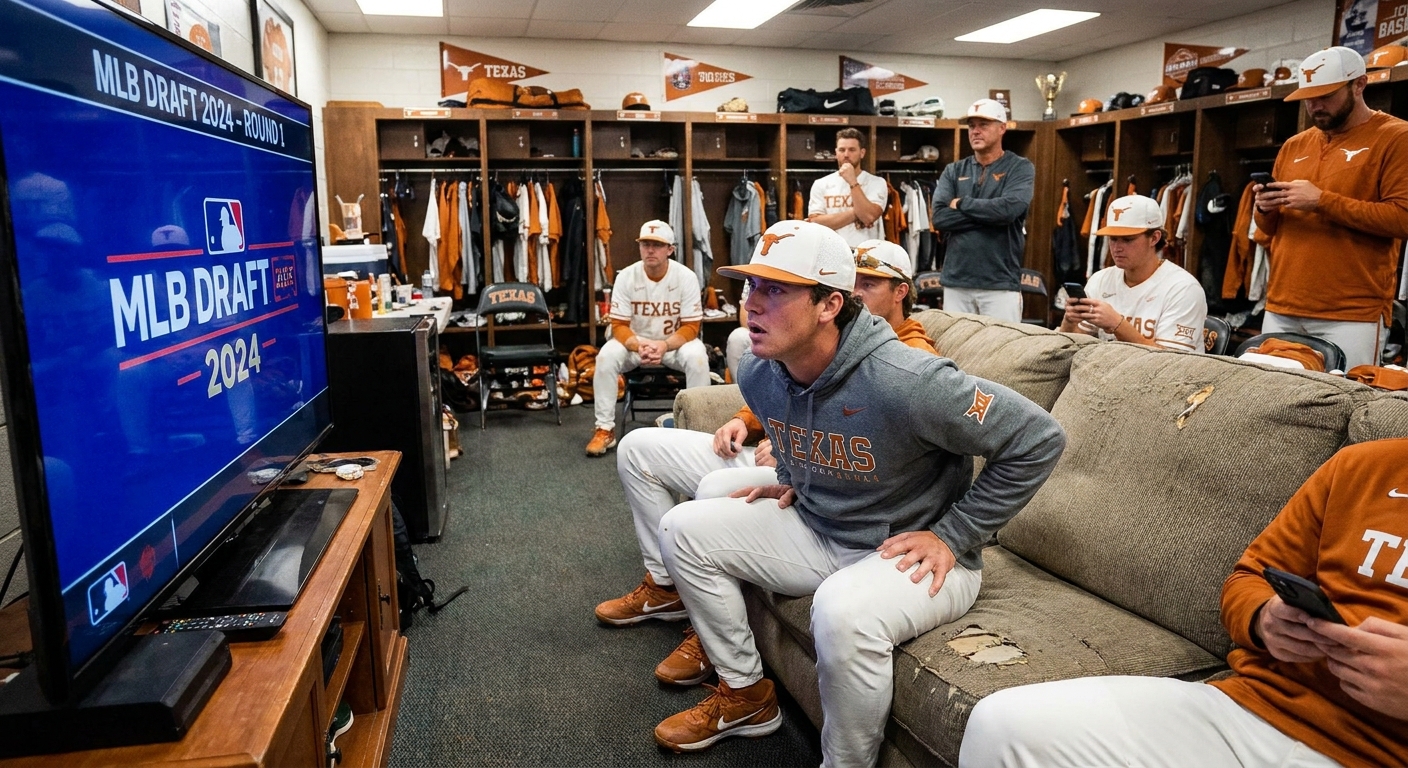
I have coached enough teenagers through the recruiting and showcase maze to know this is one of the most misunderstood sentences in baseball: “He got drafted.” People hear it and assume college is over. In reality, in NCAA baseball the line that matters is not being selected in the MLB Draft. It is signing a professional contract or otherwise triggering professional involvement that ends your amateur status.
So yes, a college baseball player can be drafted, decline to sign, and return to college with NCAA eligibility intact, as long as he follows the rules that come with that decision. And in many cases, that player can also transfer, including via the portal, if he is otherwise eligible to do so.
The quick answer
You can return to college after being drafted by an MLB team, as long as you do not sign a professional contract (and you keep your NCAA amateur status intact in other ways).
Think of it like this:
- Drafted but unsigned: you can generally return to NCAA baseball.
- Signed a pro contract: your NCAA eligibility in that sport is typically gone.
Drafted vs. signed
MLB drafting a player is essentially a team acquiring negotiating rights for a period of time. That window varies by player type (high school, junior college, four-year college) under MLB draft rules.
If you are drafted and do not sign
In most scenarios, you keep NCAA eligibility. You can go back to your school and keep playing, assuming you stayed within NCAA amateurism rules (more on that below).
If you sign a professional contract
Once you sign, you are a professional baseball player. That ends your NCAA eligibility in baseball in almost all cases. In practice, you should treat it as a one-way door, even if you never play an inning in the minors. (If you think you have an unusual situation, that is a compliance-office conversation, not a guess.)
What about accepting money?
The biggest practical tripwire is compensation or benefits tied to professional baseball. A signing bonus is the obvious one, but it is not the only concern. If you are trying to preserve NCAA eligibility, treat everything around the draft like it is being reviewed under a microscope: who paid for what, what benefits you received, and whether representation was involved in a permissible way. And do not rely on locker-room advice. Loop in your school’s compliance staff before you take anything, sign anything, or let anyone “handle it” for you.
How long teams hold your rights
How long an MLB team holds your negotiating rights depends on your player category and on MLB rules for that draft class. The key point for a college player considering a return is simple: not signing now usually means you are betting on playing (and improving your stock) and re-entering the draft later.
In the typical college pipeline:
- Four-year college players can usually be drafted again after returning to school, with the standard MLB draft-eligibility triggers applying. Under MLB draft rules, that is commonly after their junior year or when they turn 21, whichever comes first, or as seniors.
- Junior college players often have more frequent draft opportunities, which changes leverage and timelines.
Those categories matter because they affect negotiating leverage and the realistic value of returning. They do not change the core NCAA point: being selected is not the same as signing. If you do not sign, you are not under contract. You are essentially back to being an amateur prospect on the MLB side, and you are still an NCAA athlete if you kept your eligibility clean.
Transfer portal after getting drafted
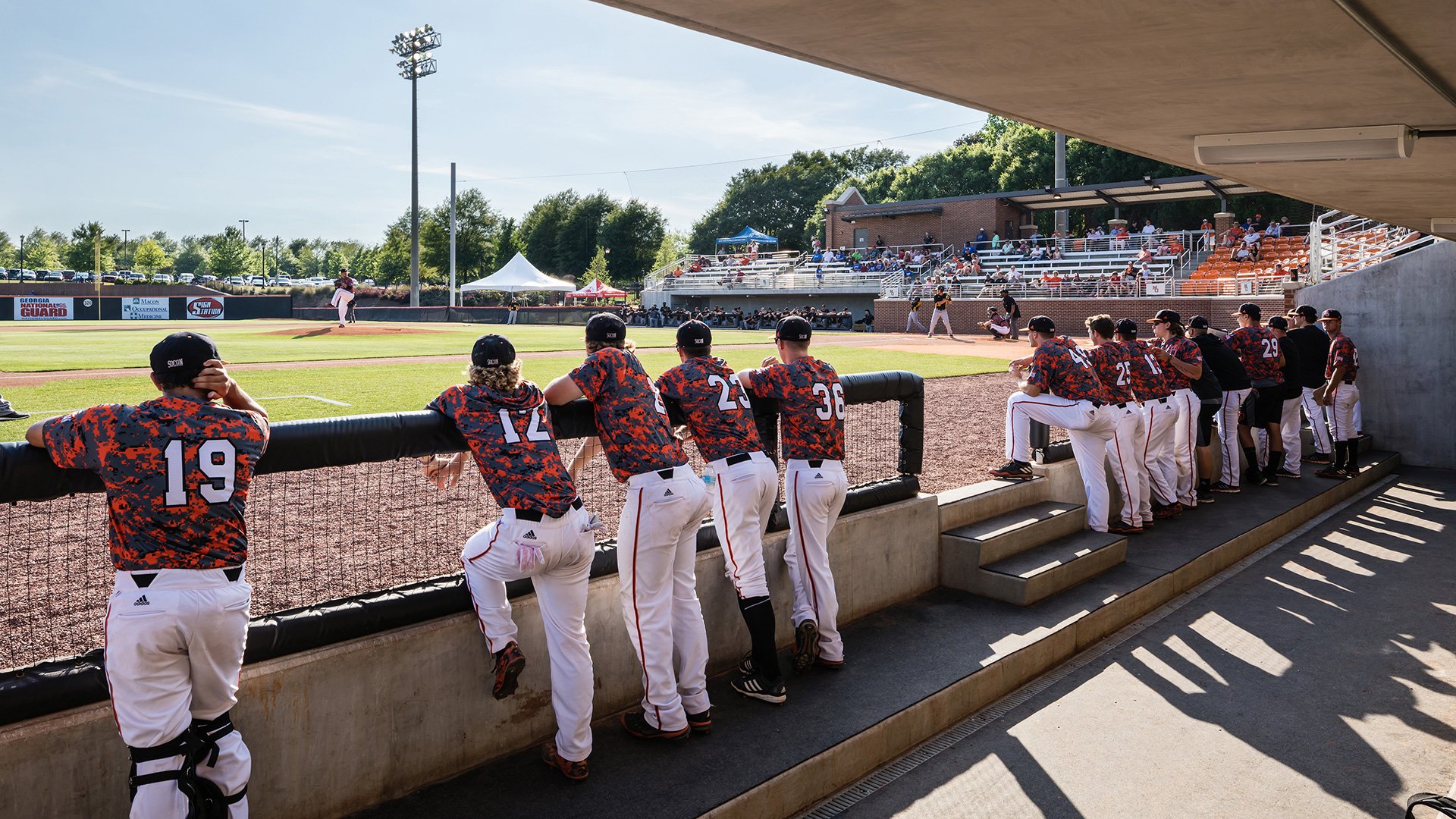
Yes, a drafted but unsigned player can transfer, including through the NCAA transfer portal, if he still has eligibility and meets transfer requirements. The portal is an NCAA mechanism, and being drafted does not automatically block it.
But there are three practical layers you have to get right.
1) You still need to be eligible
That comes back to amateur status. Do not sign a professional contract. Be careful with any compensation or benefits connected to pro baseball. Keep your eligibility clean, and the portal remains a real option.
2) You still need to meet transfer rules
The portal is not a magic wand. Your ability to play right away depends on your situation, conference rules, and whether you meet NCAA requirements for immediate eligibility.
3) Timing and roster math are brutal
Even when the rules say “yes,” the sport itself can say “good luck.” College baseball is a roster management puzzle: scholarship limits, the partial-scholarship nature of the sport, and incoming freshman classes that were recruited years in advance. A drafted-and-returning player can be attractive. He can also be a late surprise for a coaching staff already balancing numbers.
Drafted out of high school, then college
This is common: a player gets picked out of high school, does not sign, and honors his college commitment.
From an NCAA standpoint, the same principle applies. Getting drafted does not automatically make you a pro. If you did not sign and you followed amateurism rules, you can enroll and compete.
From an MLB standpoint, once you enroll in a four-year college, your draft path typically changes. You are generally not draft-eligible again until the standard four-year college triggers apply under MLB draft rules.
Common scenarios
You got drafted, played summer ball, and want to come back
Most college players play summer baseball. The eligibility issue is not “did you play baseball after being drafted.” The issue is did you sign, did you accept impermissible pay or benefits, or did you violate amateurism rules. Many drafted players return to campus and play the next spring.
You were drafted, did not sign, and want to transfer
Possible, assuming you remain an amateur and you are otherwise eligible to transfer. This is one of those moments where the portal and the draft intersect in a very modern way: a player’s leverage is not just money vs. school anymore. It is money vs. the right school, development plan, and opportunity.
You were drafted, signed, got released, and want to play NCAA baseball
That is the hard stop for almost everyone. After you sign a professional baseball contract, you generally cannot regain NCAA baseball eligibility, even if your pro career is brief. If someone tells you they have a workaround, run it through compliance and get it in writing before you assume it applies to you.
Amateurism pitfalls to watch
If your goal is to come back to college ball, treat these as red flags that can cost eligibility if handled incorrectly:
- Signing a professional contract, including a minor league deal.
- Accepting a signing bonus or pay tied to playing.
- Using an agent in an impermissible way (rules can be nuanced, and “advisor” vs. “agent” details matter).
- Extra benefits that are not allowed under NCAA rules.
Because NIL exists now, players sometimes assume anything goes. NIL can help with legitimate marketing income, but it does not automatically protect you from amateurism issues tied to professional baseball negotiations. When in doubt, loop in your compliance office early. Waiting until after the fact is how guys lose seasons.
What I tell players
When I was grinding through Division II hoops, the dream was still the dream, but the real currency was development and opportunity. Baseball is similar, just with more drafting lanes and more negotiating leverage.
If you are drafted and thinking about not signing, ask yourself:
- Do I have a clear development plan at school (role, innings, strength program, pitching lab, hitting development)?
- Am I returning to play, or returning to hide? Scouts will find you either way. But they will not reward stagnation.
- Is this the right program for my next 12 months? Sometimes “return to college” is correct, and “return to the same college” is not.
- Is my eligibility clean? Before you make any public move, make sure you have not accidentally crossed a line with benefits or representation. Get your compliance people involved early.
FAQ
Does getting drafted automatically end NCAA eligibility?
No. Being drafted alone does not end NCAA eligibility. Signing a professional contract is the main action that ends eligibility in baseball.
Can I go back to college if I am drafted and do not sign?
Yes, in general you can return to college and play, provided you keep your NCAA amateur status and meet eligibility requirements.
Can I transfer after being drafted?
Yes, if you did not sign and you remain eligible. A drafted-but-unsigned player can enter the transfer portal and move schools if he satisfies NCAA transfer rules and roster realities cooperate.
If I sign professionally, can I come back later and play NCAA baseball?
Generally, no. Signing a professional baseball contract usually ends NCAA baseball eligibility, even if you later stop playing professionally. If you think you have a rare edge case, treat it as a compliance question, not a message-board debate.
Is this different from basketball and football draft rules?
Yes. Each sport has its own eligibility and pro-entry structure. In baseball, the “drafted vs. signed” distinction is central because players can be drafted multiple times across different points in their amateur careers.
Bottom line
If you remember one sentence, make it this: You can return to college after the MLB Draft if you do not sign a professional contract and you keep your amateur status intact.
From there, returning to the same program or transferring becomes a strategy decision, not a rules dead end. And for a lot of players, especially the ones on the edge of real money, that extra year in college can be the difference between being “a name on a draft list” and being ready to stick in pro ball.