
If you have been bike shopping for more than five minutes, you have heard the same line on repeat: carbon is faster, aluminum is cheaper. True, kind of. But choosing a frame material is less like picking a phone plan and more like picking a teammate. You want the one that fits your style, your routes, and your tolerance for chaos when the road kicks back.
Carbon fiber and aluminum can both be excellent road bikes. The difference shows up in how they feel at speed, how they handle rough pavement, what happens when they crash, and how much performance you actually buy with every extra dollar.

The quick verdict
- Choose carbon fiber if you prioritize comfort on long rides, want the best weight-to-stiffness for climbing and accelerating, and plan to keep the bike for many seasons of serious riding.
- Choose aluminum if you want the best bang for your buck, prefer a tough daily rider for commuting and group rides, race on a budget, or would rather spend money on wheels, fit, and travel than on frame material.
Now let’s get into the stuff you actually feel on the road.
What carbon and aluminum really are
Carbon fiber frames
Carbon frames are made from layers of carbon fiber fabric bonded with resin. The key advantage is that engineers can tune the frame’s stiffness and compliance by changing the layup and the shape. Translation: a good carbon bike can feel snappy when you sprint but still take the sting out of rough pavement.
Aluminum frames
Aluminum frames are made from welded metal tubes, usually heat-treated alloys like 6061 or 7005. Aluminum is light for a metal and relatively inexpensive to manufacture. It is less stiff than steel as a raw material, so aluminum road frames often use larger tube shapes to hit stiffness targets without adding a lot of weight.

Ride feel: comfort vs. connection
Carbon: smoother when the miles pile up
Most riders notice carbon’s comfort first. On chipseal, broken shoulders, and long descents where your hands start talking back, a well-designed carbon frame can reduce high-frequency vibration. It does not turn potholes into pillows, but it can turn a three-hour ride from “I survived” into “I could do another hour.”
Aluminum: crisp, direct, sometimes harsh
Aluminum tends to feel more immediate. When you stand up and punch it, the bike often responds with that sharp, eager snap. The tradeoff is that cheaper aluminum frames, especially older ones, can feel harsh on rough roads. Modern designs and good carbon forks help a lot, and tire choice matters even more than most people think.
Marcus note from the saddle: If you are running 28mm tires at sensible pressure, a modern aluminum bike stops feeling “teeth-rattly” for a lot of riders. The frame still matters, but tires are the first comfort upgrade.
Weight: the honest numbers
Carbon frames can be lighter than aluminum, especially at the same stiffness and quality level. But the full bike weight depends heavily on wheels, groupset, cockpit, brakes, and even tires. Disc-brake endurance builds can also push higher than people expect, regardless of frame material.
- Typical mid-range carbon road bike: often lands around 17 to 19 pounds (roughly 7.7 to 8.6 kg) depending on build.
- Typical mid-range aluminum road bike: often lands around 18 to 21 pounds (roughly 8.2 to 9.5 kg) depending on build.
That gap can be noticeable on long climbs, but it is not always the deciding factor. A lighter wheelset on an aluminum bike can feel quicker than a heavier-wheeled carbon bike, partly because reducing rotating weight helps acceleration and responsiveness. Total weight still matters too, especially on sustained climbs.
Stiffness and power transfer
Carbon can be stiff where it counts
Good carbon frames are excellent at combining bottom bracket stiffness with front-end precision. That means when you jump out of a corner or surge up a hill, the bike feels like it wastes less energy twisting.
Aluminum is stiff, but tuning is tougher
Aluminum frames can be very stiff, sometimes too stiff in the wrong places. That can feel fast in a sprint but fatiguing on rough roads. High-end aluminum frames do a better job shaping tubes and controlling flex, but carbon still has more design flexibility.
Durability and crash behavior
Carbon: strong, but damage can be sneaky
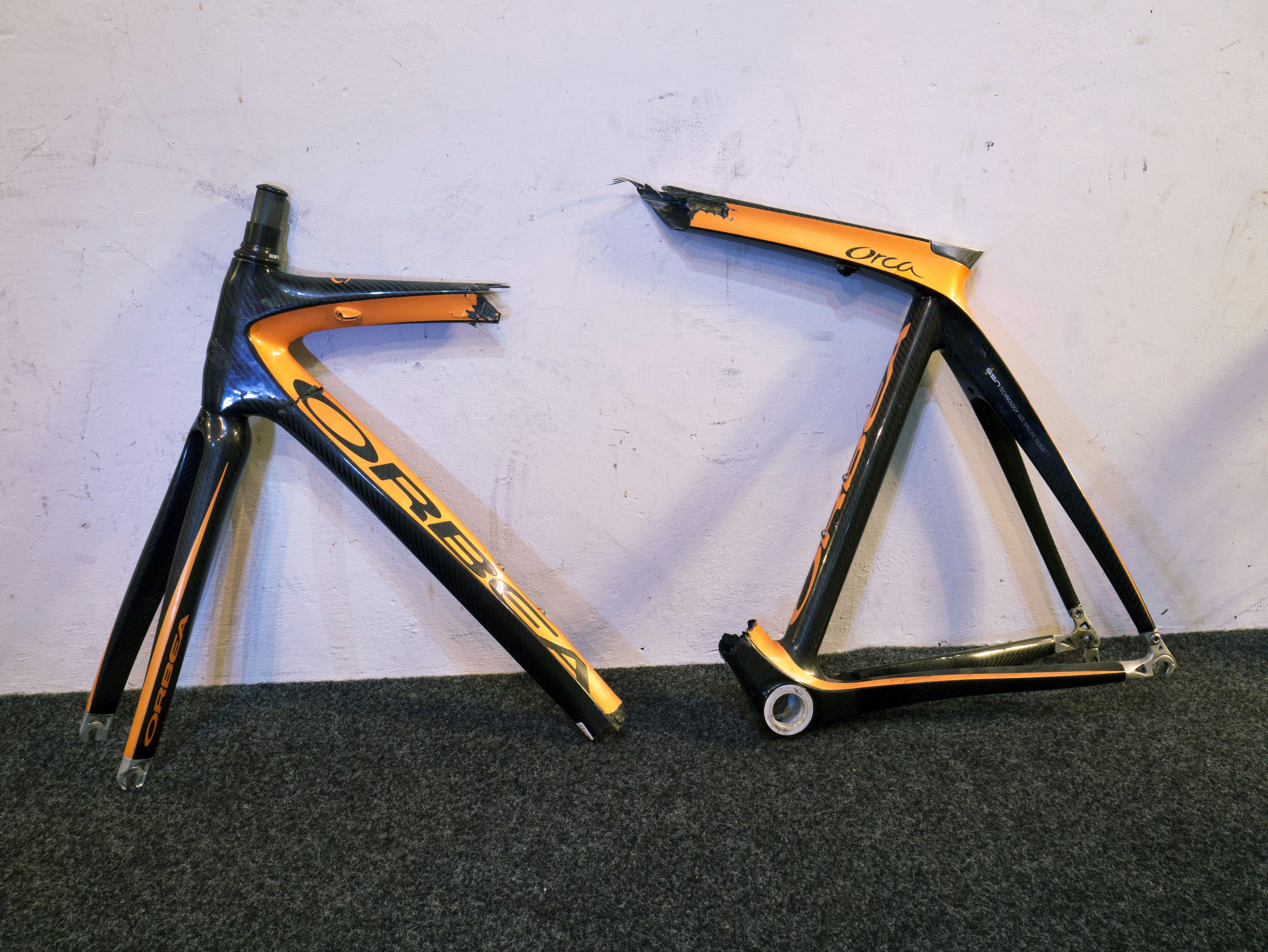
Carbon is incredibly strong for its weight and it is less prone to traditional metal fatigue failure modes. But composites can still accumulate damage over time, and they can be compromised by sharp impacts or crushing forces. A crash that leaves only scuffs can still cause internal damage, and that is why inspections matter.
- Pros: can be repaired by reputable carbon repair shops in many cases; does not corrode.
- Cons: damage can be harder to spot; repairs take time and money; improper clamping or transport can cause problems.
Aluminum: dents and bends are more obvious
Aluminum typically shows its injuries. If it is dented, you can usually see it. The big caution is that aluminum can fatigue over time, and once a frame cracks, repair is often not worth it compared to replacement.
- Pros: takes everyday knocks well; damage is often visible; great for high-use bikes.
- Cons: can corrode at interfaces if neglected, especially around bolts or mixed-metal contact; cracked frames are usually done.
Maintenance and ownership
Carbon ownership tips
- Use a torque wrench for cockpit, seatpost, and bottle cage bolts.
- Use carbon assembly paste where recommended to prevent slipping at lower torque.
- Be careful with work stands and roof racks that clamp the frame.
- After a crash or a big impact, inspect closely and consider a shop check.
Aluminum ownership tips
- Watch for corrosion or seizing around bottle cage bolts, the seatpost area, and other hardware interfaces if you ride in wet or salty conditions.
- Keep an eye on weld areas for hairline cracks if the bike has heavy miles or has been crashed.
- Seatposts can seize in metal frames if neglected, so clean and grease appropriately.
Cost and value
This is where aluminum earns its fan club. At the same price point, aluminum bikes often come with better components than carbon bikes.
What usually happens at common budgets
- Entry-level budgets: aluminum typically delivers better shifting, braking, and wheels for the money.
- Mid-range budgets: carbon becomes more compelling, but you still need to check wheel quality. Many bikes hide weight and feel in the wheels.
- Higher budgets: carbon dominates because you are paying for refined layups, aero shaping, and premium builds.
If you are deciding between carbon with mediocre wheels and aluminum with excellent wheels, a lot of riders are happier on the aluminum build, especially in group rides where accelerations and corner exits matter.
Disc brakes and clearance
A quick reality check: at the same price, disc brakes, tire clearance, and geometry often change the ride as much as frame material.
- Disc vs. rim: Disc setups usually add weight and cost, but they can improve braking consistency, open up wheel choices, and often pair with frames built for wider tires.
- Tire clearance: Clearance for 28mm to 32mm tires can be a comfort and confidence upgrade on real-world roads, whether the frame is carbon or aluminum.
- Race vs. endurance geometry: If you want comfort, an endurance frame with wider tires can beat a race frame in the wrong size, even if the race frame is carbon.
Performance by riding style
Climbing
Carbon tends to win on long climbs because it is easier to build light and stiff at the same time. That said, a well-built aluminum climber with light wheels can keep you smiling and keep you close to the same pace.
Endurance and rough roads
Carbon usually wins for comfort and reduced fatigue, especially over three hours plus. If you live on cracked pavement, carbon plus wider tires is a quality-of-life upgrade.
Crit racing and fast group rides
Both work. Aluminum is popular because it is cost-effective and less stressful to risk in chaotic racing. Carbon can be sharper and lighter, but the stakes feel higher when wheels touch.
Commuting and all-weather miles
Aluminum is often the better call for daily use, locking up outside, and riding in bad weather. You can absolutely commute on carbon, but you will want to be more careful with transport, parking, and impact risk.
Fit and tires beat material
I know, gear talk is fun, but here is the truth from years around locker rooms and bike shops: the “best” bike is the one that fits and gets ridden.
- Bike fit: A comfortable, efficient position makes you faster than a material upgrade.
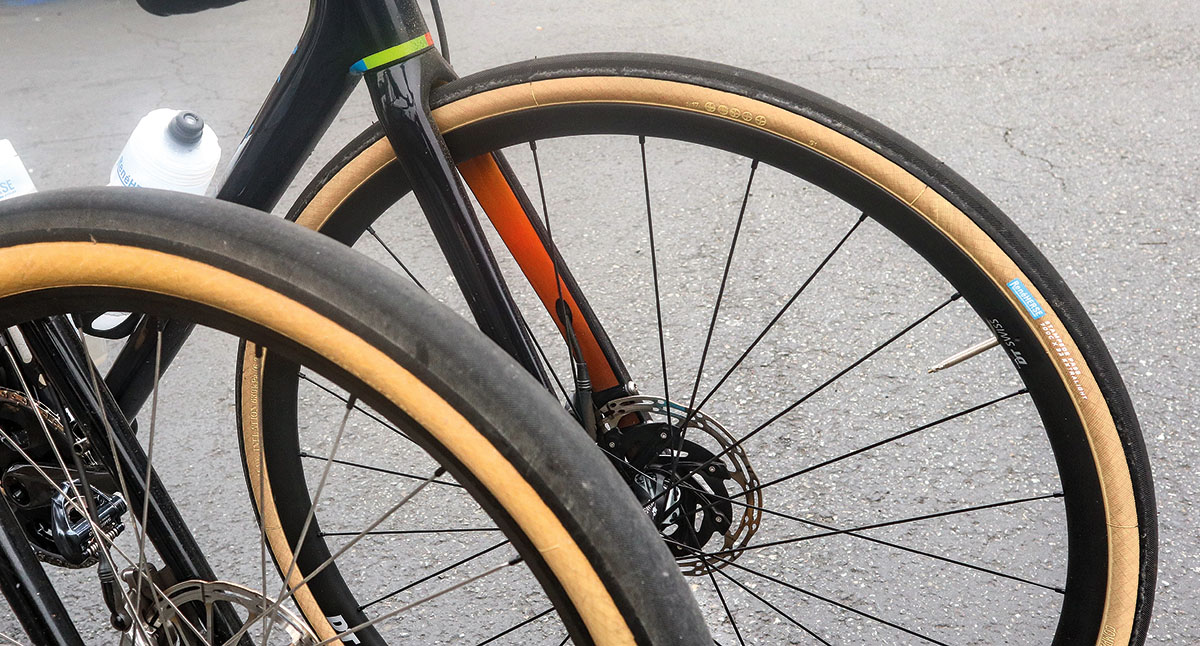
- Tires: Moving to 28mm or 30mm tires (if your frame allows) at the right pressure can transform comfort and confidence.
- Wheels: A good wheelset can change the entire personality of a bike, especially on rolling terrain.
Marcus note from the saddle: If two bikes feel close on a test ride, check the boring stuff. Tire clearance and wheel quality decide a lot of “feel” long after the new-bike glow wears off.
Buyer checklist
- Where do you ride most? Smooth roads favor stiffness and aerodynamics, rough roads reward comfort and tire clearance.
- How risk-heavy is your riding? Racing, travel, and crowded group rides can push you toward a value-focused aluminum setup.
- What is the full build spec? Compare wheels, tires, brakes, and groupset, not just the frame material.
- What is the tire clearance? Clearance for 28mm to 32mm tires is a modern advantage for both materials.
- Warranty and crash replacement? Carbon buyers should check brand support policies.
- How will you resell it? Carbon resale can be strong, but buyers are often cautious about crash history. Aluminum takes less explaining, especially for high-mileage bikes.
So, which should you buy?
Buy a carbon road bike if
- You regularly ride 2 to 5 hours and want less fatigue.
- You care about climbing and fast accelerations.
- You are willing to maintain it carefully and inspect after impacts.
- Your budget allows carbon without sacrificing wheels and fit.
Buy an aluminum road bike if
- You want the best performance per dollar right now.
- You are commuting, traveling, or racing where crashes and dings are part of the deal.
- You would rather upgrade wheels, tires, and contact points first.
- You want a tough bike that you can ride hard without constantly worrying.
If you are stuck between two specific models, my tie-breaker is simple: pick the bike that fits you best and comes with the better wheels. Material matters, but the ride is a full team effort.
Bottom line: Carbon is the higher ceiling. Aluminum is the higher floor. The right choice is the one that matches your roads, your goals, and your budget without forcing you into compromises you will feel every mile.