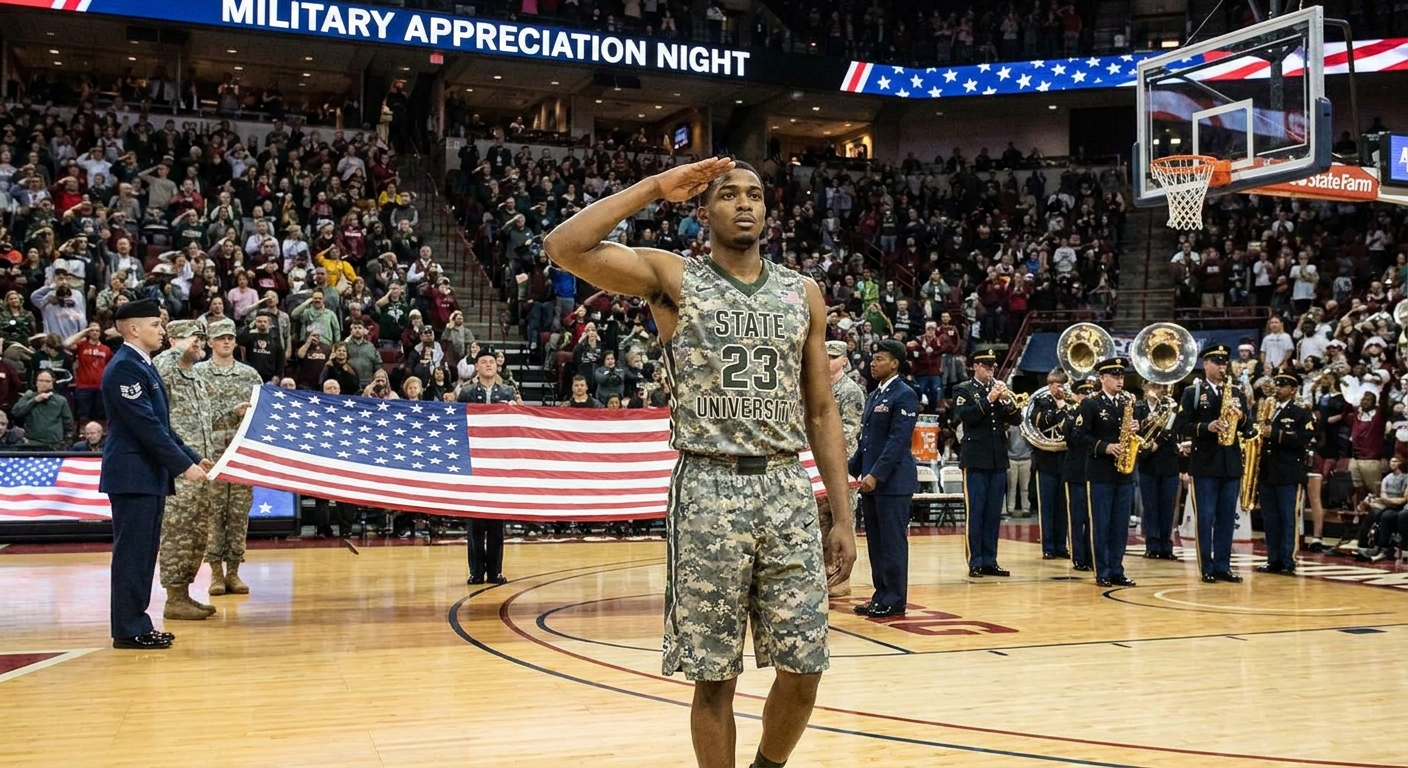
I have coached kids whose “offseason” was a drill weekend and whose “summer break” came with orders. When those athletes ask whether the NCAA eligibility clock stops for military service, they are not looking for loopholes. They are trying to line up real life obligations with the narrow window college sports gives you.
The clean answer is this: military service can support an NCAA waiver or legislative relief that effectively extends your eligibility timeline in certain situations, but it is not automatic. It typically requires a legitimate, documented military obligation and a formal waiver or relief request submitted through your school (and sometimes your conference) with supporting paperwork.
Quick refresher: the eligibility clock
Most athletes hear this explained as: once you enroll full time at a college, you have five calendar years to play four seasons in many NCAA sports. That is the common Division I shorthand, and it is useful, but it is not the whole universe.
One quick qualifier: this is a general overview. Eligibility rules can vary by division, sport, and your exact enrollment history, so confirm your situation with your compliance office.
Important context: Division II and Division III have related concepts, but the details differ. Division III, for example, is often discussed as operating under a 10-semester or 15-quarter framework rather than the same “five-year clock” people quote for Division I. Sport-by-sport and enrollment nuances can matter, too.
So if you step away from school to serve, deploy, complete required training, or fulfill another military obligation, the real question becomes whether the NCAA will treat that time like a legitimate interruption and grant relief so you are not punished for serving.
Does service pause the clock?
No. The NCAA does not simply “stop the clock” the moment you enlist or ship out. What you are usually pursuing is an extension or other eligibility relief based on documented circumstances. In practice, it typically looks more like this:
- You and your school document the military obligation and the time away from college athletics.
- The school requests relief through the NCAA waiver or legislative relief process (the exact mechanism and submission path can differ by division, conference, and circumstance).
- If approved, the NCAA may grant an extension of the eligibility period or other eligibility relief that accounts for the service time.
Think of it like replay review. The call does not change until the officials see the evidence and make it official.
What service can qualify?
Eligibility relief is fact-specific, but the strongest cases usually share two traits: the service is required and the time away is substantial and well documented.
Active duty
Active duty orders that pull you away from campus, enrollment, and competition are often the clearest basis for a relief request. That includes deployments and required training pipelines that make normal participation unrealistic or impossible. That said, nothing is guaranteed. The NCAA still decides based on the full record.
Reserves and National Guard
Reserve and National Guard obligations can qualify, but they tend to turn on the details. A routine drill schedule, by itself, may not justify an extension if you remain enrolled full time and are still able to participate.
Where it can become more likely to support a waiver request is when your Reserve or Guard obligation includes things like:
- Activation for state or federal service
- Extended training that removes you from campus
- Orders that materially conflict with enrollment, practice, or competition for an extended period
ROTC and commissioning paths
Here is the clean way to say it: ROTC participation alone usually does not interrupt enrollment enough to create an eligibility-clock problem. The situations that tend to matter are specific, required trainings or ordered obligations that meaningfully pull you away from school or competition.
If those requirements are non-optional and documented, they may support a relief request. If they are elective or flexible, they are harder to argue as a clock issue.
Service academy situations
Service academies come with structured obligations and timelines. If you are transferring, re-enrolling, or navigating commitments connected to an academy or required service, your compliance office should treat it as a specialized case. The key is still the same: show the NCAA that your absence or delay was due to a required military commitment, not just personal choice.
What usually does not extend eligibility
This is where athletes can get tripped up, especially if they assume any uniform equals an automatic eligibility freeze. In many cases, the NCAA is looking for a compulsory interruption, not simply military-affiliated activity.
- Voluntary timing choices that do not actually interrupt enrollment or participation may not lead to relief.
- Short-term obligations that do not meaningfully prevent enrollment or competition are harder to justify as an eligibility extension.
- Unverified claims or missing paperwork usually do not go far. Compliance offices need documentation, not verbal assurances.
None of that is a judgment about service. It is about how narrowly the NCAA tends to apply eligibility relief.
Where the clock starts
Another place athletes get burned is assuming the clock only starts at the school they care about most. In many cases, eligibility timing rules key off your full-time collegiate enrollment and how your participation and enrollment history is recorded.
In Division I, the “five-year clock” concept generally starts once you enroll full time at a college, but there can be edge cases and sport-specific wrinkles. If you have been enrolled full time at a different college before transferring, or if you stop and start school across multiple institutions, the timeline can get complicated fast.
That is exactly why you should bring your full academic and athletic history to compliance early, not after a season is already on the line.
A quick example timeline
Here is what “relief” can look like in real life, without pretending every case ends the same way:
- Year 1: Athlete enrolls full time and competes.
- Year 2: Athlete receives activation orders and withdraws for 12 months of required service.
- Year 3: Athlete returns, re-enrolls full time, and the school submits a relief packet documenting the activation dates, enrollment interruption, and missed season impact.
If the NCAA grants relief, the athlete may receive an extension of the eligibility period that accounts for that service year. If not, the original timeline may still control. Same story, different outcome depending on documentation, timing, division rules, and case specifics.
What proof is typically required
If you are hoping to extend your eligibility timeline due to military service, documentation is the whole game plan. Schools generally need enough detail to show the obligation was real, required, and tied directly to the time you could not compete or stay enrolled normally.
Commonly requested documentation
- Official orders showing dates and nature of service (activation, deployment, training, etc.)
- Command letters or unit verification confirming service requirements and dates
- Proof of duty status and service timeline (as reflected in military records)
- Enrollment records showing when you were full time, part time, withdrawn, or unable to attend
- A clear timeline prepared by the athlete and compliance office tying the interruption to the eligibility impact
What makes a request stronger
- Specific dates instead of general statements
- Direct connection between orders and missed seasons, missed enrollment, or inability to participate
- Consistency across military documentation and school records
- Early communication with compliance, ideally before a season is missed
How the process works
From the athlete perspective, this can feel like bureaucracy. From the school perspective, it is compliance risk, so they will move carefully. A typical path looks like this:
- Tell compliance early. The moment you know your service obligation could affect enrollment or competition, loop them in.
- Gather documents. Orders and verification letters matter more than informal explanations.
- Build the timeline. Dates of enrollment, practice, competition, and service requirements should line up cleanly.
- School submits the request. Depending on your division and situation, your case may run through a waiver process, legislative relief, reinstatement channels, or a conference step before it reaches the NCAA decision-makers.
- Be ready for follow-ups. The NCAA may ask for additional records or clarifications.
If you are transferring, the same principle applies: relief is easier to pursue when your paperwork is organized before you arrive, not after you have already missed a term or a season.
Practical advice
- Do not self-diagnose eligibility. Ask your school’s compliance office how they have handled military-related relief in the past, and what sport and division rules apply to you.
- Keep everything. Save orders, emails, unit memos, and any documentation that confirms the obligation was required.
- Track your dates like a coach tracks minutes. When you enrolled, when you withdrew, when you were on duty, when you returned.
- Ask about timing before you compete. In some cases, even limited competition can affect how a season is counted, which can ripple into relief strategy.
- Get it in writing. Verbal assurances are not an approval.
And one more thing, because it is real life: before you withdraw, transfer, or make enrollment decisions tied to orders, talk to the people who do this for a living. That means compliance, academic advising, and if needed, military legal assistance. One paperwork mistake can create a problem you never deserved.
FAQ
If I deploy, will I lose a season?
Not necessarily. If the deployment prevents enrollment or participation and you can document it, your school may be able to seek relief so your eligibility timeline is not unfairly shortened. It is not automatic, and outcomes depend on the facts and your division’s rules.
Does weekend drill stop my clock?
Usually, the clock issue is not the drill itself. The key is whether your Guard or Reserve obligation materially interrupts your ability to enroll full time or compete for an extended period. Activation or extended training is more likely to support relief than routine drills.
What if I served before college, then enrolled later?
The Division I “five-year clock” concept generally starts once you enroll full time at a college. If your service happened before you ever started that clock, you may not need an extension for that earlier time. If service interrupts your enrollment after the clock starts, that is when relief conversations tend to happen.
Who files the request?
Your school does, typically through the compliance office. Your job is to provide complete documentation and a clean timeline.
Is there one document that guarantees approval?
No. The strongest cases usually include orders plus verification and school records that match the service dates, but NCAA decisions are still case-specific.
The bottom line
Military service can support an extension or other NCAA eligibility relief when there is a documented, required obligation that legitimately interrupts enrollment or participation. The difference between a smooth outcome and a mess is almost always paperwork and timing.
If you are in this situation, treat it like film study: gather evidence, build the timeline, and bring it to compliance early. Your service should not erase your chance to compete, but you have to make the case the right way.