
Walk into any gym 20 minutes before tip-off and you will see it all: one kid hanging in a hamstring stretch like he is trying to touch the floor through sheer willpower, another doing high knees and skipping like the floor is hot lava, and a coach yelling, “Get warm!” without explaining what “warm” actually means.
Here is the practical rule of thumb athletes deserve: dynamic warm-ups are usually the best move right before competition, because they raise tissue temperature, wake up the nervous system, and prep the exact ranges of motion you will use at game speed. Static stretching is usually best after you are warm or after the game, because long holds right before you compete can temporarily reduce power and reactivity for some athletes and muscle groups. If you like a quick static stretch pregame, keep it brief and then re-activate with movement.
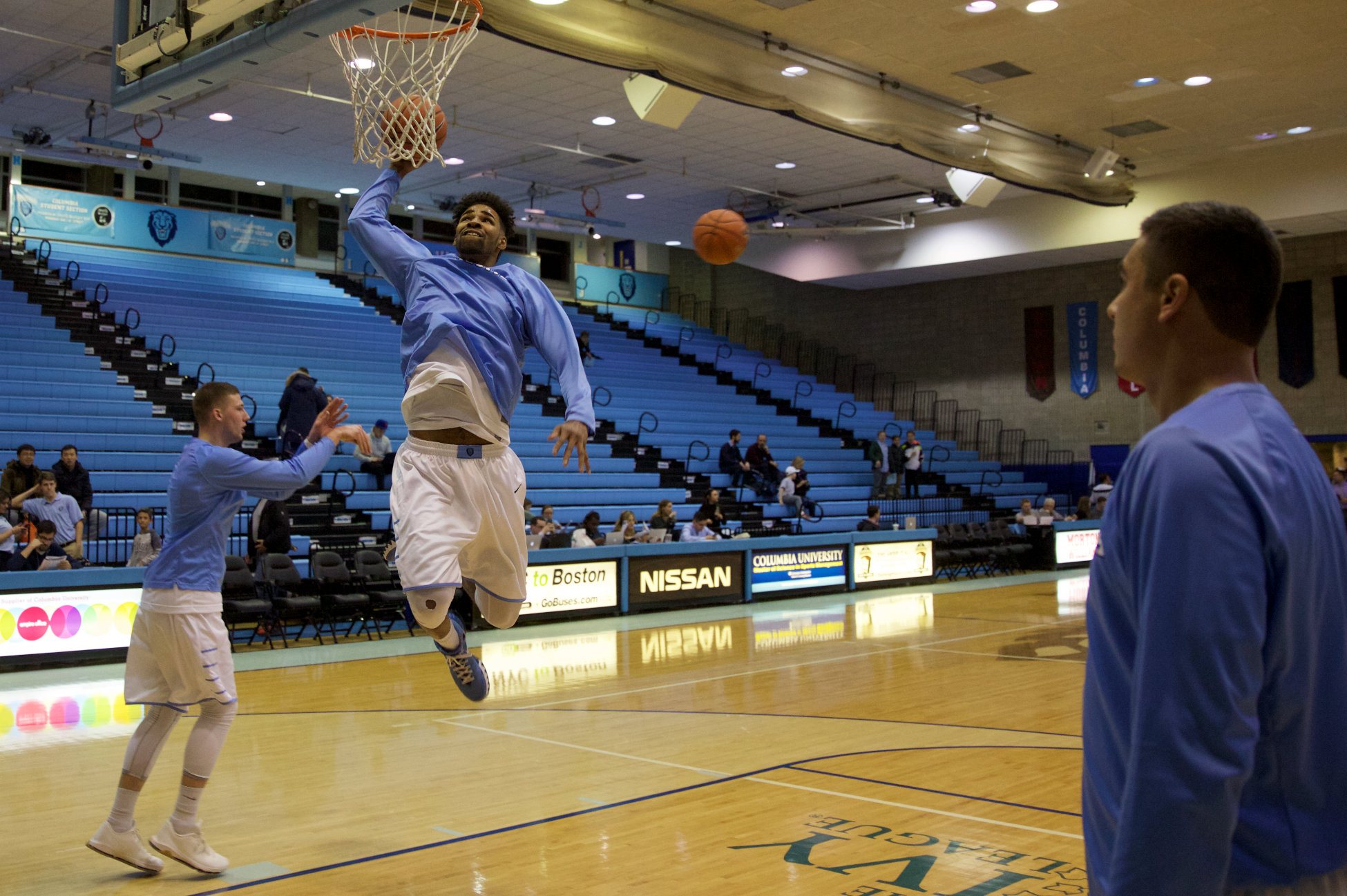
What each one is
Dynamic warm-up
Dynamic warm-ups use controlled movement through athletic ranges of motion. Think: skips, lunges, shuffles, leg swings, accelerations. The goal is to raise body temperature, increase blood flow, improve synovial fluid circulation in the joints, and turn on the movement patterns you will need in the game.
Static stretching
Static stretching is holding a position to lengthen a muscle, usually 20 to 60 seconds or more. Think: toe-touch holds, quad holds, long calf stretches against a wall. It can be valuable, just not as the main course right before you need to sprint, jump, cut, or throw.
Dynamic vs. static: timing, injury, performance
Timing
- Dynamic warm-up: Start about 10 to 20 minutes before competition and try to finish within 0 to 5 minutes of the opening whistle so you stay hot and sharp.
- Static stretching: Best after the warm-up (short holds) or after the game (longer holds), and also on training days to improve flexibility.
Injury prevention
No warm-up is a magic force field, but a well-designed neuromuscular warm-up can lower injury risk by improving movement quality and priming landing and cutting mechanics. The strongest real-world examples tend to be structured programs (like FIFA 11+) rather than random “do some dynamic stuff” routines. Static stretching can help address chronic tightness over time, but doing long holds right before a game does not reliably “injury-proof” you in the moment. You reduce risk more consistently by showing your body the speeds, stops, and angles you are about to hit.
Performance impact
Dynamic warm-ups tend to improve sprint speed, jump readiness, and overall sharpness because they prepare the nervous system for rapid force. Long static holds done immediately before competition may temporarily reduce strength, power, and explosiveness, especially if you hold stretches for 45 to 90 seconds and then go straight into maximal effort. The size of that effect varies by muscle group, total stretching volume, training status, and whether you re-warm with dynamic drills after. Translation: you might feel looser, but you can also feel a half-step slow.
Why long static stretching pregame can backfire
Static stretching is not “bad.” The issue is context.
- It can dampen peak output. Long holds can temporarily decrease muscle-tendon stiffness, which matters for sprinting, jumping, and fast direction changes.
- It can shift you into relaxed mode. Pregame is about getting alert and reactive. Holding deep stretches for a long time can do the opposite.
- It can mask readiness. Feeling loose is not the same as being prepared to decelerate, cut, land, and absorb contact.
If you love static stretching because it calms your nerves, keep it short and pair it with movement right after. A good rule: 10 to 20 seconds max for any pregame hold, then follow with dynamic work or light sport drills.
When static stretching helps
Static stretching earns its place in an athlete’s week, just usually not as the centerpiece right before the whistle.
- After practice or after games: When your body is already warm, longer holds can support flexibility work and help you downshift.
- Separate mobility sessions: Great for addressing chronic tight hips, calves, or shoulders, especially when combined with strengthening and done consistently.
- Between warm-up and kickoff (select cases): If an athlete feels “locked up,” a brief static stretch can help, but it should be followed immediately by dynamic movements that re-activate the muscle.
One more nuance: certain sports have positions where calm, controlled range is valuable (pitchers, goalkeepers, quarterbacks). Even then, the finishing touch should be sport-speed movement, not long holds.
The 10-minute pregame dynamic sequence
These routines are built on the same structure: raise temperature, open key joints, activate the engine, then hit sport-speed prep. If you only have 10 minutes, do this and you will step on the field feeling like your body is already in the game.
Quick note: Adjust for space, position, and injury history. If you are tight in one area, swap in one targeted mobility drill. And do not stretch into pain. Avoid ballistic stretching unless a qualified coach is teaching it.
Basketball (10 minutes)
- Jog and backpedal baseline to baseline (2 minutes total, easy pace)
- Lunge-to-rotation (4 reps per side)
- Leg swings front-to-back and side-to-side (10 each direction per leg)
- Lateral shuffle down and back (2 trips, stay low)
- Walking lunges with overhead reach (10 steps total)
- Pogo hops (20 seconds) then 2 quick accelerations to half court (build to 80 to 90%)
Soccer (10 minutes)
- Easy jog plus gentle changes of direction (2 minutes)
- High knees (20 yards) and butt kicks (20 yards)
- Open the gate, close the gate (10 each side)
- Inchworms (5 reps)
- Lateral shuffle (2 x 20 yards) into carioca (2 x 20 yards)
- 3 build-up runs (50% to 70% to 90%) with a controlled stop and turn at the end
Football (10 minutes)
- Jog (90 seconds) then backpedal (30 seconds)
- Hip flexor lunge with reach (4 reps per side)
- Hamstring sweeps (8 reps per side)
- Glute bridge (10 reps) then side plank (15 seconds per side)
- A-skips (2 x 15 yards) and lateral bounds (8 per side)
- 2 accelerations (10 to 20 yards) plus 1 hard decel into a controlled stop
Baseball or softball (10 minutes)
- Light jog (2 minutes)
- Arm circles small-to-large (10 forward, 10 backward)
- Shoulder external rotation with light band (10 reps per arm)
- Thoracic rotations (6 per side)
- Leg swings (10 each direction per leg)
- 3 short sprints (10 to 20 yards) then progressive throwing or swings for the remaining time
Track sprinting (10 minutes)
Compressed version: This assumes you already did a general warm-up (easy run, skip series, or drill build-up). Use this as the quick “last 10” before strides.
- Easy jog (2 minutes)
- Dynamic calf rocks (10 per side) and ankle circles (10 per side)
- Walking lunges (10 steps)
- A-skips (2 x 20 meters) and straight-leg bounds (1 x 20 meters)
- 2 to 4 strides of 60 to 80 meters building to 90 to 95%
Volleyball (10 minutes)
- Easy jog with arm swings (2 minutes)
- Scap push-ups (8 reps) and band pull-aparts (10 reps)
- Leg swings (10 each direction per leg)
- Lateral shuffle (2 trips) plus quick drop steps (6 each side)
- Squat to calf raise (8 reps)
- 3 approach jumps at 60 to 90% effort, focusing on landing mechanics
Quick rules athletes remember
- Pregame: move first, stretch later.
- If you do static stretching pregame: keep holds short (10 to 20 seconds) and follow with dynamic movement.
- Finish like you play: end your warm-up with accelerations, jumps, cuts, throws, or swings that match your sport.
- Warm-up is individual: the same team can run the same routine, but each athlete should add 1 to 2 movements that address their personal tight spots.
A simple game-day blueprint
If you want a no-drama routine that works across sports, use this order:
- 2 minutes easy movement to raise temperature
- 4 minutes dynamic mobility for hips, ankles, T-spine, shoulders
- 2 minutes activation and stability (glutes, core, shoulder blades)
- 2 minutes sport-specific speed prep (build-ups, jumps, cuts, throws)
That is 10 minutes. It is also the difference between starting the game feeling like a rusty machine and starting it feeling like your body already knows the script.
If you want the short verdict: dynamic warm-up before games, static stretching after games, with the small exception that a brief pregame stretch is fine if you re-warm with movement right after. Do that consistently and you will play sharper, feel better, and spend less time wondering why your first few minutes always feel like you are running in sand.
Special cases: If you have hypermobility, an acute strain, or you are returning from injury, follow your athletic trainer or physical therapist’s plan. The goal is readiness, not just “feeling loose.”