
If you’ve spent any time in sports media the past few years, you know the uncomfortable truth: the game isn’t just changing on the field. The whole ecosystem around it is getting rewired in real time. This week, that reality showed up in a familiar place: ESPN, where another round of cuts has people asking the same blunt question they ask every time a recognizable name disappears from a set. What, exactly, is the network choosing to be now?
Here’s the clear part. ESPN cut ties with NFL analyst Ryan Clark. And wider layoffs were expected Tuesday. Those two points set the tone for everything else: this is not a single-show adjustment. It is part of a broader reshaping viewers can feel.
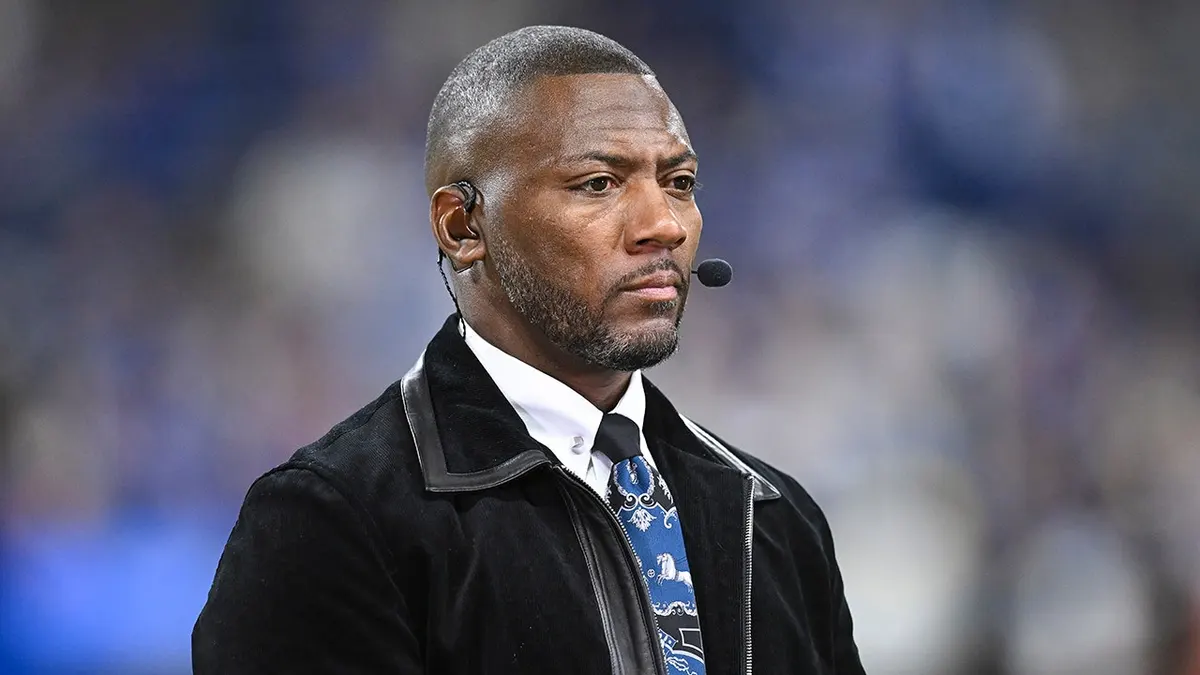
What happened
- ESPN cut ties with NFL analyst Ryan Clark.
- Wider layoffs were expected Tuesday.
- In the latest round of ESPN cuts, Karl Ravech and Tom Pelissero were among the names connected to layoffs.
Why it matters
Sports fans rarely experience corporate budgeting as a spreadsheet story. They experience it as a voice missing from their routine. When the names are familiar, the message lands instantly: ESPN is still trimming, and it is willing to make choices that are visible on air.
The ripple effects are not hard to anticipate. Fewer personalities usually means fewer distinct lanes of coverage. The programming becomes more dependent on a smaller core of formats, a smaller rotation of faces, and a faster pace of repeatable segments.
Why Clark stands out
Ryan Clark is not a background name. He is the kind of former player who brought instant credibility to NFL conversations, and he did it without needing to turn every segment into a volume contest.
That is why his exit feels bigger than a normal talent shuffle. If a proven on-air presence is movable, it raises an unavoidable question about the next version of ESPN: what roles are being protected, and what roles are being treated as optional?

Timing
The timing note is simple and important: expected Tuesday is a forecast, not a final accounting. That means the conversation around scope can run ahead of the actual list of moves. The clean takeaway for viewers is that the tightening is ongoing, and the week was set up for more news.
The bigger pattern
This sits inside the same industry gravity that has been pulling for years: sports media is under pressure to do more with less. Rights keep getting more expensive, audiences keep fragmenting, and every network has to decide what is essential versus what is nice to have.
When cuts hit on-air talent, it also changes the feel of coverage. The analysis may still be there, but the texture shifts. Chemistry changes, perspective changes, and the audience starts scanning for what the network values most: reporting, debate, personality, or sheer volume.
FAQ
Did ESPN cut ties with Ryan Clark?
Yes. ESPN cut ties with NFL analyst Ryan Clark.
Were more layoffs expected?
Yes. Wider layoffs were expected Tuesday.
Were other on-air names connected to layoffs?
Yes. Karl Ravech and Tom Pelissero were among the names connected to ESPN layoffs in the latest round of cuts.
The bottom line
ESPN cutting ties with Ryan Clark, with wider layoffs expected Tuesday, and with Karl Ravech and Tom Pelissero among the names connected to layoffs, is another reminder of how quickly the ground can move under sports television.
The part worth watching is what comes next: what ESPN replaces, what it consolidates, and how the network’s on-air identity changes when the roster changes.