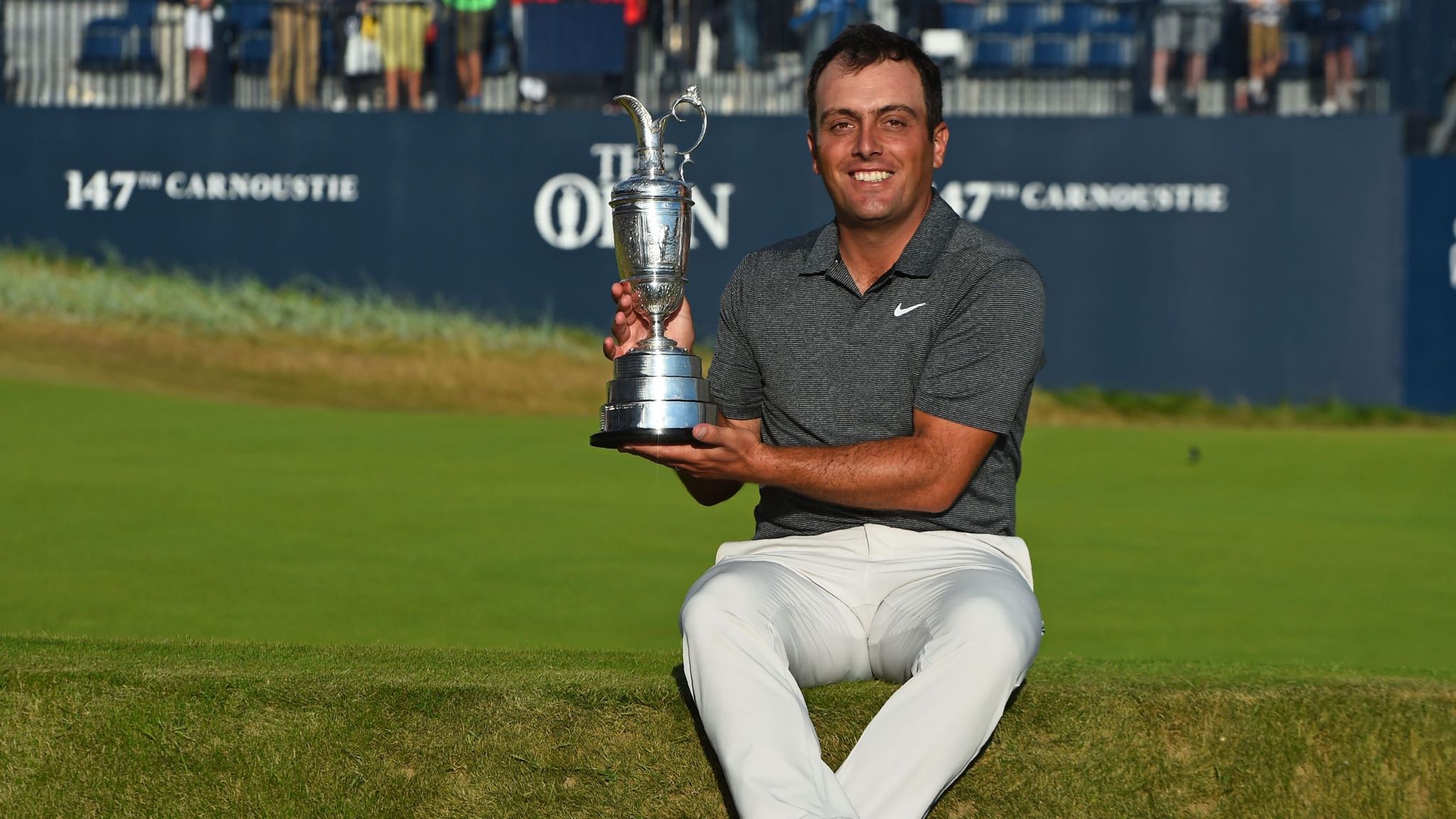
Golf has a funny way of reintroducing people. One week you are a trivia answer, the next you are a tee time everyone wants to find. That is Francesco Molinari this weekend at Royal Birkdale, eight years removed from lifting the Claret Jug at Carnoustie in 2018, and suddenly right back in the thick of it on moving day at The Open.
And if you are wondering why his name is popping up everywhere, the explanation is refreshingly simple. It is not a scandal. It is not a viral clip. It is the oldest story in sports: a 43-year-old former champion grinding his way back to relevance and staring down a chance to do something that would change how his whole career is remembered.
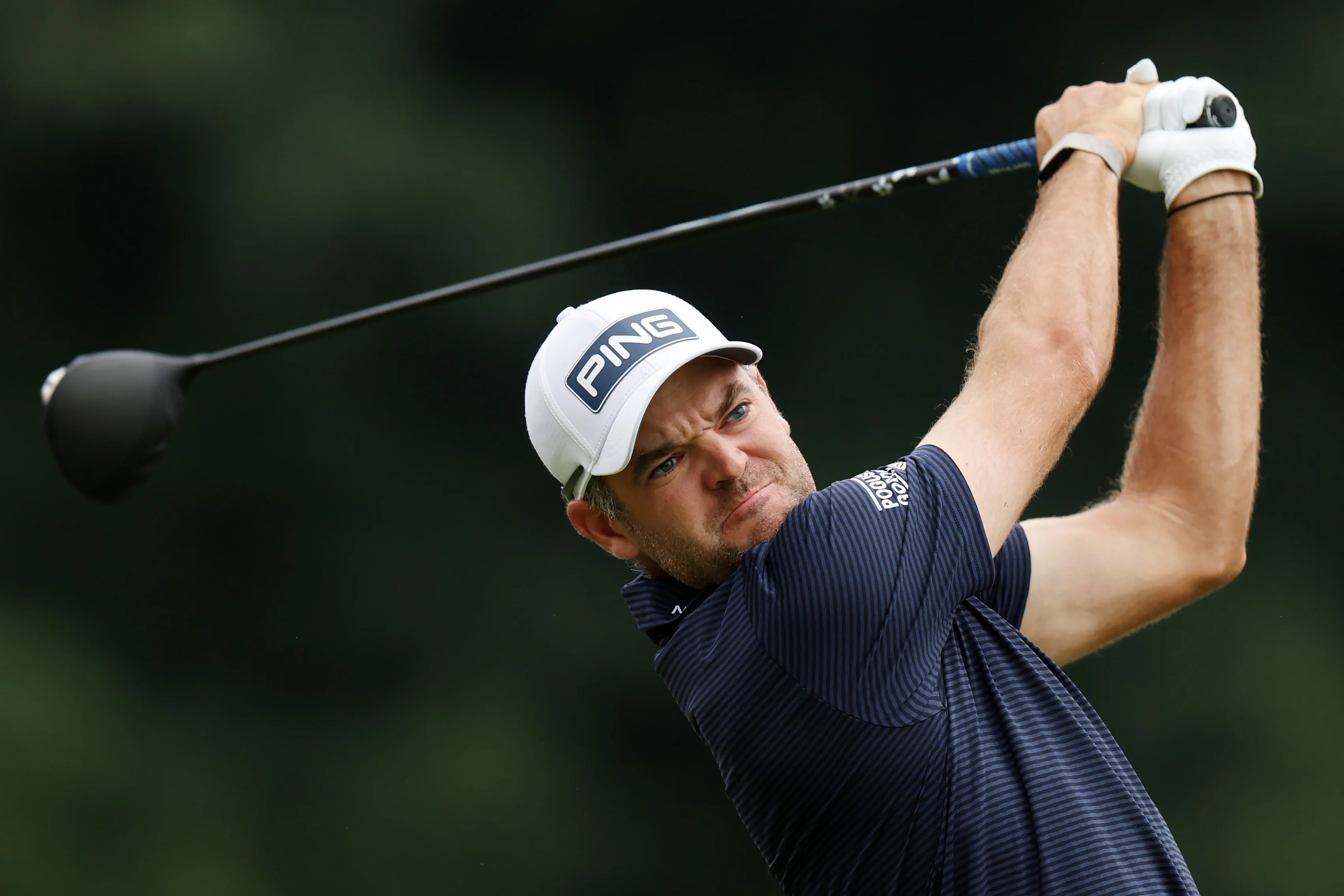
Who Francesco Molinari is, in one swing
Molinari is not the loudest star in golf, and he has never needed to be. His superpower has always been control: controlled tempo, controlled ball flight, controlled emotions. That is why his 2018 Open win at Carnoustie hit so hard. He became the first Italian to win a men’s major, and he did it by playing the final round like the pressure was happening to someone else.
That Sunday at Carnoustie is still the cleanest snapshot of Molinari’s identity as a competitor. He did not win by hoping. He won by executing. He held off Tiger Woods, Rory McIlroy, Justin Rose, and a field stacked with legends and future Hall of Famers. If you want the quick version of “why should I care,” start there.
The lost years after 2018: why this feels like a real return
Most major champions get a long runway of benefit-of-the-doubt. Molinari’s post-2018 stretch did not really grant him that luxury. The results cooled. The momentum that usually follows a major win never quite turned into a second act. Injuries and the wear that comes with elite-level repetition can pull a golfer out of his preferred shapes and feels, and once that happens the margins get brutal fast.
For casual fans, that drop-off can look like a player simply disappearing. For anyone who has been around locker rooms, it usually looks like something else: a body that does not cooperate the way it used to, a golf swing that has to be managed instead of unleashed, and a career that becomes less about chasing trophies and more about earning the right to be in the conversation again.
That is what makes 2026 at Birkdale feel different. This is not nostalgia. This is not a ceremonial cameo on a big leaderboard. This is Molinari playing a course that demands patience and precision, and actually having the tools to answer the questions it asks.
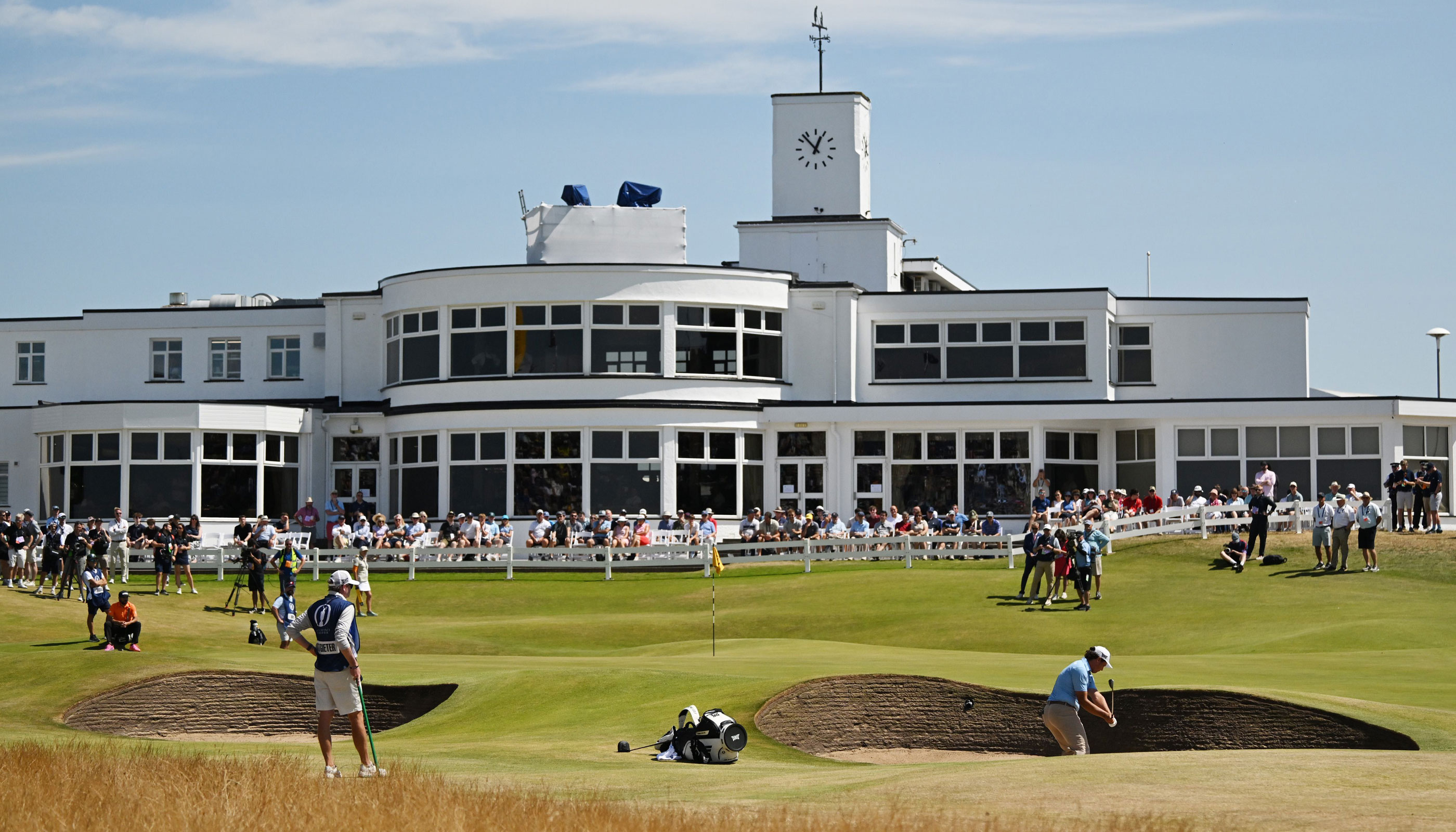
Why Royal Birkdale is the perfect stage for Molinari’s style
Royal Birkdale does not reward panic. It rewards decisions. The wind can turn good swings into defensive swings, and defensive swings into “please just find sand” swings. You do not win here by chasing every flag. You win here by understanding when par is a small victory and when a tucked pin is a trap.
Molinari’s game has always been built for that kind of test. His best golf is not about highlight-reel recovery shots. It is about never needing the recovery shot in the first place. Birkdale is a stern links course, and stern links courses tend to respect players who can keep their ball flight under control and their head in the same place from the first tee to the last green.
What’s actually changed: the quiet mechanics of a comeback
Comebacks in golf rarely come from one magic fix. They come from a stack of small choices that add up: how you practice, how you travel, how you manage your body, and how you build a bag that matches the golf you are trying to play.
This week, some of the curiosity around Molinari has shifted from “Wait, he’s here?” to “What is he doing differently?” That is why the equipment chatter matters more than usual. Fans do not just want a list of clubs. They want clues.
Equipment curiosity is really about intent
When a veteran pops up on a major leaderboard, the “what’s in the bag” conversation is never just gearhead noise. It is a way of asking: is he building a setup for links golf, for control, for wind, for fairways and greens instead of hero shots? The answer, in Molinari’s case, points back to his identity. The tools are there to support a disciplined plan, not to chase fireworks.
Moving day stakes: what to watch in Round 3
Saturday at The Open is where the tournament finally tells the truth. The early leaderboard is a draft. Moving day is the edit. By the end of Round 3, you usually know who has the temperament to keep walking into the wind without flinching.
If Molinari is going to make this more than a feel-good weekend, a few things matter more than the raw score:
- His first six holes. Links golf can feel unfair early. Veterans survive by staying emotionally flat until the course settles.
- How he plays from the fairway bunkers and rough. Birkdale punishes missed spots, and it punishes indecision even more.
- Distance control in the wind. The difference between a 25-foot look and a nervy up-and-down is often one gust.
- His response to the one bad break. Everyone gets one. Champions do not let it become two.
For readers hunting the practical details, the Round 3 schedule and pairings are the other piece of the puzzle. Who he’s grouped with and when he tees off helps you understand the wind window he’s facing and how much scoreboard pressure will be built into his round.
Legacy angle: what a second Claret Jug would mean
There is a difference between being a major champion and being a major champion who did it twice. The first title can define a peak. The second one defines a career.
For Molinari, a second Open would land with extra weight because of the arc in between. Winning in 2018 already made history for Italy. Winning again in 2026, at 43, after the sport has tried to move on, would stamp him as something rarer: a player who can disappear into the middle of the pack for years and still re-emerge when the stage is biggest and the course is toughest.
Molinari has framed this week as a genuine chance to chase another Claret Jug, not a ceremonial lap. That matters. Golf is full of former stars who show up hoping to “hang around.” The contenders show up believing they can take the thing home.
Quick FAQ for anyone catching up mid-tournament
How old is Francesco Molinari?
He is 43 during The Open in July 2026.
When did Molinari win The Open?
He won in 2018 at Carnoustie, becoming the first Italian to win a men’s major.
Is he actually in contention at Royal Birkdale?
Yes. He has put himself in legitimate weekend position entering Round 3, which is why his name is suddenly part of the main Claret Jug conversation.
Why does his game fit links golf?
Because he tends to play controlled, patient golf. Links tests reward players who manage wind, accept tough pars, and avoid turning one mistake into three.
The human part
I have always believed the hardest thing in sports is not getting good. It is staying good when your body changes, the next wave comes, and your confidence takes hits you never had to absorb in your twenties.
That is why Molinari at Birkdale is compelling even if you have not followed him closely since 2018. This is what reinvention looks like in a sport that keeps every score and offers nowhere to hide. The weekend is still unwritten, but the story is already worth your time: a champion, older and wiser, stepping back into the wind with a chance to make history twice.