
The NHL playoffs can look confusing at first glance, especially if you grew up on the clean 1 vs. 8 brackets in other sports. Hockey does it a little differently. And once you understand the logic, it actually makes for some nasty, rivalry-heavy matchups right out of the gate.
Here is the beginner-friendly breakdown: 16 teams make it, the bracket is built around divisions plus two wild cards per conference, each series is best-of-seven, and home ice is decided by regular-season points (with standard NHL tiebreakers if teams finish tied).
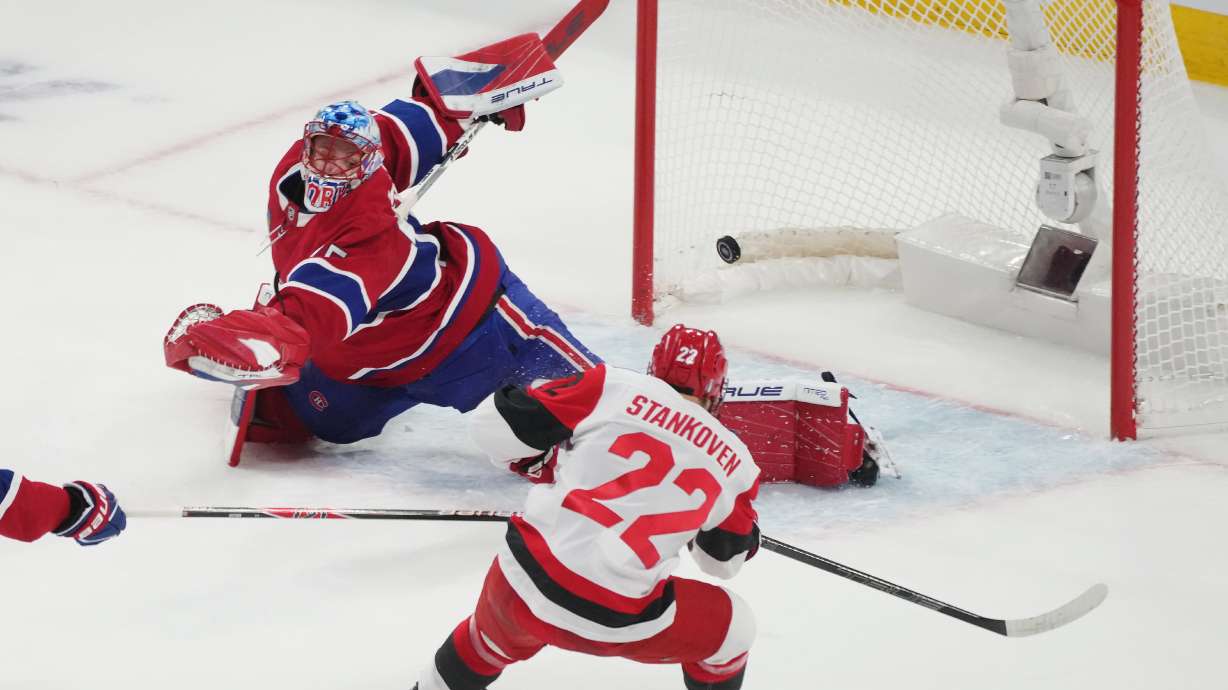
How 16 teams qualify for the NHL playoffs
The NHL has 32 teams split into two conferences:
- Eastern Conference
- Western Conference
Each conference has two divisions, and each division has eight teams.
When the regular season ends, eight teams from each conference qualify for the playoffs, for a total of 16 teams.
How points work
The standings are built on points: 2 points for a win, 1 point for an overtime or shootout loss, and 0 points for a regulation loss.
The basic rule
In each conference:
- The top three teams in each division qualify automatically. That is 6 teams.
- The next two best teams in the conference by points qualify as wild cards. That brings it to 8 teams.
So you get: (3 per division x 2 divisions) + 2 wild cards = 8 playoff teams per conference.
Division seeding and the two wild cards
This is the part that trips up new fans: the NHL bracket is built to emphasize division matchups in the first two rounds.
Once the playoff teams are set, teams are labeled like this within each division:
- Division winner (1st place in the division)
- Second place (2nd in the division)
- Third place (3rd in the division)
Then the two wild cards in the conference are ranked:
- Wild Card 1: the wild card team with the most points
- Wild Card 2: the wild card team with the next most points
Where the wild cards go
The wild cards do not get permanently assigned to a specific division based on geography. Instead, they get placed into matchups using this rule:
- The conference team with the most points among the two division winners plays the lower-seeded wild card (Wild Card 2).
- The other division winner plays Wild Card 1.
This is the NHL’s way of rewarding the better division winner with, in theory, the easier wild card opponent.
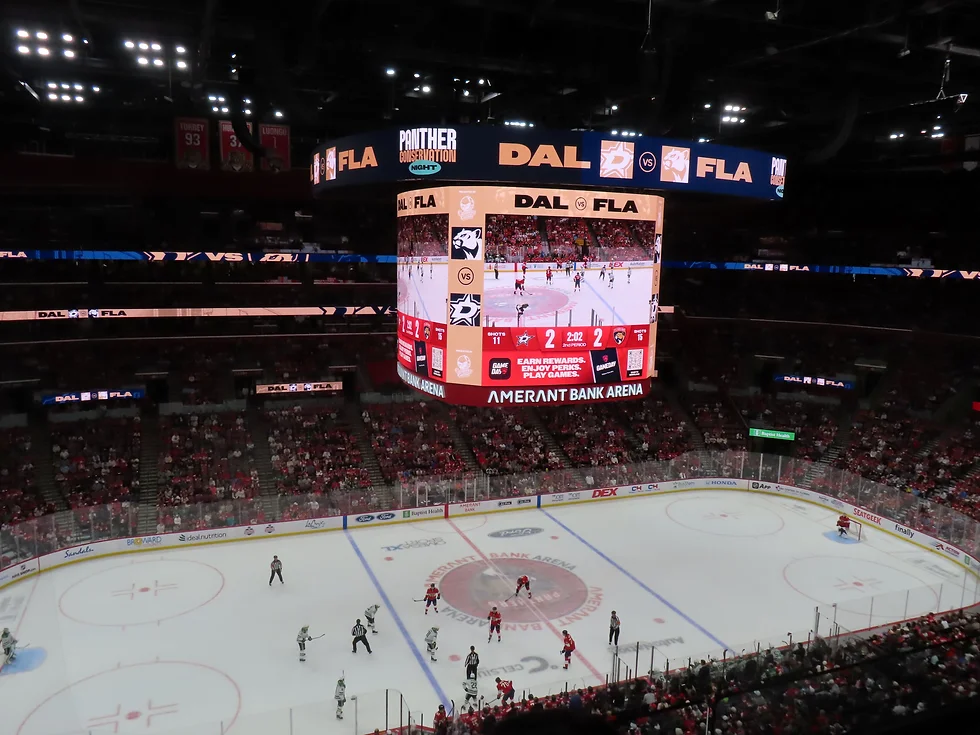
A simple first-round bracket walkthrough
Let’s walk it through without getting buried in team names. For simplicity, I will call them Division A and Division B. In real life, those are the familiar pairs like Atlantic and Metro in the East, and Central and Pacific in the West.
In each conference, you have two separate division brackets that start like this:
Matchups in Division A
- Division A 1st vs Wild Card (either WC1 or WC2 depending on points among division winners)
- Division A 2nd vs Division A 3rd
Matchups in Division B
- Division B 1st vs the other Wild Card
- Division B 2nd vs Division B 3rd
That is why you see so many familiar rivals immediately. The 2 vs. 3 matchup in particular tends to be a bad-blood factory.
Then it stays divisional for one more round:
- The two first-round winners from Division A play each other in Round 2.
- The two first-round winners from Division B play each other in Round 2.
How each playoff round works (best-of-seven)
The NHL playoffs have four rounds total, and every series is best-of-seven. First team to win four games advances.
- First Round (division-based matchups)
- Second Round (often referred to as the Division Finals)
- Conference Finals (winners of the two divisions in each conference)
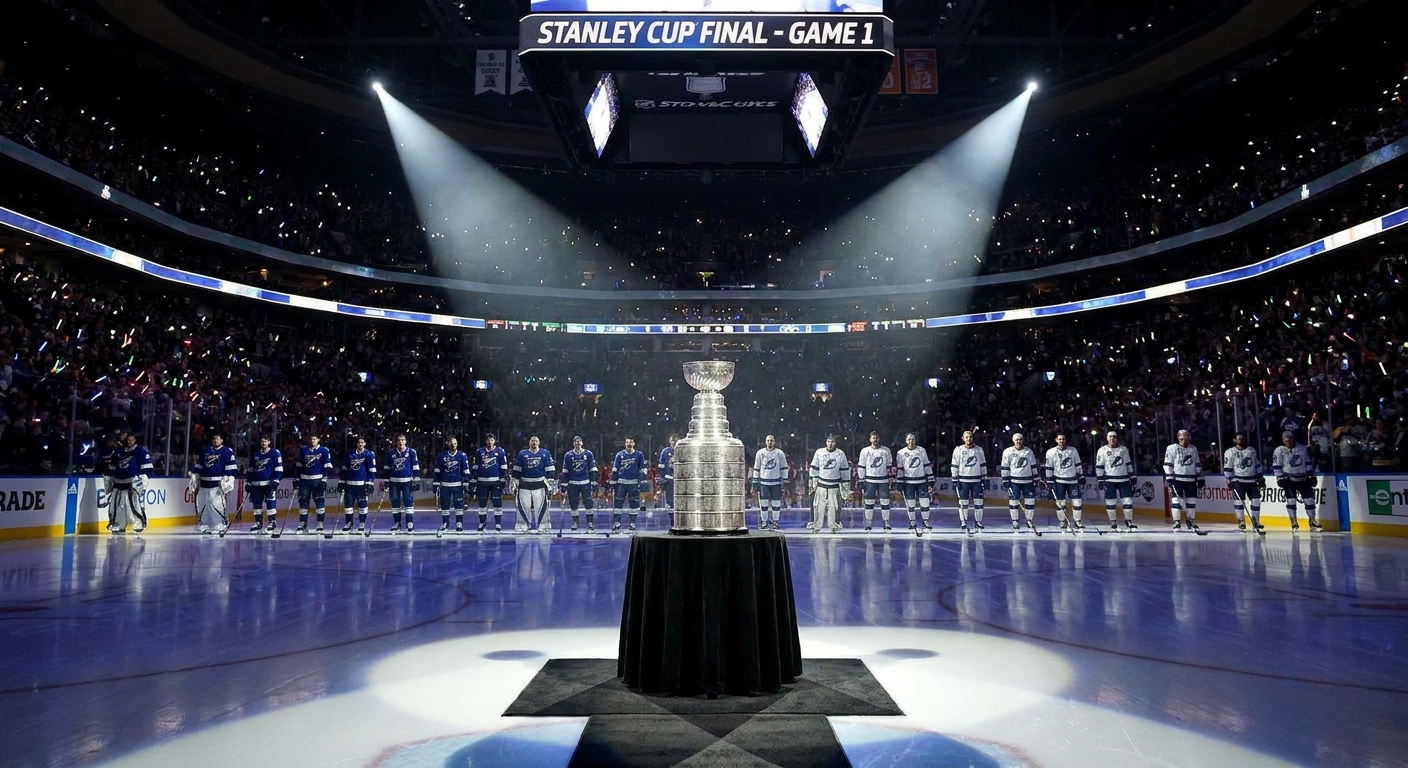
- Stanley Cup Final (East champion vs West champion)
If you are a bracket person, this is the clean way to picture it: each conference produces one champion through three rounds, then those two teams meet for the Cup.
Also important if you are coming from NBA style brackets: there is no clean 1 through 8 conference seeding bracket here, and there is no reseeding. Once the matchups are set, the paths are basically locked in through the first two rounds because everything is built around the division bracket.
How home ice advantage is determined
Home ice in the NHL is earned through regular-season points.
Within a series
The team with the better regular-season record (more points) gets:
- More home games in that series
- The series format is typically 2-2-1-1-1 (two home, two away, then alternating)
So if your team “has home ice,” it means they host Games 1, 2, 5, and 7 (if needed).
If points are tied
If teams finish with the same number of points, the NHL uses its standard tiebreakers to decide who ranks higher and gets home ice (things like regulation wins, then regulation plus overtime wins, and so on).
It is not based on seed number alone
Here is a common misconception: that a division seed always guarantees home ice. In reality, it is about points.
- A 2nd-place team in a division can have more points than a 1st-place team in the other division.
- A wild card team can even have more points than a third-place team in the other division and still be a wild card because of how division slots work.
As the playoffs continue
Home ice for later rounds is also based on regular-season points among the teams still alive. Once you reach the Conference Finals and Stanley Cup Final, divisions are no longer the organizing principle. It is simply: who had the better regular season?
What happens after Round 2?
After the first two rounds, you have one winner from each division. Those two teams meet in the Conference Finals:
- Eastern Conference Final: winner of the Atlantic side vs winner of the Metro side
- Western Conference Final: winner of the Central side vs winner of the Pacific side
Win your conference, and you punch your ticket to the Stanley Cup Final, a best-of-seven series for the championship.
Quick example: one conference from start to finish
If you want the “tell it to me like I am watching the standings page” version, here it is.
Step-by-step
- Take the top three teams from Division A.
- Take the top three teams from Division B.
- Now look at the remaining teams in the conference and grab the next two highest in points. Those are your wild cards.
- The division winner with more points plays Wild Card 2.
- The other division winner plays Wild Card 1.
- Also, in each division: 2nd plays 3rd.
- Round 2 stays inside the division. The two winners in Division A play each other, same for Division B.
- Then the division champions meet in the Conference Final.
- Conference champions meet in the Stanley Cup Final.
FAQ: NHL playoff format basics
Do all divisions get the same number of playoff teams?
Not always. Each division is guaranteed three teams. The wild cards can come from either division, so one division could end up sending five teams while the other sends three.
Are wild cards always the 7 and 8 seeds?
Think of them that way, but the NHL does not present it as a simple 1 through 8 bracket. Wild cards are the two extra teams in the conference after the top three in each division.
Is the NHL bracket re-seeded after each round?
No. Once the matchups are set, the path is basically locked in through the first two rounds because everything is built around the division bracket.
What does “clinched a playoff spot” mean?
It means a team has mathematically guaranteed they will finish in one of those top-three division spots or in a wild card position, regardless of what happens in the remaining regular-season games.
The takeaway
The NHL playoff format is built for intensity: divisions matter, wild cards add drama, and series are long enough that the best team usually has to prove it more than once.
If you remember just one sentence, make it this: Top three in each division qualify, plus two wild cards per conference, and everything is best-of-seven with home ice determined by points.