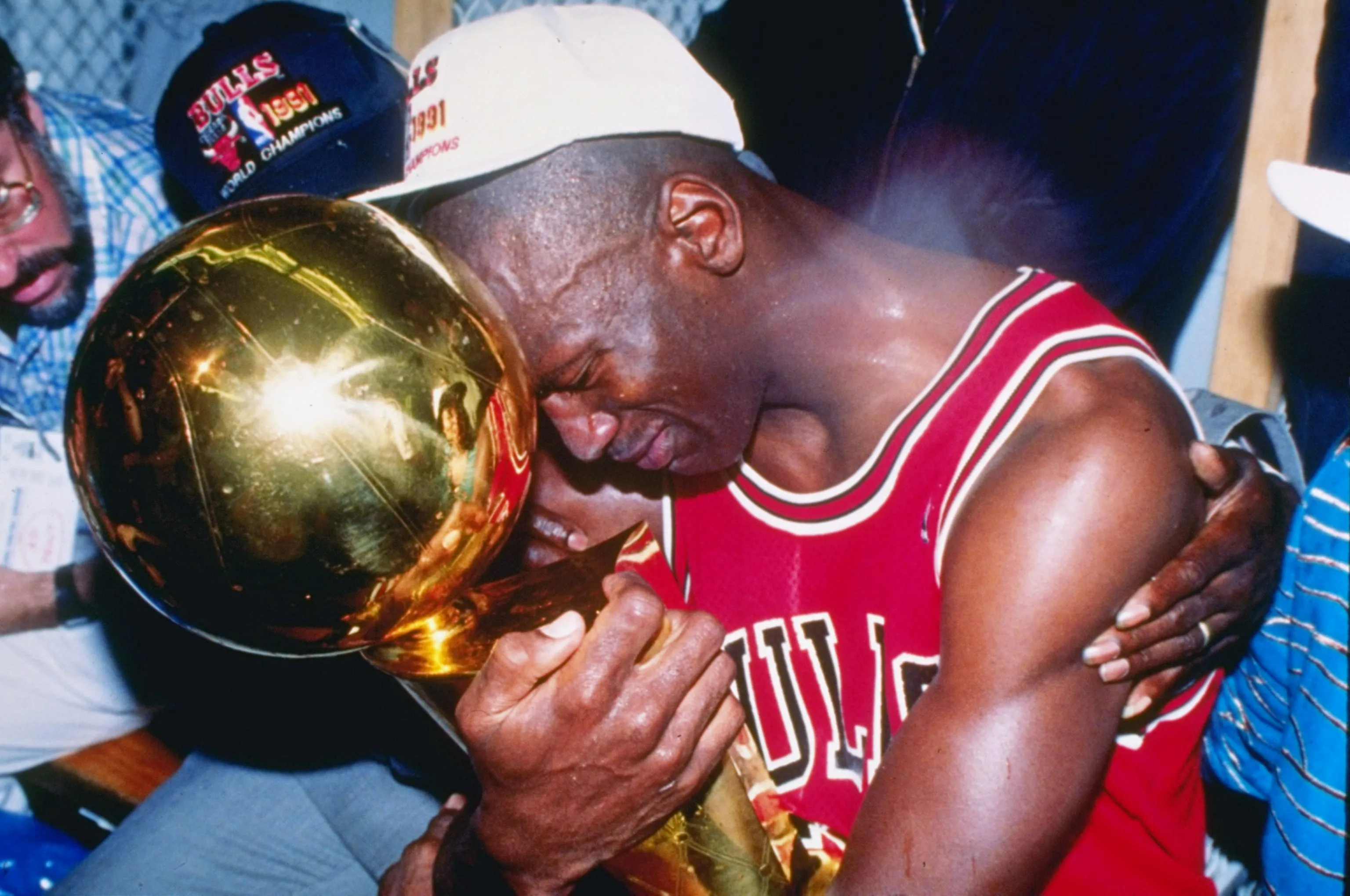
Every GOAT debate eventually turns into a greatest-hits playlist. Six rings. Ten Finals. The shrug. The chasedown. The flu game. The 3-1 comeback.
I love all of that. It is why we watch. But if we are going to do the “definitively settle it” thing, we at least owe the argument a smarter scorecard than points-per-game and vibes.
So here it is, from one hoops lifer to another: the advanced stats that actually matter when you are comparing Michael Jordan and LeBron James. Not every metric. Not the ones that are basically math cosplay. The ones that try, honestly, to answer one question: How much did this guy move the needle toward winning, and for how long?
Quick note on numbers: I reference representative stats and peaks below, and if you want to double-check, Basketball-Reference is the cleanest public source for BPM, VORP, and TS% era-to-era. Exact values can vary by version and update, but the shape of the argument does not.
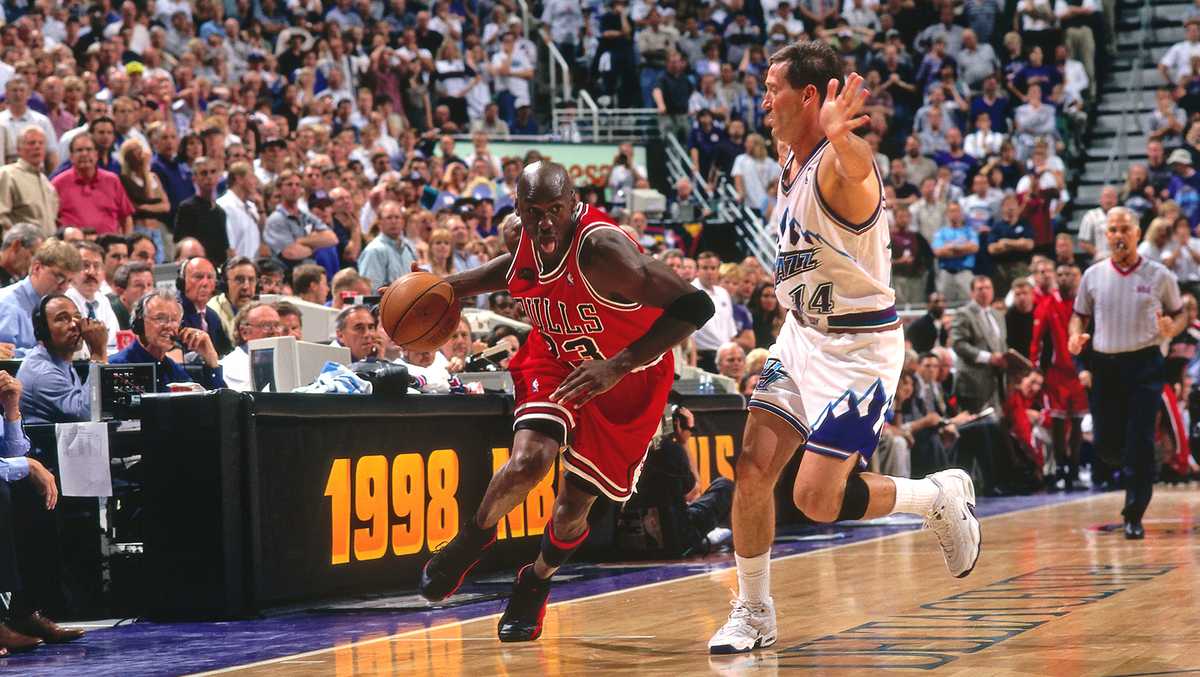
Ground rules
Advanced stats are not verdicts. They are lenses. And different lenses distort different things.
- Box-score models (PER, BPM, Win Shares) lean heavily on what shows up in traditional stats.
- Plus-minus models (on-off, RAPM-style approaches) try to capture what happens to a team’s scoring margin when a player is on the floor, adjusting for teammates and opponents.
- Hybrid models (EPM, DARKO, LEBRON) blend box data, tracking, and plus-minus ideas to estimate real impact.
Jordan’s prime and entire career happened before optical tracking and the tracking-driven public models we now treat like gospel. LeBron’s career spans multiple stat eras. That means the cleanest way to do this is to focus on metrics that (1) exist for both players or (2) can be responsibly compared across eras, with caveats.
What matters most
If I am building a “GOAT scoreboard,” it has five categories.
- Peak impact: How terrifying were you at your absolute best?
- Playoff translation: Did your value hold or rise when the game got more physical and game-planned?
- Two-way dominance: Could you bend a series on both ends?
- Portability: Could your game scale with different teammates and systems?
- Longevity: How long did you stay in the conversation as a top-tier engine?
Now let’s match metrics to those ideas.
1) Playoff BPM
What it is: BPM estimates a player’s per-100-possession impact relative to league average using box-score inputs, with a version for playoffs. It is not perfect and it is not “clean” across eras in the way people pretend, but it is one of the more accessible cross-era impact estimates we have for both regular season and postseason.
Important caveat: playoff BPM is noisier because playoff samples are smaller and opponent quality is higher. That is not a reason to ignore it. It is a reason to avoid overconfident single-run conclusions.
Jordan’s case
Jordan’s best playoff years look like a cheat code. His scoring efficiency held while volume spiked, and he paired that with elite guard defense and a low mistake profile for his usage.
On Basketball-Reference, Jordan’s top playoff BPM seasons rate among the very best on record, the kind of seasons where you are not arguing “best player on a title team,” you are arguing “best player on the planet and it is not close.”
LeBron’s case
LeBron’s playoff BPM portfolio is basically a decade-long case study in doing everything: primary scoring, primary creation, rebounding, and quarterbacking team defense as the backline communicator when he had to. The peak is right there, and the duration of elite playoff impact is where his resume starts to separate from every human who has ever played.
How to read it: If you are a peak truther, playoff BPM often feels like Jordan’s home court. If you value “elite for a geological age,” LeBron’s sustained postseason dominance is tough to touch.
2) VORP
What it is: VORP is built from BPM and minutes, which makes it a blunt instrument, but a useful one for “How much top-end basketball did this guy give us?”
This is where the GOAT debate turns into a philosophical argument more than a statistical one.
- Jordan: An absurd concentration of value in fewer seasons. The prime is dense, like a supernova.
- LeBron: A mountain range of value. More elite seasons, more elite minutes, more years as the offense and the system.
What it tells me: LeBron’s longevity case is not sentimental. The numbers back it up. Jordan’s counter is that per-minute and per-season dominance is the point, and replacement-level framing can underrate “best player alive” separation because it multiplies by minutes and can flatten how far ahead the top guy really was.
3) On-off and APM ideas
What it is: On-off looks at team net rating with a player on the court versus off. Adjusted plus-minus (and its modern cousins) tries to strip out teammate and opponent effects.
Here is the problem: we do not have consistent, complete possession-level plus-minus and play-by-play coverage for Jordan’s era that allows a clean, apples-to-apples APM or RAPM comparison across his whole prime. Some play-by-play exists for parts of the late 90s, but it is not comprehensive enough to treat like a fair head-to-head dataset.
But conceptually, this category still matters because it asks the most honest basketball question I know: Did your presence reshape the game?
What you can say responsibly
- LeBron has years where his teams’ entire offensive identity is built around his passing gravity and rim pressure. Modern impact models often rate him extremely highly for that ecosystem effect, especially in his best seasons (think of the families of models like EPM, LEBRON, and DARKO).
- Jordan played in a system that, at its best, created a machine. That can distribute credit in ways that box models capture and plus-minus models sometimes smear across a great roster, especially when rotations and bench units were built differently than today.
How I score it: Slight edge to LeBron on evidence quality because we can measure his era better. But I refuse to treat missing data like missing greatness. Jordan’s Bulls were not a myth. They were a problem.
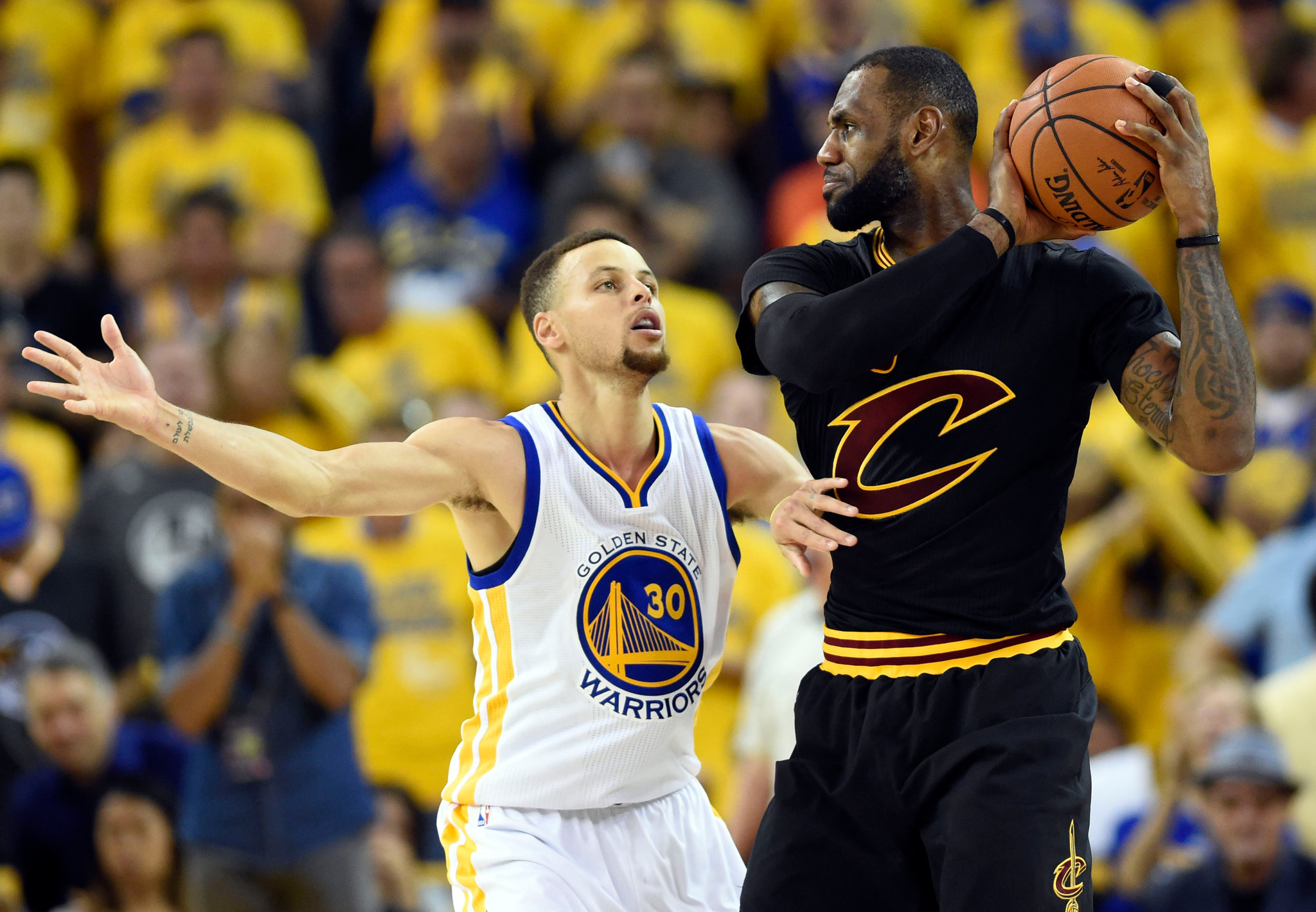
4) TS% and shot profile
What it is: True Shooting Percentage (TS%) captures scoring efficiency including free throws and threes. It is not an impact stat by itself, but it is one of the cleanest ways to compare “How efficiently did you turn possessions into points?” across eras, as long as you remember the context.
Context you cannot ignore
Pace, spacing, and rules matter. Jordan lived through hand-checking, more midrange volume league-wide, and defensive rules like illegal defense that changed how help could show. LeBron has played in the spacing era where three-point volume explodes, paint attacks generate kickout math, and defenses are allowed to load up in different ways. TS% travels, but the roads are not identical.
Jordan’s efficiency, properly framed
Jordan lived in the midrange and still remained efficient because he was Jordan. He got to the line, he finished through contact, and he took the kinds of shots defenses were willing to concede while still punishing them for conceding them. In an era with less spacing and more bodies waiting at the rim, that matters.
LeBron’s efficiency, properly framed
LeBron’s best offensive seasons are a geometry lesson. Rim pressure plus passing equals open threes and layups. Even when his jumper comes and goes, his shot diet tends to live where points are cheapest. That is not a moral victory. It is an efficiency machine.
What actually matters here: It is not “who has the prettier TS%.” It is whether the player’s efficiency holds at superstar volume and whether their approach creates efficient shots for everyone else. That last part is where LeBron’s passing gravity becomes its own kind of efficiency stat.
5) Playmaking value
Assist totals are the most misunderstood “advanced” stat we still use like gospel. They miss hockey assists, they miss advantage creation, and they miss the way a defense panics when a freight train has a live dribble.
So instead of chasing one number, I look for three signals:
- Usage plus efficiency: Can you be the engine without tanking the offense?
- Turnover context: What is the cost of all that creation?
- Team offense lift: Do your lineups consistently produce top-tier offenses?
Jordan: A very good passer who became a great one when a series demanded it. His scoring threat created clean reads, and his decision-making matured in the title years.
LeBron: A primary creator in the way only a handful of players ever have been. He is not just making passes. He is choosing which defenders have to be wrong.
Edge: LeBron. Not because Jordan could not pass, but because LeBron’s passing is foundational to his value, season after season, across teammates, across coaches, across roster builds.
6) Defense
If you grew up on highlight blocks and steals leaders, you probably overrate them. If you only trust modern defensive impact models, you probably underrate what elite point-of-attack pressure used to do in slower, more physical games.
Jordan on defense
Jordan’s best defensive seasons were nuclear for a guard: disruptive hands, elite anticipation, and the motor to hound your best creator while still carrying the scoring load. The hardware backs it up, but more importantly the tape does too.
LeBron on defense
LeBron’s defensive peak is a different flavor: a free safety who could erase mistakes, switch across positions, and end possessions with rebounds. In his best years, he could guard your best wing, blow up your pet actions, then start the break like a quarterback who also happens to be the tight end.
How I call it: Peak defensive intensity, I lean Jordan. Defensive versatility across roles and lineups, I lean LeBron. Overall, it is closer than internet debates pretend.
Numbers you can anchor to
If you want a quick set of “touch the rail” reference points, here are a few widely cited ones that ground the discussion. (All are available on Basketball-Reference.)
- Playoff BPM peak: Jordan and LeBron both have postseason peaks in the inner-circle, all-time tier. Jordan’s very best playoff seasons tend to be right at the top; LeBron’s include comparable peaks plus more seasons clustered near that level.
- Career VORP: LeBron is the all-time volume case. Jordan’s is lower mostly because there are simply fewer NBA seasons and minutes in his ledger.
- TS% context: LeBron’s best years stack up extremely well relative to league efficiency in his era; Jordan’s best years stack up extremely well relative to league efficiency in his era. That “relative to league” piece is the honest way to do it.
That is the point: a few numbers, used carefully, beat an argument built on one cherry-picked screenshot.
Portability
I promised portability, so let’s cash it.
What it means: Can your value survive different coaches, roster builds, and co-stars without needing everything tuned perfectly to your preferences?
- LeBron: The cleanest portability case we have in superstar history. Different teams, different co-stars, different offensive styles, and the same basic result: elite offenses, deep playoff runs, and his imprint all over the ecosystem.
- Jordan: Less team-switch evidence, but that is not a knock. His portability shows up in role flexibility inside one dynasty: from pure scorer to scorer-playmaker, from ball-hawk to disciplined team defender, from chaos to the Triangle’s structure.
If you want a stat-flavored way to think about it: portability often looks like “impact staying high while context changes.” For LeBron, we can observe that through multiple environments and multiple eras of data. For Jordan, you lean more on film and role evolution within a stable, high-level ecosystem.
What the stats say
Here is the part people do not like: the “best” metrics do not produce a clean knockout.
- Jordan owns the cleanest peak argument. The stats that track per-possession dominance in the playoffs tend to love what his apex looked like.
- LeBron owns the longevity argument by a lot, and modern impact frameworks tend to reward his all-in-one value: scoring, creation, size, and defensive flexibility.
If you want a definitive answer, you have to pick what you value most.
If peak is the north star
I get why you land on Jordan. There are seasons where the gap between him and everyone else feels like a different league.
If total value over time is the north star
I get why you land on LeBron. There has never been a longer stretch of being the plan, the bailout, and the baseline for contention.
My verdict
I coached enough youth hoops to know this: the best players do not just win. They make winning feel repeatable.
Jordan is the most terrifying peak I have ever studied. The advanced stats that matter most for “who was the best at their best” consistently put him in the front row.
LeBron is the most valuable basketball life I have ever watched unfold. The advanced stats that matter most for “who gave you the most championship-level basketball for the longest time” consistently put him on top.
If you force me to settle it, if you make me pick off the stat sheet, I lean LeBron on total impact because the longevity is not just longevity. It is longevity at a level that still looks like peak. But if you tell me you are taking Jordan because you believe peak greatness is the whole point, I am not calling you wrong. I am calling you consistent.
The GOAT debate does not end with a number. It ends when you decide what kind of greatness you are rewarding.
What to watch
If you want the conversation to be smarter than ring-counting, ask these questions instead:
- When the defense knew the play, who still generated a great shot?
- Who scaled better next to another star without losing themselves?
- Who could change a series without scoring 40?
- Who stayed elite when their athletic advantage started to fade?
Those answers are where the stats and the stories finally shake hands.