
Baseball does not change fast, but when it does, it usually touches the two things fans feel in their bones: how long the marathon lasts and how wild October gets. That is exactly what we have on the table right now. Major League Baseball has put forward a proposal to shorten the regular season to 154 games starting in 2029, while also turning the Division Series into a best-of-seven.
And if that is not enough spice for your postseason group chat, the league also wants higher seeds to choose their opponents in both the wild-card and division rounds. It is a bold mix of old-school calendar and new-school theater.
What MLB is proposing
The headline items are simple:
- Regular season reduced to 154 games, beginning in 2029.
- Division Series expanded to best-of-seven (currently shorter), also tied to that future format.
- Higher-seeded teams selecting opponents in the first two playoff rounds.
The schedule piece is not just about fewer games. It is also about rearranging the rhythm of the season to build in more recovery time and reshape national TV inventory.
A weekly off day
Under the proposal, Monday would become a standard off day for most teams, with room for the league to still stage one or two national broadcasts on Mondays. Certain dates like holidays and special events would naturally interrupt the clean sweep of a leaguewide off day. For clubs that do play on Monday, the idea is they would then be off on Thursday.
MLB spokesperson Glen Caplin framed the thinking this way: Returning to a 154-game schedule would allow us to introduce a weekly off day, which is good for player health, while also creating a new national broadcast window to showcase our most exciting teams and players.
Would players lose pay?
The league is not proposing a reduction in yearly salaries as part of cutting the schedule. That said, MLB’s proposal notes that bonuses and similar provisions would be adjusted proportionally to reflect the smaller number of games.
That distinction matters. On the field, fewer games can mean healthier bodies. On the ledger, it forces the sport to be more explicit about what is paid as guaranteed salary versus what is earned through volume-based triggers.
A longer Division Series
A longer series generally does a better job of rewarding the stronger team. Baseball will always have chaos baked in, but a best-of-seven Division Series gives elite rotations more chances to show up and gives lineups time to make real adjustments.
Caplin sold it as an October upgrade for fans: A shorter regular season unlocks making October even better for our fans -- with fewer weekday afternoon games, a longer Division Series, and more opportunities to see the game's best pitchers on the biggest stage.
If you have ever watched a 100-win club get clipped early and thought, “That cannot be the whole story,” this format is designed to make the story longer.
Picking opponents
This is the idea that will get the most talk radio minutes. MLB wants to let top seeds actively choose who they play, which would be a first-of-its-kind concept in professional sports as described in the proposal.
How it would work
- In each league, the No. 3 seed would get to choose whether it plays the No. 5 or No. 6 seed in the wild-card round. The selection would happen immediately after the regular season ends.
- The wild-card round stays best-of-three.
- In the best-of-seven Division Series, the No. 1 seed would choose which wild-card winner it plays, with that pick made immediately after the wild-card round.
Caplin’s argument is that this would juice storylines and heat up matchups: And allowing the top seeds to select their opponents in the first two rounds would create compelling storylines, intensify existing rivalries and create new ones.
And yes, it also creates something else: receipts. If you pick a team and they knock you out, that is not just an upset. That is a grudge match with a timestamp.
Why it matters right now
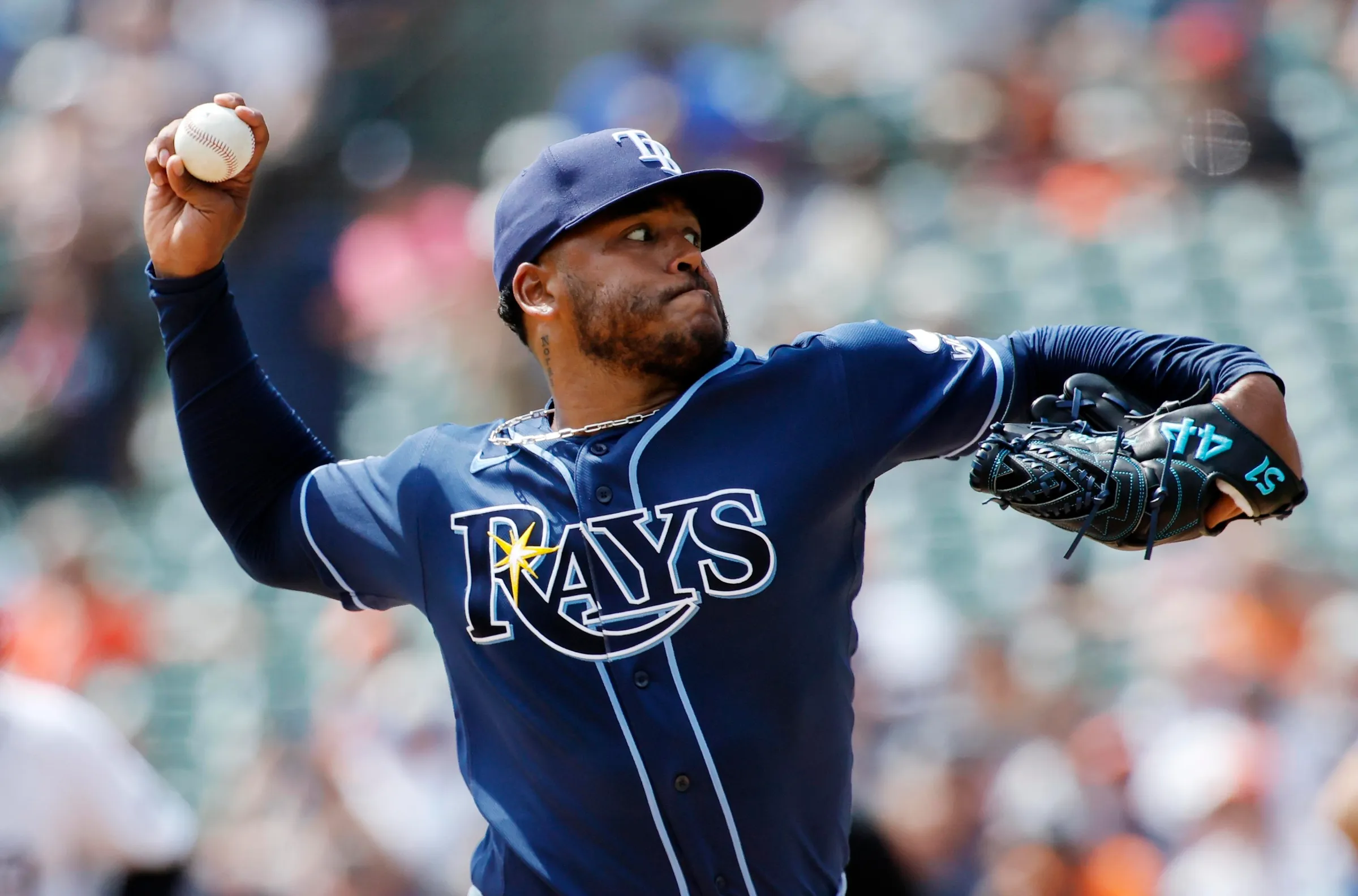
These proposals are not landing in a vacuum. This postseason, especially in the American League, the three teams with the best records, the Tampa Bay Rays, New York Yankees and Boston Red Sox, were on the same side of the bracket.
That is the kind of setup that makes people argue about seeding, paths, and whether the bracket is delivering the matchups fans actually want. The opponent-picking idea is MLB’s attempt to turn that argument into a feature.
Why 2029 matters
These changes were presented as part of negotiations with the MLB Players Association over a new collective bargaining agreement. MLB is proposing an implementation date of 2029, lining it up with the start of the sport’s next national media deals.
In other words, this is not just a baseball decision. It is a calendar decision, a labor decision, and a television decision all braided together.
The big hurdle
Here is the reality check. The MLBPA said it is reviewing the ideas, while also stating that any changes are contingent on players' agreement to a salary cap
, which the union has opposed.
The union’s statement was even more direct about why it is pushing back: Unfortunately, the league once again made clear that all of its proposals are contingent on players' agreement to a salary cap, a system that guts player rights and compensation, as well as its other anti-player proposals.
As of now, the larger economic issues are not resolved, and the schedule and postseason concepts are essentially parked until that happens.
My read
I love the idea of player health being treated like a feature, not an afterthought. A weekly off day in a sport that has long treated fatigue as a badge of honor could help the on-field product in August and September.
The best-of-seven Division Series also feels like a fairer test, especially if the goal is to make October showcase the game’s best arms more often.
The opponent-selection wrinkle is where baseball walks a tightrope. Rivalries and storylines are great, but the league will have to think through competitive integrity and how teams and fans perceive “choosing” someone. If you are going to add that kind of theater, it has to feel earned, not gimmicky.
Quick FAQ
When would MLB move to a 154-game season?
The proposal targets 2029.
Would the wild-card round change?
Under the proposal, the wild-card round remains best-of-three, but the No. 3 seed would get to choose its opponent between the No. 5 and No. 6 seeds.
Would the Division Series really become best-of-seven?
Yes, that is part of the proposal, with the No. 1 seed then selecting which wild-card winner it faces.
Is this definitely happening?
No. The league and union have not agreed on broader economic issues, and these elements are tied up in that negotiation.