
Every MVP conversation starts the same way. Somebody posts a box score, somebody else posts a highlight, and then the argument spirals into a beautiful mess of numbers, narratives, and the one thing every fan recognizes instantly: who the game bends around.
So let’s do this the right way. We are going league by league, focusing on what actually moves MVP needles in real rooms: availability, efficiency, impact, and the moments that turn a season into a story.
Quick note: MVP races change fast, especially late. Advanced metrics also vary by model and update cadence. Think of these as the most reliable lenses for comparing impact, not as a single scoreboard that ends the debate.
How we judge MVP impact
I will always respect the raw production. But MVP is rarely just “most points” or “most goals.” The best cases usually hit four checkpoints.
- Availability: You cannot be most valuable from the training room.
- Efficiency: How much value per touch, per shot, per possession.
- On-off impact: What happens when the star sits. Does the team wobble or do they look the same?
- Context: Usage, defensive attention, role, and the quality of help.
We will lean on commonly referenced metrics in each league, like NBA EPM, BPM, and on-off differentials , NFL EPA and efficiency models in the DVOA mold, MLB WAR, and NHL goals above replacement (noting that GAR is model and source dependent).
NBA: The gravity test
NBA MVP debates are usually a tug of war between three things: per-game dominance, two-way workload, and team record. This season’s frontrunners tend to separate in one of two ways: they either overwhelm you with production, or they quietly win the possession game with efficiency and defense.

What to compare
- Shot creation and efficiency: True Shooting Percentage, self-created rate, rim pressure, three-point volume.
- Playmaking: Assist rate, potential assists, turnover rate under pressure.
- Defense: Matchup difficulty, rim deterrence, on-ball responsibilities, plus impact metrics.
- Impact metrics: EPM, BPM, other public impact models, on-off net rating swings.
Frontrunner archetypes
The heliocentric engine: One player is the offense. High usage, high assist creation, constant blitzes and traps. Their MVP case is built on “without him, this is a lottery team.”
The two-way closer: Maybe not the highest usage, but they end games on both ends, guard the toughest matchups, and still give you 28 plus a night.
The efficiency king: Slightly lower volume than the top scorers, but every possession is a good one. Their case lives in impact and team offense consistency.
Highlight markers
- Fourth quarter shot diet: Are the looks clean, or is it pure shot-making?
- “Solve the coverage” games: The nights a team throws three different schemes and still cannot slow them.
- Road wins in hostile gyms: MVPs tend to leave a signature game in somebody else’s building.
One voting reality: record and seeding matter, even when the value case is messy.
What to watch down the stretch: big games against other contenders, clutch on-off splits, and whether fatigue shows up in free throw rate and defensive effort.
NFL: QB award, until it is not
NFL MVP has become a quarterback award because quarterback is the sport’s biggest leverage position. But every season gives us a moment where a non-QB forces the conversation with undeniable value: a defensive wrecking ball, a receiver who tilts coverages, or a running back carrying an injury-riddled roster.

For quarterbacks: three numbers
- EPA per play: One of the cleanest modern measures of efficiency.
- Success rate: Staying on schedule matters as much as the explosive plays.
- Turnover-worthy plays: Not just interceptions, but the throws that should have been.
Context that separates good from MVP
- Pressure performance: EPA under pressure and sack avoidance. Some quarterbacks do not just survive heat, they punish it.
- Supporting cast: Injuries on the offensive line, separation from receivers, and run game help all matter.
- Late game value: Fourth quarter comebacks, game-winning drives, and how the offense looks when everyone in the stadium knows what is coming.
If a non-QB is in the mix
To beat a top quarterback, a non-QB needs a case that feels like “system breaker.” Think historic sack rate, ridiculous yards per route run, or a defensive player who changes protections and play calls before the snap.
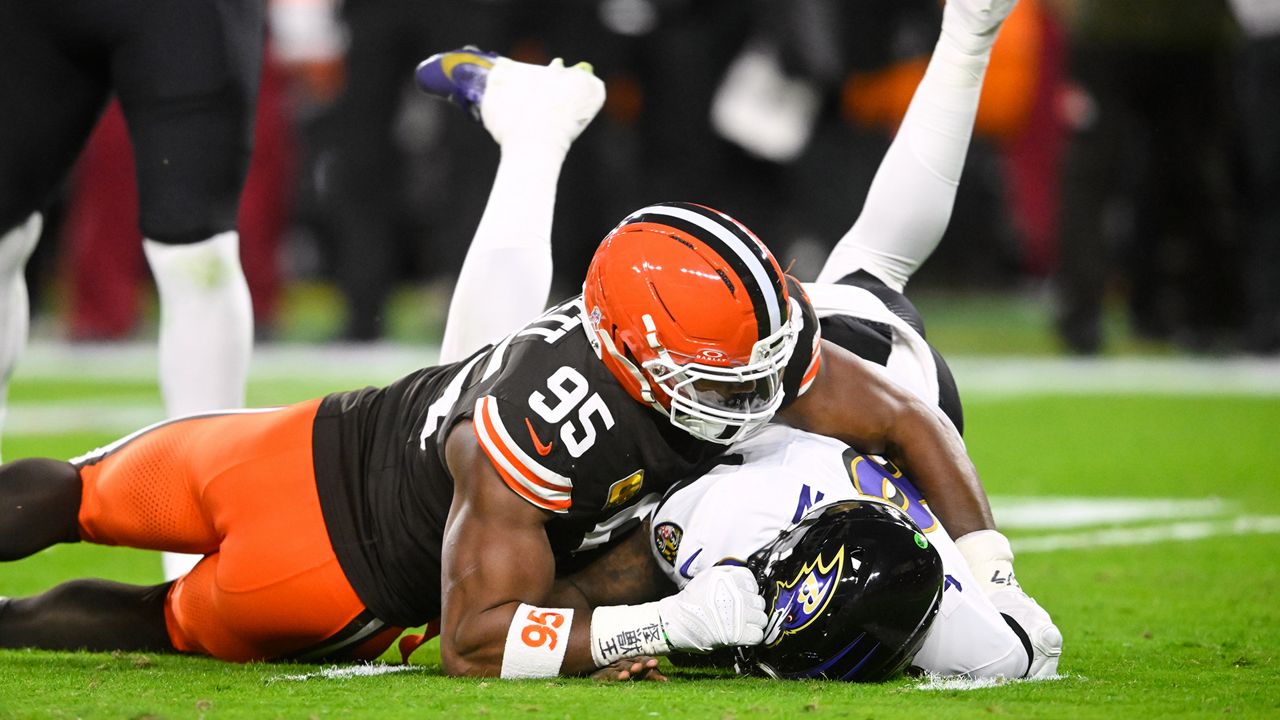
One voting reality: in most years, it takes elite QB efficiency plus wins to seal it. For non-QBs, the bar is basically historic.
What to watch down the stretch: primetime games and divisional matchups. MVP momentum in the NFL lives in nationally televised moments.
MLB: Value over 162
Baseball MVP debates are the closest thing we have to a spreadsheet fistfight, and I mean that lovingly. MLB gives us the cleanest single number catchall in WAR, but the fun is in the texture: leverage hits, lineup protection, defensive position, and for pitchers, the balance between dominance and workload.
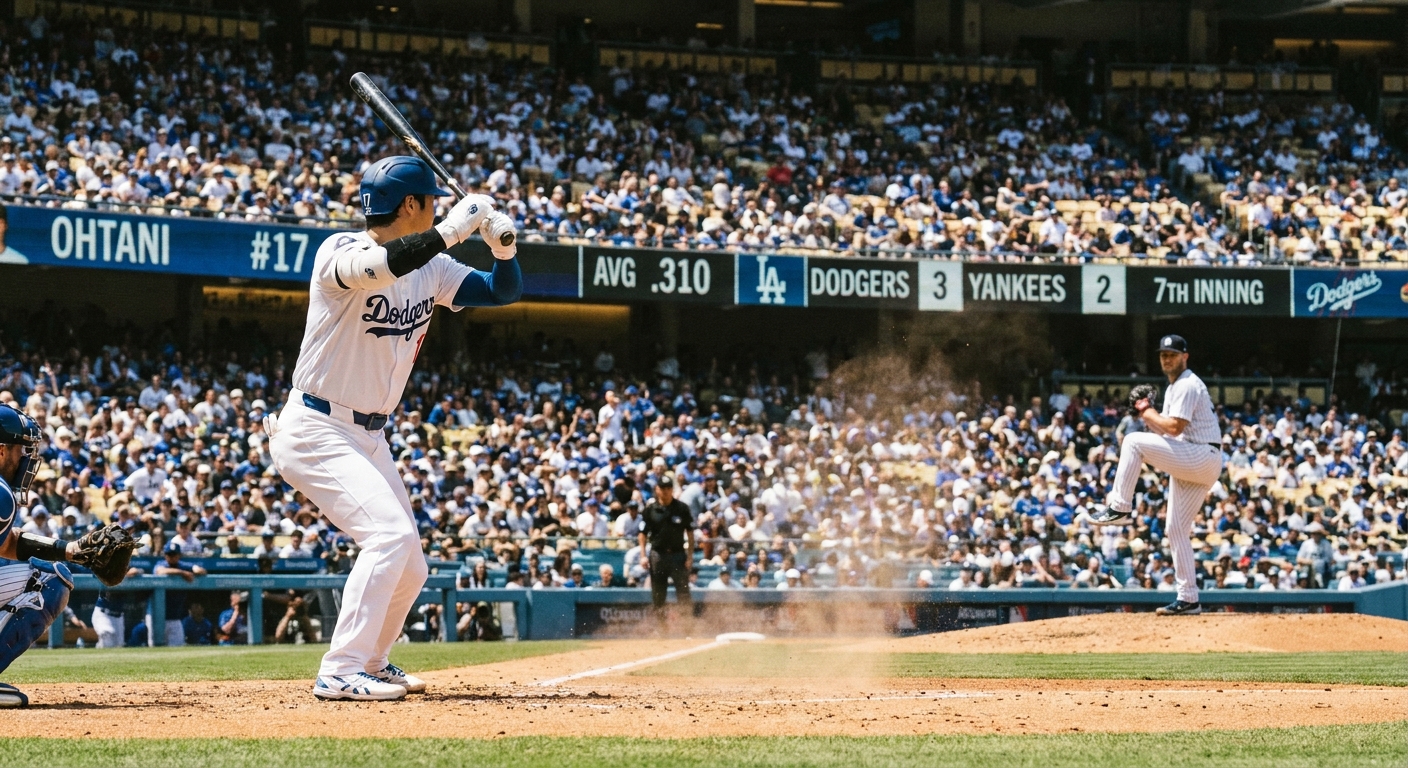
Hitters: the backbone
- WAR: The broad summary of total value across offense and defense.
- wRC+: Park-adjusted hitting that lets you compare across environments.
- Plate discipline: Walk rate and strikeout rate, especially in high leverage.
- Defense and position: A great shortstop season is not the same as a great first base season.
Pitchers: when Cy becomes MVP
- Innings plus dominance: Strikeout rate, walk rate, and quality of contact suppression.
- ERA estimators: FIP and xFIP-style measures help separate defense luck from skill.
- Leverage moments: Big outings against contenders, stopping losing streaks, and carrying a thin rotation.
Highlight moments
- Walk-off swings: MVPs tend to write their name in the ninth inning at least once.
- “Put the team on my back” series: Three games, two homers, and every opponent’s pitch plan in shambles.
- Defensive gems that flip games: A robbed homer or a barehand play that saves a run in a one-run win.
One voting reality: voters often lean on WAR, but “most valuable” still leaves room for position scarcity, baserunning, defense, and team context.
What to watch down the stretch: September performance, chase for a division title, and whether the contender keeps producing when pitchers tighten the zone and scouting reports get ruthless.
NHL: Possession and punch
Hockey MVP talk is always tricky because the game is so line and matchup dependent. Still, elite seasons announce themselves in two ways: raw scoring you cannot ignore, or two-way impact that shows up every shift in possession and chance quality.

What to compare for skaters
- Points and rate stats: Points per game, primary points, even-strength production.
- Expected goals share: Are they driving play, or riding a hot shooting run?
- Matchup role: Quality of competition, defensive zone starts, and penalty kill usage.
- Goals above replacement: A useful value umbrella, though the exact GAR number depends on the model and source.
Goalies: hardest case, biggest swing
A goalie MVP case needs two ingredients: elite save percentage in a heavy workload, and a team that would be sunk without them. If the highlight reel is mostly breakaway stops and five-alarm scrambles, voters start to listen.
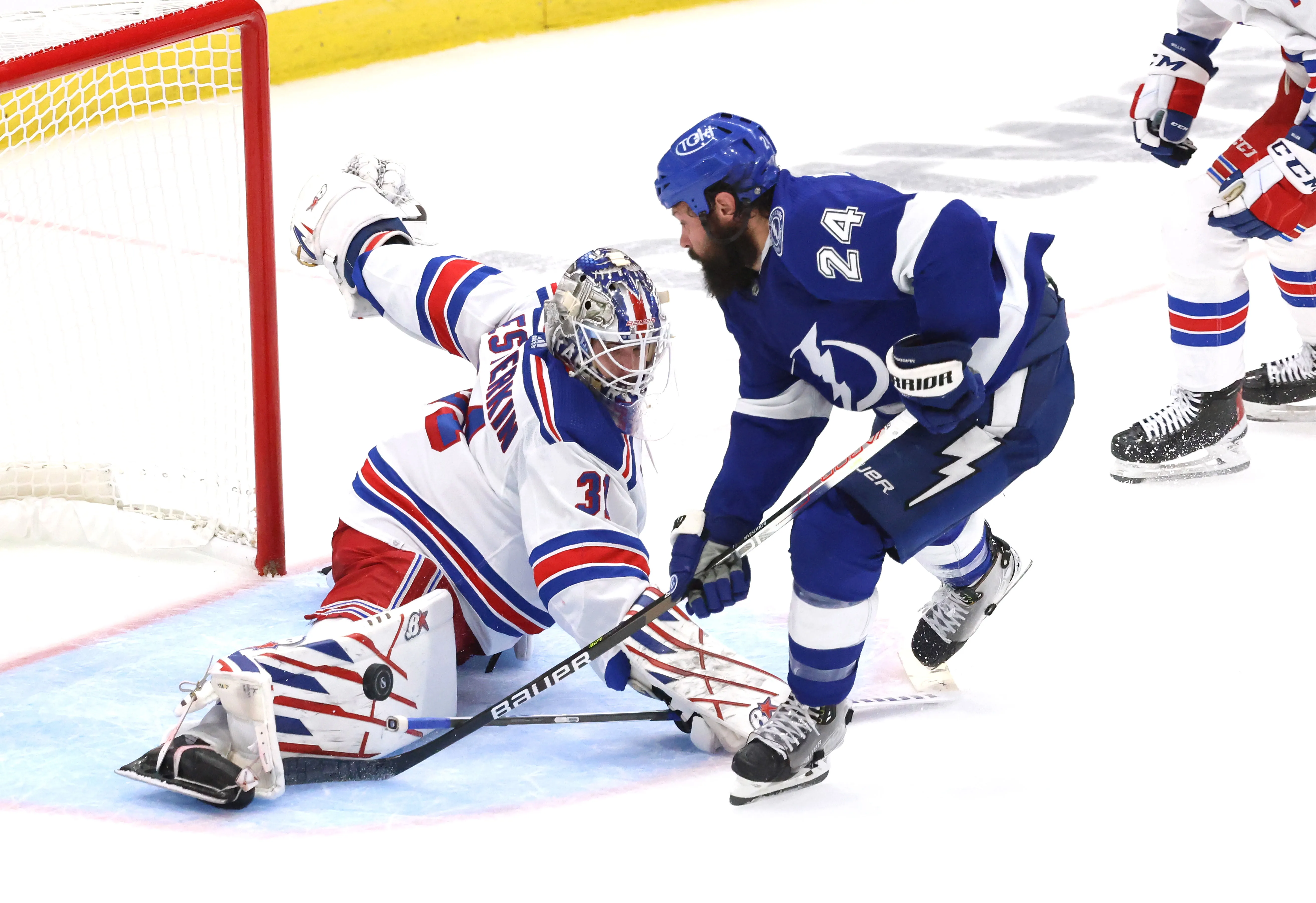
One voting reality: Hart conversations often circle “most valuable to his team,” which can elevate a star dragging a borderline playoff team into the mix.
What to watch down the stretch: head-to-head games between contenders, power play impact, and whether the star’s line keeps winning the territorial battle against top competition.
Putting it together
If you want the cleanest way to sanity check your MVP take across leagues, ask yourself three questions.
- Does the team’s identity depend on them? Not just “they are good,” but “they are the plan.”
- Do they win the same way when the opponent adjusts? MVPs win Game 1 and then win again when the counterpunch comes.
- Do the biggest moments belong to them? The signature plays. The stop. The drive. The at bat. The shift.
Advanced stats tell you who is driving value. Highlights tell you whose value is showing up when it matters. The real MVP usually owns both.
What to watch this week
The best part of an MVP race is that it is never just one big number. It is a rolling set of auditions.
- Statement games: national TV matchups, series against direct rivals, and late-season road tests .
- Availability: missed time late can quietly end a race.
- Clutch reps: last five minutes in the NBA, one-score drives in the NFL, high leverage plate appearances in MLB, third period shifts in the NHL.
If you are building your personal ballot, keep a notes app handy. The data will keep moving. But the moments, the ones that make you stand up off the couch, those tend to stick.