
I grew up in the era where a free slice of pizza after a win felt like a perk. As a former Division II hooper, I also know the unglamorous truth: most of us were one ankle sprain away from watching tuition become the only thing we could still count on.
Fast forward to today, and the pay conversation in college sports has turned into a tangle of terms that sound similar but mean very different things. The two biggest buckets are third-party NIL income and school-paid athlete compensation (often lumped together as “revenue sharing” by fans and media). They can both influence recruiting and transfers, but they are not interchangeable checks, and they are not equally standardized across the country.
The simplest difference
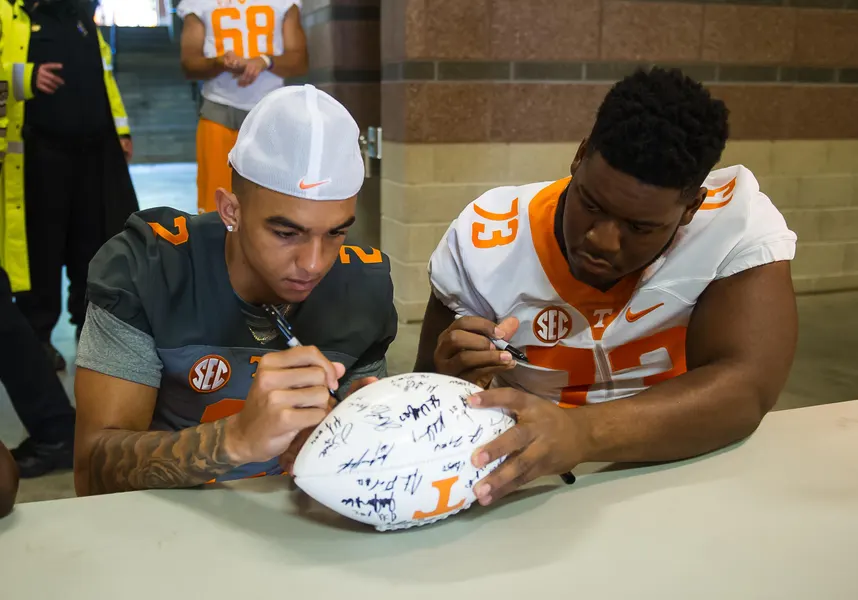
NIL income is money an athlete earns from their name, image, and likeness. Think endorsements, appearances, social media promotions, autograph signings, camps, merchandise, and brand collaborations. It is typically paid by companies, brands, or collectives, not the school.
School-paid compensation (the thing many fans call “revenue sharing”) is money paid directly by the school or through a school or conference administered mechanism, where a model allows it and a program has implemented it. In practice, schools may brand this as “direct athlete compensation,” “institutional payments,” or something similar, and the details can differ widely. It is being built or rolled out under conference and settlement-era guidance, with eligibility rules, documentation, and budget caps that can vary.
If you want a practical way to keep it straight:
- NIL: a third party pays you for marketing value and deliverables.
- School-paid compensation: the school (or a school or conference administered system) pays you under its athlete-compensation structure.
Side-by-side checks
Who writes the check?
- NIL: A business, brand, booster-backed collective, sponsor, trading card company, local car dealership, national apparel brand, or any other third party. Payments often route through an NIL agency or platform, but the money source is outside the school.
- School-paid compensation: The school, a school-controlled entity, or a conference administered process, depending on how that program is set up.
What is the athlete providing?
- NIL: Promotional services and licensing rights. The athlete is doing marketing: posting, showing up, filming content, signing items, lending their identity to a product, or allowing their NIL to be used on merch.
- School-paid compensation: Participation in the program and the rights bundle defined by that school’s plan, within whatever conference and settlement-era rules apply.
Two quick examples
- NIL example: A local dealership pays you $1,500 per month to do two in-store appearances, one social post per week, and allow your NIL on a weekend promotion. You have deliverables, and you usually sign a contract.
- School-paid example: A school has a documented athlete-compensation plan that pays rostered scholarship players a set amount each month during the academic year, subject to eligibility and team rules. That number is not an endorsement, it is an institutional payment under the school’s framework.
How to think about the rules right now
NIL (what you commonly see):
- NIL is permitted, but governance is a patchwork of state laws, school policies, conference rules, and evolving national guidance.
- Schools have historically been limited in directly arranging NIL deals for athletes, but what is allowed and what is enforced can vary by state and conference and has changed over time. When in doubt, loop in your school compliance office.
- Athletes are often required to disclose NIL deals to their school through a reporting system, but it is institution-dependent.
School-paid compensation (what you commonly see):
- Where direct pay exists, it is typically structured and administered under a written plan, plus any applicable conference or settlement-era guidance.
- It is not a sponsorship deal. It is closer to payroll-like compensation in how it is presented and administered, even if it is not treated as employment payroll in the legal sense.
One important reality: the mechanics are not uniform. Implementation and definitions can differ by conference, by school, and sometimes by sport.
How it shows up in recruiting and the portal
- NIL: You will hear estimates, track records, and “opportunity” talk. Staff can point to market strength, collective resources, and sponsor relationships. You might see proposed NIL packages floated by third parties, but verbal numbers are not enforceable unless you have a signed agreement with the payer.
- School-paid compensation: It is presented more like a defined, school-controlled program. If a school is offering direct pay, that number should be tied to written policy, eligibility criteria, and how the school administers payments.
Why they feel similar
If you are an athlete in the transfer portal, both buckets get discussed in the same breath because they both hit your bottom line. But they function differently when you zoom in.
NIL is market money
NIL is about how much value your identity can create. Quarterbacks with a big following, a starting point guard who is a walking highlight, or a volleyball star with a huge TikTok audience all have different NIL ceilings. Market size matters. So does brand fit. So does consistency. A lot of NIL is less “How good are you?” and more “How marketable are you, right now?”
School pay is program money
School-paid compensation is closer to the idea that the school is formally paying athletes within a defined structure. It is not dependent on whether a local dealership wants a commercial. It depends on the school’s plan, budget, and the rules it is operating under.
Collectives, explained
This is where people get twisted up. A lot of booster-backed collectives are still third parties. Even if everyone in town knows who funds it, a collective paying an athlete for appearances, content, and licensing is generally still NIL money.
Also worth saying out loud: collectives are evolving fast. Some restructure, some change partners, and some coordinate more closely with departments than they used to. The clean distinction still holds, though. If the money is coming from outside the institution and it is tied to NIL deliverables, it is usually living in the NIL bucket. If it is coming from an institution or a school or conference administered mechanism under a formal plan, that is school-paid compensation.
The key is whether there are real deliverables and a written agreement. Some arrangements in the market have been criticized as “NIL in name only.” That is exactly why athletes and families have to ask better questions and get terms in writing.
Common misunderstandings
“If it’s connected to boosters, it’s revenue sharing.”
Not necessarily. Booster-backed collectives can operate as third parties paying NIL. That still sits in the NIL bucket, even if the relationship to the program is obvious.
“If a coach mentions a number, it’s guaranteed.”
NIL numbers are often projections based on historical deals or potential matchmaking. Unless you have a signed agreement with a third party, it is not the same thing as money already owed to you. School-paid compensation, when formalized, should be tied to documented policy, but you still want to understand the conditions and timing.
“NIL is just pay-for-play.”
A lot of NIL deals are real marketing arrangements with deliverables. Are some deals clearly motivated by on-field value and recruiting leverage? Sure. But the practical framing is still that NIL is compensation for use of your identity, not a school salary for performance.
What to ask
Whether you are a recruit, a portal player, or a parent trying to translate all of this, the best move is to ask questions that separate the buckets and force clarity.
- Is this NIL or school-paid compensation?
- Who is the payer of record? A business? A collective? The university? A conference program?
- What are the deliverables? Social posts, appearances, autograph hours, camp coaching, content shoots?
- When is it paid? Monthly, per appearance, per campaign, per term? Net-30 or net-60?
- How is it paid? Direct deposit, check, platform? Will you be asked for a W-9?
- Is it contingent on roster status or playing time? Ask directly. Get the answer in writing.
- What reporting or disclosure is required? School rules differ.
- What happens if you transfer, get injured, or the coach leaves?
Contract basics
Here is the part I wish more people said out loud: if money is being promised, you need to see paper.
- Put it in writing: Deliverables, pay dates, and what counts as “completed.”
- Know the payment paperwork: Many deals require a W-9, and you may get a 1099 at tax time. Keep track from day one.
- Understand the timeline: “Monthly” can still mean net-30 or net-60 after you post or appear. Ask what triggers payment.
- Separate your NIL from school marks: Your name and face are yours. School logos and team marks are usually not. If a brand wants you in official gear or using school trademarks, make sure permissions are clear.
- Check cancellation and clawbacks: Can they terminate the deal if you get hurt, transfer, or stop starting?
- Watch exclusivity: A deal can block you from working with competitors later.
- Know the licensing term: How long can they use your NIL, and where can they use it?
- Get help when it is real money: An agent, compliance contact, or attorney review can save you from a bad signature.
Compliance and eligibility
Not every issue is solved cleanly yet, but there are a few areas where athletes can get surprised.
- International athletes: Visa and work authorization can complicate NIL. Even activity that feels “small” can get treated like work. Do not guess. Start with your school’s international student office and compliance office, and get qualified immigration counsel if the deal is significant.
- Financial aid interactions: Big outside income can affect need-based aid. Ask your financial aid office what changes, if anything.
- Title IX and institutional pay: How schools structure and allocate direct pay can raise equity questions. Even when the rules are unsettled, you should assume the school is going to document and justify whatever model it uses.
Portal leverage
NIL leverage
Portal leverage in NIL often comes from scarcity and spotlight. A proven starter at a premium position can command more interest, and that attention can translate into better NIL opportunities. But it is still a marketplace. Deals can fluctuate with performance, visibility, and brand demand.
School-pay leverage
School-paid compensation, when offered, tends to be less about “Can you move merch?” and more about “Where do you fit in our roster plan and pay structure?” It can feel more stable in presentation, but it still depends on the school’s plan, budget, and eligibility requirements.
Quick FAQ
Can an athlete get both?
Yes. They are different buckets. An athlete can earn third-party NIL income and also receive school-paid compensation if their program offers it.
Is NIL taxable income?
In most cases, yes. NIL earnings are generally treated like income from services or licensing, and many deals are paid on a 1099 basis, which can mean self-employment taxes. Depending on your situation, you may need to set aside money and potentially pay quarterly estimated taxes. State taxes vary. Scholarships and education benefits can be treated differently, so do not lump it all together. If the numbers get real, talk to a qualified tax pro.
Does school-paid compensation replace scholarships?
Typically it is in addition to athletics aid, but schools can structure total compensation differently depending on their framework. Do not assume anything. Ask how scholarship aid, stipends, and direct pay fit together at that specific school.
What matters most in a transfer offer?
It depends on the athlete. Some players have huge NIL upside because of position, personality, or platform. Others prioritize the stability and clarity of school-administered pay. The best situation is the one where the numbers are transparent, the terms are documented, and the support system is real.
The bottom line
If you remember nothing else, remember this: NIL is typically a third-party marketing deal, and school-paid compensation is an institution or conference administered payment where that model exists. They can both influence your decision, but they come from different places, require different things from you, and should be evaluated with different questions.
And as someone who lived the grind before any of this money existed, I will say this with my whole chest: athletes deserve clarity. If the system is going to change, it cannot run on winks, nods, and rumors. It has to run on terms that players can actually understand before they bet their careers on them.