
If you have ever felt a sharp, nail-in-the-heel jab on your first few steps in the morning, then you have already met plantar fasciitis. On a run, it can start as a “tight arch” sensation that nags with every footstrike. Afterward, it is often worse: you cool down, sit in the car, then stand up and the heel lights up like your foot forgot how to work.
I have seen runners try to grit through it because cardio feels like identity. I get it. But plantar fasciitis is one of those injuries that punishes stubbornness. The good news: many cases improve with consistent basics. Below are seven fixes in order of effort so you can try smart steps before your next workout.
First, a quick reality check
What it is: irritation or overload of the plantar fascia, the thick band of tissue that runs from your heel to your toes and helps support your arch. Despite the “-itis” name, it is often more of a stressed, cranky tissue problem than classic inflammation. Repetitive load plus tight calves, cranky footwear, sudden mileage jumps, or lots of standing can push it over the edge.
Common runner pattern: pain near the inside of the heel, worst with first steps, easing as you warm up, then barking again later.
Red flags: sudden swelling, numbness or tingling, pain after a pop, inability to bear weight, fever, or pain that keeps worsening week to week despite backing off. If that is you, skip the experiments and get evaluated.
Fix #1: Calf stretch (straight-knee) + soleus stretch (bent-knee)
What to do:
- Straight-knee wall stretch (gastroc): hands on wall, back leg straight, heel down, toes pointed forward.
- Bent-knee wall stretch (soleus): same position, but bend the back knee while keeping the heel down.
Simple timing that runners actually stick with:
- Pre-run option (2 to 3 minutes total): hold each stretch 20 to 30 seconds, 1 to 2 rounds each side. If it makes symptoms worse, skip it pre-run and do it later.
- Post-run or evening option (5 minutes total): hold each stretch 45 to 60 seconds. Repeat 2 times each side.
Why it works: tight calves limit ankle dorsiflexion, which can increase strain on the plantar fascia when your foot rolls through stance. Loosening both calf muscles often reduces that tug-of-war at the heel.
Do this before your run: usually OK if it does not spike symptoms. If you are unsure, do the shorter pre-run version and save the longer holds for after.
Fix #2: Foot stretches and strength (anywhere)
What to do (4 to 8 minutes):
- Toe pull stretch: cross your affected leg over the other knee. Grab your toes and gently pull them back until you feel a stretch through the arch. Hold 30 to 45 seconds, repeat 3 times.
- Short foot drill (arch “set”): barefoot, gently draw the ball of your foot toward your heel without curling your toes. Hold 5 seconds, repeat 8 to 10 reps each foot.
- Calf raises (your next step after stretching): stand tall, rise up, pause, lower with control. Do 2 sets of 8 to 12 straight-knee, then 2 sets of 8 to 12 bent-knee (knees slightly bent, same motion). Do this 2 to 3 times per week. Start double-leg. Progress to single-leg when it feels easy and does not flare next-day pain.
Why it works: the toe pull can reduce symptoms temporarily by lengthening the plantar fascia. The short foot drill builds intrinsic foot control so your arch is not relying on the fascia to do all the work. Calf strength matters because your plantar fascia and calf-Achilles system share the workload every time you land.
Quick cue: if your toes are clawing, reset and make the movement smaller.
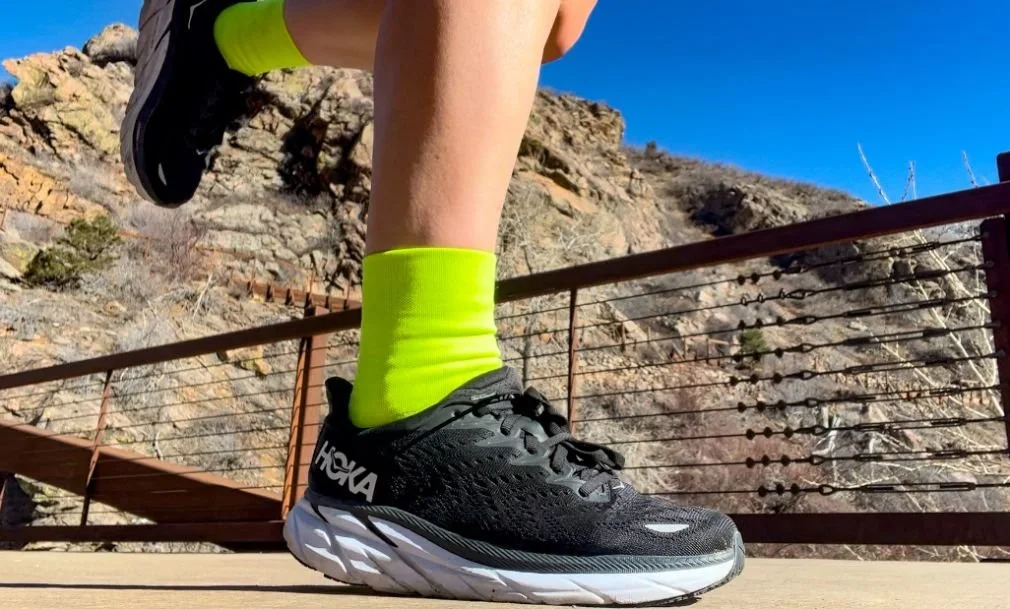
Fix #3: Footwear check and small upgrades
What to do today:
- Retire dead shoes: if you are well past your usual mileage window or the midsole feels flat, do not negotiate with it.
- Avoid flimsy “around the house” steps: if barefoot mornings spike pain, try supportive slides or a recovery sandal at home.
- Re-lace for heel security: use a runner’s loop (heel lock) so the foot is not sliding and over-gripping with the toes.
Why it works: plantar fasciitis loves two things: a tired midsole and a foot that has to stabilize too hard. A slightly more supportive setup can reduce micro-strain with every step.
Fix #4: Insoles, taping, and night splints (not magical)
What to try:
- Over-the-counter arch support: pick a reputable running-focused insole that matches your arch height. Start by wearing it for 1 to 2 hours the first day, then build up.
- Heel cup option: if your pain is very heel-specific, a silicone heel cup can reduce impact irritation.
- Low-Dye taping (short-term support): some runners get quick relief from taping that supports the arch during the work day or a short run block. A physical therapist can show you a clean setup.
- Night splint (if mornings are brutal): if first-step pain is your main issue, a night splint can keep the ankle and fascia from tightening overnight.
Why it works: these tools can reduce tensile load on the fascia by supporting the arch and limiting how fast it collapses under load. They buy you breathing room while you build capacity with strength and smarter training.
Runner note: if an insert or splint causes new, persistent knee, hip, or ankle pain, do not force it. Adjust, swap, or get guidance.
Fix #5: Ice and rolling (after runs)
What to do (8 to 10 minutes):
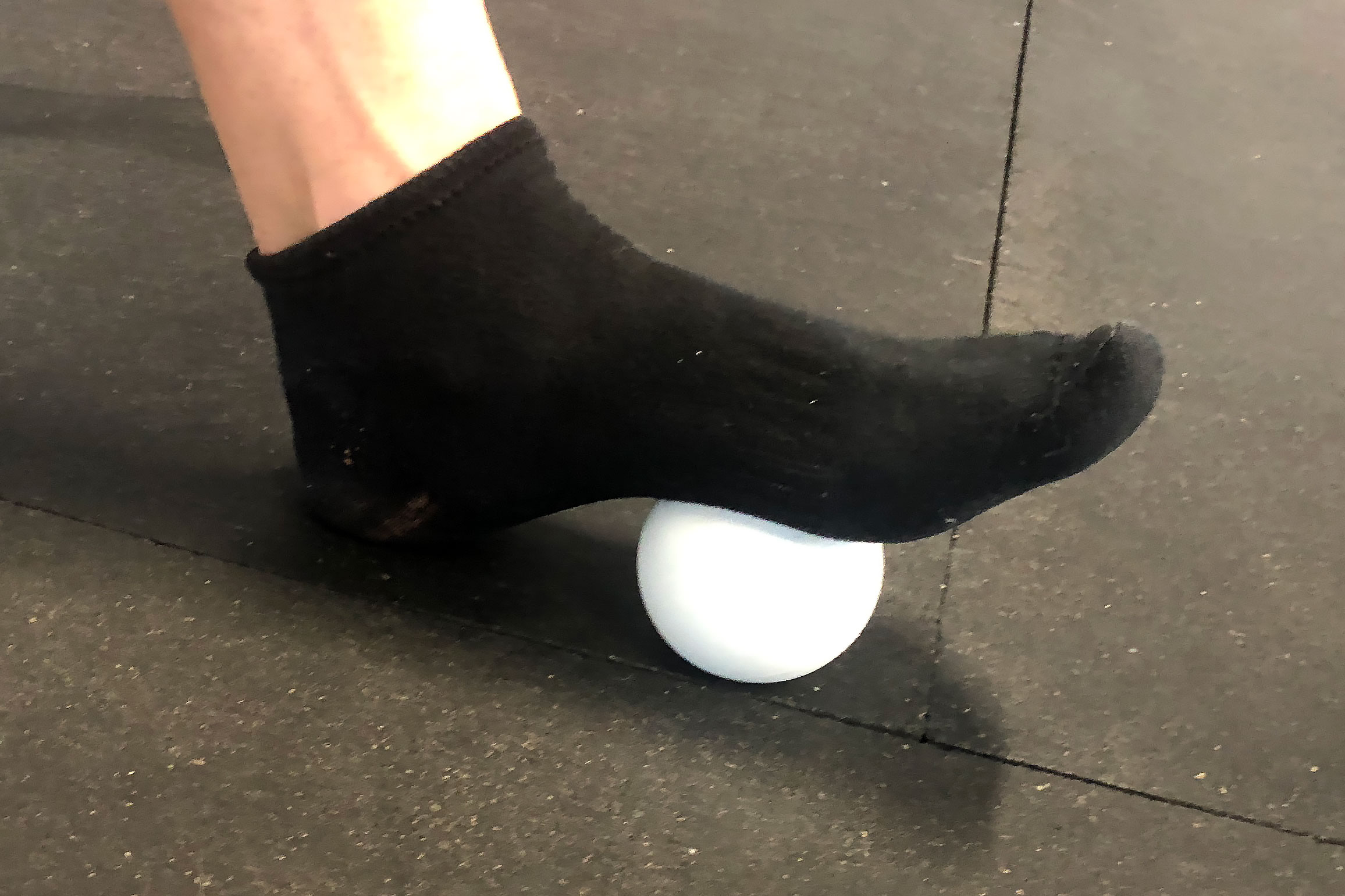
- Ice bottle roll: freeze a small water bottle. Roll it under your arch for 5 to 8 minutes with gentle to moderate pressure.
- Ball roll: use a lacrosse ball or firm massage ball for 60 to 90 seconds in the arch, then stop before it becomes a bruising contest. Keep it gentle.
Why it works: cold can quiet reactive soreness, and rolling can reduce the “stuck” feeling through the plantar tissues and calf chain. This is symptom management, not the whole fix. Still, symptom management matters when you are trying to keep training without digging the hole deeper.
One caution: aggressive rolling directly on the heel can flare it. Stay mostly in the arch and along the inner foot, and keep pressure moderate.
Fix #6: Modify training for 7 to 14 days
What to change:
- Reduce total load first: cut weekly volume by about 20 to 40 percent and shorten long runs.
- Remove the biggest irritants: hills and speed sessions often spike calf demand and plantar load. Swap in flatter routes and steady pacing until symptoms settle.
- Use pain rules: discomfort up to 3 out of 10 that improves as you run and is not worse the next morning is often manageable. Another checkpoint: symptoms should settle back toward baseline within 24 hours. If morning pain spikes or you start limping, you did too much.
- Cross-train smart: cycling, pool running, and elliptical can keep fitness without the same foot-strike load.
Why it works: plantar fasciitis is usually a load management problem. You do not have to “rest forever,” but you do have to stop overdrafting the tissue’s recovery account.
One more reality check: if you changed something recently, that is your clue. Sudden mileage jumps, new speed work, more hills, a shoe switch, extra standing at work, or even poor sleep can all tilt the math in the wrong direction.
Fix #7: When to see a specialist
Make the appointment if:
- pain lasts more than 2 to 3 weeks with no meaningful improvement
- you cannot run-walk without limping
- pain is changing locations (into the ankle, Achilles, or up the calf)
- you suspect a stress injury or nerve involvement (tingling, numbness)
Why “just plantar fasciitis” is not always the answer: heel pain look-alikes include calcaneal stress fracture, fat pad pain, insertional Achilles issues, and nerve irritation (like Baxter’s nerve). If your pattern is atypical or getting worse, you want a pro to sort it out.
Who to see: a sports medicine physician, physical therapist, or podiatrist who works with runners.
What helps most in rehab: targeted calf and foot strengthening, gait and training review, and progressive loading. Some athletes benefit from temporary taping, night splints, or custom orthotics depending on mechanics and response.
Before your next run plan
- Pre-run (3 to 5 minutes): short calf stretch holds (20 to 30 seconds) plus toe pull stretch. If stretching makes it worse, swap for a brisk walk warm-up and do stretches later.
- Gear check: supportive shoes, heel lock lacing, avoid worn-out pairs.
- Run adjustment: flatter route, shorter distance, no hills or speed work for now.
- Post-run (8 to 10 minutes): ice bottle roll plus a gentle ball roll.
- 2 to 3 times per week: calf raises (straight-knee and bent-knee) plus short foot drill on most days.
If you stay consistent, some runners notice improvement over 1 to 3 weeks, but full resolution can take longer, especially if it has been simmering for months. The goal is simple: trend the morning pain down, keep your gait normal, and rebuild capacity so running stops poking the bear.

Quick FAQ
Can I run with plantar fasciitis?
Often, yes, if pain is mild, improves as you warm up, and is not worse the next morning. If you are changing your gait to protect the foot, shut it down and modify.
Is it better to stretch or strengthen?
Most runners need both. Stretching may help symptoms in the short term. Strengthening is what tends to hold the gains. Start with the stretches today and add the short foot drill and calf raises as your baseline work.
What about anti-inflammatories?
They may help symptoms, but they do not fix the underlying load issue. Use them only as directed by your clinician and keep the rehab habits in place.