
Shin splints have a special talent for showing up right when your training starts to click. One day you’re cruising. The next, your lower leg feels like it is getting tapped with a hammer every time your foot hits the ground.
The good news: most “shin splints” are a manageable overuse problem, usually tied to training load, footwear, surface, or strength imbalances. The key is to troubleshoot in the right order, starting with the easiest fixes that reduce irritation fast, then building back smarter so it does not boomerang.
Quick note: “Shin splints” is a catch-all term athletes use for pain along the shin bone (tibia). Most cases are medial tibial stress syndrome, which is essentially a bone stress reaction and irritation of the tissue along the posteromedial tibia. Pain more toward the front of the shin can also be anterior tibialis muscle or tendon overload. If you notice deep tight pain that predictably ramps during exercise and eases with rest, that can be a different issue (like chronic exertional compartment symptoms) and is worth getting checked.
If you have sharp focal pain in one spot on the bone, or pain that worsens even at rest, skip ahead to the medical section.
Fix 1: Pause and adjust load
If shin pain is flaring up again, your first win is simply reducing the irritation. You do not need to shut down for a month, but you do need a short reset and a smarter ramp.
What to do today
- Take 48 to 72 hours off impact if pain shows up during normal walking, warm-ups, or the first mile.
- Swap in low-impact cardio for 3 to 7 days: bike, pool running, elliptical, rowing, or swimming.
- Use a pain rule as a practical guideline many clinicians use: during training, keep pain at 3 out of 10 or less, and it should not worsen as you go. Symptoms should settle back to your baseline within 24 hours and not spike the next morning.
How to return without re-lighting the fuse
- Reduce total impact volume first. Keep what remains easy. For runners: reduce weekly mileage by 30 to 50% for 1 to 2 weeks.
- Limit hard sessions. No intervals, hills, or tempo until easy runs are pain-free for at least a week.
- For court sports: temporarily reduce sprint volume, defensive slides, and repeated jump landings. Keep skill work that is mostly stationary.
Why this works: shin splints are usually a tissue capacity problem. Your lower leg is getting asked to absorb more force than it is currently prepared for. The fastest fix is reducing that force while you build capacity back.
Fix 2: Check your shoes
Footwear is a common “I did not think it mattered that much” factor I see with runners and hoopers alike. Shoes do not cause every case, but a worn-out pair can absolutely keep shin splints simmering.
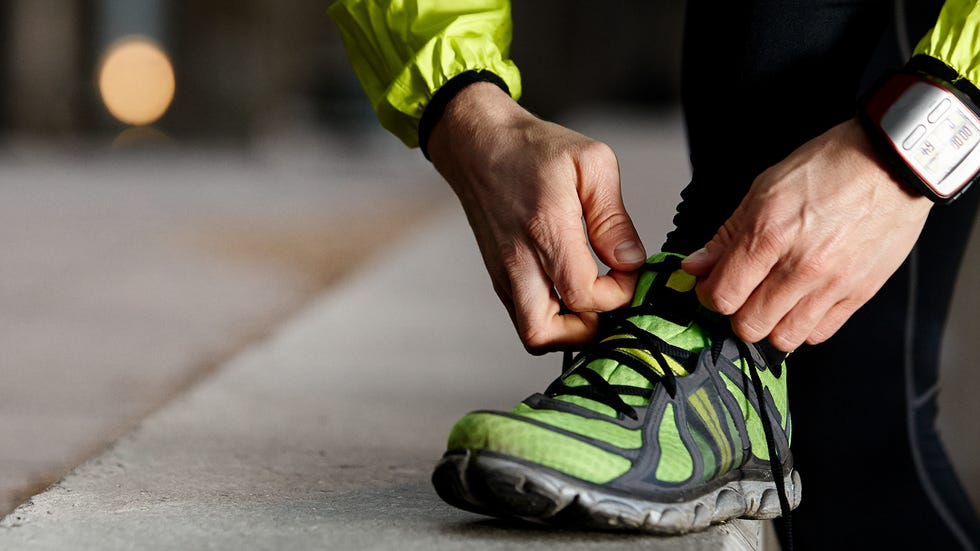
Run this quick checklist
- Age: Many daily trainers start losing support around 300 to 500 miles, sometimes earlier for heavier athletes or those who run mostly on rough pavement. Think of this as a rough rule of thumb, not a law.
- Midsole feel: If the shoe feels “dead,” bottomed out, or uneven side to side, your lower leg is doing extra stabilizing work.
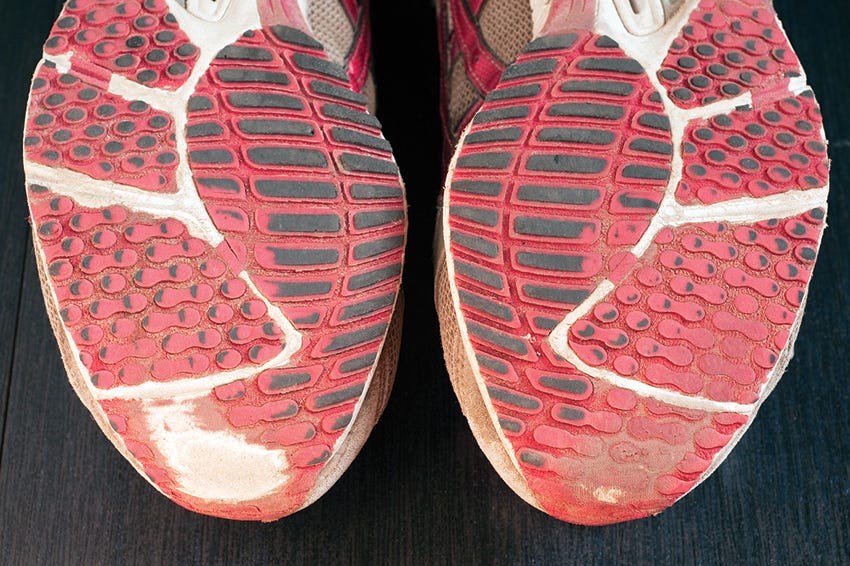
- Outsole wear: If one side is significantly more worn, your mechanics and the shoe are no longer working together.
- New shoe whiplash: A sudden switch to a lower-drop or minimalist shoe can overload calves and shins. Transition slowly.
What to try
- Rotate two pairs (even alternating days) to change loading patterns and extend shoe life.
- Consider a slightly more cushioned option temporarily if you are mostly on hard surfaces.
- If you use orthotics or inserts, re-check fit. A worn insert can change how your foot strikes without you noticing.
Fix 3: Change surface and hills
If you are stacking hard-on-hard stress, your shins will file a complaint. Asphalt, concrete paths, and indoor courts are all unforgiving when your tissues are already irritated.
Easiest surface upgrades
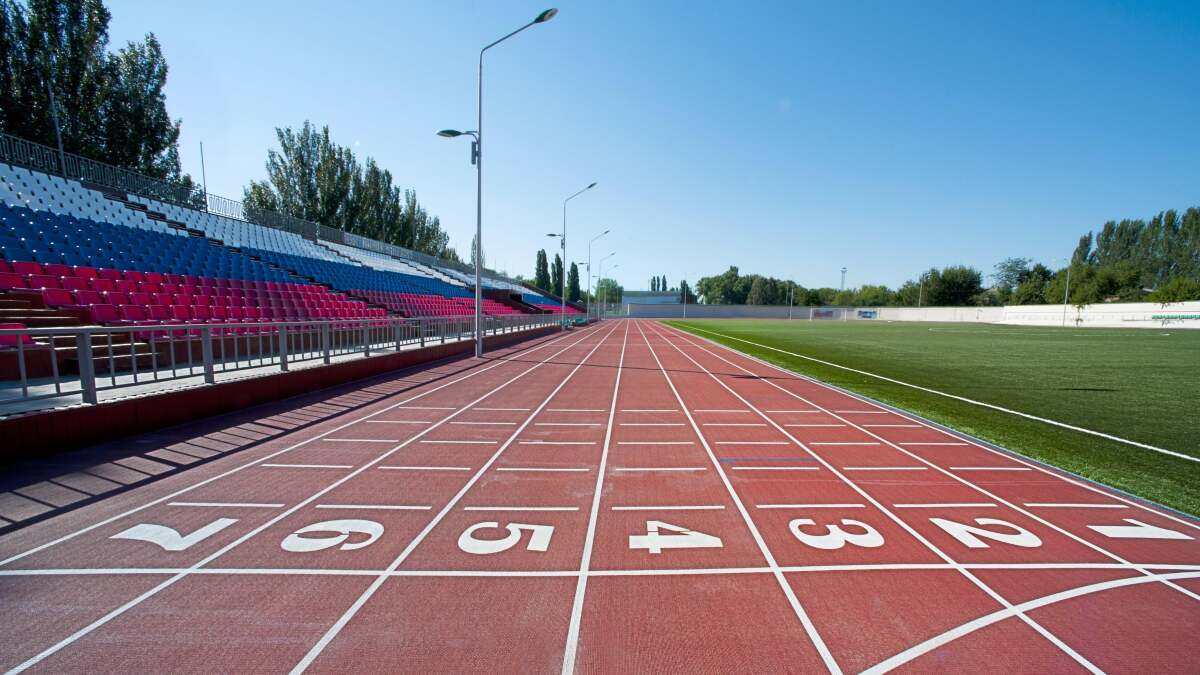
- Choose a track lane or rubberized path for easy runs.
- Pick packed dirt or groomed trails over concrete sidewalks when possible.
- In the gym, reduce time on hard courts for a week and do conditioning on turf if you have it.
Why hills matter
- Uphills can overload calves and the muscles that control your shin.
- Downhills increase braking forces and can spike tibial stress.
Simple rule: keep routes flat until symptoms calm down, then reintroduce hills like seasoning, not the main course.
Fix 4: Ice and compress
Ice will not “heal” shin splints on its own, but it can calm pain enough to let you walk, sleep, and train smart. Compression can help reduce swelling and discomfort during the day.
Do this for 3 to 7 days during a flare
- Ice: 10 to 15 minutes after activity, up to 2 to 3 times per day. Use a thin layer between ice and skin.
- Compression: a calf sleeve or elastic wrap during the day or during light activity. It should feel supportive, not numbness-tight.
- Elevate: if you have visible swelling, elevate the leg above heart level for 10 to 15 minutes.
Watch-outs: If compression causes tingling, numbness, or foot discoloration, loosen it. If ice causes burning or intense skin pain, stop and check skin sensation.
Fix 5: Strengthen the lower leg
When shin splints keep coming back, it usually means you are returning to impact before the lower leg is stronger than the workload. The goal is to build the calf complex, the tibialis muscles, and foot strength so they can handle your training.
Two or three times per week, start here
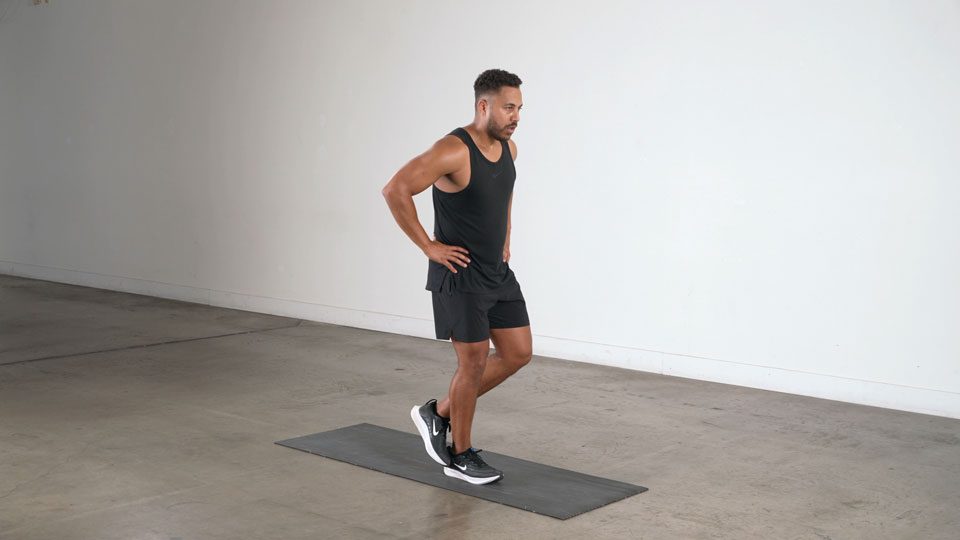
- Calf raises (straight knee): 3 sets of 8 to 12 reps, slow up and slower down. Progress to single-leg.
- Soleus raises (bent knee): 3 sets of 10 to 15 reps. This matters for runners because the soleus handles a ton of repetitive load.
- Tibialis raises: stand with your back against a wall, heels on the ground, lift toes up toward shins. 2 to 3 sets of 15 to 25.
- Toe yoga or towel scrunches: 2 sets of 45 to 60 seconds to wake up the foot intrinsics.
How hard should it be?
Strength work can be uncomfortable, but it should not cause sharp shin pain. Mild muscle burn in calves or the front of the shin is fine. Bone-like pain along the tibia is not.
Fix 6: Move better, run cleaner
Sometimes the shin is the victim of what is happening above and below it. Limited ankle mobility, stiff calves, weak glutes, and a heavy overstride can all increase stress through the tibia.
Quick mobility routine (5 to 8 minutes)
- Calf stretch (knee straight): 2 x 30 seconds per side.
- Soleus stretch (knee bent): 2 x 30 seconds per side.
- Ankle dorsiflexion rocks: 2 x 10 per side, knee tracking over toes without heel lifting.
- Hip flexor stretch: 2 x 30 seconds per side, especially if you sit a lot.
Technique cues that often help
- Shorten stride slightly and think “feet under hips,” especially when fatigued.
- Increase cadence a touch (often 5 to 10% higher) to reduce braking forces for many runners.
- For court athletes: focus on softer landings and controlled deceleration. Many athletes notice shin pain more during hard stops and repeated decels than during smooth accelerations.
If you can, a short video of your run from the side or a coach watching your change-of-direction work can reveal a lot.
Fix 7: Know the red flags
Most shin splints improve with the steps above, but you do not want to mistake a more serious issue for a normal flare-up.
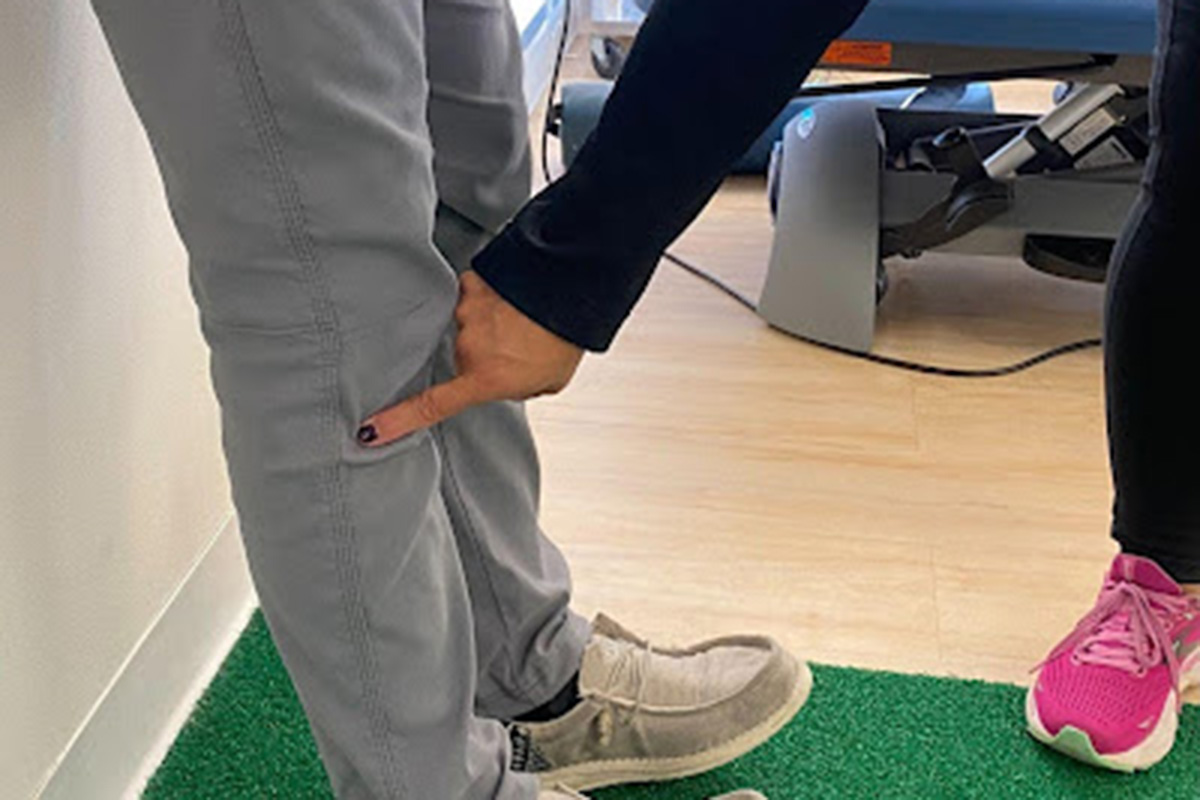
See a sports medicine provider or physical therapist if:
- Pain is pinpoint and sharp on one small spot of the tibia, especially if it hurts to tap that area.
- Pain persists at rest or wakes you at night.
- You cannot hop on the affected leg without significant pain. (This is a common screening check, not a definitive diagnosis.)
- Symptoms are getting worse despite 1 to 2 weeks of load reduction.
- You have swelling, numbness, weakness, or foot drop, or your lower leg feels unusually tight with exertion that eases quickly when you stop (possible exertional compartment issues).
They may consider imaging if a stress fracture is suspected, and they can build a return-to-run or return-to-play plan that matches your sport, your schedule, and your history.
A simple 10-day calm-down plan
If you want something you can follow without overthinking it, here is a practical outline. Keep in mind that timelines vary. If your symptoms have been building for months, you may need longer than 10 days and that is normal.
Days 1 to 3
- No running or jumping. Bike or swim 20 to 40 minutes.
- Ice after activity. Wear compression during the day if helpful.
- Start tibialis raises and both calf raise variations (light effort).
Days 4 to 7
- Return to impact only if walking is mostly pain-free.
- Run-walk: 1 minute run, 1 minute walk for 10 to 20 minutes on a track or flat path.
- Continue strength 2 times this week. Keep mobility daily.
Days 8 to 10
- Progress to easy continuous running for 15 to 25 minutes if pain stays 3 out of 10 or less and settles within 24 hours.
- Still avoid hills and speed. Keep court work low-volume.
Rule of thumb: if symptoms spike the next day, step back one stage for 48 hours.
What happens after day 10
Once you can run easy without symptoms flaring, build like you are playing the long game.
- Run every other day for 1 to 2 weeks before you go back to daily running.
- Increase total volume by about 10 to 20% per week if symptoms stay quiet (and drop back if they do not).
- Add intensity last: keep things easy until you have at least 7 to 14 days of stable, comfortable running.
Keep it from becoming a tradition
The hardest part about shin splints is that you can feel “almost fine” while still being underprepared for the load you are asking for. Treat your shins like a credit limit. Every mile, sprint, and jump is a purchase. Strength, sleep, smart progressions, and good shoes are the deposits.
One more quiet risk factor to respect: if you have a history of stress fractures, low energy availability, irregular or missing menstrual cycles, or you suspect low vitamin D, talk with a qualified clinician. Bone stress issues are not just a training problem.
Dial down the stress, build the lower-leg engine back up, and many athletes are surprised how quickly their body stops sending that pain signal.