
I love a clean broadcast replay as much as anybody who grew up treating Sunday football like a family reunion. But I also know the truth of modern fandom: if you wait for the next commercial break, you might already be late. Highlights used to be something you hunted down. Now they hunt you, sliding into your feed before the crowd even sits back down.
So where do you actually get the best highlights today: broadcast and cable networks plus regional sports networks (ESPN, Fox, TNT, NBC, RSNs) or social platforms like X, Instagram, TikTok, and YouTube? The real answer depends on what you mean by “best.” Let’s break it down like film study, but with less chalk and more honesty.

Speed: who posts first?
If your definition of highlights is “show me what just happened right now,” social media is often the leader.
Social media’s edge
- Real-time posts: In my experience, X is often one of the fastest places to see a clip circulate, especially in the NBA, NFL, soccer, and combat sports. That said, the “fastest” title can swing with platform rules, league partnerships, and what gets taken down.
- Algorithmic delivery: Instagram Reels and TikTok do not wait for you to search. If a moment is hot, your feed becomes a conveyor belt.
- Multiple angles, instantly: Fans in the building, beat writers, and team accounts can provide different looks before a network packages anything.
TV’s reality
Traditional networks are fast within their own ecosystem (live game, halftime show, studio updates), but they are not built for the split-second “I need it now” culture. They are built for the full meal, not the snack.
Quality: crisp still matters
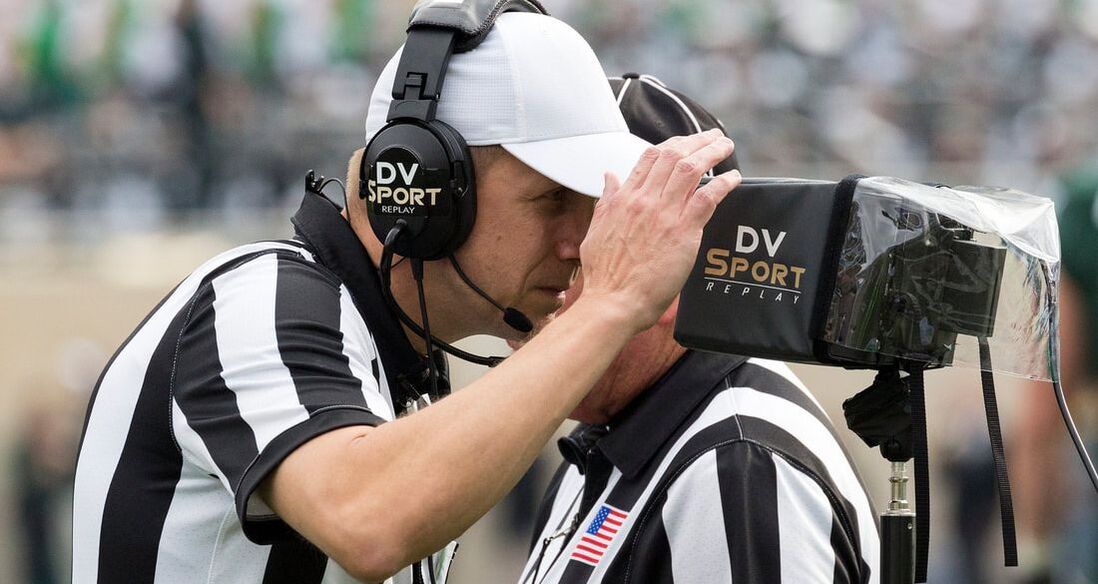
When it comes to clean footage, stable audio, and replays that actually show you what you need to see, TV and official digital products usually carry the best version of the moment.
Why networks still look better
- Broadcast camera angles: The main game angle, the super slow-motion, the overhead, the goal-line cam. That stuff is intentional and consistent.
- Replay packages: Networks can pull the right angle, zoom, and timing instead of relying on whatever clip happens to go viral.
- Fewer glitches: Social video is at the mercy of compression, re-uploads, and the classic “filmed off a TV” situation.
On social, a highlight might be a masterpiece or it might be a 12th-generation repost with audio that sounds like it was recorded inside a gym bag. You get speed, but you sometimes pay in quality.
Context: the clip plus the why
Here’s the part people forget when they argue about platforms. A highlight is not always about the clip itself. It’s about what the clip means.
TV’s advantage: sequencing
Traditional broadcasts still do the best job of answering the questions fans ask right after the play:
- What coverage was that?
- What adjustment led to the open shot?
- Why did the defense rotate late?
- How did this change the game’s momentum?
Studio shows, halftime breakdowns, and well-produced postgame segments give you the connective tissue. You get the turning point, the counterpunch, and the emotional temperature of the moment.
Social’s strength: reaction
Social platforms deliver something TV can’t bottle: instant community. The clip lands with thousands of reactions, jokes, debates, and tactical threads. It is chaotic, but it feels like sitting in the stands with the loudest section in the building.
What counts as a highlight?
A lot of the “TV vs social” debate is really three different products wearing the same jersey:
- Breaking clips: the 10 to 20-second “did you see that?” moment.
- Recaps: the 2 to 5-minute game story, usually with a beginning, middle, and end.
- Compilations: longer cuts, player-only reels, or “every bucket” type edits.
Social dominates breaking clips. Broadcast and official channels tend to own recaps. YouTube often wins compilations because it has room to breathe.
Breadth: what gets love?
Networks and social platforms have different incentives, and that shapes what you see.
Networks: curated and rights-driven
- Big leagues and big games first: Prime-time matchups, playoff races, star-driven narratives.
- Professional packages: You get a cleaner, more consistent highlight show.
- But limited shelf space: If it did not make the rundown, it might not exist in the mainstream conversation.
Social: the undercard lives here
If you are an underdog fan, social can be a lifesaver. Small-market teams, women’s sports, niche leagues, and random college heaters often get more love on TikTok and Instagram than they do on traditional nightly shows.
The trade-off is that the algorithm can become a funhouse mirror. It will show you what it thinks you want, not always what you should see to understand the sports day.

Rights: why clips vanish
This is the part fans feel without always naming it: not every highlight is equally shareable. Leagues and broadcasters protect rights, and platforms enforce policies differently.
What that means for fans
- Clips get removed: Especially full-length sequences or broadcasts uploaded without permission.
- Official accounts post more reliably: League, team, and broadcaster accounts can usually share higher-quality clips with less risk of takedowns.
- Geo-restrictions exist: Some highlights or packages may be limited by country or region.
Practical advice: if you want reliable access, follow official league/team accounts and the primary broadcasters. That is usually where the best legal, high-quality clips live, even on social.
YouTube: the quiet heavyweight
YouTube is the spot a lot of people forget to mention, even though it is one of the most dependable places for official highlights.
- Official league channels: Longer recaps, cleaner uploads, and fewer “where did this clip go?” moments.
- Searchable library: Great when you missed the game and want the whole story, not just the loudest play.
- Creator ecosystem: Some of the best breakdowns live here too, though quality varies by channel.
If X is where a play breaks, YouTube is where you go later to actually catch up.
Depth: highlights vs analysis
Highlights scratch an itch. Analysis teaches you the sport. You can find both on either side, but each has a natural home.
Networks: built for explanation
When a network crew is on its game, you get telestration, coach interviews, scouting context, and the small things that win possessions. From years of watching, coaching, and rewinding the same play until it makes sense, I’ll tell you: the best breakdowns make you notice the screen that freed the shooter, not just the shot that went in.
Social: built for speed and personality
Some of the sharpest analysis on earth lives on social now, from X film threads to TikTok creators pausing clips at the exact moment a defense loses the plot. The issue is consistency. For every great breakdown, there are five hot takes sprinting past the truth.
Cost: free clips vs paywalls
This part matters. Social highlights are often free, but they can be incomplete, lower quality, or here today and gone tomorrow. Broadcast and official apps tend to be more stable, but many sit behind subscriptions or TV logins.
- Broadcast apps and streamers: ESPN, Peacock, Paramount+, and similar services can give you better replays and fuller recaps, but you might need a subscription.
- League apps: Often great for official highlight packages and alerts, though availability can vary by market.
If you want the cleanest experience, you usually pay with money. If you want the quickest experience, you often pay with chaos.
Vibe: how it feels
TV feels like an event
The broadcast is still the closest thing we have to a shared campfire. You watch live, you hear the crowd swell, you feel the pacing. It is communal, even when you are alone on the couch.
Social feels like a nonstop group chat
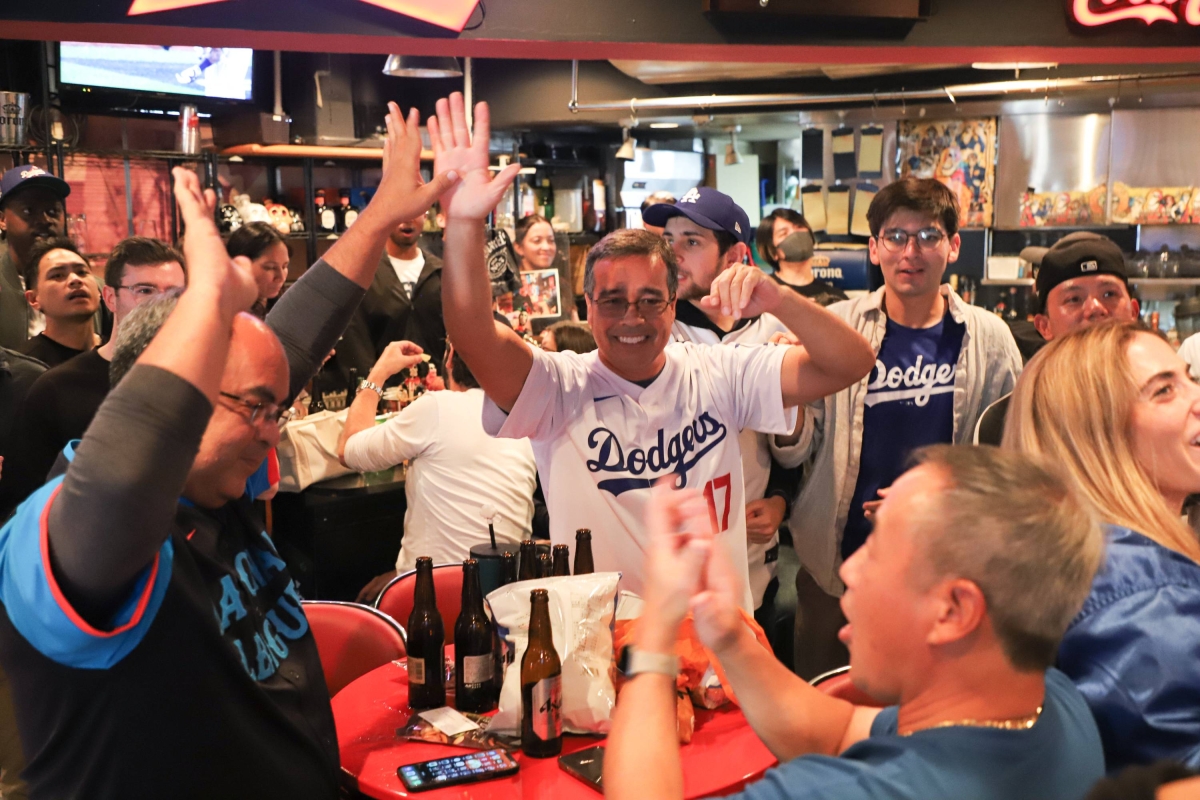
Social highlights feel like walking into the arena concourse midgame and hearing every opinion at once. It is loud, hilarious, occasionally brilliant, and sometimes exhausting. But if you care about culture, memes, and the emotional temperature of the fandom, social is hard to beat.
Where to go?
Here’s my honest, everyday-fan answer. Use both, but use them differently.
Go traditional when you want:
- The cleanest replay with the best angles
- Momentum and context around the play
- A full-game storyline instead of isolated clips
- Consistent production and narration
Go social and YouTube when you want:
- Instant gratification when something breaks
- Multiple perspectives and fan-shot angles
- Underdog and niche coverage that networks might skip
- Community reaction in real time
- Searchable recaps and longer official cuts (YouTube especially)
If you are building the perfect highlight routine, try this: social for the first look, broadcast or YouTube for the second look. Let your feed alert you to the moment, then let the professionals show you why it mattered.
The Sport Quill verdict
In most cases, traditional networks win on quality, context, and craft. Social media wins on speed, variety, and community. The best highlights are not locked to one place anymore. They are a relay race, and the baton keeps moving.
And as someone who has coached kids who learn the game from clips as much as they learn it from practice, I’ll leave you with this: chase the moments, sure. But also chase the meaning behind them. That is where the sport lives.