
Politics can feel like a sport where the box score never tells the real story. You see a bill get introduced and assume the next step is a straight up-or-down vote. In reality, the biggest plays often happen before the “game” even starts, in the House rules process where the schedule, the terms of debate, and even what counts as an acceptable amendment or procedural path are negotiated.
That is exactly why the proposed SAVE Act has two storylines at once: what the bill would do to voter registration and how a fight over House floor procedure could keep it from advancing, even if it has the votes on paper.
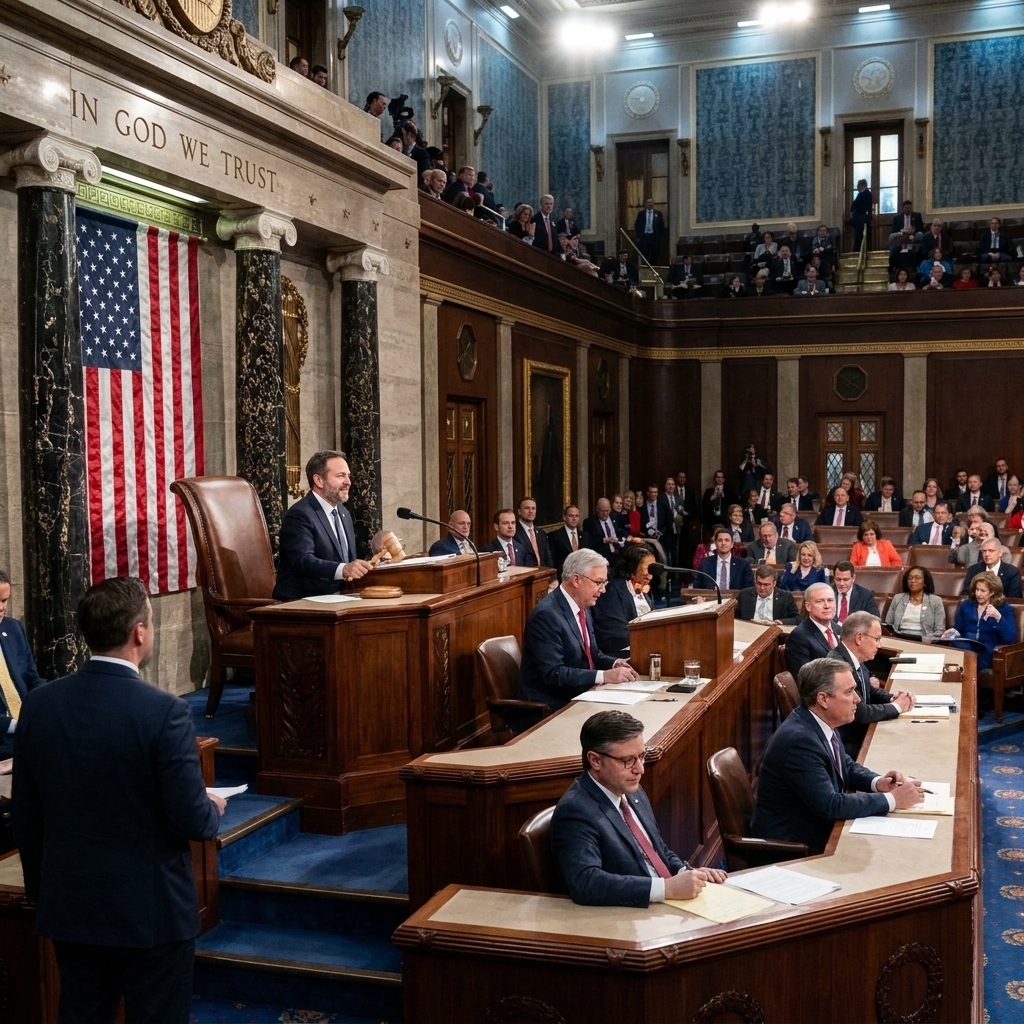
What is the SAVE Act?
The SAVE Act is short for the Safeguard American Voter Eligibility Act, a House Republican-backed proposal that would tighten federal voter registration requirements by requiring documentary proof of United States citizenship as part of registering to vote in federal elections.
In the 118th Congress, the SAVE Act has been introduced as H.R. 8281, sponsored by Rep. Chip Roy of Texas.
Supporters frame it as an election integrity measure. Critics frame it as a barrier that can keep eligible voters from registering or staying registered. Both sides are arguing about the same hinge point: what kind of paperwork is required, how it would be verified, and how many eligible voters might get caught in the process.
What it does in practice
At the 30,000-foot level, the core concept that drives the SAVE Act debate is simple:
- Proof of citizenship becomes a requirement tied to federal voter registration, instead of relying primarily on an applicant’s attestation under penalty of perjury.
- Election officials would need a process to review and verify documents and to handle applications that do not include whatever the bill defines as acceptable proof.
- Applicants without acceptable proof could face delays or denial, depending on implementation and administrative capacity.
Think of it like a league changing eligibility rules. The rule might be simple on paper, but the real impact is in the equipment check at the door, the exception process, and how consistently it is enforced across venues.

What counts as proof
Any proof of citizenship requirement rises or falls on two questions.
- Which documents qualify? A US passport is the cleanest example, but not everyone has one. In practice, proposals like the SAVE Act generally point toward documents such as a birth certificate, a certificate of naturalization, a certificate of citizenship, or other government records that establish citizenship. The entire fight is in the details: what is acceptable, what is readable, what matches, and what happens when it does not.
- How do you show it? If people must present documents in person, that changes the game for rural voters, students, older Americans, and anyone registering by mail or through voter drives. If copies are allowed, administrators have to manage verification and deal with altered documents and backlog. If digital upload is allowed, security and access questions shift again.
Supporters argue that citizenship should be verified, full stop, and that clear documentation reduces risk. Opponents argue that existing federal law already prohibits noncitizen voting in federal elections and that adding paperwork creates friction that disproportionately affects eligible voters who are less likely to have ready access to documents.
Why critics worry
Here is the human side that gets lost when the debate turns into endless TV segments.
Many eligible Americans do not have a passport. Some do not have immediate access to a birth certificate. Name changes after marriage, adoption records, and variations in how documents were issued decades ago can all complicate “simple” proof.
If the standard becomes “no documents, no registration,” then the burden is not just on bad actors. It is on the single parent who cannot take a day off to navigate a records office, the college kid registering away from home, or the older voter who has been eligible for decades but cannot easily replace paperwork.
Policies designed to stop one kind of fraud can still create another kind of harm: eligible people getting blocked by process.
Why supporters back it
The pro-SAVE argument is straightforward: if only citizens can vote in federal elections, then the registration system should have a reliable citizenship check rather than relying mainly on self-attestation.
Supporters also argue that more consistent standards can reduce variation across states, and that clear rules make it easier to trust outcomes, especially in an era where confidence in institutions is shaky.
This is the classic sports dilemma: do you add replay and more scrutiny to get more calls right, even if it slows the game and changes the fan experience?
How House procedure can stop it
Here is the part that feels like inside baseball, but it matters.
In the House of Representatives, most major, leadership-backed bills move under a special rule reported by the House Rules Committee. That rule is like the pregame agreement that sets:
- How long debate lasts
- Which amendments, if any, are allowed
- How the bill will be considered on the floor
- Which procedural motions are in order
Not everything moves this way. Sometimes the House uses alternatives like suspension of the rules (often for noncontroversial measures), unanimous consent, or other privileged procedures. But if leadership is trying to move a big, high-stakes bill with tight control, the rule is usually the choke point.
If the House cannot agree to the rule, the bill often cannot proceed in the normal way. Leadership can try to rewrite the rule, negotiate changes, pull the bill, or look for another vehicle. But in the moment, a rules failure can function like a gate at the top of the funnel.
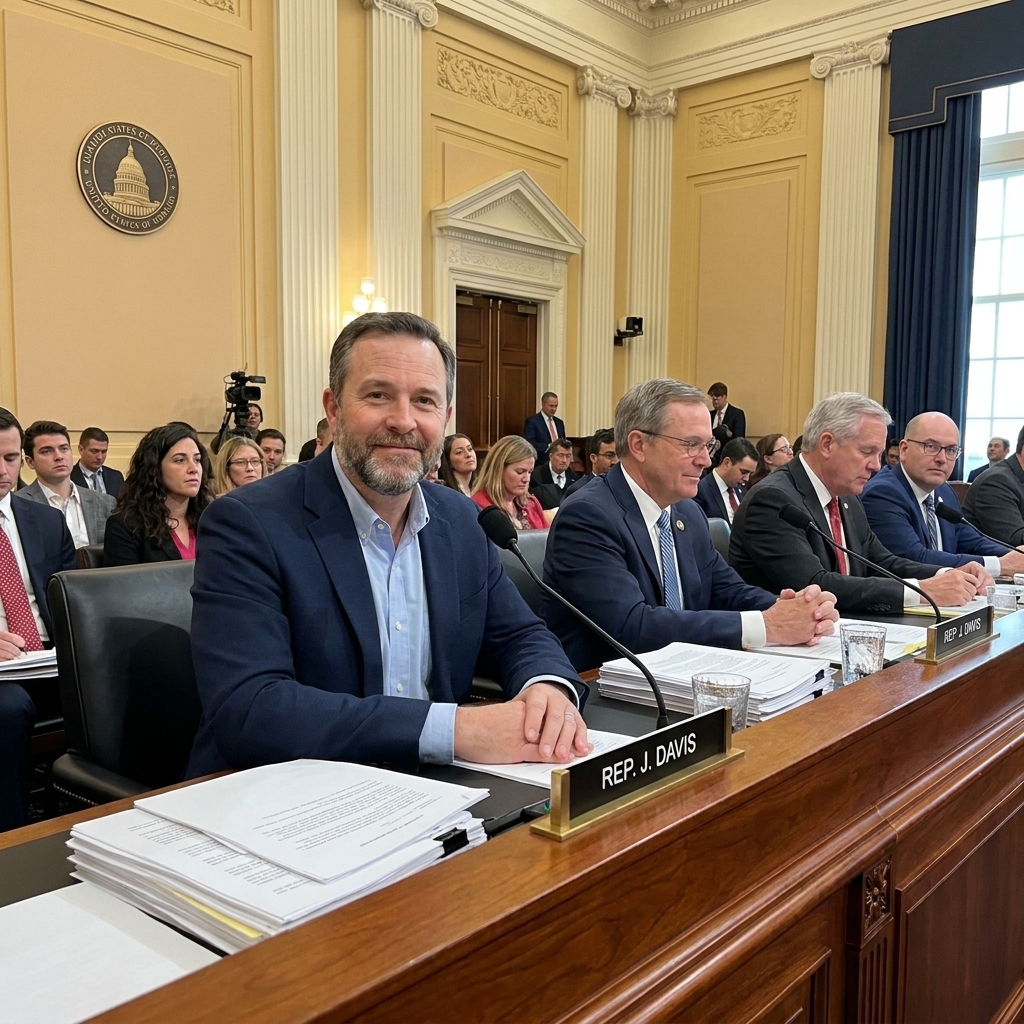
The rule vote can sink the day
Before the House even debates the SAVE Act itself, it typically has to adopt the rule for considering it. That vote is often along party lines, but not always.
If a bloc of members refuses to support the rule, leadership can be forced to pull the bill, rewrite the terms, or negotiate concessions. Sometimes the majority can even lose the rule vote outright, which is a high-visibility setback.
Translation: you can have a roster full of talent, but if the team cannot agree on the game plan, you might not even take the court.
Closed vs structured rules
One concrete thing to watch is what kind of rule leadership brings to the floor:
- Closed rule: no floor amendments allowed. It is fast and controlled, and it can make members furious if they want a vote on their ideas.
- Structured rule: some amendments are allowed, usually pre-approved. It is a compromise that lets leadership manage risk while giving members a few touches.
Why members rebel
Sometimes the rebellion is not about the policy goal. It is about leverage.
Members may oppose a rule because:
- They want amendment votes that leadership is blocking
- They oppose bundling the bill with other measures or tying it to shutdown or debt brinkmanship
- They want guarantees on a different priority, like a border package, spending cuts, or election administration funding
- They dislike the process, even if they like the headline of the bill
In sports terms, that is the locker room dynamic. You might believe in winning, but you still want your role, your touches, and a playbook you can defend back home.
Other pressure points
Amendment fights
If members demand votes on changes and leadership refuses, the rule can collapse. If amendments are allowed, the bill can morph in ways that cost it support.
Motion to recommit
Depending on the Congress and the package of House rules in effect, the minority may have tools to force politically tough votes late in the process. Leadership sometimes designs the rule to minimize that risk, which can inflame internal dissent.
Calendar and floor time
Even a motivated House can run out of oxygen. Appropriations deadlines, emergency aid debates, or internal leadership fights can push a bill down the bench.
If it passes the House
If the House passes the SAVE Act, it still has to clear the Senate and be signed by the president to become law. The Senate has its own procedural realities. For most legislation, that includes the practical hurdle of getting to 60 votes to end debate, unless the bill is moving under a special process that changes that math.
There is also the reality that voting administration laws often trigger legal challenges. However this bill is written, expect arguments about federal authority, state administration, and how the requirements interact with existing election law.
That is why the procedural fight in the House is not just theater. It is one of several choke points where the bill can stall.
Why Sport Quill readers should care
Even if you come to Sport Quill for game recaps and underdog stories, this is worth understanding because it is about systems. Sports fans get systems. We argue about officiating crews, replay rules, salary caps, roster eligibility, and whether the league office is tilting the playing field.
The SAVE Act debate is, at its core, an argument about the balance between:
- Security and access
- Uniform standards and local administration
- Public confidence and practical burden
And the procedural fight is the reminder that in American politics, like in sports, the most important possession is often the one before the shot goes up: who controls the terms of play.
Quick glossary
- House Rules Committee: The committee that proposes the special rule that sets how a bill will be debated on the House floor.
- Special rule: A resolution that establishes debate time, amendment structure, and procedural terms for a bill.
- Rule vote: The House vote to adopt that special rule. Losing it can halt the bill’s path forward, at least through the normal route.
- Floor consideration: The stage where the House debates and votes on the bill itself.