
NIL was never just about athletes finally getting a slice of the pie. It was about power. About who gets to decide a player’s value, when that value can be cashed in, and how openly schools can compete for talent in a marketplace that used to pretend it was not one.
And if you have watched college sports closely since NIL’s modern era began on July 1, 2021, you already know the truth: the games still look familiar, but the ecosystem underneath them has changed fast. In many major sports, recruiting now looks like year-round roster management. “Culture” competes with cash. And the gap between programs with deep-pocketed support and those without has become harder to ignore.
One quick note about perspective: I’ve been in college locker rooms. That experience shapes how I think about retention, trust, and what it feels like when your “value” becomes a number people discuss out loud.
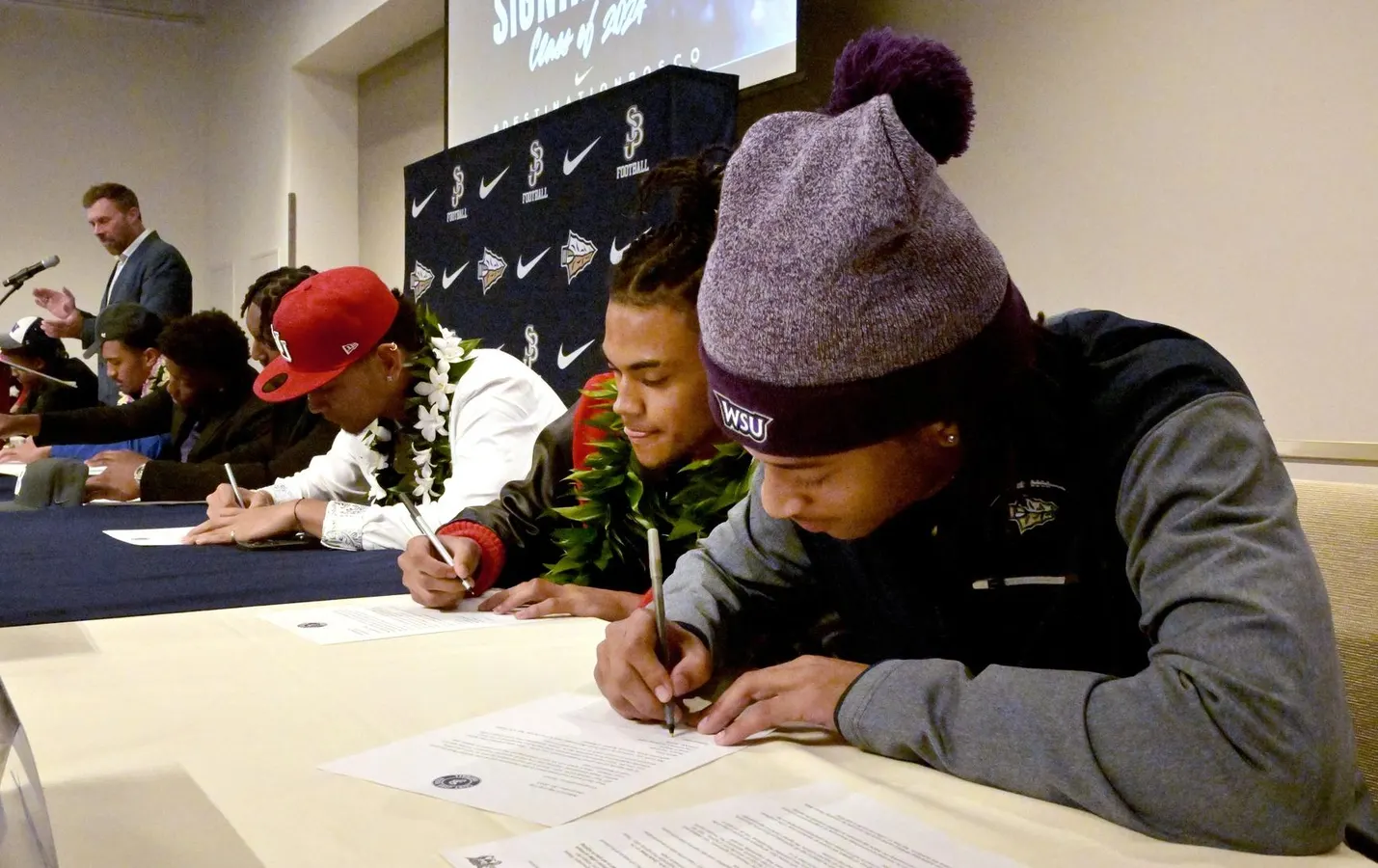
Let’s dig into what NIL actually did to college athletics, what it did not do, and what comes next.
What NIL is, and what it became
In the simplest terms, NIL allows college athletes to earn money for the use of their name, image, and likeness. Think endorsements, social media partnerships, autograph signings, camps, appearances, and brand deals.
In practice, NIL quickly expanded beyond local car dealership commercials and social promos. It became a parallel recruiting and retention mechanism, often organized through “collectives,” donor-backed groups that help create and fund NIL opportunities for athletes.
A quick timeline
- Before 2021: Athletes could work jobs and receive scholarships, but NIL-based endorsements tied to their identity were largely off-limits if they wanted to keep eligibility.
- July 1, 2021: The NCAA adopted an interim NIL policy, opening the door for NIL deals while the longer-term rulebook remained unsettled.
- Since then: State laws, NCAA guidance, conference policies, and lawsuits have kept the landscape in motion.
The key shift
Before NIL, “recruiting advantages” were facilities, coaching staff, scheme fit, playing time, academic support, and the unspoken weight of a program’s booster ecosystem. After NIL, there is a new line item in the pitch. Sometimes it is explicit. Sometimes it is implied. Either way, most people in the room understand it.
- NIL started as athlete compensation rights.
- It evolved into roster economics.
- It now resembles free agency in feel, but without a collectively bargained rulebook. Athletes still are not formally employees in most cases, and NIL is technically distinct from direct “pay for play,” even if the line can blur in practice.
Recruiting is a marketplace
Old-school recruiting was relationship-heavy. It still is, but the order of operations changed. Coaches sell a vision, sure, yet families are also asking the practical questions earlier and more directly:
- What is the realistic earning range here?
- Is that money tied to performance or staying on the roster?
- Who runs the collective, and how stable is it year to year?
- What happens if the coaching staff changes?
The biggest misconception is that only “stars” care. In reality, NIL matters at every level because it can be the difference between staying in school or going part-time while trying to keep up with training, lifts, film, tutoring, and travel.
High school vs. portal
NIL’s most dramatic recruiting impact might actually be in the transfer portal. High school recruiting is still projection. Portal recruiting is shopping with film, snaps, and a track record. That makes it easier to assign a dollar figure, and easier for programs to justify spending.
It is also why “roster management” stopped being a slogan. Portal windows, re-recruiting your own starters, and keeping contingency options warm are now standard operating procedure.
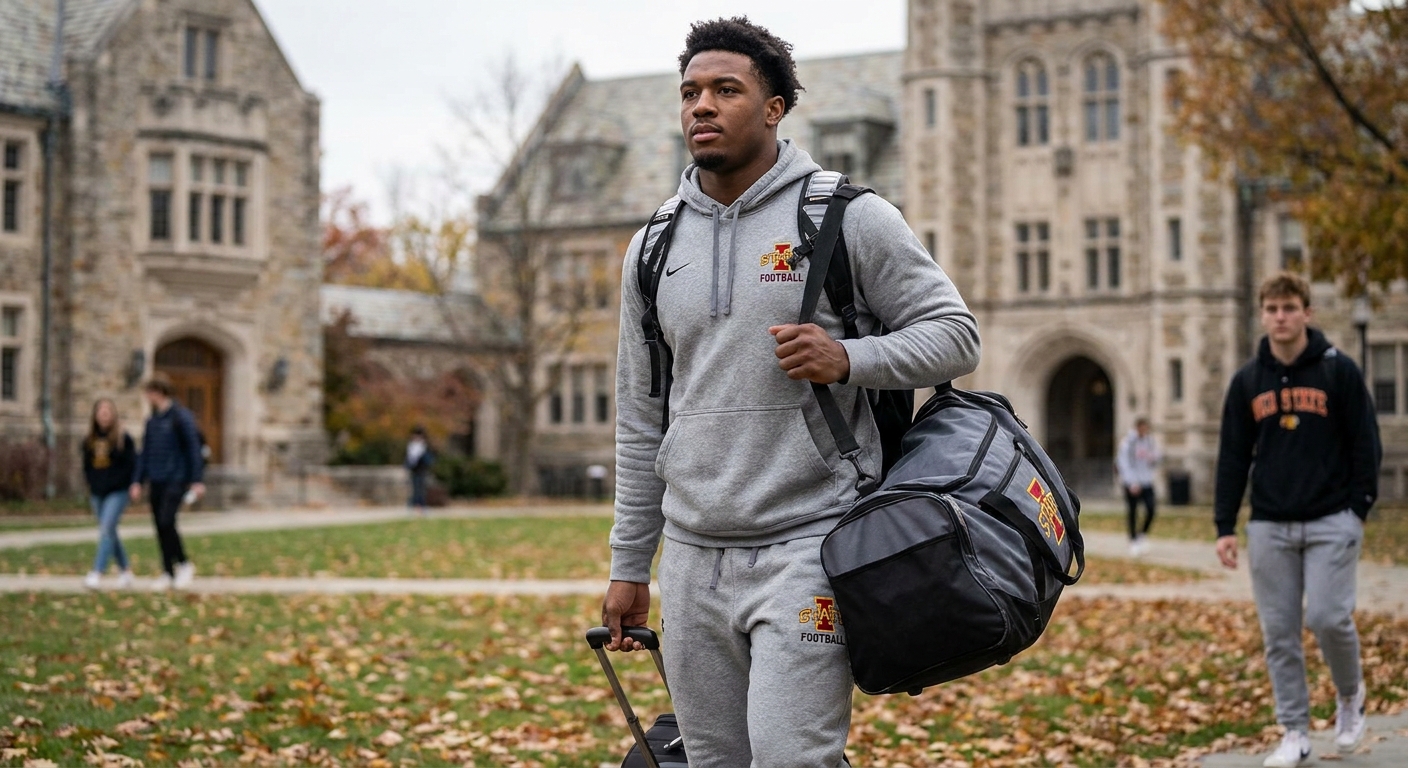
Retention is the new battle
When I played, the grind was physical, but the uncertainty was emotional. You compete every day, you wonder where you stand, you fight for minutes. Now add this layer: if you outperform expectations, you may need to renegotiate your “value” just to stay put.
NIL has turned roster retention into a weekly front office job.
- Breakout players can price themselves into portal interest.
- Depth players can shop for a better financial fit elsewhere.
- Programs can backfill losses quickly, but they also have to constantly re-recruit their own locker room.
The human cost
Most athletes still want stability. Most coaches still want buy-in. But when money becomes part of the equation, departures can feel less like “a tough decision” and more like “a business move.” That is not inherently wrong. It is just different. And it changes trust inside a program if expectations are not clear from day one.
Competitive balance
College sports were never equal. The bluebloods have always had advantages: budgets, brand exposure, donor bases, and TV time. NIL did not invent that. What NIL did was make the advantage more flexible and more immediate.
Instead of waiting for a five-star to choose your tradition, you can now pair tradition with a tangible earning opportunity. Instead of “we develop pros,” it is “we develop pros and your brand starts paying now.”
Who wins most
- Programs with wealthy, organized donor networks that can fund collectives reliably.
- Programs in big media markets where local endorsements are plentiful.
- Programs that win, because winning boosts exposure, and exposure boosts NIL value.
Who can still overachieve
Underdog stories are not dead. But the path is narrower and requires sharper strategy. The best “have-not” programs tend to do at least one of these things well:
- Develop players better than anyone expects
- Build a coherent brand that players want to attach to
- Offer consistent playing time and a clear role
- Create strong local NIL pipelines through businesses, not just donors
Collectives and boosters
If NIL is the engine, collectives are often the fuel line. They have professionalized quickly, and in many places they operate like external roster support departments.
This has created a strange new middle layer in college sports:
- Schools and coaches are often restricted in how directly they can arrange or promise NIL deals, depending on state law, school policy, and rules that have been in flux.
- Collectives can communicate opportunities in ways that influence decisions.
- Athletes and families are forced to evaluate financial credibility, not just football or basketball fit.
That is a lot to put on an 18-year-old choosing a campus.

Women’s and non-revenue sports
Here is the part that gets missed when the conversation is stuck on quarterback numbers.
NIL has opened doors for athletes in sports that do not always get prime TV slots but do create recognizable, marketable personalities. Gymnastics, volleyball, softball, women’s basketball, and even niche Olympic sports can produce athletes with loyal followings and strong brand alignment.
Why it works
- Social media storytelling lets athletes build audiences without waiting for network exposure.
- Local community support can be stronger in these sports than people assume.
- Brand safety matters to sponsors, and many of these athletes present strong partnership fits.
NIL is not a cure-all for resource gaps in women’s sports. But it has created legitimate earning lanes for NIL-based endorsements and brand deals while maintaining eligibility, which simply did not exist at scale before.
Locker room dynamics
Let’s be honest: pay differences in a team environment are tricky, even in the pros with collective bargaining and public contracts. In college, the numbers are less transparent, more rumor-driven, and sometimes tied to external promises.
That can lead to:
- Jealousy when perceived value does not match production
- Pressure on high earners to perform immediately
- Quiet resentment from veterans who feel replaced by portal spending
Great coaching staffs are now part tactician, part relationship manager, part salary-cap diplomat. The best ones get ahead of it with clear standards: role clarity, accountability, leadership councils, and financial literacy resources.
In every locker room I have been around, what players want most is respect. NIL just changed how quickly respect can get tangled up with a dollar sign.
Education, taxes, and brand life
NIL money is real income. That means taxes. Contracts. Intellectual property clauses. Deliverables. Deadlines. Sometimes agents. Sometimes bad advice from someone who sounds confident on the phone.
One of the most important NIL developments has been the growing push for athlete support systems:
- Financial literacy programs
- Tax guidance and basic accounting help
- Contract review resources
- Brand-building education that does not feel like a scam seminar
Schools that treat NIL education as part of athlete wellness, not just a compliance checkbox, are doing their athletes a real service.
What NIL improved
1) Athletes can share in the value
For decades, everyone got paid except the talent. Coaches, TV networks, apparel partners, ticket offices, and entire college towns. NIL is not perfect, but it is a moral correction in a system that was overdue.
2) Families get relief
Training costs money. Travel costs money. Nutrition costs money. Sometimes a small NIL deal is not “extra.” Sometimes it is what keeps an athlete from taking on debt or forcing a parent to pick up another shift.
3) Entrepreneurship is now part of the path
Some athletes are building businesses, hosting camps, and learning marketing skills that matter long after the final whistle.
Note on “measurable” impact: The hard numbers change quickly and vary by sport, school, and reporting source. But the directional shift is undeniable: more athletes are earning, more businesses are participating, and more programs are building formal NIL support structures than existed pre-July 2021.
What NIL stressed
1) Rules lag reality
College athletics is operating with patchwork state laws, shifting NCAA guidance, and conference-level improvisation. That creates uncertainty for everyone and invites constant disputes over what counts as “pay for play” versus legitimate NIL activity.
2) Tampering is harder to police
When incentives exist, people will find creative ways to communicate them. The transfer portal era plus NIL has made enforcement feel like trying to referee a game from the parking lot.
3) Smaller programs get squeezed
Not every school has a donor base that can keep up. And when a mid-major develops a star, keeping that star is harder than it used to be. Development programs risk becoming farm systems for richer brands unless new structures emerge.
What needs fixing
If NIL is going to be sustainable, college sports needs fewer gray areas and more consistent guardrails. You do not need to hate NIL to admit the current version is messy.
Priorities
- Standardized national rules that reduce state-by-state chaos
- Transparency requirements that protect athletes from predatory contracts
- Clearer boundaries between schools, collectives, and recruiting activity
- Better athlete education on taxes, obligations, and long-term planning
And yes, the biggest conversation is still sitting at midcourt: whether athletes should be treated as employees, and what collective bargaining could mean for revenue sharing, health coverage, and eligibility rules. Right now, that future is still being shaped by litigation, policy shifts, and negotiated workarounds rather than one clean national standard. That debate is not going away. NIL just poured gasoline on it.
The bottom line
NIL did not ruin college sports. It revealed college sports.
It exposed what was always true: value drives decisions, and the people generating that value deserve options. But it also introduced a faster, louder, less regulated form of roster economics that can undermine stability and deepen existing inequalities.
If you are a fan, it is okay to feel two things at once. You can miss the simplicity of the old era and still believe athletes deserve to earn. You can hate the chaos and still love the Saturday drama. Because the heart of college sports is still there, in the band, in the student section, in the senior who finally gets his moment.
NIL changed the deal. The challenge now is making sure it improves the lives of athletes without turning every campus into a bidding war with no end.