
There are returns that feel like a player checking a box, and returns that feel like a roster getting a key piece back. Trevor Story’s 2024 comeback lived in the second category. It did not arrive with instant fireworks, but it came with context you could not ignore: a serious left-shoulder injury, a long rehab timeline, and the slow rebuild of trust in an arm that has to throw on the run and still let the swing finish.
Story injured his left shoulder on April 5, 2024, diving for a ball against the Los Angeles Angels. The club described it as a significant shoulder injury that required surgery, with repair work in and around the joint. The practical reality was the same: the kind of fix that turns a return into a calendar project and makes every future throw feel like a test you have to pass again.
Game capsule
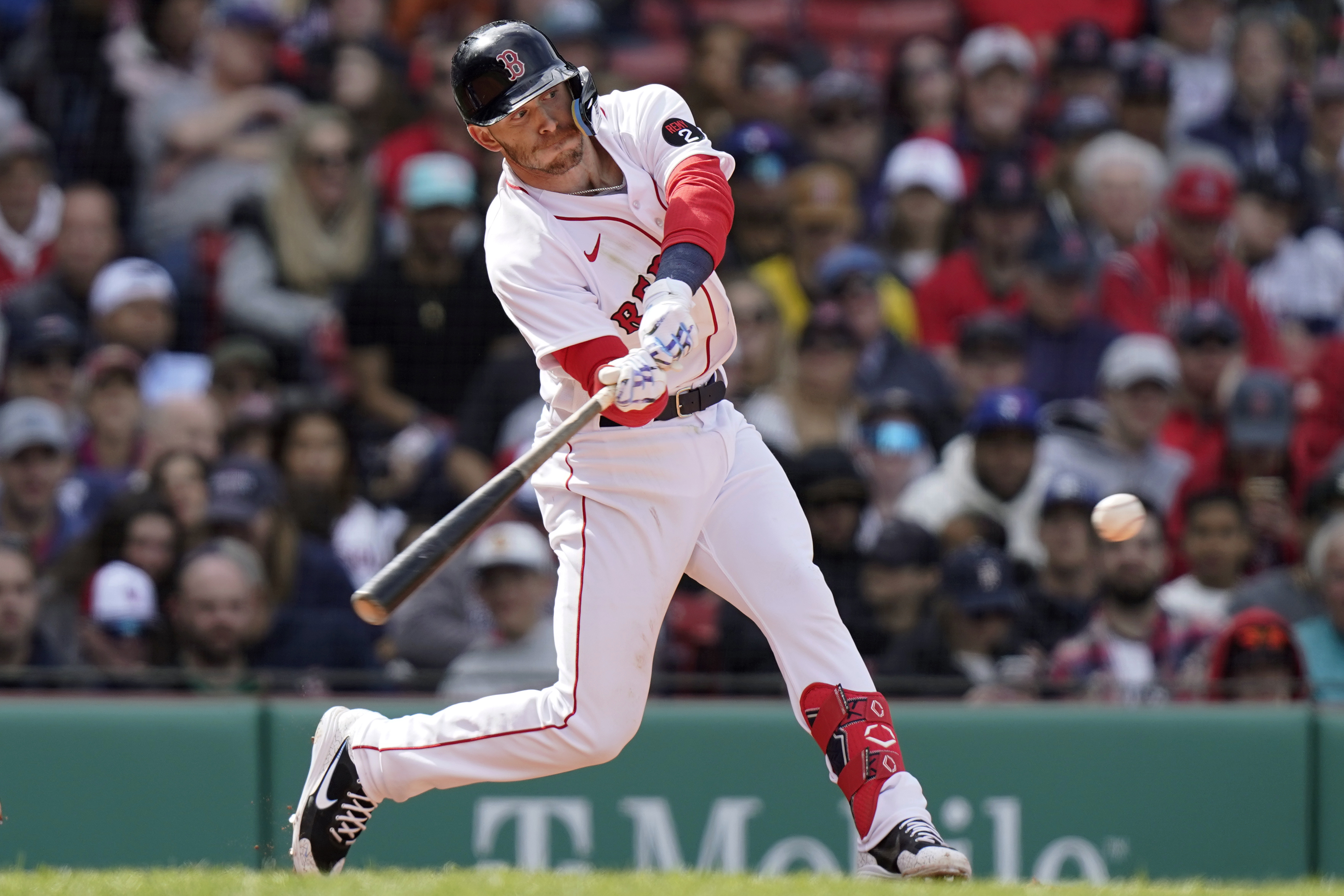
Sept. 7, 2024: Story was activated and returned against the Chicago White Sox, starting at shortstop and batting seventh. Boston won 7-5. Story went 1-for-4 with a single and played the full game at shortstop.
The hit was not complicated, and that was the point. In his first game back, he stayed through the ball and lined a clean single to left. It read like a swing that was not being babysat.
And the defense was not ceremonial either. Early on, he handled a routine ground ball and finished the 6-3 with a clean throw across the diamond. Ordinary, yes. Also meaningful, because those are the plays where the shoulder has to be honest.
The return
From April 5 to early September is a gap long enough to change plenty. Timing does not simply rust. It slips away. Strength has to be rebuilt with daily work. Confidence shows up in the boring places: taking a full swing, finishing a hard throw, and moving through a play without a second thought.
That bridge from surgery to activation was built in the minors. Story logged a rehab assignment with Triple-A Worcester, stacking games, at-bats, and throws in a setting where the scoreboard matters less than the next morning’s shoulder check. Over that stint, he played 4 games.
That is why his activation mattered. It nudged Boston closer to its intended infield alignment and put a right-handed bat back into the everyday lineup. It also landed with urgency. On Sept. 7, Boston sat 6.5 games back of the final AL Wild Card spot.
What changed
When a shortstop goes down for months, the job does not disappear. It gets spread around. Boston covered the position with a mix of internal options and shifting roles, with David Hamilton taking on the largest share of the work and Ceddanne Rafaela also seeing meaningful time as the club mixed and matched based on pitching, matchups, and the day’s defensive needs.
In Story’s absence, Hamilton made 71 starts at shortstop, while Rafaela made 33. Those totals capture the season-long point: a premium position handled by committee, then handed back to the player built for it.
The impact showed up in two places: defensive stability and lineup balance. Story’s return adds more than one name to the card. It lets the rest of the infield slide back toward more natural assignments and gives the manager cleaner matchup choices late in games.
It also clarified roles quickly. With Story back at short, Boston could use Hamilton and Rafaela more deliberately, leaning on their speed, versatility, and late-inning utility instead of asking either one to absorb shortstop every night.
Long layoffs
Fans tend to measure returns with one question: did he hit? Clubhouses use a different checklist: did he move freely, did he finish his throws, did he protect himself in ways that change his game, did he look like he trusted contact?
After a layoff like this, the first goal is getting back to normal. The early days are about surviving the awkward parts of baseball again, the plays where there is no time to think, the swings where guiding the barrel does not work, the moments where the shoulder has to hold up under stress. It is the quick release on a routine grounder, the longer carry across the diamond, the instinctive throw when you have to plant late and still get something on it.
- At-bat intent: Is he letting it rip, or steering the bat?
- Throwing rhythm: Does he get rid of the ball cleanly, or does every throw come with an extra hitch?
- Next-day feel: The real test starts the next day, when soreness tries to rewrite the plan.
Health and trust
Teams activate players all the time who are technically available but still building trust in the spots that matter most: late innings of a one-run game, a hard throw in the hole, a high-leverage at-bat where you cannot cheat the swing. Story’s return carried extra weight because the rehab was long and shortstop asks the shoulder to be honest on every rep.
One game does not settle durability questions. A return date is simply the start of the next stretch, where routine becomes the proof. Boston does not need a flawless version of Story right away. It needs him on the field, and it needs the shoulder to let him play without constant compromises.
In the first week back, the usage usually tells the story. Clubs tend to stack a few starts, then sprinkle in a recovery day, especially after travel or night games. The goal is not to hide the player. It is to keep the shoulder strong enough that his actions stay aggressive instead of cautious.
What to watch next
- Recovery days: Does he need frequent off days early, or can he stack games without the swing slowing down?
- Defensive workload: How often does Boston ask him to take the toughest reps, especially the long throws and awkward angles?
- Contact quality: Extra-base authority is a fast indicator that the body is letting the swing be the swing.
Lineup effect
Baseball people love to say, “It lengthens the lineup,” and it can sound like a cliche until you see how it changes the other manager’s choices. A healthier, more complete Boston order can do three concrete things in tight games:
- It narrows the safe pockets for opposing relievers. There are fewer comfortable matchups.
- It changes late-inning decisions. Pinch-hit plans, intentional-walk lanes, and bullpen sequencing all shift.
- It reduces the squeeze on role players. Guys breathe easier when they are slotted where they belong instead of being asked to play up a tier.
Story brings a right-handed threat that can change how pitchers sequence and how Boston can set the infield behind its arms. Even before full rhythm returns, his presence affects how innings are navigated.
Why it matters
It is tempting to hang every comeback on one perfect swing. This one is easier to understand through accumulation: months away, a repaired shoulder, a rehab ramp that put real innings under him, and then a night where the game asked for full-strength throws and real at-bats in a 7-5 win. Story’s return mattered because it brought back a player who can stabilize an infield, deepen a lineup, and give Boston another credible way to win innings while the season keeps moving.
Sometimes the loudest development is simple: getting a piece of the team back under big-league speed, with the year still on the clock.