
I have seen plenty of penalties flip a hockey game, but nothing changes a bench faster than an official skating over, pointing to the gate, and sending someone packing. That is the moment you are dealing with a game misconduct, one of the sport’s clearest signals that a player or coach crossed a line beyond a routine minor.
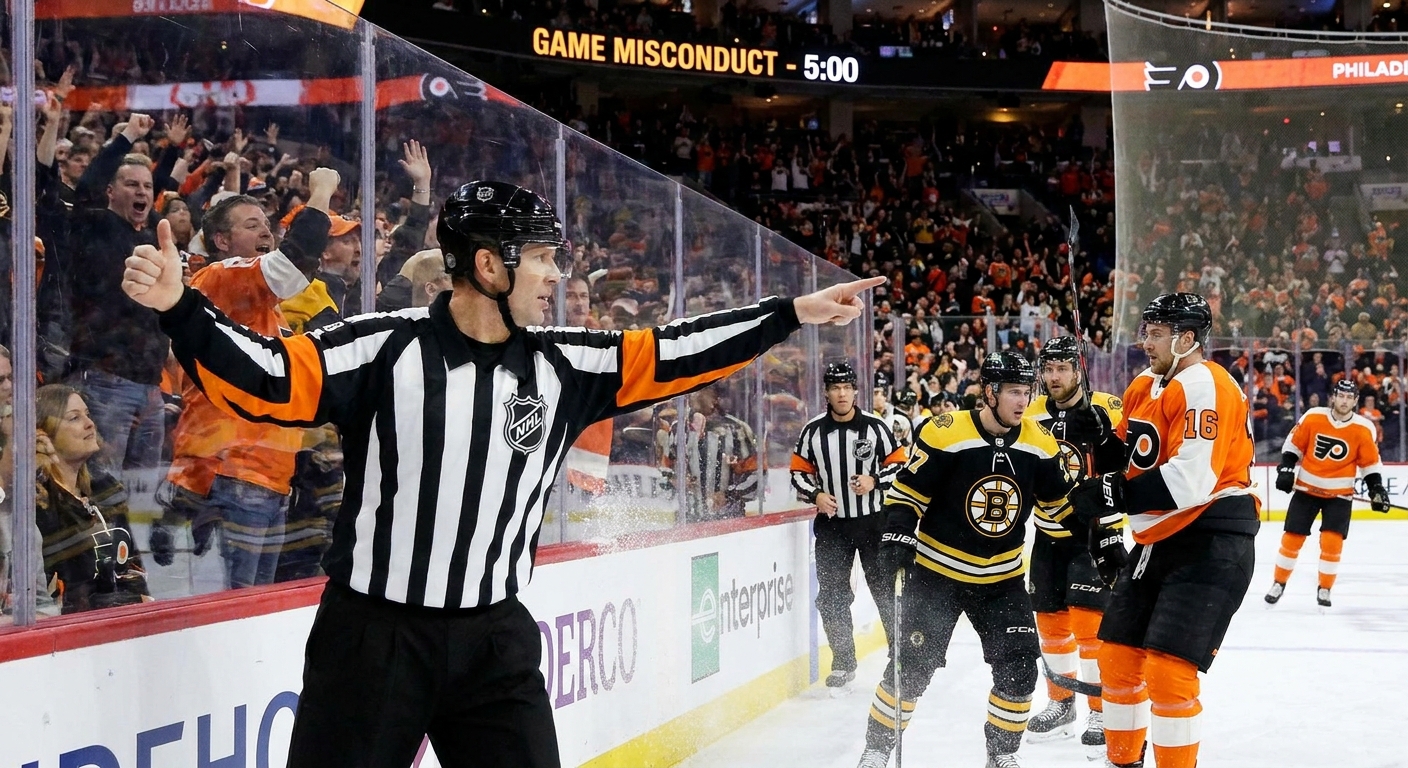
Game misconduct, explained
A game misconduct is a penalty that ejects a player (or sometimes a coach) for the remainder of the game. The key detail for fans is this:
- A game misconduct by itself does not create a power play for the opponent.
- The punished team generally stays at even strength on the ice, unless another timed penalty is assessed at the same time.
Think of it as the league saying, “You are done for tonight,” without automatically saying, “And your team has to play shorthanded right now.”
Quick league note: The core idea is consistent across NHL, USA Hockey, and IIHF style rulebooks, but the exact triggers and wording vary. What follows is the standard way it works in most top-level codes.
Does the team play shorthanded?
Not because of the game misconduct alone. The ejected player is removed from the bench and the game, but the team is not forced to play down a skater just because “GM” is on the sheet.
What actually happens
- The team continues with the rest of its dressed lineup.
- The coach simply re-rolls lines without the ejected player.
- No one sits in the penalty box to “serve” a game misconduct itself because there is no timed manpower disadvantage attached to the GM label.
The important exception is when the game misconduct comes packaged with a timed penalty (a minor, double minor, major, match, or even a bench minor depending on the situation). In that case, a teammate serves the timed portion, and the team plays shorthanded (or not) based on that timed penalty.
In most rulebooks, the coach chooses which player serves that timed portion, with a few situation-specific restrictions.
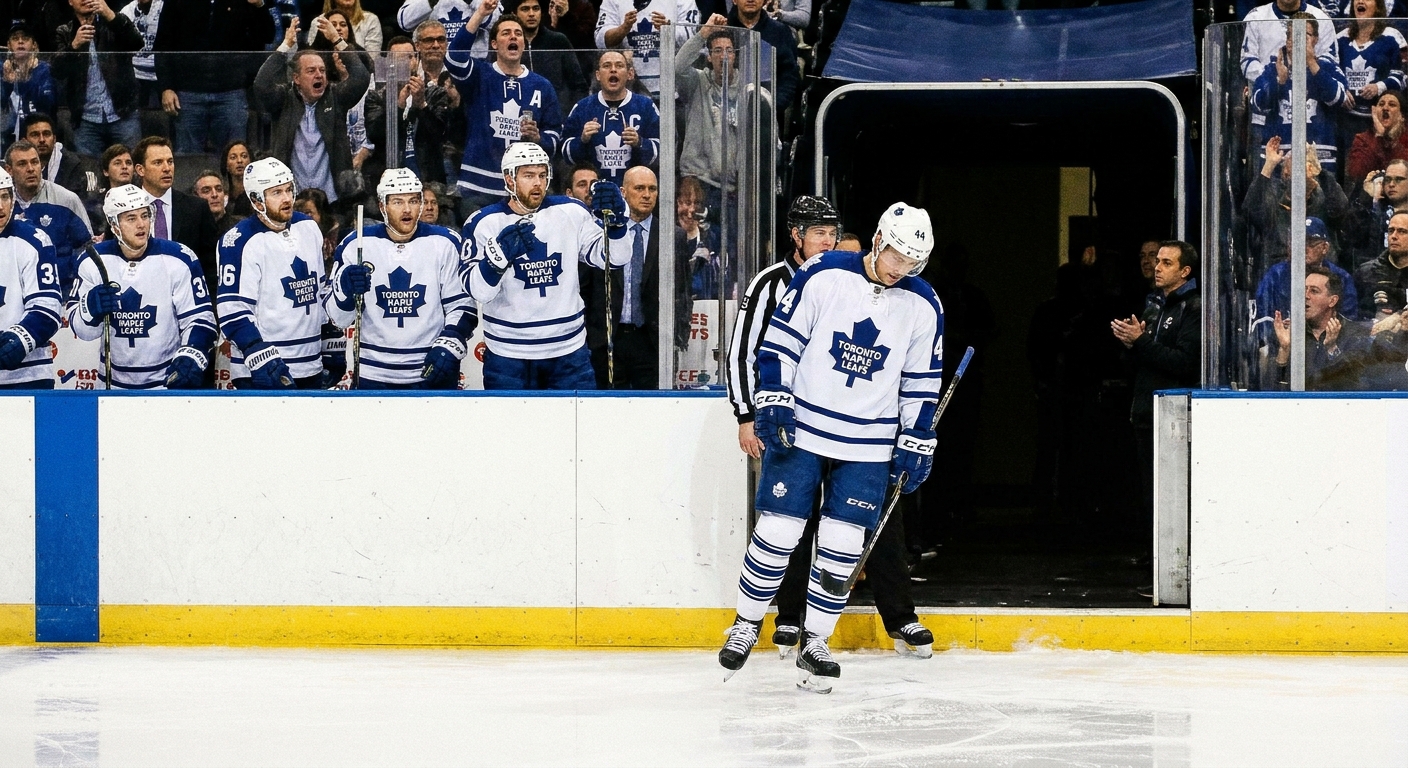
Does it mean a power play?
Not automatically. This is where fans get tripped up, especially if they are coming from sports where ejections routinely create a numeric advantage.
In hockey, the power play is tied to timed penalties (minors, double minors, majors, and some bench minors) that put someone in the box and reduce on-ice strength. A game misconduct is an ejection, not a timed shorthanded situation.
When a power play can happen anyway
A game misconduct often appears alongside other penalties, like:
- Minor + game misconduct (commonly tied to abuse of officials or certain escalating conduct)
- Major + game misconduct (often tied to dangerous plays)
- Match penalty (ejection plus a major-like shorthanded component)
In those cases, the opponent’s power play is because of the minor, major, match, or bench-minor component, not because “game misconduct” exists as a label.
Common reasons for a game misconduct
Game misconducts are rulebook-dependent, but in most leagues they show up in two buckets: behavior and severity.
1) Conduct and abuse
- Abuse of officials (language, gestures, persistent arguing)
- Inciting or escalating after the whistle
- Leaving the bench to join an altercation (often brings heavier consequences)
- Continuing misconduct behavior after already being penalized
2) Situations tied to bigger penalties
- Boarding, checking from behind, or other high-risk hits that rise to a major
- Instigator-type sequences that escalate beyond a standard fighting major in some leagues
- Third-man-in or aggressor situations (rule-dependent, but often an automatic ejection)
- Intent to injure situations that result in a match-type ruling
In plain language, referees use game misconducts to remove someone who is either crossing a conduct line or involved in something serious enough that the game needs to cool down.
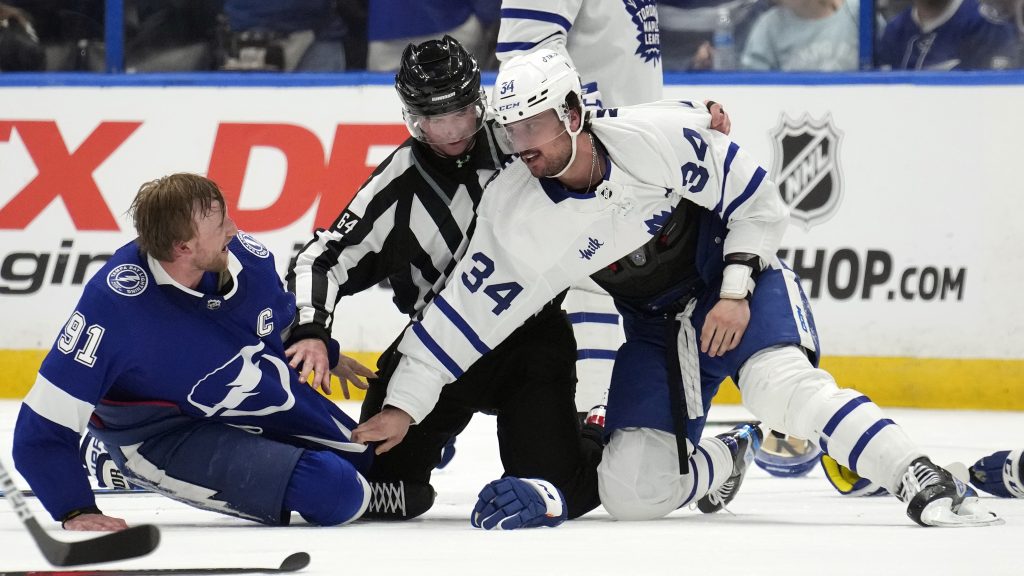
Game misconduct vs. 10-minute misconduct
This is the most important distinction for understanding the penalty sheet.
10-minute misconduct
- The player is penalized for 10 minutes.
- The player’s team typically plays at even strength (no power play created by the misconduct itself).
- The player can return after 10 minutes and keep playing.
Game misconduct
- The player is ejected for the rest of the game.
- The team still typically plays at even strength unless another timed penalty is included.
- The player cannot return.
If you want a quick memory hook: a 10-minute misconduct is a long timeout in the penalty box area of your night, while a game misconduct is the usher tapping you on the shoulder and ending it.
How it affects the team
Even when there is no power play attached, losing a player for the rest of the night can swing matchups and momentum in a hurry.
- Line juggling: Coaches shorten the bench, double-shift top forwards, or break up a shutdown line that was working.
- Special teams ripple: If the ejected player is a key penalty killer or power-play net-front guy, every unit gets reshuffled.
- Emotional swing: Sometimes the team rallies. Other times, it is a gut punch that lingers for two periods.
As a former player, I can tell you the mental part is real. When a teammate gets tossed, the bench gets louder, then quieter, then very focused. Hockey has a way of turning chaos into structure fast.
How it shows up in the box score
This is a common point of confusion: in many leagues, a game misconduct is recorded as 10 penalty minutes in the stats, even though the practical punishment is the ejection. So if you see “GM” and “PIM” jump by 10, that is why.
Quick FAQ
Is a game misconduct the same as a match penalty?
No. A match penalty includes an ejection and also brings a timed shorthanded component (major-like). A game misconduct is an ejection that does not automatically cause a power play.
Can a coach get a game misconduct?
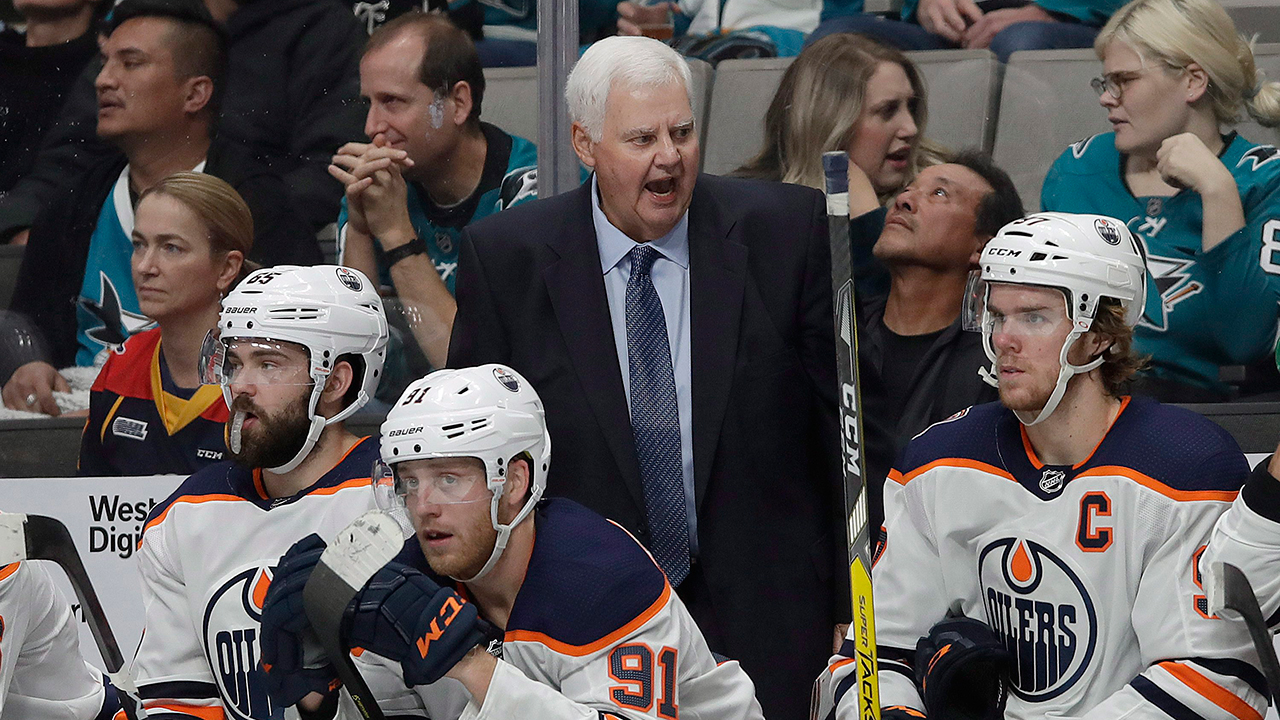
Yes. In many leagues, coaches can be assessed misconducts and game misconducts, typically tied to abuse of officials or persistent bench behavior. The practical effect is the coach is removed from the bench area for the rest of the game, and another staff member typically takes over duties.
Does the ejected player get suspended automatically?
Not automatically. Some game misconduct situations trigger automatic review depending on league rules, and anything involving intent to injure can bring supplemental discipline. But the game misconduct itself is not a guaranteed suspension.
Does the player have to sit in the penalty box?
Typically, no. A game misconduct means the player is removed from the game and sent to the locker room area per arena procedures.
The simplest way to remember it
If you take nothing else from the rulebook language, take this: a game misconduct is an ejection. It is meant to remove a player or coach from a game that is getting unsafe, out of hand, or disrespectful, and it usually does not hand the opponent a power play unless another timed penalty comes with it.