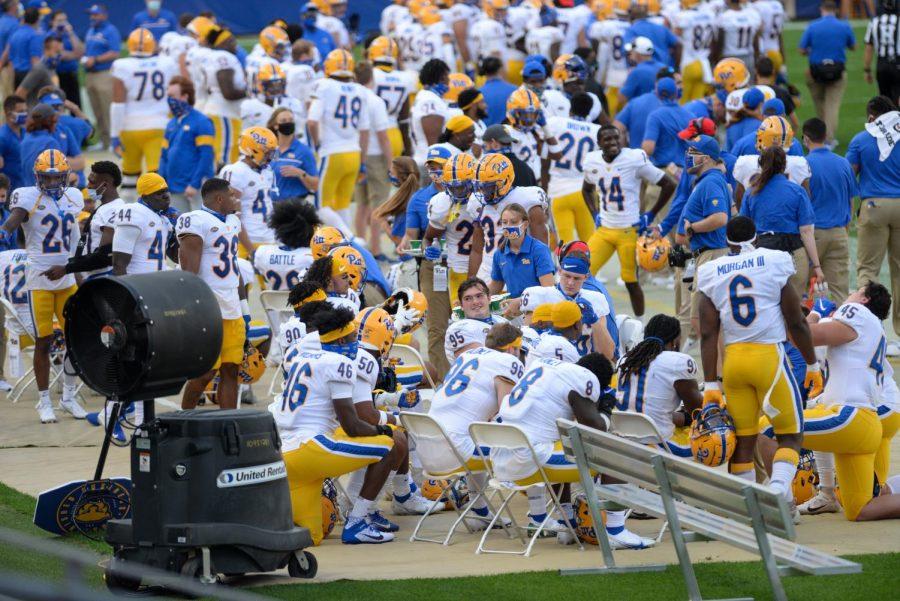
I remember being a freshman in a Division II gym, thinking I was ready for anything. Then I watched a teammate who could absolutely play right away spend the whole year in practice gear, grinding through scout team reps like it was Game 7. He got stronger, learned the system, and when his moment finally came, he looked like he had been in the rotation for years. That is the redshirt year in a nutshell: no headlines, a ton of work, and a long view on development.
In college sports, “redshirt” can sound like secret code. It is not. It is simply a roster and eligibility choice that changes whether a season counts as competition, even though time keeps moving.

Redshirt year definition
A redshirt year is a season in which an athlete does not use a season of competition. In most programs, that athlete still:
- Practices with the team
- Lifts and conditions in the team program
- Attends meetings, film sessions, and travels in some cases
- Develops physically and tactically within the program
The key idea is simple: you are on the team, but you are not spending one of your competition seasons.
Seasons vs. the eligibility clock
This is where fans and families often get tripped up, because eligibility is not tracked the exact same way across every NCAA division or sport. The terms you hear most depend on where you are playing, so when in doubt, confirm with your compliance office.
1) A redshirt preserves a season of competition
When you redshirt, the goal is to keep that year from counting as one of the seasons in which you actually compete.
2) The clock still runs, but the clock depends on division
In NCAA Division I, most people are talking about the five-year clock. In plain English, once your clock starts, you usually have five calendar years to use your four seasons of competition.
In Division II and Division III, eligibility is commonly discussed in terms of seasons of competition and term limits (often described as the semester or quarter count), along with progress toward degree rules. The practical takeaway is the same: redshirting saves competition usage, not the passage of time.
What it looks like day to day
From a player’s perspective, a redshirt season can feel like living in the in-between. You are in the grind, but you are not living the same game-night routine as the rotation players.
Typical redshirt responsibilities can include:
- Scout team work: mimicking upcoming opponents in practice
- Skill development: targeted shooting, footwork, position drills
- Strength gains: the “freshman body” transformation is real
- System learning: terminology, reads, audibles, defensive rotations

Limited play rules
This is the part that confuses people, because the rules are not identical across sports.
Football (Division I)
In NCAA Division I football, the best-known example is the four-game redshirt rule. A player can play in up to four games in a season and still be considered a redshirt for that year, meaning the season does not count as a season of competition.
That is why you will see true freshmen get a small package, special teams reps, or a late-season look without the program burning a full year of competition.
Other sports
Outside of Division I football, do not assume there is a clean “you can play X games and keep your redshirt” rule. In many sports, once you compete, that season is more likely to count, and getting a season back is often tied to a hardship waiver rather than a simple contest limit.
The practical advice is simple: if you are near the line, do not guess. Confirm your sport’s standard with your coaches and the school’s compliance office before you step into another contest.
Why athletes redshirt
Redshirting is not automatically good or bad. It is a strategy, and the fit depends on the athlete, the roster, and the sport.
Common reasons
- Physical development: adding strength, speed, or endurance to match college pace
- Depth chart reality: veterans ahead of you and limited immediate opportunity
- Skill and position transition: learning a new position or role
- Long-term planning: aligning your best playing years with when you are most ready
Sometimes a redshirt is also about protecting confidence. Competing before you are ready can be a tough learning experience. Practicing into shape can be a healthier ramp.
Standard vs. medical redshirt
People also use “redshirt” to mean two different things.
Standard redshirt
This is the typical development year. You and the staff plan it. You either do not compete at all, or you compete only within your sport’s rules (like the four-game rule in Division I football).
Medical redshirt (hardship waiver)
A medical redshirt, commonly called a hardship waiver, is different. It is usually used when an athlete’s season is cut short by injury or illness after limited competition.
While the exact standard is sport specific, the usual theme is: the injury or illness happens early enough, your participation stays below a defined threshold, and the school files documentation for approval through the proper channels.
If it is even a possibility, loop in your athletic trainer, coaches, and compliance staff immediately.
Scholarship and roster questions
This is one families ask all the time: a redshirt year does not automatically change your scholarship status by itself. But scholarship decisions, roster size pressure, and what the staff expects from you during a redshirt can vary by program and situation. If you are discussing a redshirt, ask directly how it affects your role, your aid, and the plan for the year.
Travel and dressing
Often, yes. Many programs keep redshirts fully integrated with the group, including travel and sideline roles, depending on team policies and sport-specific rules.
The important distinction is not whether you are present on game day. It is whether you participate in competition in a way that uses a season of competition.
Redshirt myths
Myth: “Redshirt means you are not good enough.”
Sometimes it is about readiness, sure. But I have seen redshirts turn into conference standouts because the year gave them time to build their game and their body.
Myth: “Redshirt means you are not part of the team.”
In the gym, in the weight room, in the film room, redshirts are absolutely part of the team. In many practices, they are the engine.
Myth: “Redshirt means you cannot play at all.”
Not always, but it depends heavily on the sport. In Division I football there is a clear four-game allowance. In other sports, competing may trigger the season counting, unless you later qualify for a hardship waiver.
Myth: “Redshirt freezes your eligibility timeline.”
No. A redshirt year is about competition seasons. Your broader eligibility timeline continues to move forward, and the exact framework depends on your division and sport.
Quick FAQ
Is a redshirt year the same in every sport?
The core idea is consistent: staying on the team while not using a season of competition. The details vary by sport, division, and governing body, so athletes should confirm specifics with their compliance office and coaching staff.
Do you still practice during a redshirt year?
Yes, that is the point most of the time. A redshirt year is often a heavy development year built around practice reps, training, and learning the system.
Does a redshirt year count as a season played?
It is intended to not count as a season of competition. But your overall eligibility timeline still moves forward, and in some sports there are specific participation rules that can affect whether a season counts.
Bottom line
A redshirt year is a season where an athlete can practice and develop without using a season of competition. In some situations, like Division I football, that can also include limited game action while still preserving the redshirt.
Just remember the tradeoff: you may preserve a competition season, but time still passes, and the exact eligibility framework depends on your division and sport.