
I have buddies who still talk about college sports like it is 2008. Same rivalries, same traditions, same Saturday routines. Then they hear the phrase “NIL collective” and suddenly it feels like somebody swapped the whole playbook overnight.
Here’s the reality: collectives are not the same thing as a school paying players directly, and they are not a secret NCAA slush fund either. I get why people assume that, though. You’ve got booster money, a lot of behind-the-scenes fundraising, and deals that aren’t always publicly itemized like a typical sponsorship campaign. That combo makes fans skeptical.
But at their core, collectives are organized groups that raise money and help connect athletes with name, image, and likeness opportunities.
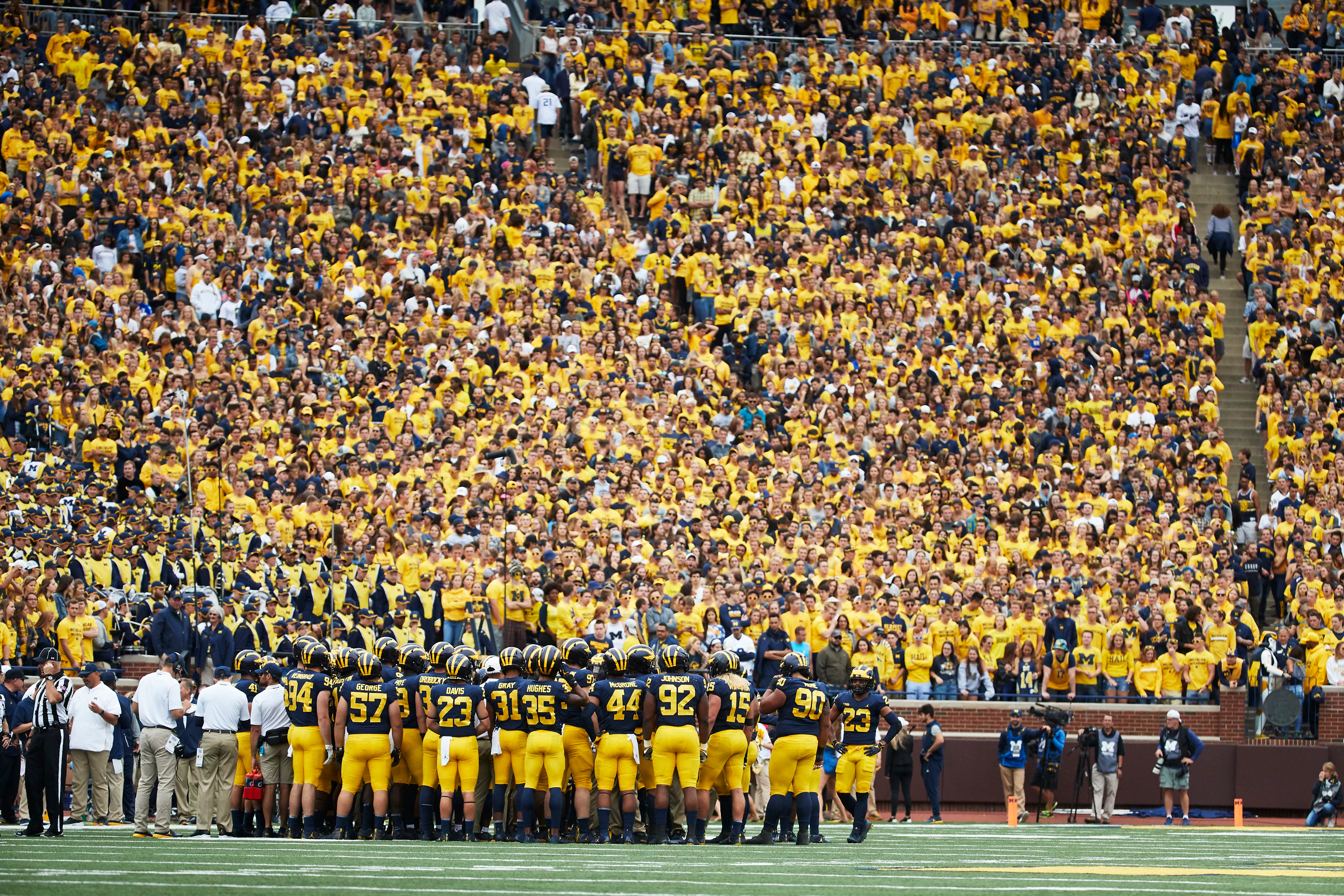
What an NIL collective is
An NIL collective is a group, typically made up of donors and supporters of a specific college, that raises and pools money to help facilitate NIL opportunities for athletes at that school.
Many collectives are legally separate from the university, operating alongside a school’s athletic ecosystem rather than inside the athletic department. That said, the relationship can range from arm’s-length to closely aligned. Some collectives have formal partnerships, use school marks under a licensing agreement, or coordinate with school-run NIL education efforts, even if the collective itself is still a separate legal entity.
Structurally, they’re often formed as an LLC, and some operate using a nonprofit model. Nonprofit status varies widely and can come with its own IRS and compliance considerations depending on how the collective is organized and what it pays athletes to do.
In plain terms, a collective is the organized “hub” that helps:
- Gather money from boosters, fans, and businesses
- Create NIL opportunities (often through marketing deals, appearances, endorsements, social media work, or community initiatives)
- Match athletes with those opportunities and handle logistics like contracting and payment processing
Because the collective is often the best-funded and best-organized NIL option connected to a program, it can become a major player in how a roster is built and retained.
How collectives raise and pool money
Collectives are built on the same fuel that has always powered big-time college sports: donor dollars. The difference is the money is being organized around NIL activity rather than, say, a facility upgrade or a fundraising drive for the athletic department.
Common funding sources
- Booster donations from high-dollar supporters
- Membership-style contributions from fans, sometimes monthly
- Business partnerships where local or regional companies contribute in exchange for athlete campaigns
- Events and fundraisers like golf outings, dinners, auctions, and meet-and-greets
How the money typically gets used
The money a collective brings in is generally used to support NIL activity in one of a few ways:
- Direct NIL deals with athletes for promotional work, appearances, or content
- Campaign-based arrangements where athletes are grouped for a specific sponsor push
- Community-focused programs that pay athletes for public-facing work like youth clinics or charity promotions
The important detail is that, in theory and in contract language, the money is tied to NIL services, not simply being “paid to play.” That distinction is where a lot of scrutiny starts.
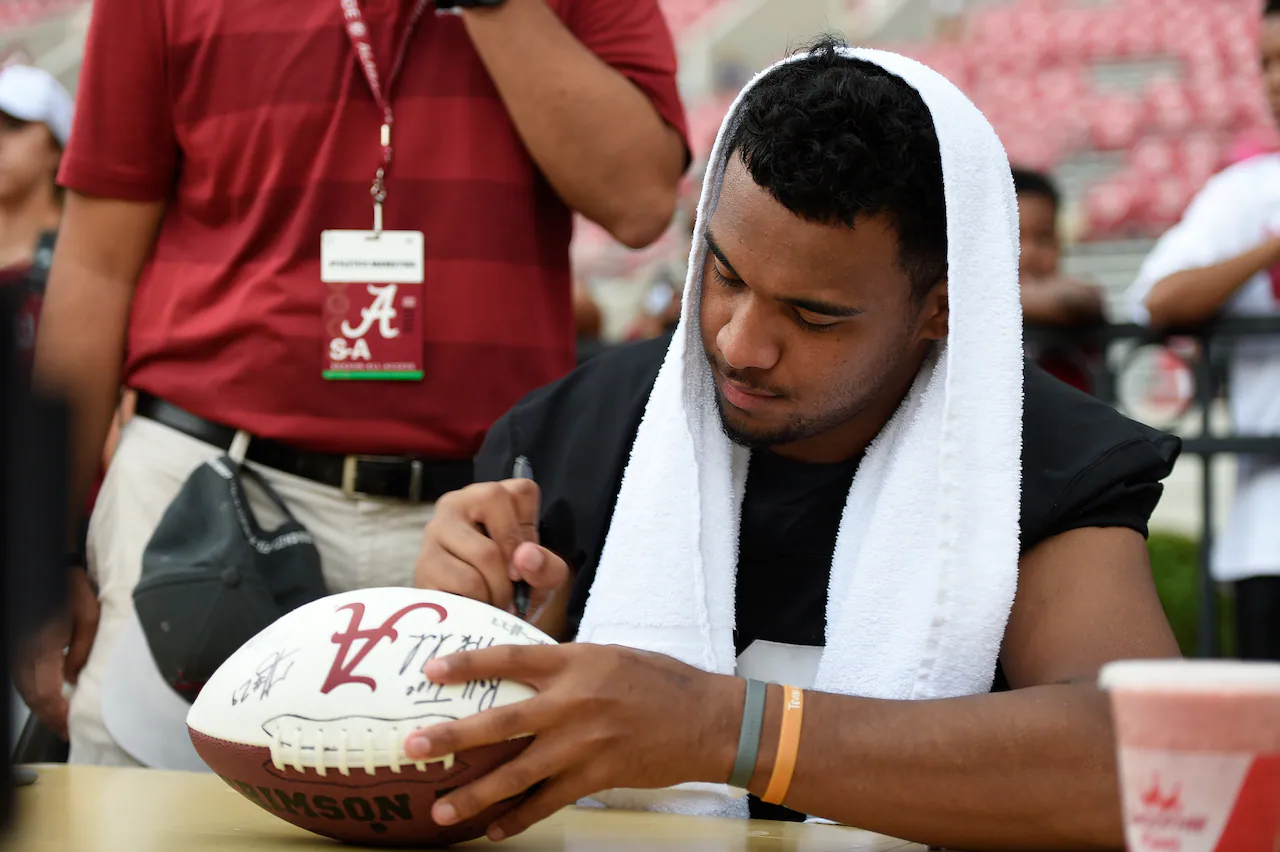
NIL collective vs. revenue sharing
This is where a lot of confusion comes from. People hear “money to athletes” and assume it is all the same bucket. It is not.
What an NIL collective is (outside the school)
- Often separate from the university, though it may be affiliated or licensed
- Money comes from donors and businesses
- Athletes are paid for NIL rights and services (marketing, appearances, content)
- Payments are structured through contracts that describe what the athlete will do
What revenue sharing is (inside the school)
Revenue sharing is the concept of athletes receiving money that comes from the athletic department’s revenues: think media rights, ticket sales, conference distributions, sponsorships, and other school-controlled income.
Revenue sharing is closer to an employment-style model, even if the legal definitions across college sports are still evolving. It is also something a school would generally administer, budget for, and report through institutional processes, though the exact models are still emerging and can vary by conference, school, and whatever the next round of governance looks like.
So the clean way to remember it:
- Collective NIL is usually donor-driven and external.
- Revenue sharing is usually school-driven and internal.
In the current landscape, you can see both operating in parallel, and in some places, competing for what they can promise athletes and how they pitch stability.
How collectives affect recruiting
Recruiting has always been about relationships, fit, opportunity, and development. NIL collectives add a new piece to that conversation: what kind of NIL infrastructure exists around the program.
In most settings, coaches and staff are operating under rules and school policies that put guardrails on how directly they can arrange NIL or coordinate with collectives. The big picture is simple: recruiting inducements and anything that looks like direct “pay to come here” is high-risk territory.
Recruits and their families can still ask practical questions like:
- Is there a collective supporting athletes in my sport?
- What kinds of NIL deals have players on this roster done?
- Who helps with contracts, taxes, brand building, and scheduling?
- Are opportunities mostly local businesses, national brands, or donor-funded campaigns?
A strong collective can function like an organized support system that makes a school more attractive, especially when two programs look similar on the football or basketball side.
That said, the programs that stay healthiest are usually the ones that treat NIL as part of the athlete experience, not the entire pitch. The best “NIL plan” still falls apart if the player does not get developed or does not win a role.
How collectives affect the portal
If recruiting is the front door, the transfer portal is the side door that swings open a lot more often than it used to. Collectives are heavily involved here because portal recruiting moves fast and is built on quick roster needs.
Why portal athletes ask about collectives
- Time pressure: portal windows are short, decisions happen quickly
- Role uncertainty: athletes want clarity on fit and opportunity
- Cost of moving: transferring can mean new housing, new training setup, and more
- Market reality: experienced players often have clearer NIL value than high school prospects
What collectives can do in portal situations
Collectives often help communicate what NIL opportunities could look like if the athlete joins the program, such as:
- Local sponsorship pipelines
- Content and appearance opportunities
- Community initiatives that pay athletes for legitimate work
There is a key distinction here. A collective can help an athlete land NIL deals, but the arrangement still needs to be grounded in real deliverables. If it turns into “here’s the number to come here,” that is where programs invite trouble.
Rules and compliance basics
NIL rules are a patchwork. They can involve conference policies, school policies, state laws, and NCAA guidance. On top of that, new legal and governance changes keep shifting how enforcement and oversight work across college sports.
Even with all that movement, collectives tend to focus on a few consistent compliance themes.
Pay-for-play and inducements
The biggest red flag is any arrangement that looks like:
- Money only for committing, enrolling, or staying
- Money with no real NIL activity required
- Promises that are explicitly tied to on-field performance, stats, or playing time
To be clear, marketing deals can be creative. An agreement might include extra content around a bowl trip or a postseason run, for example, as long as it is still paying for promotional services and not paying for athletic performance itself. Collectives try to protect themselves by using contracts that spell out deliverables like appearances, social posts, autograph sessions, or promotional shoots.
Market value and real work
Many NIL arrangements lean on the idea that payment should be tied to the athlete’s NIL value and actual services provided. In practice, value is subjective, but the safest deals still look like legitimate marketing agreements rather than disguised roster payments.
Separation from the program
Many schools work to keep boundaries between staff decisions and collective money. That does not mean coaches and collectives live on different planets. It means there are limits around who can arrange what, and how directly school employees can be involved.
Tax and eligibility issues
NIL income is generally taxable. Athletes also have to be careful with how deals interact with:
- Scholarship and financial aid planning (school policies differ, and need-based aid can be affected)
- International student restrictions
- Team schedules and required activities
If you are a player or parent reading this: a good collective does not just cut checks. It helps athletes operate like young professionals who understand contracts and obligations, and it pushes them to talk to the right experts when it comes to taxes and aid.
Nonprofit vs. for-profit
You will hear people describe collectives as nonprofits or businesses. Both exist, and the structure affects what kinds of campaigns they run and how they message their mission.
Nonprofit model
Some collectives are set up around community initiatives, where athletes are compensated for participating in charitable or public-facing work. There are different nonprofit structures out there, and what’s allowed can depend on how the organization is set up and how it operates.
For-profit model
Other collectives operate more like marketing firms or membership businesses. They focus on facilitating endorsements, content, and brand partnerships with a more direct commercial feel.
Neither structure automatically makes a collective “clean” or “dirty.” Compliance is about what the deals actually require and how they are presented and executed.
Agents, school support, and logos
Collectives are not the only people in the NIL ecosystem. A lot of athletes also work with agents or marketing reps, and many schools now provide some level of NIL education or support, even if they are not the ones cutting the checks.
One underrated detail is licensing. If a deal uses school logos, uniforms, or official marks, somebody usually needs permission. Some collectives handle that through licensing agreements. Some deals avoid marks entirely and focus on the athlete as an individual brand. Either way, the cleanest setups are the ones that treat branding and permissions like grown-up business, because that’s what it is.
And just to make it real: the most legitimate NIL “deliverables” I’ve seen are boring in the best way. A scheduled appearance, a couple of social posts that actually run, a youth clinic where kids show up, and a contract that says exactly what happens if someone cancels. That is how you can tell the operation is built to last, not just to win a rumor war.
Transparency and accountability
Here’s the part fans do not always think about until something goes sideways: collectives are still organizations with budgets, obligations, and risk.
- Donor expectations can get complicated when people believe they are “funding a position group” instead of funding real NIL work.
- Contract enforcement matters. If an athlete does the work, the money has to show up. If the athlete does not do the work, the collective needs a real process for handling it.
- Stability is a competitive advantage. The programs that feel calm are usually the ones where the collective can consistently fulfill deals, not just announce big numbers.
A collective that is loose with promises might win a headline, but it can also create the quickest kind of chaos, the kind that hits the locker room when guys start asking whether the deal is real.
Why fans love them or hate them
As a former college athlete, I get both sides emotionally. The locker room grind is real, and the value athletes create is massive. At the same time, fans miss the old simplicity, even if the old system had plenty of hypocrisy baked in.
The pro-collective argument
- Athletes can finally earn money connected to the attention they generate
- NIL can help families who have real financial need
- It can keep star players in college longer instead of pushing them out early
The anti-collective argument
- It can feel like open bidding for recruits and transfers
- It can widen the gap between resource-rich programs and everyone else
- Fans can feel pressured to “donate or fall behind”
The truth is that collectives are a tool. Some programs use that tool thoughtfully. Some swing it like a hammer at every problem.
Quick FAQ
Are NIL collectives legal?
Collectives can be legal entities, and NIL itself is allowed. Whether a specific collective’s activities are compliant depends on how deals are structured, what rules apply in that state and conference, and whether the agreements involve legitimate NIL services.
Are NIL collectives part of the school?
Usually no. Many are designed to be separate from the university, even if their mission is to support athletes at a particular school. Some do have formal affiliations or licensing relationships.
Do athletes have to join a collective?
No. Athletes can pursue NIL independently through their own agents, marketing reps, local businesses, or brands. A collective is just one route.
Do collectives pay every athlete?
Not necessarily. Some focus on revenue sports. Some spread deals across multiple teams. Some operate through campaign needs, donor preferences, or athlete availability.
Can a collective promise a recruit money to sign?
Promises tied directly to enrollment or athletic participation are exactly the kind of thing that triggers compliance concerns. In practice, conversations can get murky, but the safer path is always deals tied to real NIL deliverables.
The simplest way to think about it
If you want the simplest definition, here it is: an NIL collective is an organized group of supporters that pools money to create and facilitate NIL opportunities for college athletes, usually outside the school’s athletic department.
And the simplest takeaway: collectives have become a major roster-building force because they can move quickly, they can pool big resources, and they sit right at the intersection of money, marketing, recruiting, and the transfer portal.