
There are a few whistles in hockey that you can feel coming before the referee’s arm even goes up. Hooking is one of them. You see a forward get a step in open ice, a defender reaches, the stick sneaks into the hands or wraps around the body, and suddenly the puck carrier is fighting two battles: the defender and the stick acting like a seatbelt.
At its core, hooking is about restraint. If a player uses their stick to slow, steer, or flat-out hold an opponent who is trying to skate or play the puck, officials will usually call it.
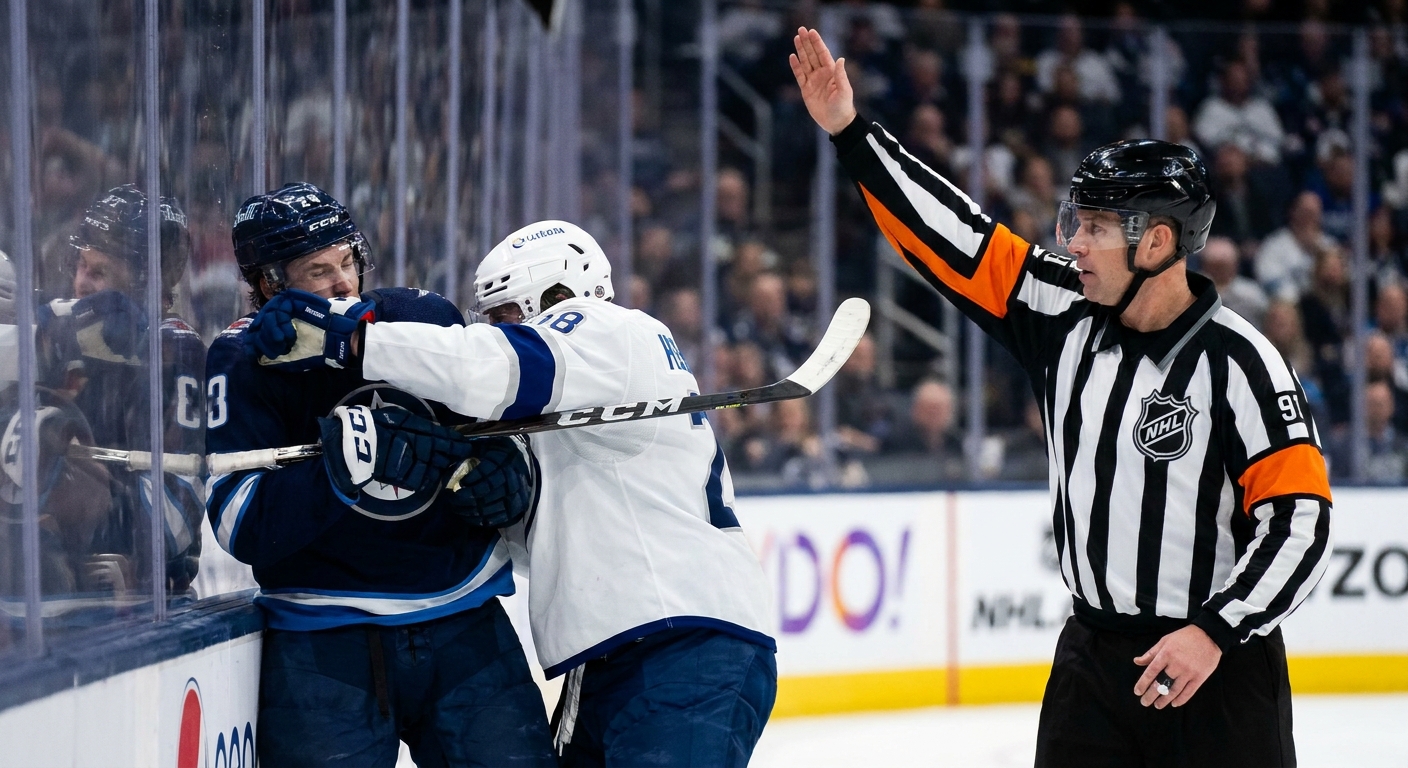
Hooking definition: using the stick to restrain
Hooking is a penalty assessed when a player uses their stick to impede or restrain an opponent. That wording is straight out of how modern rulebooks describe it. For example, the NHL rulebook lists it under Rule 55 (Hooking).
The classic visual is exactly what it sounds like: a stick blade or shaft gets into a spot where it can act like a hook, catching the hands, midsection, or arms and limiting the opponent’s movement.
It is important to separate two ideas that look similar at full speed:
- Legal defending uses skating angle, body position, and a controlled stick to take away space or the puck.
- Hooking uses the stick to hold, tug, or steer the opponent, creating an advantage by restricting their ability to move freely.
What’s the usual penalty for hooking?
Most hooking calls are assessed as a minor penalty, meaning two minutes in the penalty box and your team plays shorthanded.
That is why coaches lose their minds about “lazy stick penalties.” A harmless-looking reach can turn into two minutes of defensive-zone chaos, and at higher levels, power plays punish mistakes fast.
How referees decide: what they’re watching
Officials are not just staring at sticks in isolation. They’re reading cause and effect. A stick can touch an opponent dozens of times in a shift without a call. Hooking usually gets whistled when the contact clearly changes what the opponent can do next.
Common signals that a hooking call is coming
- The stick gets into the hands and the puck carrier’s arms stop moving naturally.
- A wrap or clamp motion, where the defender’s stick blade or shaft curls around the opponent’s body or arms.
- A visible tug, even a quick one, that slows the opponent or pulls them off their lane.
- The opponent loses a step, stumbles, or cannot extend to protect the puck because the stick is restricting them.
Where hooking is called most often
- In open ice when a player is beaten and reaches from behind.
- On the rush when a defender tries to disrupt a chance with a hook instead of matching speed and angle.
- Along the boards when a stick gets pinned into a player’s hands or midsection during a battle.
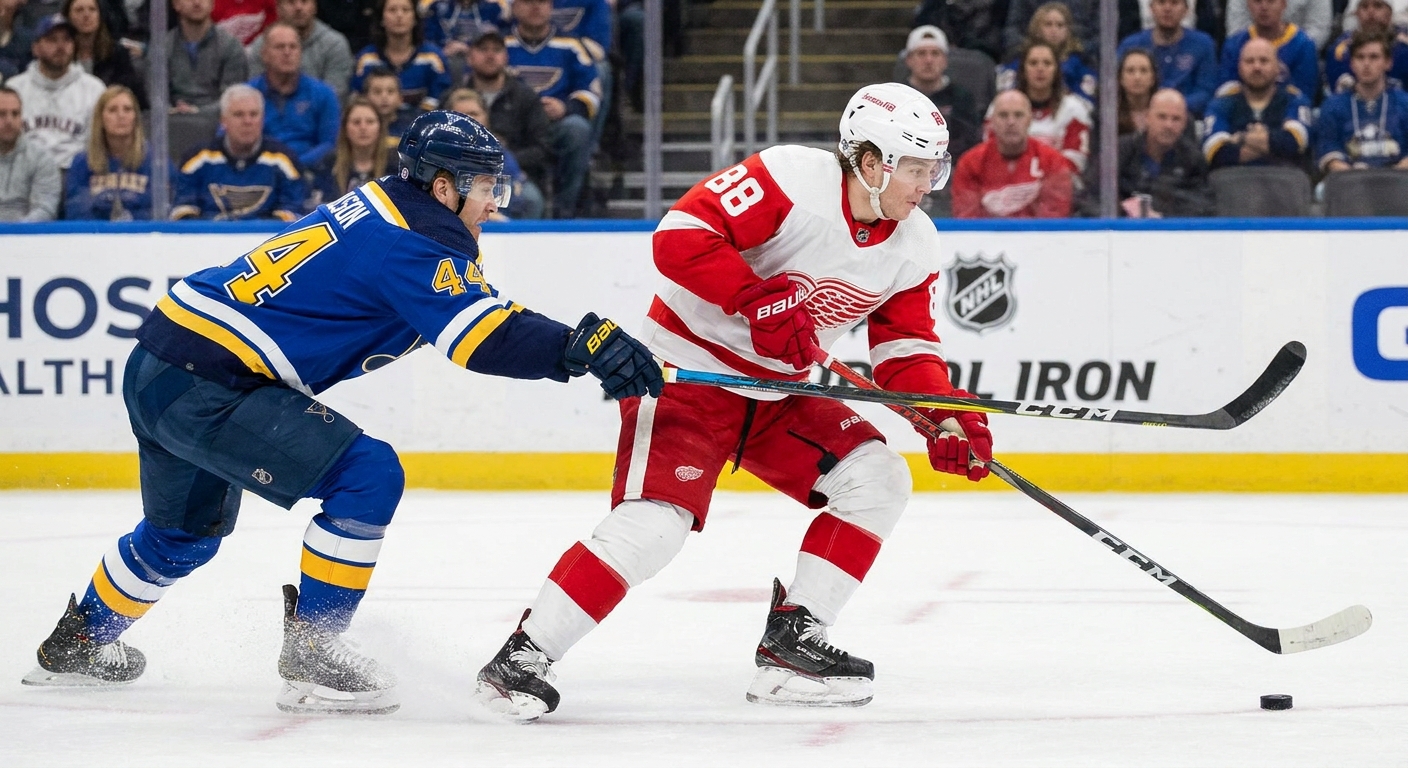
On-ice examples: hooking or legal stick check?
If you want to get good at spotting hooking, focus on whether the defender is trying to play the puck with a controlled stick, or trying to control the player with the stick.
Example 1: Reaching from behind
What it looks like: A winger chips the puck past a defender and takes off. The defender, now a half-step behind, reaches and catches the attacker’s hands. The attacker’s stride shortens or their upper body jolts.
Why it’s hooking: The stick is used as a restraint tool, not a puck tool. Even a brief tug can be enough to remove a scoring chance or break up the rush.
Example 2: Legal lift vs hooking
Legal version: A defender matches the puck carrier’s lane, keeps their stick on the ice, and lifts the attacker’s stick blade upward at the moment the shot or pass is coming.
Hooking version: Instead of a quick lift, the defender’s stick rides up into the hands and stays there, pinning the arms or dragging the hands back.
Quick fan test: A lift is up and off. A hooking play lingers and restricts.
Example 3: Board battle clamp
What it looks like: Two players are shoulder-to-shoulder on the wall. One player slides their stick between the opponent’s arms and torso and holds it there to keep them from turning or escaping.
Why it’s hooking: Even without a dramatic yank, the stick is being used to prevent movement. That is restraint.
Example 4: A poke check that stays clean
What it looks like: A defender extends their stick and taps the puck off the puck carrier’s blade, then immediately pulls the stick back to a neutral position while continuing to skate.
Why it’s legal: The stick is directed at the puck, and there is no wrap, hold, or pull that restricts the opponent’s hands or body.
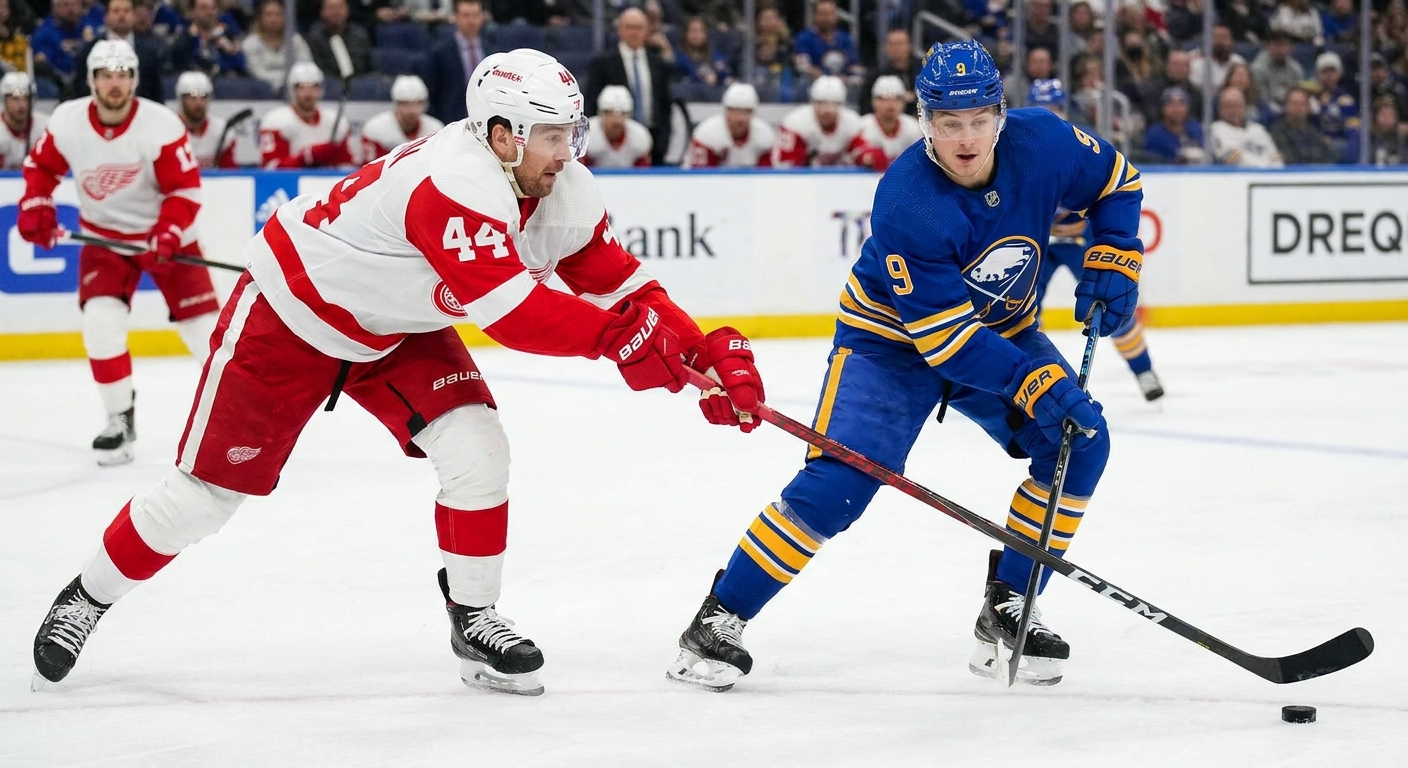
When it leads to bigger consequences
Hooking is usually two minutes, but the situation can get more expensive when the hook takes away a clear chance to score or turns into something more dangerous than a standard restraining play.
Penalty shot situations
If a player in control of the puck is illegally hooked from behind on a clear breakaway type chance, officials can award a penalty shot. The details vary by league, but the common idea is consistent: the foul removed an obvious scoring opportunity when the attacker had a clear path and was beaten.
When it turns into a different call
Here is the cleanest way to say it: hooking itself is almost always a minor. If the stick action becomes forceful, reckless, or causes a dangerous fall, referees often reach for a different or additional penalty that better matches what happened, depending on the rulebook and level. The same play can also be judged more severely if it results in injury.
In plain terms: a casual reach is one thing. Using the stick to haul a player down, twist them off balance, or send them crashing awkwardly is another, and it tends to get classified accordingly.
Hooking vs other stick penalties
These calls blur together on broadcast angles, so a quick separator helps:
- Hooking: the stick restrains or steers the opponent’s body or hands.
- Holding: the hands, arms, or body holds the opponent, not the stick.
- Slashing: a swing or chop with the stick that hits an opponent (often the hands or stick).
- Tripping: the opponent is taken down by the stick, body, or skate, usually at the legs or skates.
One shift can include all of the above. Officials generally call the one that best describes the main action and its effect.
How players draw calls (and how defenders avoid them)
Fans sometimes get annoyed at hooking calls because, yes, smart puck carriers know how to make it obvious.
How puck carriers expose a hook
- Hands out front: Extending the puck away from the body forces defenders to reach through the hands to get it.
- Cutbacks: A sudden change of direction turns a reaching stick into a clear restraining motion.
- Driving the inside lane: When a player wins inside position, the defender’s stick often ends up across the body if they panic.
How good defenders stay out of the box
- Move your feet first: If your legs stop, your stick starts reaching.
- Keep the stick on puck lanes: Aim the blade at the puck path, not the hands.
- One quick action, then recover: A clean poke or lift and then back to skating beats a prolonged tug every time.
FAQ: Hooking in hockey
Is hooking always accidental?
No. Sometimes it is a split-second reaction when a player is beaten. Other times it is intentional gamesmanship to slow a rush. Officials focus less on intent and more on whether the stick restrained the opponent.
Can you get called for hooking if you touch the hands?
Yes, especially if the contact impedes the opponent’s ability to skate, pass, or shoot. Not every tap is a penalty, but hands are a common hot spot because restriction is easy to see.
How can I tell hooking from a legal stick check in real time?
Watch what happens to the puck carrier’s arms and route. If the stick contact makes the player’s hands stop moving naturally, pulls them off their lane, or clearly slows them down, you are probably looking at a hooking call. If the defender’s stick cleanly disrupts the puck and immediately releases, it is more likely a legal stick check.
Is hooking called the same in every league?
The basic idea is the same across NHL, IIHF, and most youth rulebooks: using the stick to impede or restrain. What changes is enforcement emphasis. Some seasons and leagues crack down on anything in the hands. Others allow more contact as long as the attacker keeps moving. If you watch enough hockey, you can feel those standards shift year to year.