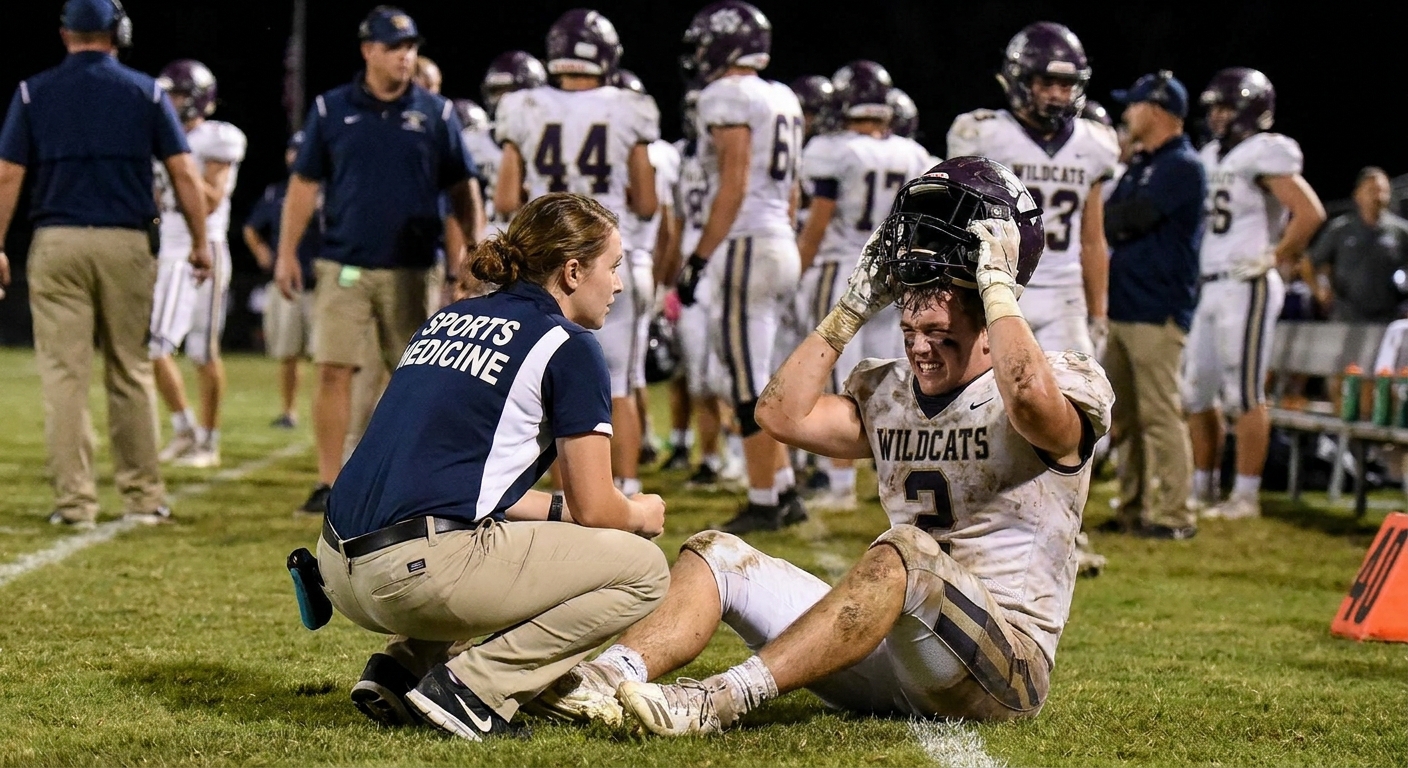
I have coached enough youth basketball to know this truth: the hardest “play” to call is the one that keeps your best kid on the bench. But when we are talking about head injuries, sitting out is not being soft. It is being smart. One of the biggest reasons is something called second impact syndrome, a rare but terrifying medical emergency that can unfold fast.
Second impact syndrome, explained
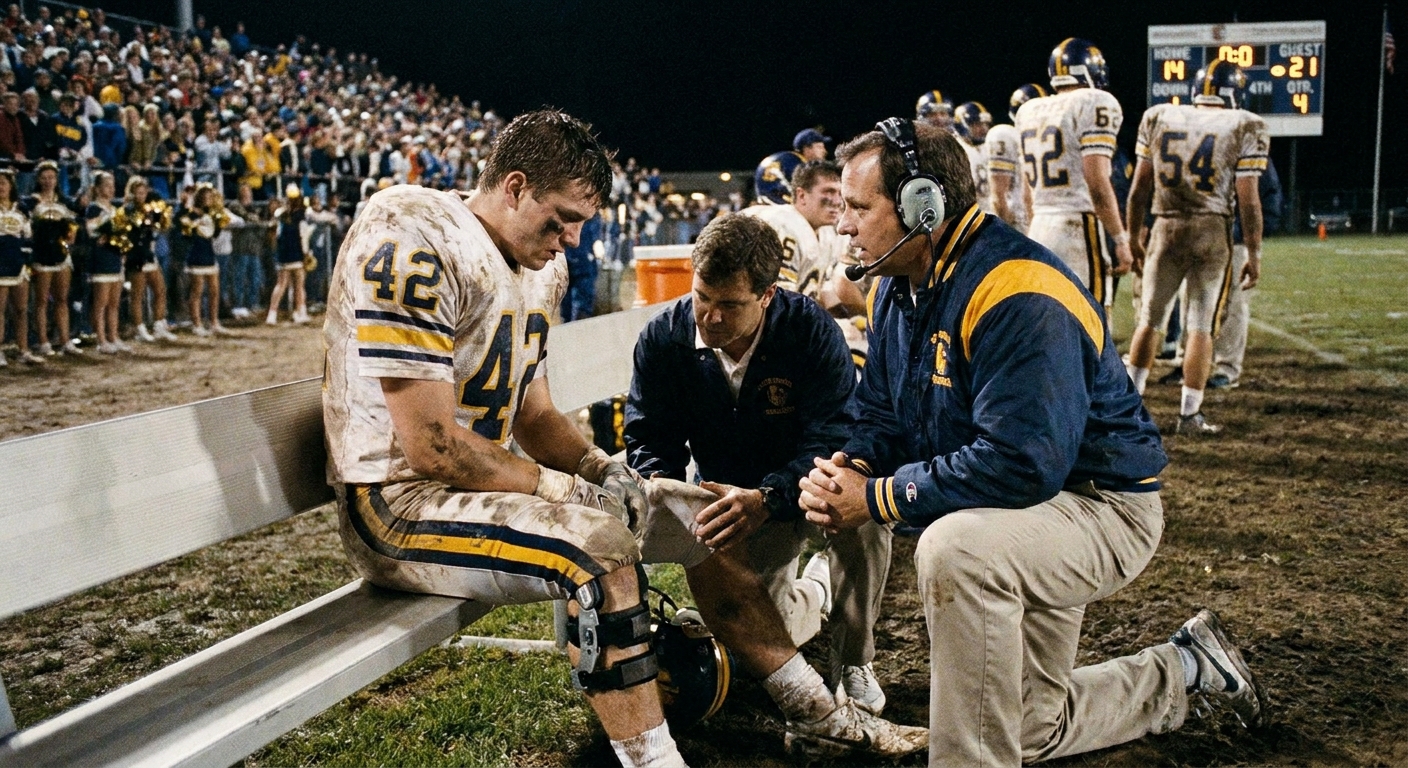
Second impact syndrome (SIS) is a term used for a catastrophic brain injury that may occur when an athlete takes a second hit to the head or body before they have fully recovered from a previous concussion, often while they are still symptomatic or before they have been medically cleared. The second impact does not have to look dramatic. It can be a routine collision, a fall, or a seemingly minor blow.
Here is the important nuance: SIS is extremely rare, and some experts debate whether “second impact syndrome” is a distinct diagnosis or whether many cases are better explained as other forms of malignant brain swelling or bleeding after head trauma. Either way, the practical takeaway for coaches and parents does not change. A second hit during a vulnerable window can be devastating.
In cases described as SIS, some researchers propose that the brain may temporarily lose its normal ability to regulate blood flow and pressure after that second impact. That breakdown can trigger rapid brain swelling and a dangerous rise in pressure inside the skull. Because the skull is a closed space, swelling can become life-threatening quickly.
Because the outcome can be so severe, prevention is critical: do not return an athlete to play while they are still symptomatic or before they are medically cleared. And just as important, know the emergency warning signs and act fast.
Why the second hit is so dangerous
After a concussion, the brain is in a vulnerable state. Even when an athlete “looks fine,” their brain may still be recovering. During that window, another impact can overwhelm an already stressed system and create a cascading emergency.
This is why coaches, parents, and athletes hear the same message over and over: when in doubt, sit them out. SIS is the nightmare scenario behind that phrase, and it is also why repeat hits and rushed return-to-play decisions get taken so seriously.
Who is most at risk?
Second impact syndrome is most often associated with children and teens. Younger athletes are still developing neurologically, and they also tend to be in competitive environments where they feel pressure to “tough it out.”
Higher-risk situations
- Middle school and high school athletes, especially those in contact and collision sports
- Athletes with a recent concussion who return too soon, whether in games, practices, PE, or informal play
- Athletes who hide symptoms to avoid losing playing time or a starting role
- Teams without consistent medical coverage at events, where concussions are more likely to be missed or minimized
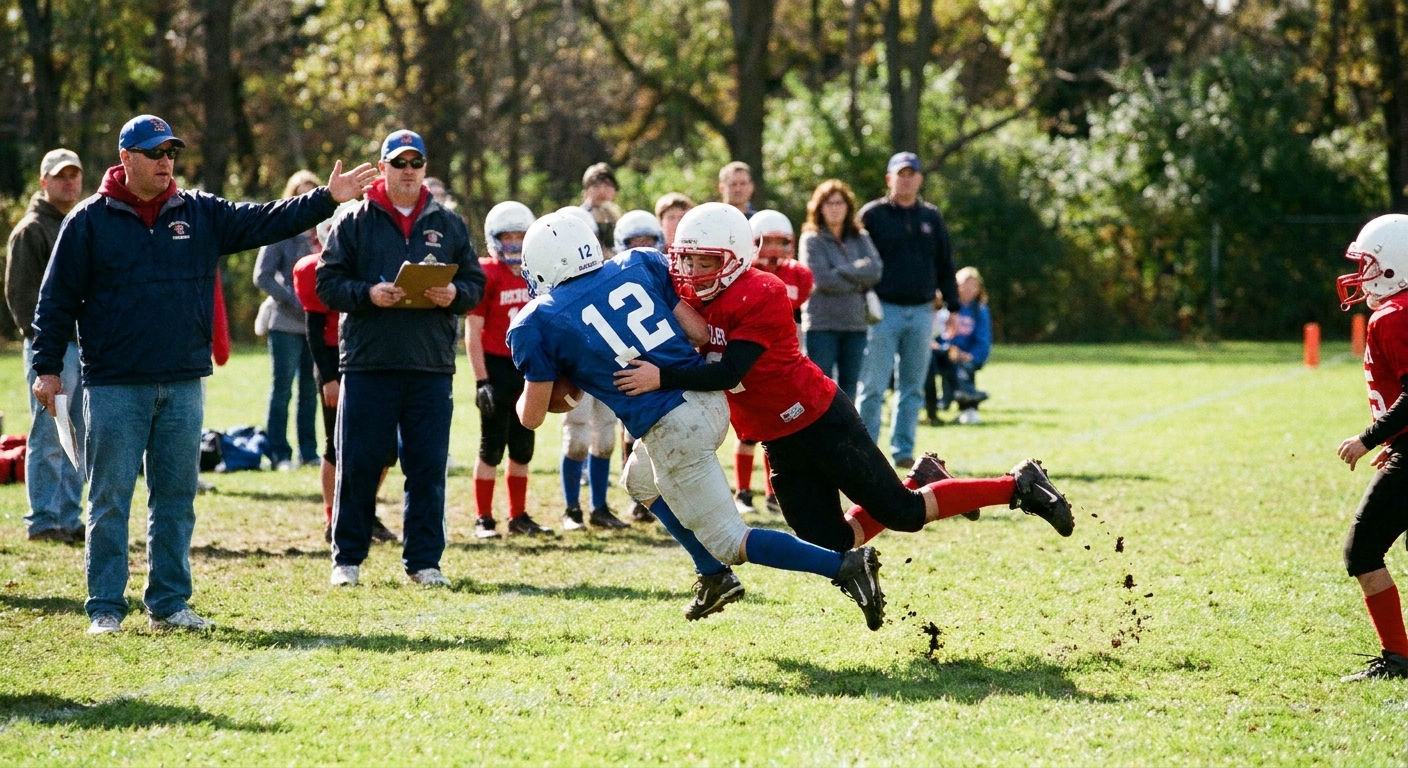
Football is often the first sport people think of, but the same risk conversation applies anywhere head impacts happen: soccer, hockey, lacrosse, basketball, cheer, wrestling, rugby, and more.
Emergency warning signs
If an athlete has had a concussion recently and takes another hit, treat it as a medical emergency if any red flags show up. With serious brain injuries, deterioration can be rapid.
Call emergency services right away if you see:
- Loss of consciousness, even briefly
- Seizure or convulsions
- Worsening headache or a headache that becomes severe
- Repeated vomiting
- Increasing confusion, agitation, or unusual behavior
- Slurred speech
- Weakness, numbness, or coordination problems
- One pupil larger than the other
- Difficulty waking up or extreme drowsiness
- Rapid decline after initially seeming okay
Even without SIS, these signs can indicate a serious brain injury such as bleeding in or around the brain. The point is the same: do not wait it out.
What to do right away
If you suspect a concussion, the first steps are simple and non-negotiable.
- Remove them from play immediately. No “one more shift,” no “finish the quarter.”
- Do not leave them alone. For the first several hours and until they are evaluated, keep a responsible adult with them and watch for worsening symptoms.
- Avoid driving if they are symptomatic. If they are dizzy, foggy, or their symptoms are escalating, they should not drive until they have been assessed and cleared to do so.
- Get medical evaluation. If there are red flags, call emergency services. If not, get them seen by a qualified clinician as soon as possible.
I have had kids look okay for a few minutes after a collision, then suddenly get glassy-eyed and quiet. That is when a coach has to be the adult in the room. Pull them, protect them, and take the heat if anyone complains.
Why clearance matters
From a player’s perspective, I get the temptation. Athletes worry about letting teammates down, losing a spot, or missing the game they have circled on the calendar. But the brain does not care about your depth chart.
Staying out until cleared matters because:
- Symptoms can evolve over minutes to hours. Some athletes feel “okay” at first, then worsen as the day goes on.
- The brain needs time to recover. Returning too soon increases the odds of another concussion and can prolong symptoms.
- A second injury can be dramatically worse. SIS is rare, but it is exactly the kind of risk you cannot bargain with.
Also, a quick myth check: helmets and mouthguards are important for preventing certain injuries. Helmets reduce the risk of skull fractures and other serious head injuries. Mouthguards protect teeth and the mouth. But they cannot reliably prevent concussions, because the brain can still move inside the skull from impact and rapid acceleration.
What "cleared" means
Clearance is not just a signature. It is a checkpoint from a licensed healthcare professional, ideally one trained in concussion management, confirming the athlete can start progressing safely.
Many schools and leagues follow a graduated return-to-play approach. The details vary, but the idea is consistent: the athlete moves step-by-step from light activity to full contact, only advancing if symptoms do not return.
Typical progression
- Return-to-learn first. For kids, that often means a plan for school, reduced workload, breaks, and slowly increasing screen and reading time as tolerated.
- Light aerobic activity. Easy bike or walking, no contact.
- Sport-specific activity. Simple drills, still no contact.
- Non-contact practice. More intensity, controlled environment.
- Full practice with contact. Only after medical clearance when required by policy.
- Return to competition.
One more thing coaches need to hear: in youth sports especially, no same-day return for a suspected concussion is a common policy and guideline standard. Even if they “say they are fine” 10 minutes later, they are done for the day.
What SIS is not
There is a lot of confusion because people use concussion terms interchangeably. SIS is not simply:
- “Getting two concussions in one season.” Multiple concussions are a concern, but SIS refers to a catastrophic scenario tied to returning before recovery.
- “Being tough” or “shaking it off.” Toughness does not heal brain tissue.
- A problem only for big hits. The second impact can be relatively routine. The vulnerability comes from the first injury not being healed.
FAQs
How quickly can second impact syndrome happen?
Reports often describe rapid decline in minutes after the second impact. That is why any sudden worsening after a hit, especially in an athlete with a recent concussion, should be treated as an emergency.
Does a second impact have to be a direct blow to the head?
Not necessarily. A hit to the body that whips the head can transmit force to the brain. The key issue is another impact occurring before the brain has recovered.
Can second impact syndrome happen to adults?
Most discussions focus on youth and teens, who appear to be at greater risk. Adults can still have serious complications from repeat concussions. SIS, as classically described, is associated more with younger athletes.
What should parents and coaches do if they suspect a concussion?
Remove the athlete from play and have them evaluated by a qualified medical professional. Do not allow a same-day return if a concussion is suspected. Follow your league, school, or program’s concussion protocol and return-to-learn and return-to-play process.
The bottom line
Second impact syndrome is one of the biggest reasons concussion caution is not optional. It is extremely rare, and the label itself is debated, but the risk it represents is real: a second hit before the brain has recovered can turn a bad situation into a catastrophic one. If an athlete has concussion symptoms or a recent concussion history, the safest play is the simplest one. Sit them out, take the evaluation seriously, and wait for proper medical clearance.