
I still remember the first time a coach hit us with the classic line: “It’s not practice, it’s just a quick lift and film.” Every college athlete has heard some version of that. The NCAA 20-hour rule exists to make sure “just a quick” does not quietly become a second full-time job.
At its simplest, the NCAA limits how many hours coaches can require athletes to spend on countable athletically related activities, often shortened to CARA. The details matter, because the difference between “countable,” “noncountable,” and “voluntary” is where most of the confusion lives.
Quick scope note: This is written around the common NCAA Division I framework athletes hear most often. Hour limits and what is permitted can vary by division, sport, and sometimes by season segment, so when in doubt, confirm with your school’s compliance staff.
The NCAA 20-hour rule in plain English
The NCAA 20-hour rule is the in-season limit on how much time a coach can require an athlete to spend on countable athletically related activities.
In-season summary
- Weekly cap: Up to 20 hours per week of CARA.
- Daily cap: CARA is generally limited to 4 hours per day in season under Division I rules and interpretations, with sport and segment nuances.
- Required day off: One day off per week from CARA.
Out of season summary (common framework)
- Weekly cap: Up to 8 hours per week of CARA.
- Required days off: Two days off per week from CARA during that 8-hour segment.
Those numbers are the headline. The real story is what the NCAA considers “countable” and what schools try to slide into the “voluntary” bucket.
What counts as CARA
If it is required by a coach, conducted or supervised by coaching staff, or happens at the coach’s direction, it usually falls into CARA territory. Here are common examples that typically count.
Activities that generally count
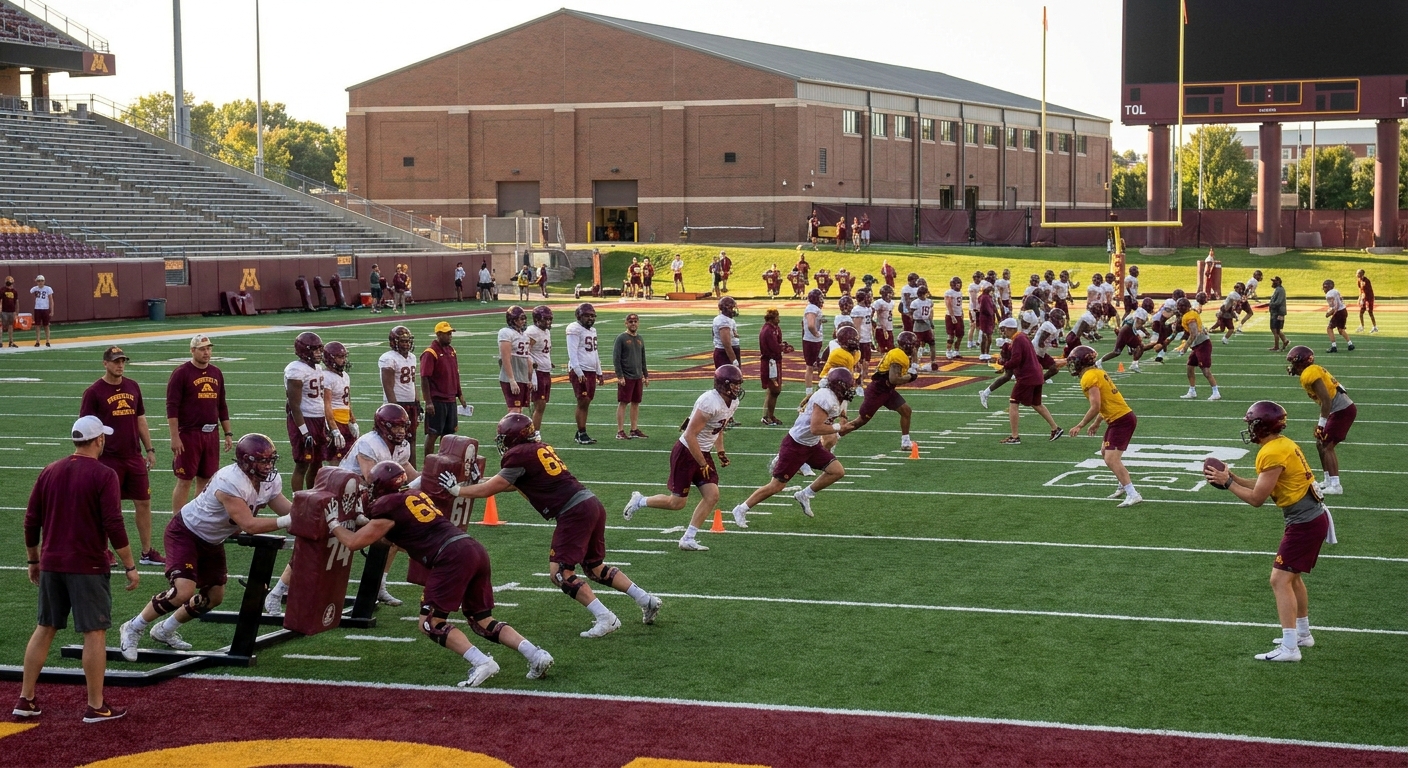
- Practice (team practice, individual skill instruction, and on-court or on-field workouts run by coaches).
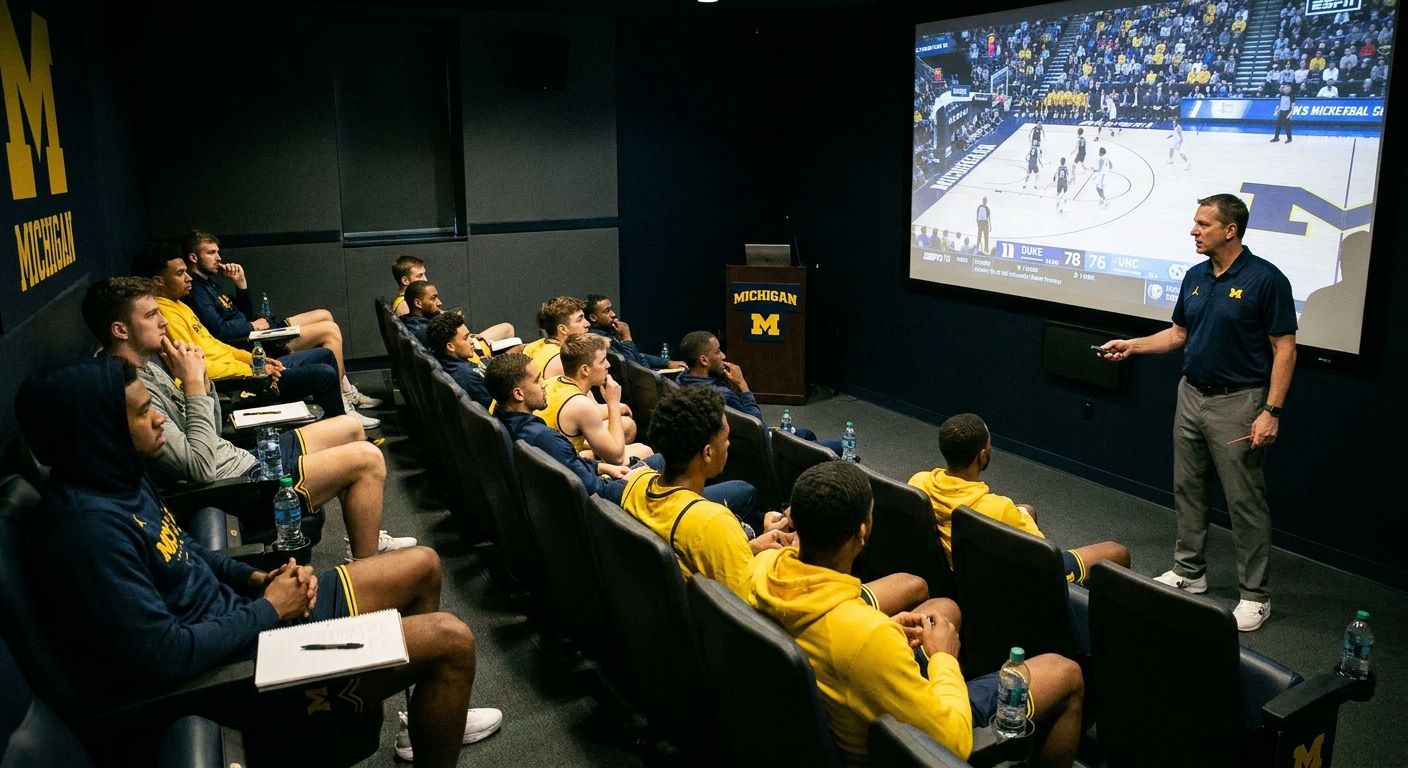
- Required film sessions (watching game or opponent tape when attendance is mandatory or monitored).
- Required team meetings (install meetings, scouting meetings, position group meetings).
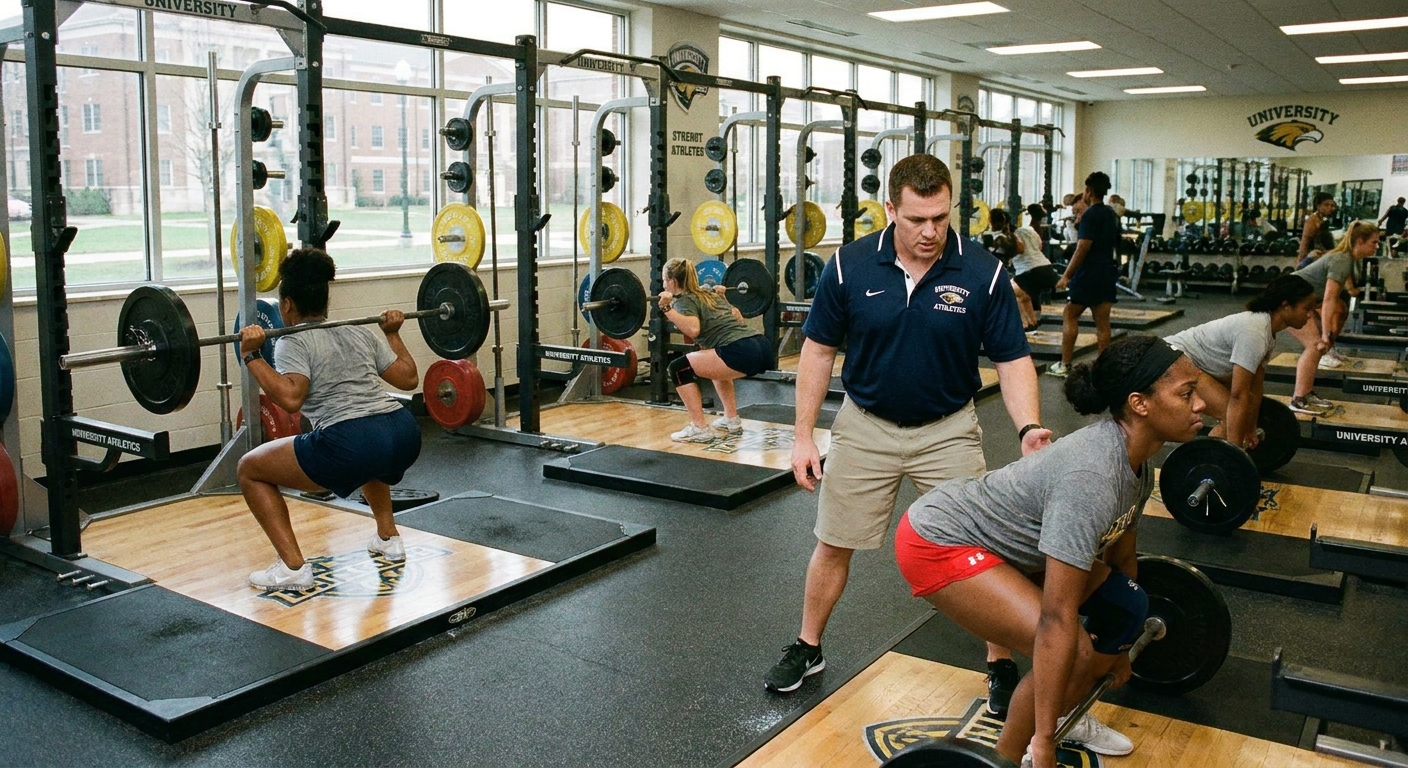
- Strength and conditioning when it is required and conducted by athletics staff.
- Competition (games, matches, meets) and certain competition-related activities.
- Required athletically related activities on the road (like a required shootaround or walk-through tied to competition).
One easy way to think about it: if you would get in trouble for skipping it, it is probably countable.
What does not count
This is where teams and athletes can talk past each other. Some activities are specifically treated as noncountable under NCAA rules, and others can be voluntary as long as they meet strict conditions.
Activities that generally do not count
- Academic meetings (tutoring, study hall) when not athletically related.
- Medical treatment and rehabilitation (training room work, physical therapy) even if it is time-consuming.
- Compliance paperwork and administrative tasks.
- Travel time itself, in most cases, though required activities during a trip can count.
What “voluntary” really means
An activity is only truly voluntary if:
- You choose to participate without pressure or penalty for not showing up.
- No coach or athletics staff member observes, directs, or requires reporting or attendance in a way that turns it into something functionally mandatory.
- Coaches and staff do not run the workout in a coaching role.
- It does not affect playing time, roster status, or team standing if you skip it.
In real life, the vibe matters. If an athlete reasonably feels attendance is expected, the NCAA’s intent is that it should be treated as countable.
In season: how it works
“In season” refers to your sport’s declared playing and practice season, and the start and end dates are sport-specific.
During that window, teams are capped at 20 hours of CARA per week and are generally expected to stay within a 4-hour per day limit for required countable activities.
The required day off
Each week, athletes must get one day off from CARA. That means no required practice, no required lift, no required film, and no required team meeting.
Coaches can still have you travel on an off day in many situations, and athletes can still do voluntary activities. The key is that coaches cannot require CARA on that day.
A realistic in-season example
Here is what a compliant week might resemble for a college basketball team:
- Monday: 2-hour practice + 1-hour lift (3 hours)
- Tuesday: 2-hour practice + 1-hour film (3 hours)
- Wednesday: Game day shootaround 1 hour + game competition. NCAA accounting note: In many Division I compliance offices, CARA guidance is applied so that a day of competition is recorded as 3 hours of CARA, regardless of the actual length of the contest. Teams still have to be careful with any additional required CARA on that same day, because schools commonly monitor the daily 4-hour expectation alongside the weekly 20.
- Thursday: Day off from CARA
- Friday: 2-hour practice + 1-hour film (3 hours)
- Saturday: 2-hour practice (2 hours)
- Sunday: Travel and voluntary recovery work (noncountable or voluntary, depending on how it is handled)
The exact accounting can get technical, especially around competition days and what is truly “voluntary,” but the guiding principle is simple: required athletic time should not exceed the cap, and the day off should be real.
One more wrinkle: postseason and championship segments can come with additional sport-specific rules and scheduling realities, so that is another moment when compliance answers beat locker-room rumors.
Off season: the limit drops
Outside the playing season, the NCAA places a tighter limit on required athletically related activities. While the specific structure can vary by sport and division, the common Division I framework athletes hear is:
- Off-season cap: Up to 8 hours per week of CARA.
- Those hours are typically limited to strength and conditioning and permitted skill instruction (sport-specific rules vary).
- Days off: During the off-season 8-hour segment, athletes must have two days off per week from CARA.
Also worth knowing: that 8-hour limit is applied to defined out-of-season periods, not as a year-round “always on” segment. Your sport’s calendar matters.
In other words, the off season is supposed to be the time when athletes can breathe, get healthy, and be students. You can still train, but the amount that can be required drops, and the built-in time away is supposed to be real.
Common gray areas
Does film count?
If it is required, yes. Required film review or scouting sessions are a classic CARA example. If an athlete watches film on their own with no coach involvement, that is typically voluntary.
Do captains practices count?
If coaches are not present and not directing the activity, captain-led workouts can be voluntary. If a coach is involved, organizing, directing, or monitoring attendance, it can become countable fast.
Does treatment or rehab count?
Generally, no. Athletic training room treatments and medically directed rehab are typically noncountable. That said, they can still add to your total workload as a human being, even if the NCAA does not count them in the 20.
Does travel count?
Travel time itself often is not counted the same way as practice or meetings, but required activities during trips (shootarounds, walk-throughs, meetings) can be countable. Teams can also run into trouble if an “optional” activity on the road is treated like a requirement.
Why it matters
When I played, nobody needed a motivational speech to work hard. College athletes are already wired to do more. The purpose of the 20-hour rule is to put a guardrail around that competitive instinct and the power imbalance that can come with it.
If you are an athlete, this rule is also a language tool. It lets you ask clear questions:
- Is this required or voluntary?
- Is this being counted as CARA?
- When is our day off from countable activities?
If you are a parent, it gives you a way to understand why your kid sounds exhausted in October. And if you are a coach, it is a reminder that program culture is not just about “toughness.” It is about sustainability.
If you think your team is over hours
If something feels off, start by getting clarity, not starting a war. Ask, in plain language, whether the activity is being logged as CARA and where it shows up on your weekly count.
If you still believe your team is over the limit or labeling required work as “voluntary,” you have options that do not require you to go public: talk to your sport administrator, your compliance office, a trusted athletic trainer, or your SAAC representative. The cleanest path is usually to document what is being required and let the people whose job is compliance handle it.
Quick FAQ
Is it 20 hours exactly?
No. It is a maximum. A week can be well under 20 and still feel intense, especially in season when games, travel, class, and recovery stack up.
Can teams require workouts on the day off?
They can require zero countable athletically related activities on the day off. Voluntary workouts can happen, but they must be genuinely voluntary.
Is this the same for every NCAA athlete?
The concept is consistent, but the specifics can differ by division, sport, and season segment. The cleanest approach is to treat the limits above as a baseline understanding, then confirm details with your school’s compliance office for your sport.