
I have sat in enough recruiting meetings and locker rooms to know this much is true: players can handle hard news, but they cannot handle fuzzy news. And for a lot of current college athletes, the House v. NCAA settlement has sounded like a mix of promise and panic. Promise, because real money is finally on the table in a system that has generated it for decades. Panic, because any time you change the rules, somebody loses a spot.
Here is what changed on paper, who is covered, what still has to be approved or implemented, and what this settlement did not rewrite.

Where it stands now
This part matters because it determines what is real today versus what is coming next.
The House v. NCAA settlement remains a proposed framework until the court gives final approval. Even after approval, the day-to-day impact depends on rollout details, including when new rules take effect and how schools and conferences choose to participate.
As currently scheduled, the final approval hearing is set for April 2025, and the new model has been targeted for the 2025-26 academic year. Translation: if you are hearing hard start dates on social media that do not match that timeline, treat them like recruiting rumors until you see official guidance from your school, your conference, or the court filings.
So when you hear people say “revenue sharing is here,” translate it as: schools are planning for direct-pay models, but the switch depends on court approval and implementation rules.
The quick definition
House v. NCAA is an antitrust case that challenged the NCAA and conferences over limits on athlete compensation. The settlement proposal is designed to do three big things for athletes:
- Pay back damages to certain athletes for past restrictions on compensation.
- Create a system that allows direct payments from schools to athletes, often described as revenue sharing, under a spending cap.
- Change roster management rules by shifting from scholarship limits to roster limits, with schools permitted to fund more scholarships up to the roster cap.
Those three pieces are also contributing to what you are seeing in the transfer portal: more financial planning, more hard decisions, and in some programs, fewer “developmental” spots. That said, portal activity has multiple causes, including coaching changes and the broader NIL era, so treat the settlement as a pressure point, not a single magic explanation.
Change 1: Back damages
The settlement includes back damages, meaning money intended to compensate athletes for past rules that restricted what they could earn. This is the part that gets summarized as “back pay,” but it is more accurate to think of it as damages in an antitrust settlement.
Who is generally covered
Coverage depends on the final settlement class definitions and eligibility rules, but the headline people keep asking for is the time window.
Per the settlement proposal, the covered period is generally described as 2016 to the present, subject to final class definitions. In plain English, the back-damages pool is aimed at athletes who:
- Played Division I sports during the covered years.
- Had earning opportunities limited by the challenged NCAA rules during that time.
Readers always want the cleanest answer here: the settlement papers control eligibility. If you competed in Division I during the eligible period described in the settlement and meet the class requirements, you may be in. If you did not, you are not.
If you are a current athlete, you can be covered in two ways: you may be eligible based on past seasons you already played, and you also play in the new environment going forward.
The practical takeaway: back damages are not a new salary. They are a one-time settlement-related benefit for eligible athletes in the covered timeframe, typically handled through a claims process.
For non-lawyers, a claims process usually means: you get an official notice, you submit a form, you provide basic verification (school, sport, seasons, contact info), and you meet deadlines. Then an administrator reviews and issues payments based on the approved plan.
One more real-world note, because athletes are going to get targeted: when the claims process opens, you will typically see legitimate notices routed through your school, conference channels, and the official claims administrator. Do not click random links from “agents” in your DMs. Verify sources through your compliance office or athletic department contacts you already trust.
If you think you might be eligible, keep your basic records tight: dates on roster, school(s), sport, and contact info that will not change after graduation.
Change 2: Direct school payments
This is the headline that will matter day-to-day for current athletes once implemented: the settlement would allow schools to pay athletes directly as part of a structured system, instead of everything running through scholarships and third-party NIL deals.
What “under a cap” means
Think of it like a school-wide salary budget for athlete pay through this new channel. The cap is an annual aggregate limit on what a participating school can pay athletes directly under the settlement model, across all sports, under the rules that come with it.
- Direct payments can come from the school itself, not just collectives or brand deals.
- The cap limits total spending through this channel, which means every program is making choices about distribution.
- What counts toward the cap, who sets the exact figure year to year, and how it is enforced are the details that matter, and they are also the details that tend to get finalized in implementation guidance.
Now the baseline number athletes keep hearing, with the context it deserves: the settlement framework proposes a first-year cap set at 22 percent of average Power conference revenues, which has been widely projected to land around $22 million to $23 million per school in year one. That figure is an estimate, and estimates can vary depending on how “average” and “revenues” are defined for cap purposes and what exactly is included.
That is not a promise that your school will pay that full amount, or that your sport will see any particular share of it. It is the proposed baseline for the system. The distribution is where the real negotiations and roster decisions show up.
A concrete example
Picture a school with a roughly $22 to $23 million annual direct-pay pool. Football and men’s basketball bring the biggest revenue. Women’s basketball might be a priority in that department. Baseball might be a roster-heavy sport with a long history of partial aid. The athletic director is still working with one budget. That means two things can be true at once: more athletes get real checks from the school, and coaches become more selective about who gets paid what, and why.
Also, scholarships do not disappear. In most realistic team builds, athletes will still see compensation as a stack that can include athletic aid, direct school payments if the school participates, and NIL if the athlete has a market.
One more thing athletes need to hear clearly: while the settlement is expected to reshape the top of Division I first, how broadly direct-pay is adopted will depend on who opts in and how the rules are structured. Some schools may opt in immediately, others may delay, and some may use the model in a narrower way because of budget or conference direction.
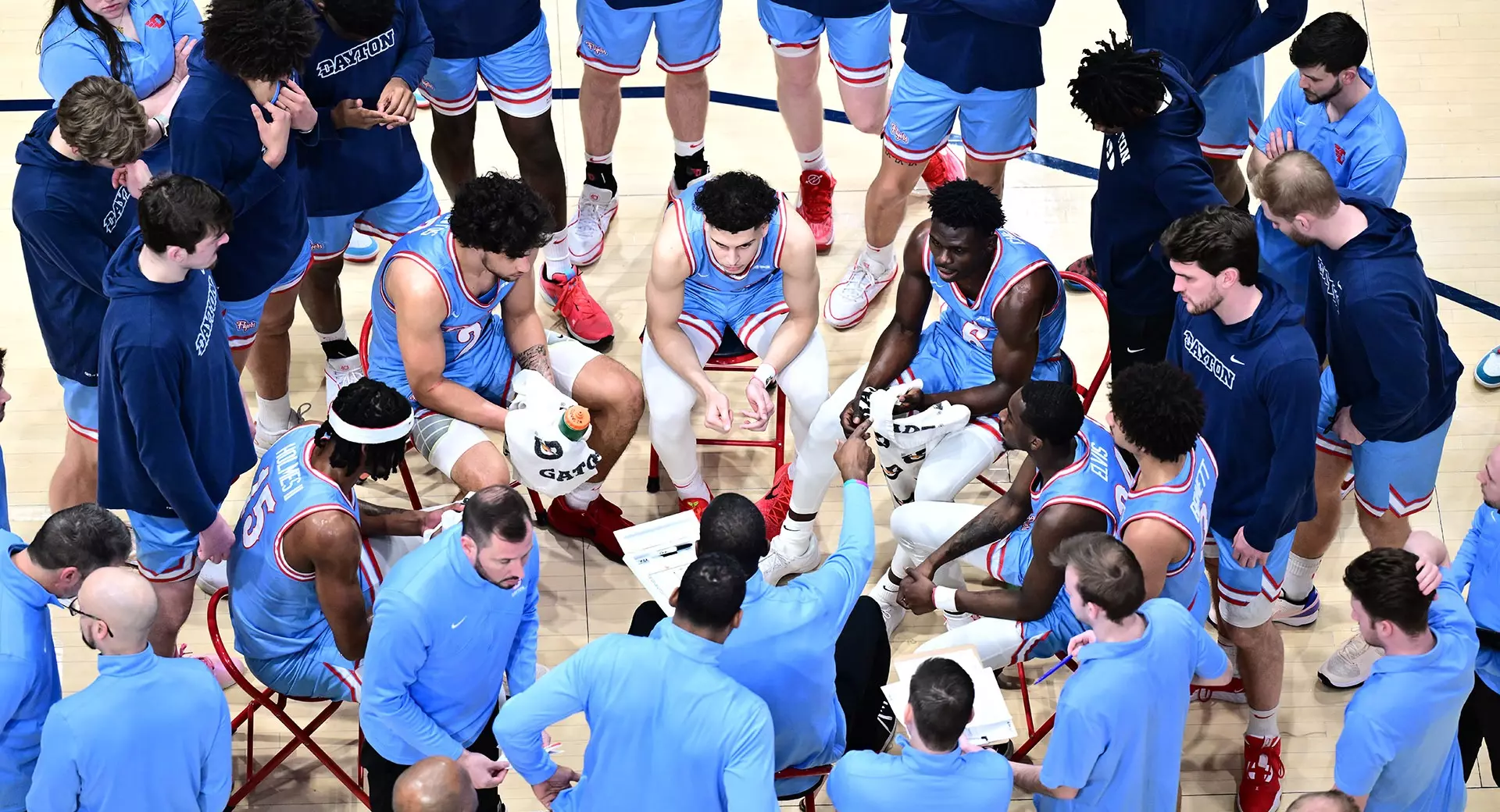
Change 3: Roster limits
If you want to understand why so many athletes feel squeezed right now, you have to understand this piece, and you have to understand it accurately.
Old world: scholarship limits
Traditionally, many sports operated with scholarship limits. Some sports were “headcount” (full scholarships counted one-for-one). Others were “equivalency,” where coaches split scholarships into partials. The key is that rosters could be large, even if scholarships were limited.
New world: roster caps and scholarship changes
Under the settlement proposal, the shift is toward roster limits, meaning there can be a hard cap on how many athletes can be on the roster in a sport.
Here is the high-stakes detail, stated the careful way: the settlement framework would move Division I toward sport-by-sport roster caps and would allow schools more flexibility to increase scholarship awards for athletes on the roster, potentially up to full cost-of-attendance, depending on the final rules, any transition provisions, and school choice.
So yes, a sport can end up with fewer total roster spots than it used to carry, while the athletes who make that tighter roster can be in a better scholarship position than athletes were in the old partial-aid model. Both pressures can hit at the same time.
A sport example
Take baseball, the sport everybody uses because the math is easy to feel. Under the proposed model, a school could carry a capped roster and have the option to fund bigger scholarships for athletes on that roster. That is a real upgrade for the players who are in. It is also why walk-ons and late bloomers feel the squeeze first, because the roster cap is not sentimental.
This is where the human side hits hardest. I love underdog stories, the kid who arrives as the 14th man and ends up cutting down nets as a senior. Roster limits can make that climb steeper, not because the kid cannot play, but because the program cannot carry as many long-term bets.
Who benefits and who feels it
This settlement is not a simple “everyone wins” or “everyone loses.” It is a redistribution of power and money, and those always create pressure points.
Athletes most likely to benefit
- High-impact starters in revenue sports who could command meaningful direct payments once implemented.
- Pro prospects who used to rely on NIL marketplaces that could be uneven or opaque.
- Athletes in sports with expanded scholarship funding if their schools choose to fund fuller scholarships up to the roster cap.
- Players at schools fully investing in the new model, with clearer compensation structures and support.
Athletes most likely to feel pressure
- Bubble roster players in any sport where the new roster cap is below the old roster reality.
- Walk-ons and late developers who used to have more room to grow inside a program.
- Mid-major and lower-resource athletes if their schools opt out or simply do not spend aggressively within the cap.
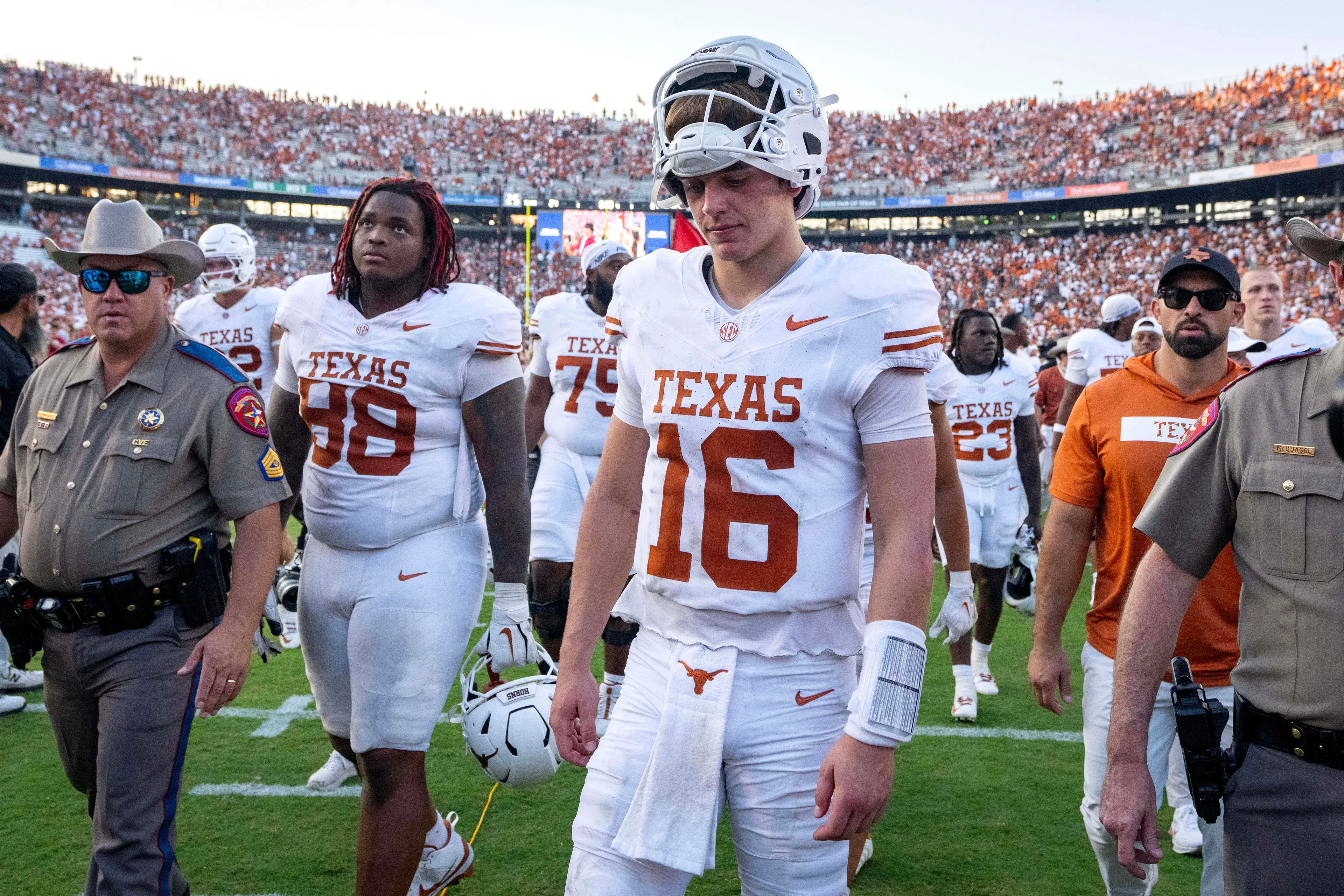
This is also why the portal is buzzing. When roster spots become scarcer and money becomes more centralized, athletes make faster choices: move up, move home, or move somewhere that can actually promise a role.
Key details to watch
If you want hard news instead of noise, keep your eye on a few items that actually decide how your life changes.
- Final court approval and any changes the judge requires: this determines what is real versus what is just proposed language.
- The implementation start date: the target is the 2025-26 academic year, but the operative date depends on the final order and the adopted rules.
- Participation rules: whether participation is opt-in at the school level, conference level, or both, and what “opting in” requires administratively.
- Cap accounting guidance: what counts, what does not, and how enforcement works in practice.
- Roster limits by sport: the exact number matters, but the enforcement and transition rules matter just as much.
- Title IX constraints: athletic departments cannot just “do whatever they want.” Distribution decisions are shaped by law, policy, and risk tolerance. Title IX compliance is fact-specific, and parts of how schools apply these models may be clarified through policy, guidance, and litigation over time.
What it did not rewrite
This is the part that needs to be said plainly, because confusion here causes bad decisions.
It did not set transfer windows
The settlement does not itself set transfer portal windows or the calendar mechanics around when athletes can enter. Portal windows remain governed by NCAA legislation and sport-specific rules, plus any conference policies layered on top.
Could the NCAA or conferences adjust portal rules later in response to the new landscape? Sure. But that would be a separate policy decision, not an automatic settlement effect.
It did not erase NIL
NIL deals, collectives, brand agreements, appearances, and social media sponsorships do not disappear just because schools may be able to pay athletes directly. The ecosystem will change, but NIL still exists as its own lane with its own compliance considerations.
It did not make every school pay the same way
Even with a cap framework, schools and conferences can vary in how aggressively they use it, how they distribute it across sports, and what internal policies they adopt. Two athletes in the same sport at two different schools can have very different experiences.
It did not make athletes employees
The settlement is about compensation rules and antitrust constraints. It does not, by itself, settle every question about employment status, collective bargaining, or labor law. Those debates are still active in college sports in other cases and venues, and outcomes can vary by jurisdiction and facts.
Timing
If you are a current athlete, here is a practical way to think about timing without spiraling.
- Right now: Your daily reality is still shaped by your current scholarship agreement, your team’s roster decisions, and existing NCAA rules.
- Spring 2025: With a final approval hearing currently scheduled for April 2025, expect sharper messaging from programs as they plan for roster caps, scholarship funding choices, and a direct-pay budget.
- 2025-26: If the framework is approved and implemented as targeted, direct-pay systems, cap accounting, and roster rules become the new normal, and the athlete market gets more formal, with more paperwork and more negotiation inside athletic departments.
Also keep one sentence taped to your fridge: the judge can require changes at approval, and separate NCAA, conference, or school-level rules may be needed to handle the day-to-day mechanics.
What to ask your school
If you want clarity, do not ask vague questions about “revenue sharing.” Ask decision questions.
- Opt-in: “Is our school planning to opt in to the direct-pay model once it is allowed, and when would it start here?”
- What opt-in means: “If we opt in, what changes for our team, and what stays the same?”
- Who decides: “Will athlete pay decisions be made by coaches, the athletic department, or a central committee?”
- How it is allocated: “Are you planning a sport-by-sport allocation, a performance-based model, or something else?”
- How it is documented: “Will there be written agreements, and who signs them?”
How it changes decisions
If you are on a roster right now, the settlement alters the math in three practical ways.
1) Your value is priced in multiple markets
You can have value to your coaching staff in winning games, to your athletic department in marketing and ticket sales, and to NIL partners in audience and brand fit. A direct-pay model adds another formal layer to that valuation.
2) Roster security matters more
In the scholarship-limit era, a program could keep extra players, even if money was tight. Under roster caps, you can be good enough to practice every day and still be the odd spot out.
3) The portal becomes opportunity and necessity
Some transfers are ambitious, chasing playing time or a bigger stage. Others are logistical, responding to roster trims, coaching changes, or a program’s new budget priorities. Both types are going to exist more openly now.
What to do this week
If you want hard news instead of fuzzy news, here is a simple checklist that fits the real world.
- Ask your coach one direct role question: “Where do you see me in the rotation next season, and what would I need to do to move up?”
- Ask compliance one direct rules question: “If I enter the portal, what are my exact deadlines and notification steps for my sport?”
- Ask one budget question without being weird about it: “Is our program planning to opt in to direct-pay once allowed, and how will decisions be made?”
- Keep your documents: scholarship papers, team-issued communications, and any NIL paperwork. In a changing system, clean records protect you.
- Do not ignore Title IX reality: distribution choices will be shaped by legal and department policy constraints, not just wins and losses. If you are hearing promises that sound too simple, push for specifics.
FAQ
Does every current athlete get back damages?
No. Back damages depend on whether you fall into the covered class and time period. Per the settlement proposal, the covered window is generally described as 2016 to the present, subject to final class definitions, and eligibility still depends on the final settlement terms and the claims process.
Does this mean I will get paid directly by my school?
Not necessarily. The settlement would enable a direct-pay model under a cap, but implementation depends on final approval and on school and conference participation and policies.
Does this change my scholarship?
It can change how teams are built going forward because roster caps and budget planning reshape who gets carried and why. Under the proposed framework, schools would have more flexibility to increase scholarship awards, potentially up to full cost-of-attendance, for athletes on the capped roster, subject to school choice and final rules.
Did portal rules change because of House?
No. The settlement does not itself set portal windows or dates. Athletes still need to follow the existing portal calendar and sport-specific rules, plus conference policy.
The bottom line
The House v. NCAA settlement is pulling college sports closer to what it has looked like for a long time in practice: a massive entertainment business built on athletes. The difference, if approved and implemented as expected, is that athletes have clearer paths to compensation, including back damages tied to a class period generally described as 2016 to the present (subject to final definitions) and direct school payments under a proposed cap set at 22 percent of average Power conference revenues, widely estimated around $22 million to $23 million per school in year one depending on how revenues are defined, while rosters move toward tighter limits that make every spot more competitive.
If you are a current athlete, my best advice is simple: ask direct questions, get your facts in writing when you can, and make decisions based on role clarity as much as dollars. The money matters, but so does the opportunity to play.