
Kelsey Mitchell didn’t just have a hot shooting night against the Los Angeles Sparks. She gave the internet the two ingredients it can’t resist at the same time: a clean, shareable box score and a messy, emotional team debate to pour it into.
That is why her name climbed the trending ladder after the July 8 to 9, 2026 Fever-Sparks game. The headline number is simple: 29 points. The reason it kept spreading is more complicated: it got stapled to the ongoing argument about Caitlin Clark, Indiana’s rotations, and what “accountability” looks like when a turnover happens.
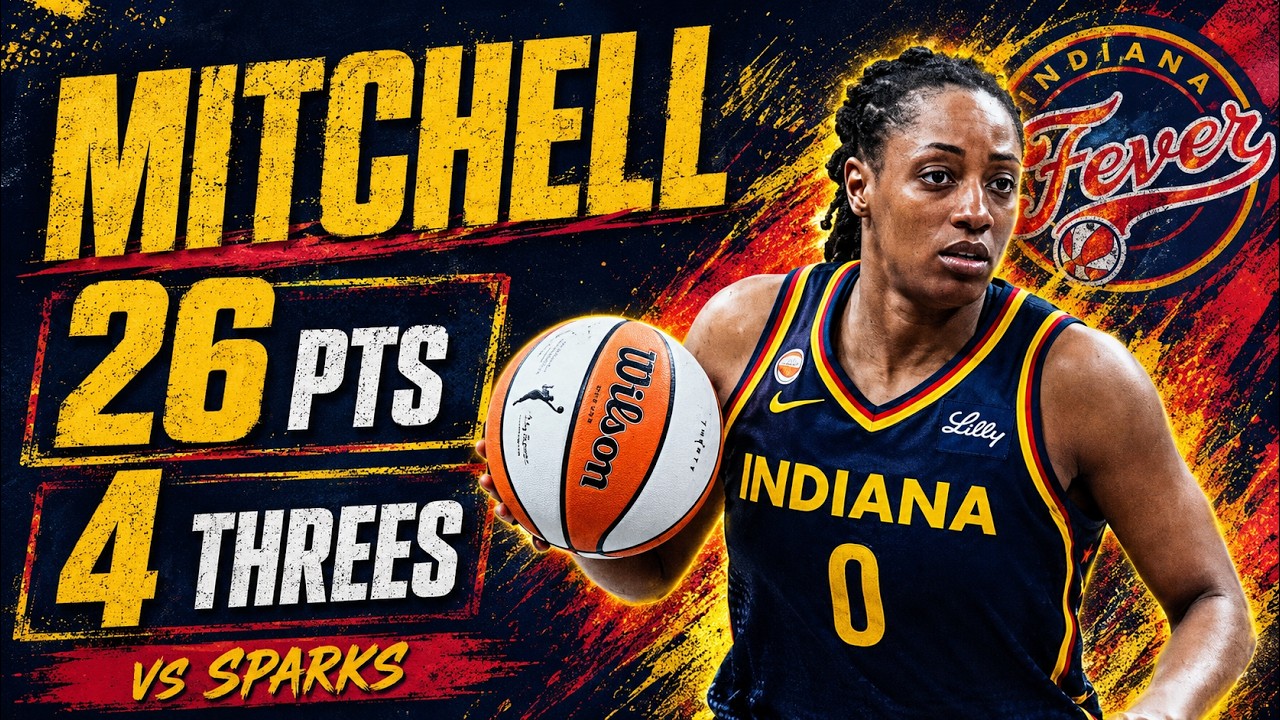
The performance that launched the trend
Mitchell’s stat line was tailor-made for social: 29 points on 9-for-18 shooting, 5-for-9 from three, plus 4 rebounds, 3 assists, and 2 steals.
Those numbers do two things at once. First, they tell you she was aggressive and efficient, not just piling up points on volume. Second, they point straight to the way Mitchell bends a defense when she is in rhythm: the pull-up threes, the quick-trigger catch-and-shoots, and the hard downhill attacks that force late help.
On a normal night, that is where the story ends. Clip the step-back, post the shooting splits, add a couple fire emojis, and keep it moving.
Why it went bigger than a box score
This trend did not stay in the “great game” lane because Mitchell’s eruption happened inside a Fever ecosystem that has been living in a constant spotlight. When a team is that visible, everything turns into a referendum: rotations, late-game play calls, body language, and especially who gets yanked after mistakes.
The viral second layer was a familiar fan argument, reframed with this game as the new exhibit. The basic claim went like this:
- Caitlin Clark commits a turnover and gets benched quickly.
- Mitchell commits a turnover and the sideline energy looks different, with frustration aimed outward at officials rather than inward at the player.
Whether you agree with that framing or not, it is exactly the kind of “double standard” story that spreads fast. It is simple, it is emotional, and it invites people to pick a side in one scroll.
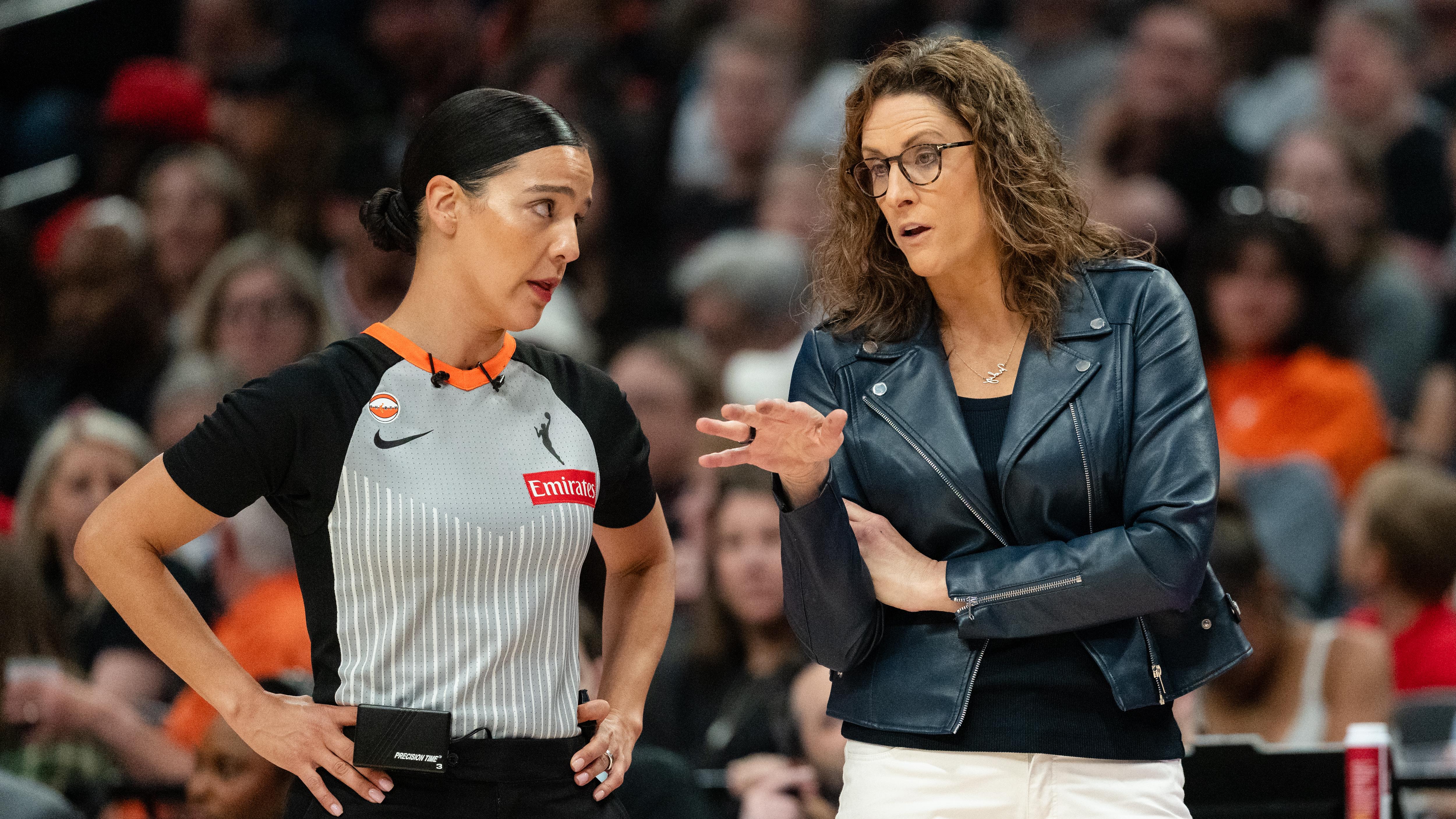
The Clark bench controversy, explained like a coach would
Benchings after turnovers can mean a lot of different things, and that is where fans talk past each other.
1) A quick hook is not always punishment
Sometimes it is matchup management. Sometimes it is fatigue. Sometimes it is a planned substitution pattern that happens to land right after a mistake. The problem is optics: if it looks like a punishment, the internet treats it like one.
2) Not all turnovers are graded the same
Coaches often separate “aggressive turnovers” from “careless turnovers.” A risky skip pass that was there a half-second late is different from dribbling into traffic with no outlet. Fans see the turnover column. Coaches see the decision tree that created it.
3) Stars change the temperature
Clark is not just a high-usage guard. She is the focal point of the Fever’s identity and, fairly or not, the focal point of the league’s discourse. That means every rotation decision involving her becomes louder than it would be for almost any other player.
So where does Mitchell fit into all of this?
Mitchell is the kind of scorer who can save an offense when the air gets tight. Every team needs one. The trade-off is that high-creation guards live close to the edge. They take harder shots, attempt tighter passes, and sometimes turn it over in ways that look ugly.
What made this night combustible online is that Mitchell’s scoring was so undeniable it became a shield and a weapon, depending on what a fan already believed:
- If you are in the “ride the hot hand” camp, Mitchell’s 29 feels like proof that the offense should lean into her shot-making.
- If you are in the “why is Clark held to a different standard” camp, Mitchell’s night becomes the backdrop for arguing about consistency in accountability.
That is the reality of being a great scorer on a heavily discussed team. Your best nights can still get drafted into someone else’s debate.
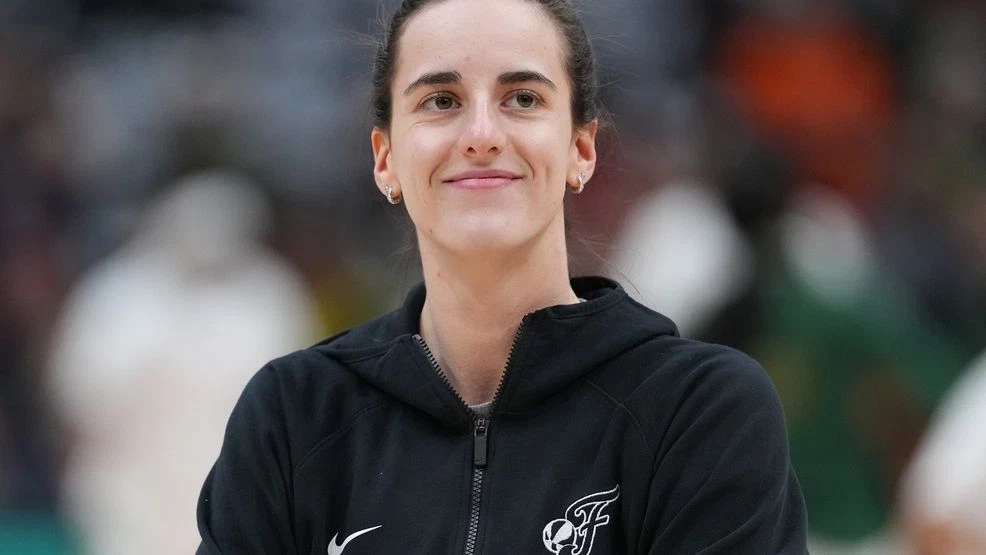
What fans are really arguing about (and why it keeps resurfacing)
When a fan says “double standard,” they usually are not only talking about one substitution. They are talking about trust.
Trust shows up in the small stuff: who closes, who gets the inbounds, who gets to play through a rough stretch, and who gets a quick seat. And because Clark and Mitchell occupy overlapping territory as ball-handling guards, the comparisons are inevitable.
Add one more accelerant and you have a perfect viral loop: officiating. If a coach is visibly lobbying for calls after a sequence, it can read as “defending the player” to some fans and “working the refs” to others. Same action, two completely different interpretations, both highly shareable.
The durable takeaway
Kelsey Mitchell trended for the reason sports trends are rarely just about sports anymore. She earned the spotlight with a scorer’s masterpiece: 29 points, five threes, efficient work, and tangible impact on both ends with two steals.
But the reason her name stayed hot on X is that the Fever are currently a mirror for every modern basketball argument: star treatment, accountability, rotation politics, and how much of the game is players versus whistles.
If you want the simplest truth that holds up after the timeline moves on, it is this: Mitchell’s shot-making was real, and the debate around it is really about who Indiana is trying to be when the game gets chaotic.