
I have coached enough teenagers and covered enough roster chaos to know this truth: in the transfer portal, the loudest moment is rarely the final moment. A player tweets “committed,” the graphics fly, the fanbase starts counting points and wins, and then, sometimes, the story changes.
So, are transfer portal commitments binding?
Most of the time, no. A verbal pledge, a public commitment, and even a “my paperwork is in motion” report usually do not lock an athlete to a new school, or lock the school to the athlete. Where it can start to get sticky is when actual documents get signed, because different documents can create different obligations. An athletics aid agreement, a housing contract, an admission deposit, or other school forms can carry terms that matter, and the effect can vary by institution policy and state law.
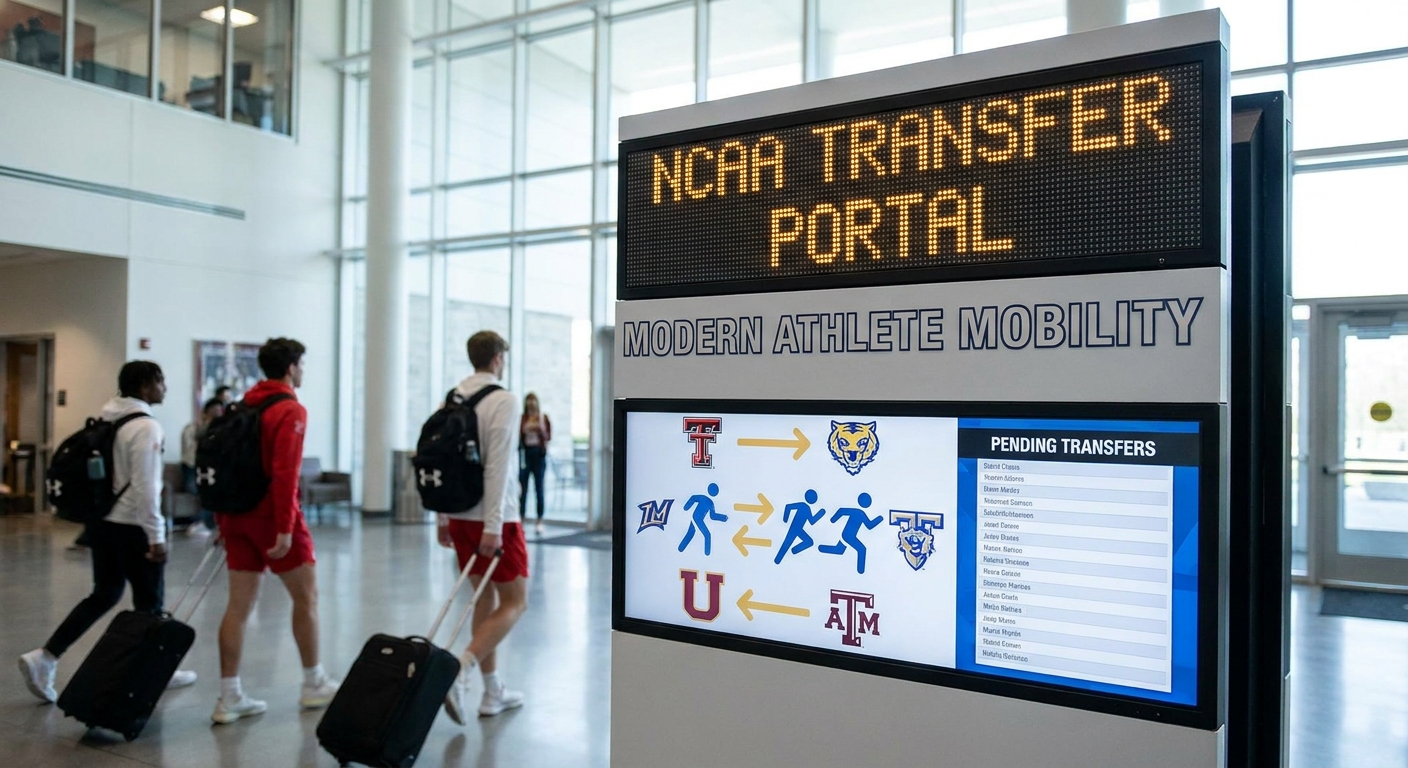
The short answer
When an athlete “commits” out of the transfer portal, they are typically making a public, non-binding declaration of intent. Think of it like telling the world, “This is where I plan to go,” not “I am contractually required to go there.”
That is why you will still see phrases like decommitment, reopened recruitment, or back in the portal even after a commitment post.
What “commitment” can mean
One reason fans get whiplash is that “commitment” gets used for four different stages that are not the same thing.
1) A verbal yes to a coach
This is the classic “I’m in, Coach.” It matters emotionally and relationally, but it is generally not binding. Either side can pivot before documents are executed and processed.
2) A public commitment on social media
A graphic, a video, a quote to a reporter. Same deal. It can influence perceptions and roster planning, but it is still usually not binding.
3) An offer or “money talk”
An offer is not the same as an executed agreement. Until the athlete signs the appropriate school documents and the school accepts and processes them, it is typically not locked in. Offers can change based on admissions, eligibility, roster space, coaching changes, or shifting needs.
Also, a quick reality check: NIL discussions are separate from admission and athletic aid. NIL can influence decisions, but it is not the same paperwork as getting admitted, cleared, and placed on athletic aid through the school.
4) Signed school paperwork
This is where it starts getting real, but “real” depends on what was signed. Transfers are dealing with some mix of an athletics financial aid agreement (if they are receiving aid), team and compliance forms, housing and deposit paperwork (where applicable), and the normal admissions and registration steps. Different documents carry different cancellation terms, and those terms vary by school and division.
What makes it official
In portal season, people mash together two different ideas:
- Publicly committed (fans treat it as done)
- Administratively complete (admissions, compliance, and the school treat it as done)
If you want the practical checklist, a transfer becomes much harder to unwind when the athlete has:
- Admissions clearance (they are actually admitted)
- Initial eligibility and credit review (the compliance side is comfortable, even if final certification comes later)
- Signed and returned the school’s required forms (including any athletics aid agreement, if applicable)
- Registered for classes
- Enrolled (and in many cases, arrived and started participating)
Even then, “official” does not mean “forever.” Athletes can transfer again later, subject to whatever the current NCAA, conference, and institutional rules are at that moment. Those rules change often, so treat any sweeping statement you see online as temporary.
A simple timeline
If you want the real world version in one line, it usually looks like this:
- Committed (public intent)
- Admitted (school says yes academically)
- Aid agreement executed (if athletic aid is involved)
- Registered (classes and eligibility clock realities start to bite)
- Enrolled and arrived (the move becomes operational)
The portal is not Signing Day
This is the biggest confusion I run into, especially with fans who grew up on high school recruiting coverage.
National Signing Day is tied to a specific set of documents in a specific context. Most notably, high school recruits may sign a National Letter of Intent in sports that use it.
Transfers are different. Many transfers do not sign an NLI the way incoming freshmen do. More commonly, they sign an institutional athletics aid agreement (if they are getting athletic aid) along with admissions and compliance paperwork.
One nuance that gets lost online: some transfers can sign an NLI in limited circumstances depending on the sport, the school’s participation, and the timing. It is uncommon, and most portal coverage is referring to the school’s own aid and admissions paperwork, not an NLI moment on TV.
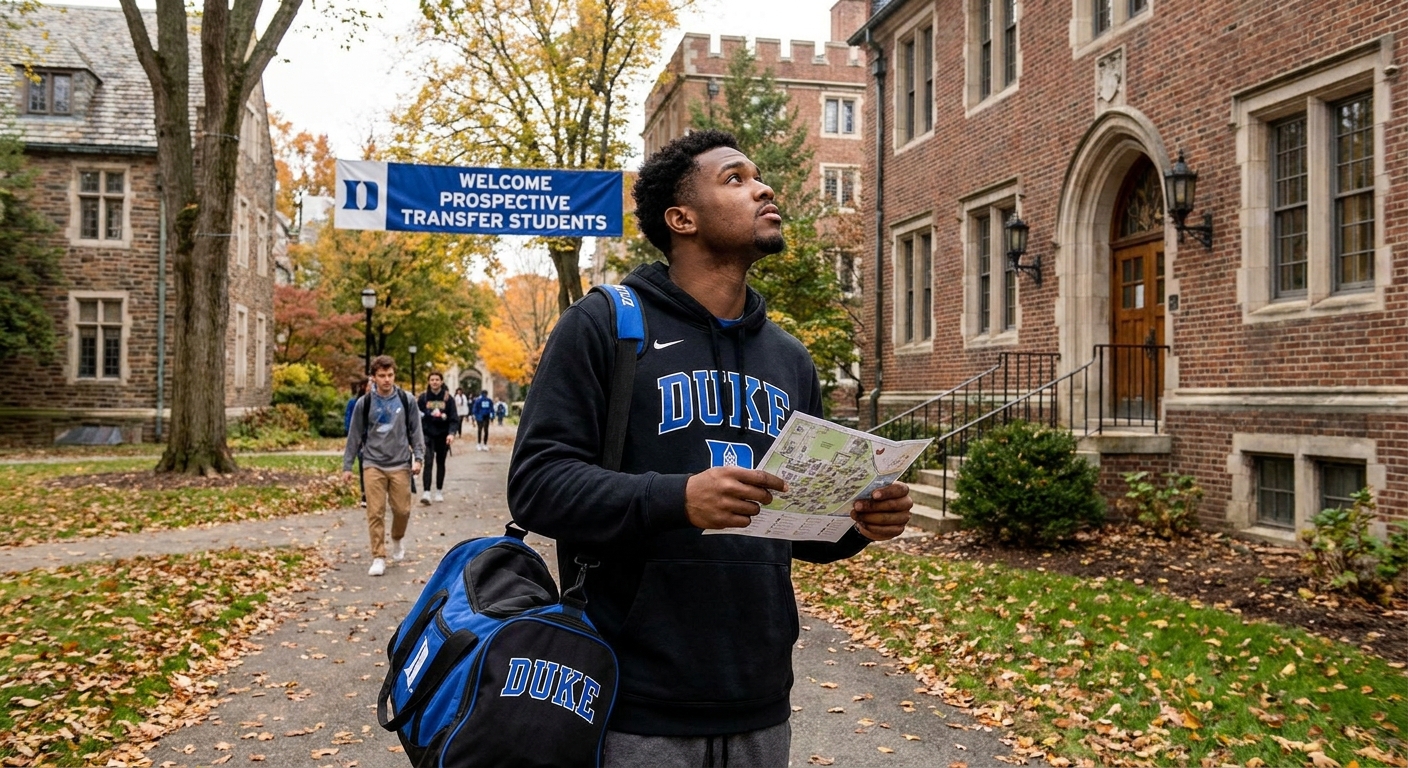
Can an athlete back out?
Yes, in many cases. If the athlete has not enrolled and does not have an executed agreement that meaningfully commits both sides, backing out is usually possible.
Common reasons include:
- Coaching changes (head coach or position coach leaves)
- NIL opportunities shift (the outside package changes or disappears)
- Admissions or credit transfer issues show up late
- Roster math changes (the school adds someone else at the same position)
- Family or personal circumstances
That said, “can” and “should” are two different conversations. The portal is a small world, and relationships matter. But from a practical standpoint, a commitment post is rarely a set of handcuffs.
Can the school back out?
Also yes. Schools can and do pull back when the situation changes, especially before the athlete enrolls and before any aid agreement is fully executed and processed.
Schools may back out because:
- New information from evaluations changes risk assessments within applicable rules and school policy
- Academic eligibility or progress-toward-degree becomes a problem
- Conduct or disciplinary concerns surface during vetting
- Roster needs evolve quickly in the portal window
- Medical or physical clearance does not line up with applicable law and school policy
- Compliance limitations prevent the intended package
From the athlete side, this is why “until I’m on campus” is more than a cliché. It is roster reality.
If you sign paperwork
Signed documents matter, but the binding strength depends on what you signed and what the terms say.
- Athletics financial aid agreements can create real obligations, but they come with conditions, timelines, and cancellation language. Athletic aid is often term based, and renewal or reduction rules live in the fine print and the governing policies.
- Housing contracts and deposits (where applicable) can also create obligations separate from athletics.
- Enrollment is still the practical point where reversals become harder and more disruptive for everyone involved.
If you are a player or parent reading this: ask the compliance office or athletics administrator, plainly, “What exactly am I signing, and under what conditions can it be changed or canceled?” Do not rely on what Twitter thinks the document means.
The four things that decide it
If I had to boil the whole “is it binding” debate down to four levers, it is these.
1) Admissions
If the athlete is not admitted, the commitment is functionally moot.
2) Eligibility and credits
Credits that do not transfer, a major mismatch, or progress-toward-degree issues can derail a move fast. And even when things look good, some parts of eligibility are not truly final until later in the process.
3) Executed aid and forms
Verbal money is not the same as processed money. What is signed, returned, accepted, and entered by the institution is what counts.
4) Enrollment and arrival
Once an athlete is enrolled and participating, walking it back becomes a much bigger lift for everyone involved.
Division and school differences
A quick note, because readers love to assume every story is Division I football.
Division, conference, and school policy matter. The portal exists across NCAA divisions, but timelines, aid structures, admissions hurdles, and roster management can look different in Division I, II, and III. Even inside the same division, two schools can treat aid, deposits, housing, and enrollment steps differently. If you are living this decision, get answers from that school’s compliance and admissions offices, not a generic rule of thumb.
What reporters mean by “signed”
If you are trying to judge whether a move is really happening, listen for these phrases:
- “Committed”: intent, not a guarantee
- “Signed with”: usually signed school paperwork, often an aid agreement if applicable
- “Admitted”: admissions clearance is done
- “Registered”: classes are on the schedule
- “Enrolled”: officially in school
- “On campus”: the move is operational, not just announced
Quick FAQ
Is a verbal commitment from the portal binding?
Usually no. It is typically a non-binding declaration of intent.
Is a social media commitment binding?
No. It can be meaningful, but it is not the same as being admitted, cleared, and enrolled.
Can a player back out after committing?
Yes, especially before enrollment and before any executed agreement with meaningful obligations.
Can a school pull an offer after a player commits?
Yes, particularly before admissions clearance, compliance review, and finalized aid arrangements.
What locks it in?
In practical terms: admissions approval, initial eligibility and credit review, executed school paperwork (including aid or housing terms if applicable), and enrollment. That is when the move shifts from “planned” to “real.”
The bottom line
If you want one sentence to keep in your back pocket, it is this: a transfer portal commitment is usually not binding on its own, and the real leverage comes from whatever documents get signed and processed, with enrollment being the point where reversals get much rarer.
Until then, it is a lot like a close game in late February. You can feel where it is headed, but you do not call it until the horn sounds.