I have known a lot of athletes who hit a moment where the “big-time” version of college sports stops fitting. Maybe the role shrinks. Maybe the travel and year-round grind eats up the parts of college you actually wanted. Maybe you just want to play and breathe again.
That is where Division III becomes a real option for former Division I athletes. And yes, it is allowed. You can transfer from Division I to Division III and compete, but the move comes with some eligibility realities that do not reset just because the division changes.
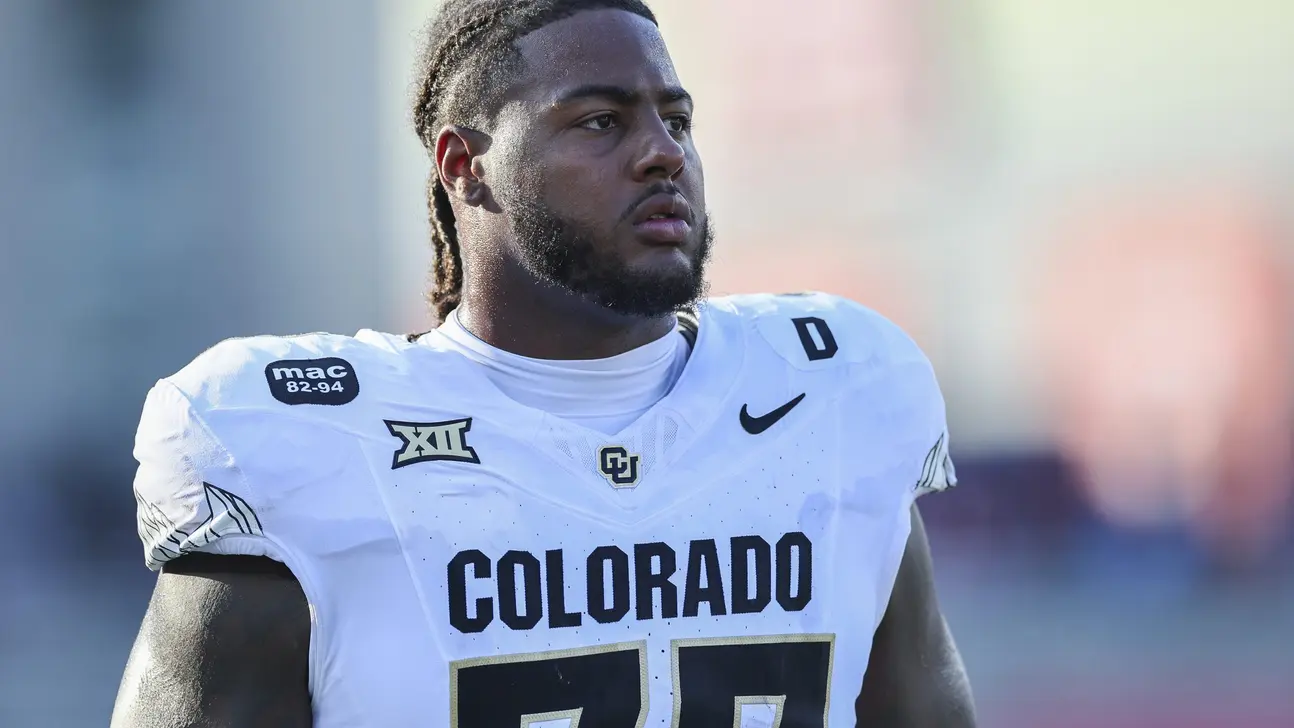
Can a Division I athlete transfer to Division III and play?
Yes. A Division I athlete may transfer to a Division III school, enroll, join the team, and compete as long as they meet Division III eligibility requirements and any conference or school policies.
The important thing to understand is that changing divisions does not automatically wipe away your prior seasons, your academic record, or other eligibility constraints. The NCAA treats you as a transfer student-athlete with a participation and enrollment history, not as a brand-new college athlete.
Also, many Division III programs are open to transfers, including former Division I athletes, because coaches know players sometimes want a different college experience and a better fit academically, socially, or geographically.
Eligibility snapshot
At a high level, Division III eligibility is usually four seasons of competition used within 10 full-time semesters (or 15 quarters). Full-time terms from prior colleges can count toward that limit. There can be exceptions and waivers in certain situations, so treat this as a baseline and confirm your specific case with the Division III compliance staff.
Eligibility when you go D-I to D-III
Your seasons still count
If you competed at Division I, those seasons of competition generally carry with you. In plain language: if you already used a season by competing, you do not get that season back just because you moved to Division III.
In most sports, a season is “used” when you appear in a contest. One appearance can be enough to trigger a used season, even if it is brief. If you practiced and traveled but never got into a game, you might not have used a season, but the specifics can be sport-by-sport and situation-by-situation.
Your full-time terms matter
A lot of athletes think in Division I “five-year clock” terms. Division III is usually framed differently. Most Division III student-athletes get four seasons, and they typically must be used within 10 full-time semesters or 15 quarters.
The practical takeaway for transfers is simple: prior full-time enrollment at any college can matter when a Division III school is figuring out what you have left. You are not stepping into a fresh timeline just because you changed divisions.
Redshirts, partial seasons, and details matter
This is where your exact facts drive the answer. Did you appear in games? Did you dress but not play? Did you compete in just one contest before an injury? Were you enrolled full time that term? Those details can change how a year is counted.
If you are considering a D-I to D-III move, ask your current school for your participation history and enrollment record, then share it with the Division III compliance staff early so you are not guessing.
Do you have to sit out a year?
Not always, but you should not assume you are automatically cleared to play right away either.
The most common “sit-out” issue you will run into at Division III is a conference or school policy that requires a year in residence for certain transfers. Some conferences are stricter than others, and midyear transfers can get especially tricky. In some places, you may be able to enroll and practice but not compete right away.
What usually controls your first-term eligibility is:
- Academic status and progress toward a degree at your new school
- Seasons and terms used, based on your participation and full-time enrollment history
- Conference and institutional transfer rules, including any year-in-residence requirement
- Enrollment timing, meaning when you are officially admitted and full time
Division III still has amateurism rules, but for most transfers the bigger practical issues are seasons, terms, and conference residence rules.
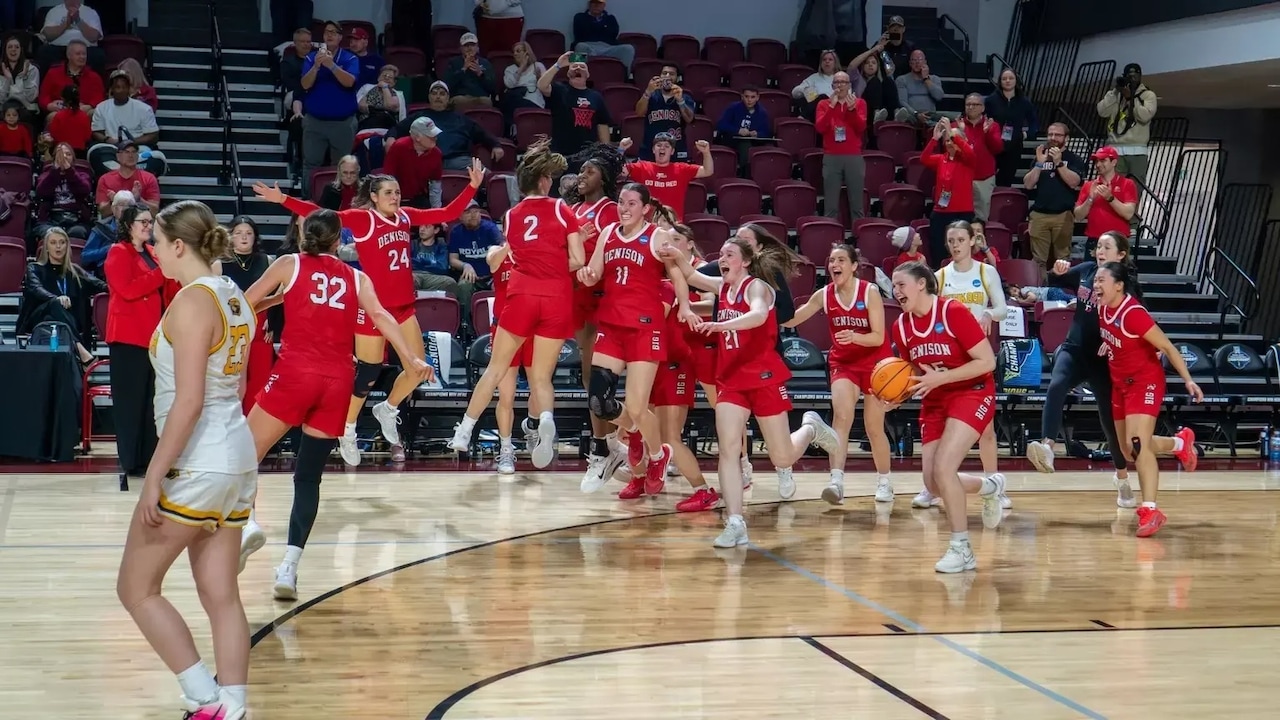
Does the Transfer Portal matter?
Sometimes, but it is not the whole story, especially if your destination is Division III.
The NCAA Transfer Portal is primarily Division I and Division II infrastructure. Many Division I athletes enter the portal to formally signal they are exploring options and to open the door for Division I and II recruiting conversations.
Division III programs do not use the portal for recruiting the same way. Communication rules and school policies can also depend on whether you are still enrolled and what your current school requires for outside contact. Before you start taking calls and setting up visits, confirm the right steps with your current compliance office so you do not accidentally create a problem.
Either way, the back end is the same: to compete at Division III, you still have to be admitted, enrolled, and cleared under Division III, conference, and institutional rules.
D-III scholarships and financial aid
This is the part that surprises a lot of families.
No athletic scholarships
Division III schools do not award athletics-based financial aid. If you are leaving a Division I scholarship situation, you should be prepared for the fact that a Division III coach cannot replace that money with an “athletic scholarship.”
Other aid is real
Division III schools can package financial support in other ways that are not tied to athletics participation, such as:
- Academic merit scholarships
- Need-based financial aid (including grants)
- Institutional scholarships for leadership, service, and other non-athletics criteria
- Federal student aid where applicable
The practical advice here is simple: treat the financial aid conversation like you are choosing a college first and a team second. Get a real net price estimate, ask what is renewable year to year, and make sure any merit aid is based on academics or institutional criteria, not the number of points you score.
Academics and enrollment basics
Even when the transfer is totally legitimate, you still have to clear the basics.
Be eligible at your new school
Division III eligibility is closely tied to institutional academic standards. You have to be enrolled and making progress toward a degree under that school’s policies, not just “eligible in the NCAA sense.”
Full-time enrollment is usually required
Most student-athletes need to be enrolled full time to compete, and your status for a given term matters. If you are part time, taking a leave, or not officially admitted yet, you can run into immediate eligibility issues.
Conference rules can add steps
Some conferences have their own transfer rules or participation policies, including year-in-residence requirements and midyear participation restrictions. Some schools also have stricter academic progress rules than the NCAA minimums. Ask direct questions early so your timeline is not built on assumptions.
Why D-I athletes choose D-III
Every transfer story is different, but a few themes come up again and again.
- Time: Division III is still serious, but the day-to-day often leaves more room for internships, labs, student teaching, or simply being a student.
- Fit: Some athletes want a smaller campus, a different region, or a specific major that was hard to manage with Division I demands.
- Joy: Sometimes you just want to love your sport again, compete hard, and have a college life that feels balanced.
As a former college athlete, I will say this as plainly as I can: there is nothing “less than” about finding the right level. The best athletes I have been around are the ones who know what they want and are brave enough to pivot.
Quick checklist
- Confirm you are in good academic standing and can be admitted to the Division III school.
- Request your transcript and an official record of full-time terms enrolled.
- Ask your current athletic department or compliance staff for your seasons-of-competition and participation history (games played and seasons used).
- Ask the Division III compliance office for a preliminary eligibility read, including any conference year-in-residence rule and any midyear restrictions.
- Meet with financial aid early and get a clear picture of merit and need-based options.
FAQ
If I never played in a game at Division I, do I still lose a season?
Not always. In many sports, a season is tied to appearing in competition, not just being on the roster. But definitions and exceptions can vary, so get your record reviewed instead of relying on a guess.
Can a Division III coach “match” my Division I scholarship?
Not with athletic scholarship money. Division III programs can help you pursue academic and need-based aid, but they cannot award athletics-based scholarships.
Does my timeline reset at Division III?
No. Expect prior seasons and prior full-time enrollment to carry forward in a way that can reduce what you have remaining. The exact answer is case-specific, so confirm it with the Division III compliance office.
Is transferring down easier?
It can be simpler in some ways, but the big hurdles become admission, academics, conference transfer rules, and financial planning. The rule-checking is still real.
The takeaway
A Division I athlete can absolutely transfer to a Division III school and compete. The move happens regularly, and for the right athlete, it can be a career- and happiness-saver.
Just go in with clear eyes: seasons used do not magically reappear, full-time terms can follow you, and Division III will not replace athletic scholarship dollars, even if the coach wants to. Handle eligibility and financial aid questions early, and you give yourself the best shot at making the fun part fun again: finding the right team, the right campus, and a version of your sport that fits your life.