
Every off-season now has the same vibe: a few starters announce they are “in the portal,” your group chat panics, and suddenly half the conference is recruiting like it is free agency. The NCAA transfer portal is the tool that makes all of that movement possible, but it is also way more structured than it looks on social media.
Quick note on where I’m coming from: I’m writing this from talking to players, coaches, and people around programs, plus watching roster and minutes math up close. Now let’s break it down in plain language: what the portal is, when athletes can enter, how contact works, what “eligibility” really means, and why your favorite program’s roster can look totally different by the time the first practice rolls around.

Key terms
If portal season feels like its own language, it kind of is. Here are the terms you will hear the most.
- Transfer portal: The NCAA database that records a student-athlete’s request to explore a transfer.
- Transfer window: A sport and division specific period when athletes can enter the portal (not identical across every sport and division).
- Dead period / quiet period: Recruiting calendar rules that limit in-person contact (and sometimes certain types of evaluation), even if an athlete is in the portal.
- Compliance: The school staff and process that handles NCAA paperwork, rules, and eligibility checks.
- One-time transfer rule (general idea): The baseline fans often mean when they say “eligible right away,” but the details vary by sport, division, and current policy, and they have changed in recent years.
What the portal is
The transfer portal is an NCAA-managed database that schools use to record when a student-athlete has asked to explore a transfer. Think of it like an official, centralized notification system.
It does not automatically move an athlete to a new team. It does not guarantee a scholarship. And it does not erase recruiting rules. What it does do is create the formal notice that other schools use to know an athlete is available, and it helps trigger when and how contact may happen under that sport’s rules and recruiting calendar.
Who uses it?
- Student-athletes use it to signal they are exploring a transfer.
- Coaches and compliance staffs use it to track who is available and manage required paperwork.
- Schools use it as the formal step that replaced a lot of the old “permission to contact” backchannel process.
How players enter
Entering the portal is athlete-driven, but the school has a required role.
- The athlete notifies the school (often the compliance office) that they want to enter the transfer portal.
- The school enters the athlete’s information into the NCAA portal within the required NCAA timeframe.
- Once listed, the athlete is officially in the portal and can be recruited and contacted as permitted by the sport’s rules.
From a fan perspective, this is why you sometimes see a delay between “so-and-so is transferring” and “so-and-so is officially in the portal.” The compliance step matters.
A typical portal timeline
Every case is different, but the common sequence looks like this. Note: academics and admissions review can run in parallel with calls, texts, and visits.
- Enter portal
- Coach outreach (based on the sport’s recruiting rules and calendar)
- Conversations and visits (often fast)
- Transcript, credits, and admissions review (progress toward degree, eligibility checks)
- Decision (commit, withdraw, or keep looking)
- Enroll (and then final clearance for competition is confirmed)

When athletes can enter
Many NCAA sports now use transfer windows, which are set periods when athletes can enter the portal. These windows vary by sport and often by division (Division I vs. Division II and III), and the details can change year to year. Also, not every sport or division uses the same window structure. Graduate and professional program timing can affect when an athlete can realistically enroll, even if portal entry happens earlier.
Here is the practical takeaway: the calendar drives the chaos. When a window opens, you get a rush of entries. When it closes, roster decisions get more final and coaches shift into “fill needs now” mode.
Why windows matter
- They compress roster turnover into a few weeks, so it feels like a storm.
- They shape depth charts, because coaches cannot hold scholarships and roster spots forever.
- They create domino effects: one key transfer changes roles behind him, plus recruiting plans, plus who feels squeezed.
A quick domino example (anonymous but realistic): A starting quarterback hits the portal and lands at a Power Four school. The backup at that new school sees the writing on the wall and transfers to a Group of Five team. That Group of Five team’s returning starter now has competition, so a younger QB there enters, and the staff responds by adding an experienced depth piece late. One move turns into four roster decisions.
How contact works
The portal brings structure to recruiting contact, but it does not mean it is open season with no rules. The big ideas:
- Being in the portal is the public signal that coaches use to know an athlete is available.
- Contact still depends on rules tied to the sport, the recruiting calendar (including dead periods and quiet periods), and permitted communication methods.
- Tampering concerns are real, especially when a player seems to have a destination immediately.
And yes, NIL adds another layer to the real-world messiness. Even when schools try to stay clean, third parties (agents, handlers, collectives, and people “around” programs) can make enforcement difficult and rumors loud.
Portal vs. old transfers
Before the portal era, transferring could be slower and more awkward. In the permission-to-contact era, athletes often needed explicit clearance to speak with other schools, and the process could feel like a bottleneck.
The portal changed things in a few key ways:
- Visibility: Coaches can quickly see who has entered instead of relying on phone calls and guesswork.
- Speed: Entries come in waves, and recruiting moves quickly.
- Player control: Athletes have a clearer, standardized way to explore options.
- Roster volatility: Teams can lose contributors and add replacements in the same window.
From the athlete side, it is not “easy mode.” It is a market with pressure and fast timelines.
Eligibility basics
This is the part that trips up a lot of fans: entering the portal is an administrative step. Eligibility is a separate question.
Whether an athlete can play right away depends on NCAA rules, the athlete’s academics, the sport, their transfer history, and current policy (including any exceptions or waivers). A common baseline fans refer to is the one-time transfer concept, but it is not a universal, automatic green light for every athlete in every sport. The rules also keep evolving.
Common eligibility factors
- Academic progress: Are they meeting credit-hour and GPA requirements?
- Transfer history: One-time transfer situations and multi-transfer situations can be treated differently depending on current policy and sport.
- Timing: When they enter and enroll can affect practice availability and readiness.
- Conference and school policies: These usually affect timing, participation, and internal roster or scholarship decisions, rather than rewriting NCAA eligibility standards.
That is why you will hear “pending admissions” or “pending eligibility.” It is not coach-speak. It is transcripts, credit checks, and compliance review.
Roster and scholarship math
Fans tend to talk portal in terms of “Who are we getting?” Coaches talk portal in terms of “Do we have the space, and does this person fit?”
Every sport has scholarship limits and roster management constraints. In football especially, it is not just scholarships. It is roster spots, position needs, admissions, academic fit, and timing with current players making decisions.
One more piece that matters: in many sports, scholarships are effectively handled on a year-to-year basis at the school level. That does not mean a program can do whatever it wants without rules, but it does mean roster planning, renewals, and fit conversations can get real, fast, when a staff is trying to make the numbers work.
That creates very real scenarios you see every off-season:
- A team loses a starter and has to decide whether to replace him with a portal veteran or develop a younger player.
- A surprise breakout freshman changes the rotation, and a veteran role player enters the portal for more minutes.
- A program adds an older transfer at one position and suddenly two players reassess their future because the path to playing time just narrowed.
This is why portal additions can feel like celebrations and warnings at the same time. If your team takes three transfers at one position, somebody already on the roster probably notices.
What if they want back?
Another reality fans miss: entering the portal does not guarantee a smooth return.
- Some athletes withdraw from the portal and stay put.
- But a school is not always obligated (or able) to restore the same scholarship, role, or even the same roster spot, depending on timing, the sport, and how the roster changed while the athlete was exploring options.
In other words, the portal can be a door that swings both ways, but it can also be a point of no return if the roster math moves on.
Sport impact
The portal impacts every sport, but the roster consequences look different depending on roster size, development timeline, and how quickly players can contribute.
Football
Football rosters are huge, and development is often slow at certain positions. The portal has become a quick fix for:
- Quarterbacks who want a clearer path to starting snaps.
- Offensive line depth, especially experienced tackles and centers.
- Pass rushers and cover corners, the premium positions every staff hunts.
It also reshuffles QB rooms yearly. One transfer in can mean two guys out, and now you are living on the edge one injury away from playing a freshman.
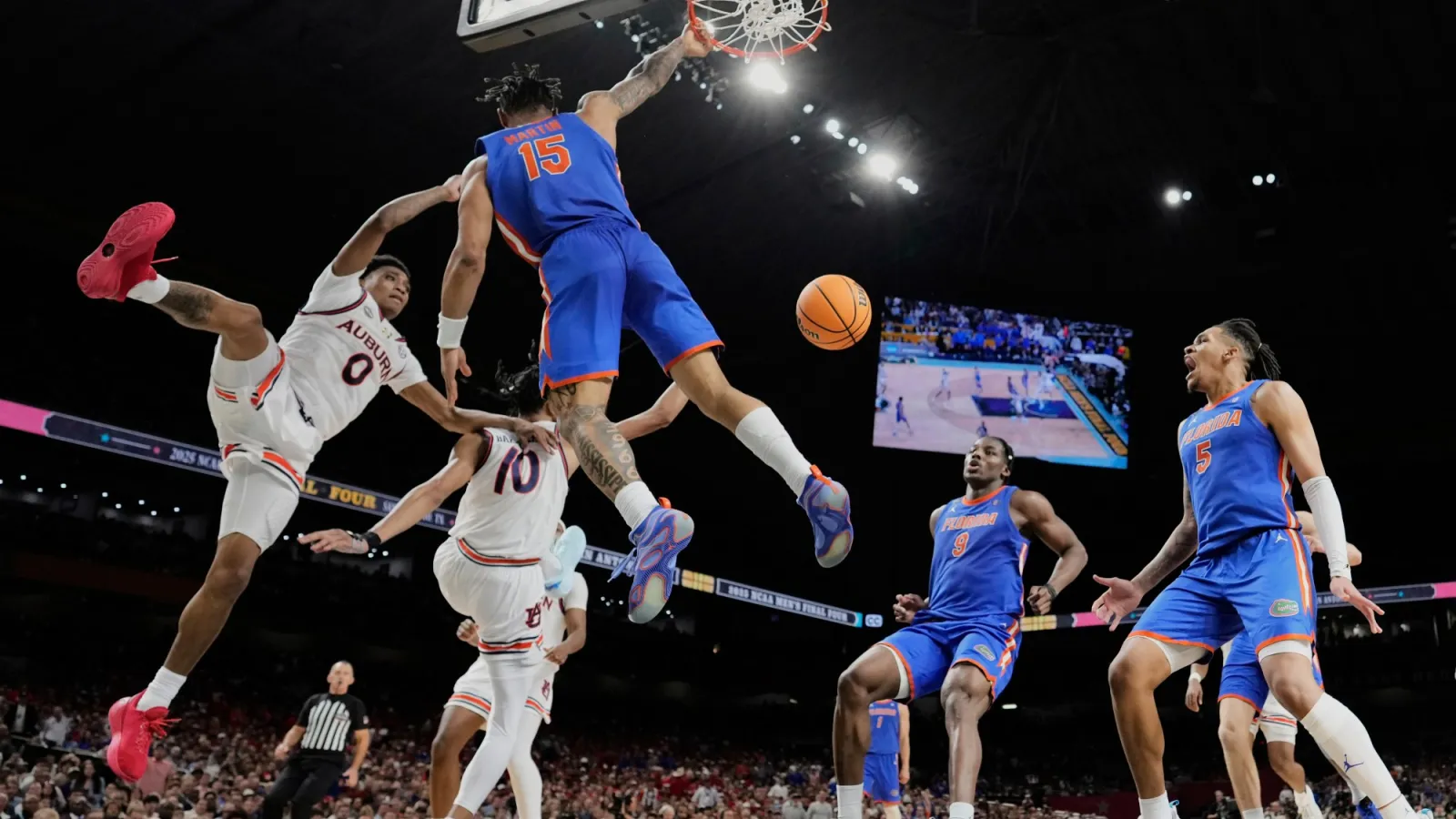
Basketball
Basketball is where the portal feels most like roster roulette because rotations are tight. If you lose a starting point guard or rim protector, the whole identity changes. Coaches use the portal to:
- Replace graduating production quickly.
- Add a specialized role, like a shooter or a switchable defender.
- Raise the floor with older, game-tested players.
I get why players move. Minutes matter, and fit matters. A great kid can be a bad fit in one system and a perfect fit in another.
Other sports
Baseball, softball, volleyball, soccer, and more also feel portal pressure, especially when playing time and coaching changes collide. A new head coach can trigger a wave of departures and a wave of portal adds, basically rebuilding a roster in one off-season.
5 portal storylines
If you want to read portal season like a coach does, these are the patterns that show up again and again.
- The coaching change exodus: New staff arrives, players reassess, and churn starts immediately.
- The depth chart squeeze: A highly rated recruit arrives, and the veteran behind him looks for a clearer role.
- The one missing piece: A strong team adds one older starter and suddenly the ceiling changes.
- The hometown return: A player wants to be closer to family, or they want a fresh start with familiar support.
- The late scramble: Injuries, pro decisions, or unexpected transfers force last-minute portal shopping.
All five of these storylines are about people first. The portal is paperwork. The decision is usually playing time, health, family, development, and belief.
Quick FAQ
Does entering the portal mean a player is leaving?
No. It means they are exploring options. Some athletes withdraw and stay, but the roster may not look the same if they come back.
Can a player talk to schools before entering?
Rules and enforcement can be complex, but the clean, compliant pathway is: enter the portal, then communicate through permitted recruiting channels and calendar periods.
Can a school stop a player from entering?
The athlete initiates the request, and the school is required to process the entry within NCAA rules. The school can still make its own roster and scholarship decisions afterward.
Is the portal the only reason rosters turn over?
No. Coaching changes, NIL opportunities, injuries, pro decisions, admissions constraints, and fit all drive movement. The portal is the mechanism that makes movement faster and more visible.
Bottom line
The NCAA transfer portal is not magic, and it is not pure chaos either. It is a formal system that gives athletes a clearer way to explore new opportunities and gives coaches a standardized way to recruit transfers within the rules. The result is a modern college sports reality: rosters are built year-round, not just on signing day.
If you are a fan trying to keep up, here is the simplest rule of portal season: follow the needs, follow the minutes, follow the math. The rest is the human story, the same as it has always been.