
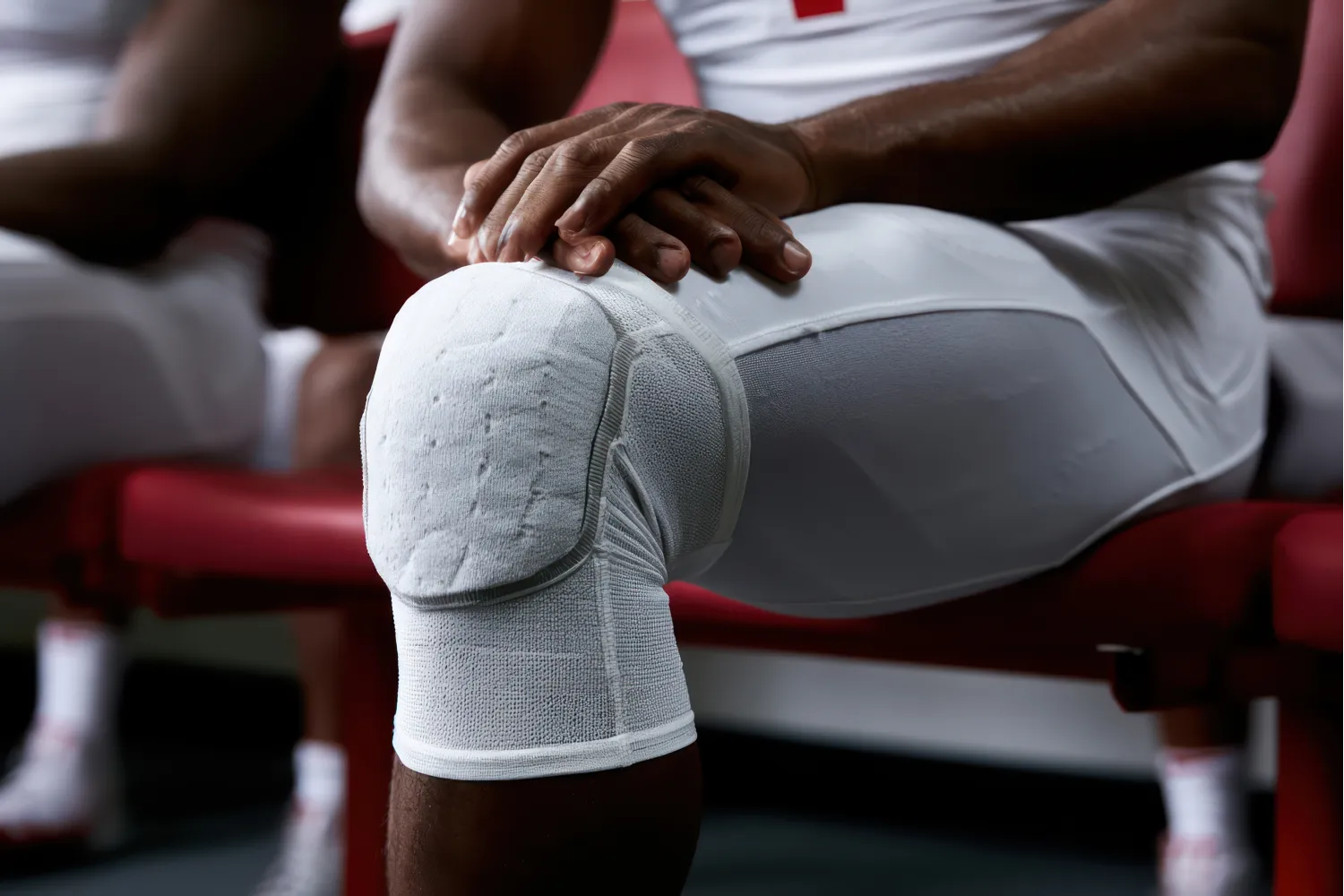
I have sat next to enough rehabbing athletes in a training room to know the feeling. The brace is tight, the calendar is unforgiving, and the question you do not want to ask out loud starts looping in your head: Can they take my scholarship now?
In general under NCAA rules, a school generally cannot reduce or cancel your NCAA athletics aid during the period of the award just because you got hurt, got sick, or cannot perform. That protection is real, but the details matter, especially your division, the exact type of aid you have, the length of the award (one year vs multi-year), and what paperwork you signed.
First, does this apply to you?
This article is about NCAA athletically related financial aid (what most people call an athletic scholarship).
- Division I and Division II: Athletic scholarships and athletics aid exist, and NCAA financial aid rules apply.
- Division III: There are no athletic scholarships. If you are DIII, what people call a “scholarship” is usually academic, need-based, or institutional aid, and the rules are different.
Also, if you are NAIA or junior college, do not assume NCAA rules apply the same way. The right answer comes from your conference and your school’s financial aid and compliance offices.
The core rule
At the NCAA level, athletics aid is awarded for a set period called the award period. That is often an academic year, but some athletes have multi-year agreements depending on the school and division.
Within the award period, NCAA rules generally prohibit reducing or canceling athletically related financial aid for reasons tied to injury, illness, medical condition, or athletics ability/performance, subject to NCAA bylaw exceptions and the school’s required process. If you want the source language, ask your compliance office to show you the current NCAA financial aid bylaws on reduction or cancellation during the period of the award and the school’s written appeal procedure.
Why it still feels shaky
Because “protected during this award period” and “guaranteed forever” are two different conversations. Coaches can make roster decisions, but roster status and athletic aid are not identical. And even when the rules are on your side, the situation can still get stressful if people start talking in vague terms instead of written terms.
Key terms
- Award period: The start and end dates your aid covers.
- Reduction vs cancellation: Cutting the amount is different than ending it entirely, but both trigger process requirements.
- Renewal and nonrenewal: What happens when the current award period ends and the school decides whether, and how much, to continue.
Who actually makes the decision
This matters more than most athletes realize. A coach may start the conversation, but the formal action usually runs through the financial aid office and athletic compliance, and the official notice is typically issued by the institution, not a coach in a hallway.
So if you are hearing threats, hints, or “we’ll see,” your job is to move the conversation out of vibes and into the actual decision-makers and the written process.
Process and appeal
This is one of the most practical protections athletes forget they have. When athletics aid is reduced, canceled, or not renewed, the school should have a process that includes:
- Written notice (not just a meeting or a text).
- An opportunity to appeal or have a hearing under institutional and NCAA procedures. This often applies to nonrenewal as well, not just mid-award cuts.
If someone is pressuring you with verbal threats or “we will see,” my move is to slow everything down and say: Please put the decision and the reason in writing, and please tell me how to appeal it.
One more thing: appeal deadlines can be short. If you get a notice, ask the same day what the deadline is and who receives the appeal.
When aid can change even if you are injured
Injury itself should not be the reason during the award period. But there are situations that can change aid, and they often happen around the same time as an injury, which is why athletes feel like the injury caused it.
1) The award period ends
After the award period ends, many programs can decide to renew, reduce, or not renew athletics aid for the next period, as long as the decision is not for an impermissible reason and the proper notice and appeal process is followed.
This is where I tell athletes: protect the facts. Keep documentation that your injury was reported, treated, and that you stayed engaged with rehab and team requirements. I have seen athletes lose leverage because they had no timeline, no emails, and no record that they were showing up.
A timing note: renewal and nonrenewal conversations often hit in the spring or early summer for the next academic year, but there is no single universal date that fits every school. Do not guess. Ask your compliance office when your program typically issues renewal notices and what the appeal timeline looks like.
One more reality check: you may hear “it’s not because you’re injured” even when the timing makes it feel that way. That is exactly why paper trails matter.
2) You violate rules unrelated to the injury
Schools can have legitimate grounds to reduce or cancel aid for reasons like serious misconduct or violations of written policies.
This is also where rehab compliance can get messy. Not playing is not the issue. Skipping treatment, ignoring medical instructions, or failing to meet clearly stated team obligations can create separate problems. If the team handbook uses broad language, take it to compliance and ask what is actually enforceable and what process applies.
3) You withdraw or become ineligible
If you leave school, fail to meet academic eligibility requirements, or become otherwise ineligible under NCAA or institutional rules, that can affect aid. Again, not “because you tore your ACL,” but because your enrollment or eligibility changed.
4) Your package includes non-athletic aid
Athletics aid rules are one bucket. Need-based grants, academic scholarships, and other institutional aid can have separate renewal requirements that are not controlled by NCAA athletics aid protections.
If your total cost coverage changed after an injury, ask for a written breakdown by aid type. I have seen athletes panic because “my scholarship got cut,” when the change was actually in a non-athletic grant with different rules.
Medical care is separate
There are two different “medical” conversations that get mixed together:
- Scholarship protection: whether your athletics aid can be reduced or canceled because you are injured.
- Medical coverage and care: what treatment, surgery, rehab, insurance coordination, and follow-up care the school provides.
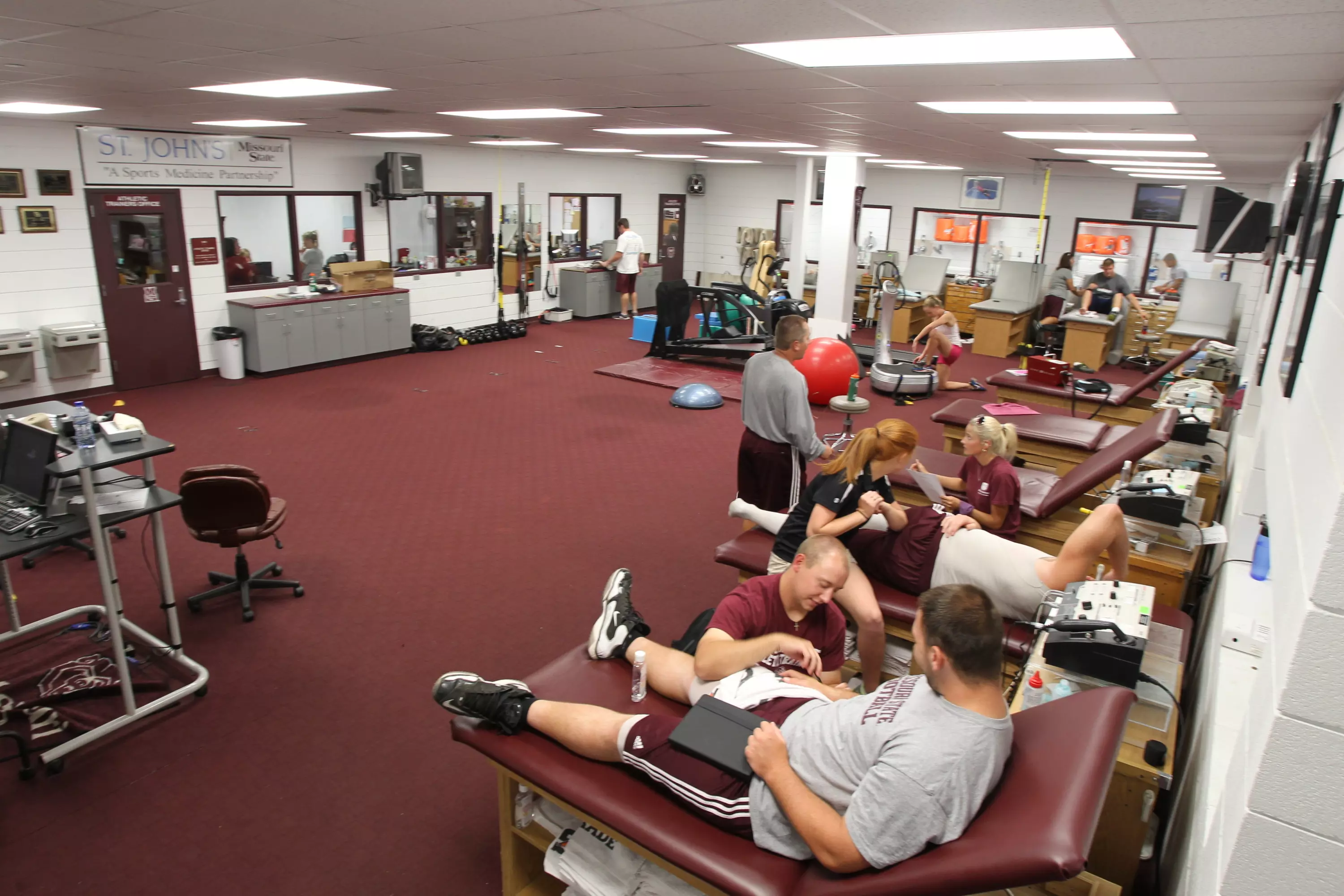
Even if your athletics aid is protected during the award period, medical coverage is often highly school-specific, shaped by athletic department policy, conference rules, state law, and insurance arrangements. A common setup is that your primary insurance is billed first, then the school covers some or all of the remaining allowed costs under its policy.
Do not guess. Ask for the written medical expense policy, and keep copies of anything that mentions preauthorization, referrals, in-network rules, and deductible responsibility. Those details are where surprise bills usually show up.
What to check in your paperwork
I always tell athletes to treat the paperwork like film study. Do not skim it. Break it down line by line and ask questions until it makes sense.
What to look for
- Award period: Start and end dates matter. Your mid-award protections usually live inside this window.
- Length of the agreement: One-year vs multi-year matters for peace of mind and planning.
- Type of aid: Athletics aid vs academic vs need-based vs a mix.
- Conditions tied to conduct: “Good standing” language can be broad. Ask what triggers action and what the process is.
- Participation language: If you see anything that sounds like you must compete to keep aid, do not argue with a coach about it. Ask compliance how it aligns with NCAA limits on reducing aid due to injury, illness, or athletics ability/performance during the award period.
- Medical noncompliance language: Expectations about showing up to treatment and following rehab plans are different from performance requirements, but they can still be used in disputes.
- Insurance and medical expense policies: What is billed to your insurance first, what the school covers, and what happens with deductibles or out-of-network care.
One question that clears up a lot
Ask, in writing if possible: “Is my NCAA athletics aid guaranteed for the full award period even if I am unable to compete due to injury, and what is the appeal process if anything changes?”
You are not being difficult. You are being responsible.
Sport and scholarship type
Not every sport operates the same. In Division I and Division II scholarship sports, headcount sports (where scholarships are typically full and limited in number) can feel especially high stakes. In equivalency sports (where money is divided among more athletes), the pressure can feel like constant roster math.
That does not change the basic principle that injury should not be the reason your athletics aid is reduced mid-award. But it does change the day-to-day reality of conversations, especially when a program is juggling limited scholarship dollars.
Red flags
Most athletic departments try to follow the rules. When athletes get squeezed, it is often through rushed meetings, vague explanations, or pressure to act fast.
- You are told you must return by a certain date or else, with scholarship consequences implied.
- You are pressured to sign new paperwork after the injury without time to review it.
- The reason for a change keeps shifting, or you are only told verbally with no written explanation.
- Your medical plan becomes a bargaining chip, such as access to rehab tied to roster status.
If any of that is happening, bring in adults with titles and actual authority. That means your compliance office, financial aid office, student-athlete support services, and if needed, your conference office. Get written clarification so it is not just you and a coach in a room.
What I would do
This is the player-in-me talking, because I have lived the rehab grind and watched teammates go through it.
- Get your documents together: award letter, team handbook, any amendments, and your full financial aid package breakdown.
- Confirm the award period: know exactly what window you are protected under.
- Keep rehab receipts: attendance, treatment notes, messages with trainers. Be professional and consistent.
- Get clarity in writing: “Is my athletics aid secure for the remainder of this award period?”
- Ask about process and deadlines: “If anything changes, what written notice will I receive, what is the appeal deadline, and who do I submit it to?”
- Separate health from playing time: your medical care should not be negotiated like minutes on the court.
One small example I have seen too often: an athlete misses two weeks of rehab because they are discouraged, then the story becomes “noncompliance” instead of “injury.” Do not give anyone that opening.
FAQ
Can they take my scholarship if I cannot play this season?
Generally, NCAA rules prohibit reducing or canceling athletically related financial aid during the award period due to injury or illness (and also due to athletics ability or performance), subject to NCAA bylaw exceptions and the school’s required process. The more complicated part is what happens at renewal time, when the next award period begins, and what written notice and appeal rights apply.
What if a coach says my scholarship is performance-based?
Ask to see where that is written in your award agreement and ask compliance how it aligns with NCAA limits on mid-award reduction for athletics ability, performance, or injury. Do not rely on verbal explanations when money and school are on the line.
If my athletics aid is protected, does that mean the school must pay for all my medical care?
Not automatically. Medical coverage is typically governed by institutional policy, insurance arrangements, and sometimes conference or state requirements. Ask for the written medical expense policy, and ask specifically about primary insurance billing, deductibles, referrals, and preauthorization.
Does this apply to every NCAA division?
Division I and II are the main NCAA scholarship divisions. Division III does not offer athletic scholarships, so the question shifts to academic and need-based aid rules. When in doubt, start with your written award documents and your school’s compliance and financial aid offices.
Bottom line
An injury can change your season. It should not automatically erase your athletics aid mid-award.
The smartest move is to treat your scholarship like any other serious agreement: know the award period, know whether you are on a one-year or multi-year agreement, understand what part of your package is athletics vs non-athletics, and get decisions and reasons in writing. You are trying to heal, stay in school, and keep your future intact. That is not asking for special treatment. That is the whole point of having rules in the first place.