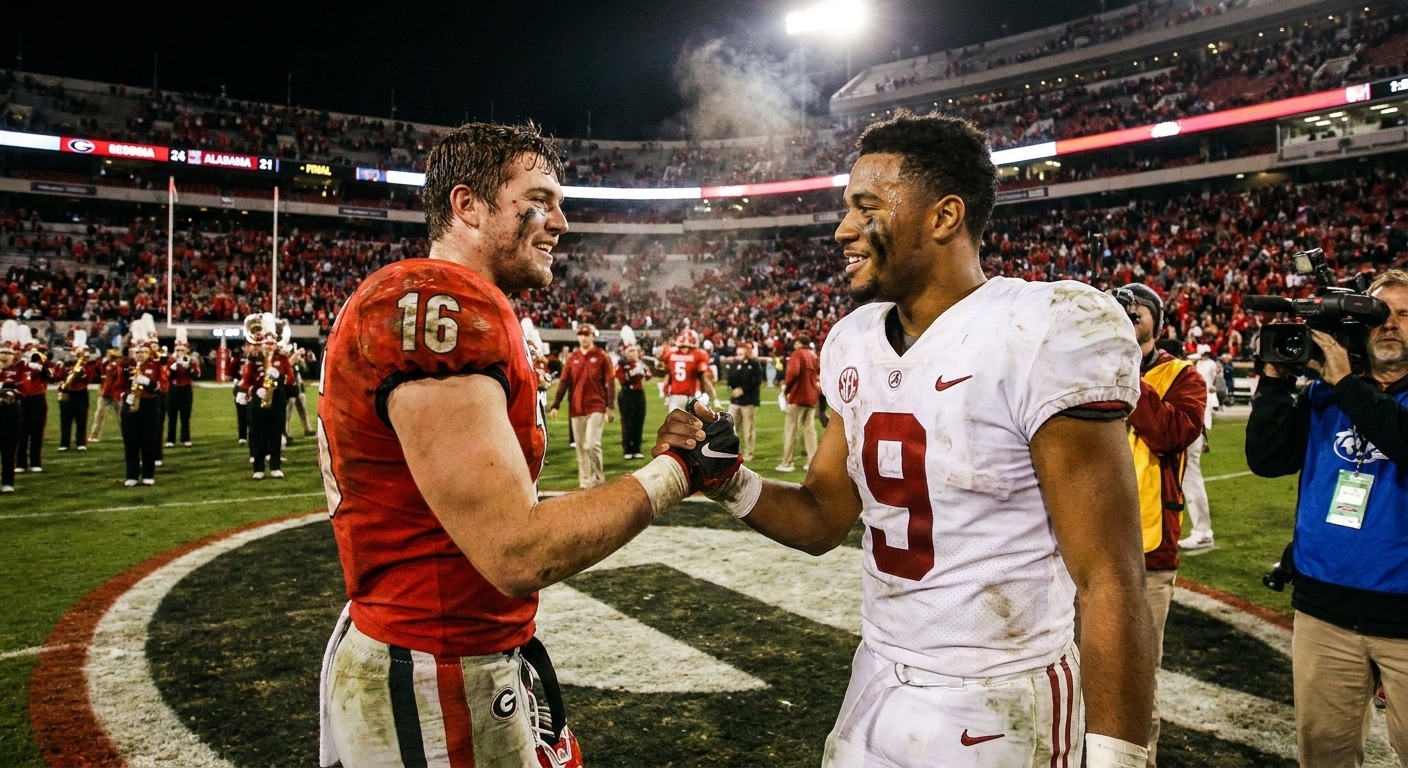
I have been in enough locker rooms to know this truth: the hardest part of leaving a team is not the paperwork. It is walking back into practice after everyone knows you are thinking about somewhere else.
So let’s answer the big question as cleanly as we can.
In most cases, yes, an athlete can still practice and play for their current school after entering the NCAA transfer portal, because portal entry by itself does not change your NCAA playing eligibility at your current school. But you still have to remain academically and athletically eligible, and your school still has to keep you on the team. The portal also does not guarantee you keep your usual role. Coaches and programs can set participation expectations, and sometimes they will reduce reps, travel status, or game minutes based on team needs, conduct policies, and what they believe is best for the group.
What the portal does
The transfer portal is a database used by college athletics programs. When you enter it, your school has recorded a formal notification that you intend to explore transferring. That step mainly changes one thing in a practical sense: other schools can contact you under NCAA rules, subject to recruiting calendars, contact rules, and anti-tampering policies.
What it does not automatically do is remove you from your current roster, cancel your eligibility, or instantly make you ineligible to compete for your current team. Portal entry also does not automatically change your enrollment status. You are still a student at that school unless you withdraw or are dismissed academically.
Team membership is separate. You can remain enrolled while being removed from the team, and you can also remain on the team while you explore options. That part is often program-specific.
Can you play in games?
Usually, yes. If you are still on the team and otherwise eligible, you can compete while your name is in the portal.
That said, game participation becomes as much a relationship and program decision as a rules decision. Coaches have a job to do: build chemistry, develop players who will be there long-term, and protect the locker room.
Why a coach might still play you
- You are a key contributor and the team is trying to win right now.
- You have handled the process professionally, kept showing up, and stayed bought in.
- Your position room is thin and your reps are necessary.
- There is mutual respect and a clear plan for how to finish the season strong.
Why your role could change
- Coaches want to develop the next player up who is likely staying.
- Team chemistry concerns if the situation becomes a distraction.
- Playbook, game plan, or trust issues if communication breaks down.
- Leadership messaging, especially if the program wants to set a standard for how departures are handled.
Important nuance: playing time is often coaching discretion, the same way a coach decides reps every week. If you feel like your participation is being restricted in a way that looks like retaliation or conflicts with written team or department policy, do not just stew on it. Talk to your compliance office, student-athlete services, or a sport administrator and get clarity on what the rules and policies actually are.

Can you still practice?
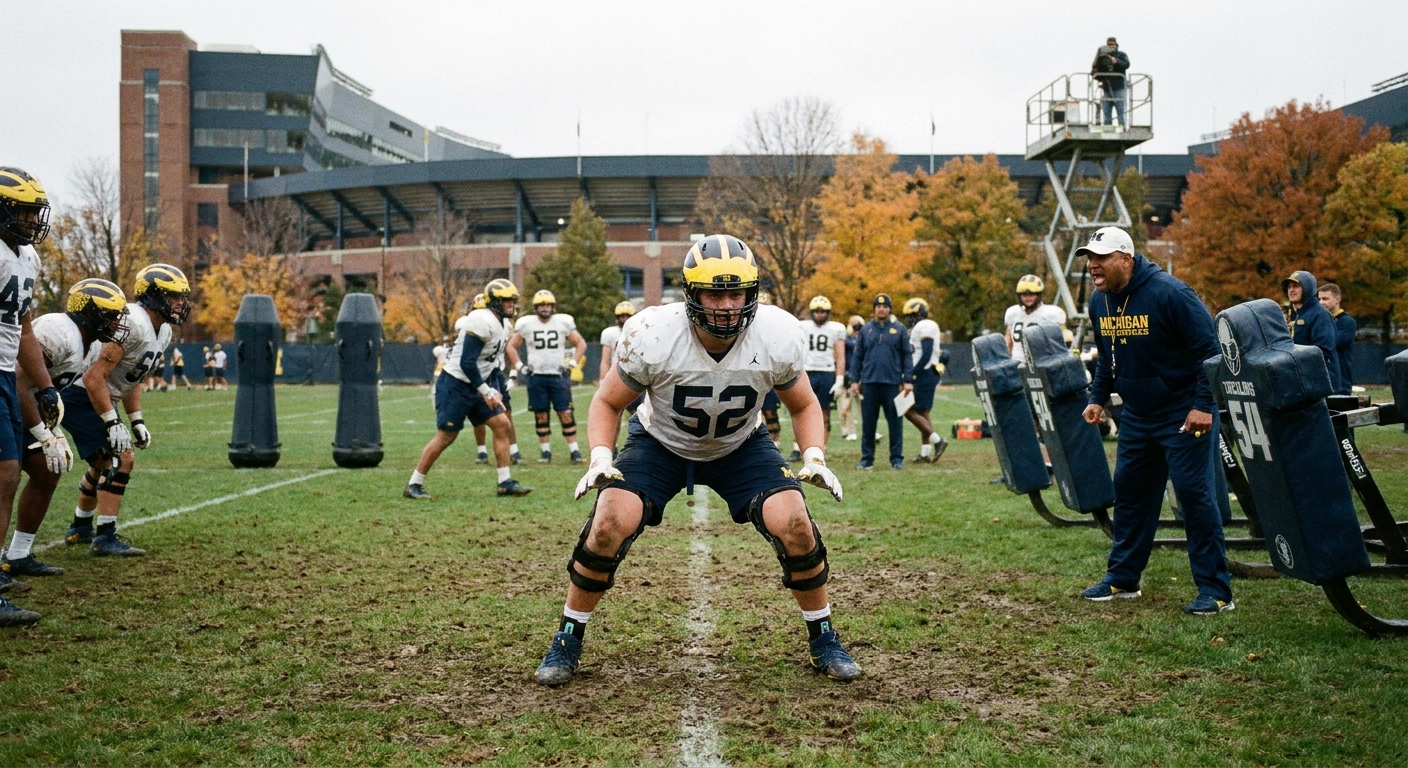
Often, yes. Entering the portal does not automatically kick you out of practices, workouts, meetings, or team activities.
But this is where real life gets messy. Programs can adjust what you are allowed to do day to day based on:
- Team policies about portal entries during the season
- Coaching staff discretion
- Your conduct and commitment once you enter
- Sport-specific norms (football vs. basketball vs. baseball can feel very different)
In some programs, you keep your full routine, just with a little tension for a bit. In others, a staff might say, “We’re going to limit your team reps,” especially if they feel your focus is elsewhere.
What practice can look like
- You continue full practices and meetings as normal.
- You practice, but with reduced reps or scout-team work.
- You lift and condition, but are kept out of competitive segments.
- You are asked not to attend certain team functions, especially media-heavy ones.
One more practical note that athletes learn fast: access to medical care, athletic training, and strength and conditioning support can be policy-based. It often continues, but it can change quickly depending on your program’s approach. Ask directly what stays the same and what changes, because guessing here is how injuries and misunderstandings happen.
If you are a teammate reading this, my two cents is simple: treat the person like a human. A transfer decision can be about coaching fit, family stuff, mental health, playing time, academics, finances, or just needing a reset.
Can you still travel?
Sometimes, but do not assume it. Travel squads are often limited in size, especially in sports like football, and coaches make those decisions weekly. Even in sports with broader travel rosters, staffs may tighten things up if they want to invest trips in players they are actively developing for next season.
If you enter the portal midseason, you could still:
- Travel as normal
- Travel only for certain matchups
- Stop traveling while remaining on the team
This is one of the clearest “it depends on your program” areas. If you need an answer, you have to ask directly, ideally in a meeting that includes a position coach and compliance or operations staff so everyone is aligned.

Does the portal make you ineligible?
No, not by itself. Portal entry is not an eligibility penalty.
However, you still have to meet all the normal eligibility requirements to compete: academic standing, amateurism rules, team and departmental conduct standards, and sport-specific NCAA requirements.
Also, if you take steps that formally separate you from the school, you can create eligibility issues for yourself. Examples can include withdrawing from classes or no longer meeting progress-toward-degree requirements.
Windows and timing
This article is about whether you can still practice and play, but timing matters because it shapes everything around you.
Transfer portal windows are sport-specific, and in some sports there are multiple windows (football is the most talked about). Those windows affect when you can enter and how the process plays out, especially if you are trying to transfer without losing time. For the cleanest, current answer for your sport, ask your compliance office to walk you through the exact dates and what they mean for you.
Division differences
Most of what you hear about “the portal” is framed around NCAA Division I, but Division II and Division III have their own rules and processes, and NAIA schools operate under NAIA rules. The general idea that portal entry alone does not automatically make you ineligible is common, but the details that matter (contact rules, timing, financial aid, and eligibility triggers) can change by division and association.
Midseason entries
If you enter the portal during the season, the question is less “are you allowed to play?” and more “is everyone still pulling in the same direction?”
From a pure hoops perspective, I have seen situations where a player entering the portal midyear changed the emotional temperature of a team. Not always in a bad way, either. Sometimes it cleared the air. But it forces everyone to communicate.
If you are considering entering midseason, you should think through two things before you hit submit:
- How you want your last weeks on the team to feel, for you and for the people you came in with.
- Whether you can keep competing with full effort without mentally checking out.
How to handle it
There is no magic script, but there are smart moves that keep you from turning a tough decision into a messy exit.
- Have the coach conversation first if you can. Surprises are where relationships fall apart.
- Ask directly about expectations for practice reps, travel, and games.
- Confirm what happens with support like athletic training, strength staff, nutrition, and facilities access.
- Stay consistent with training room, lifts, meetings, and punctuality.
- Keep it off social media as much as possible. Let your work do the talking.
- Be a good teammate anyway. You might need these people as references later, and more importantly, it is the right thing.
Who to talk to
If you are trying to stay eligible, stay informed, and stay out of a mess, here is the short list of adults who can actually answer your questions:
- Compliance (portal entry timing, contact rules, written policies)
- Your academic advisor (progress-toward-degree, enrollment choices, class withdrawals)
- Your head coach and position coach (role, reps, travel)
- Sport administrator or student-athlete services (if things feel off or unclear)
- Athletic trainer and strength staff (medical and training access expectations)
- NIL staff, if your school has it (guidance, and avoiding tampering-type situations)
And one more that matters: if you are on scholarship or receiving aid, ask how your program handles aid decisions and renewal timelines. Portal entry does not automatically cancel your current aid mid-term in most situations, but it can affect future roster and scholarship planning depending on the school and timing.
Quick FAQ
Can my school remove me from the team if I enter the portal?
A school can set team rules and coaches can make roster decisions, but portal entry alone does not automatically remove you. What happens next is often program-specific and tied to conduct, commitment, and roster management.
Can I enter the portal and still play in the next game?
Potentially, yes. If you are still eligible and the coach chooses to play you, portal entry does not automatically stop you from competing.
Can other schools contact me right away?
In general, portal entry opens the door for contact, but schools still have to follow recruiting calendars, contact rules, and any applicable NCAA or conference restrictions.
Does being in the portal mean I have to leave immediately?
No. Entering the portal is a notice of intent to explore transferring. You typically remain enrolled at your school unless and until you withdraw or enroll elsewhere.
The bottom line
You can often still practice and play after entering the transfer portal, because you are still enrolled and portal entry is not an automatic NCAA eligibility trigger.
But the portal does not protect your role. Whether you keep traveling, keep getting reps, and keep seeing the floor or field can come down to coaching discretion, team culture, written department policies, and how you handle the moment.
If you are in this spot, my best advice is simple: communicate early, stay professional, and compete hard if you are still wearing that jersey. The way you leave matters almost as much as where you go next.