
Every fall, we do this dance. A college quarterback throws for 4,500 yards, looks like he is playing on fast-forward, and the highlight reel starts whispering, “Next Sunday star.” Then the NFL comes calling and suddenly that same player is living in a world where windows are tighter, the calls are longer, and every mistake gets taxed with interest.
That is not a knock on college football. It is a reminder that NCAA and NFL playbooks are built for different realities. Different rules. Different field geometry. Different bodies on the field. And honestly, different priorities.
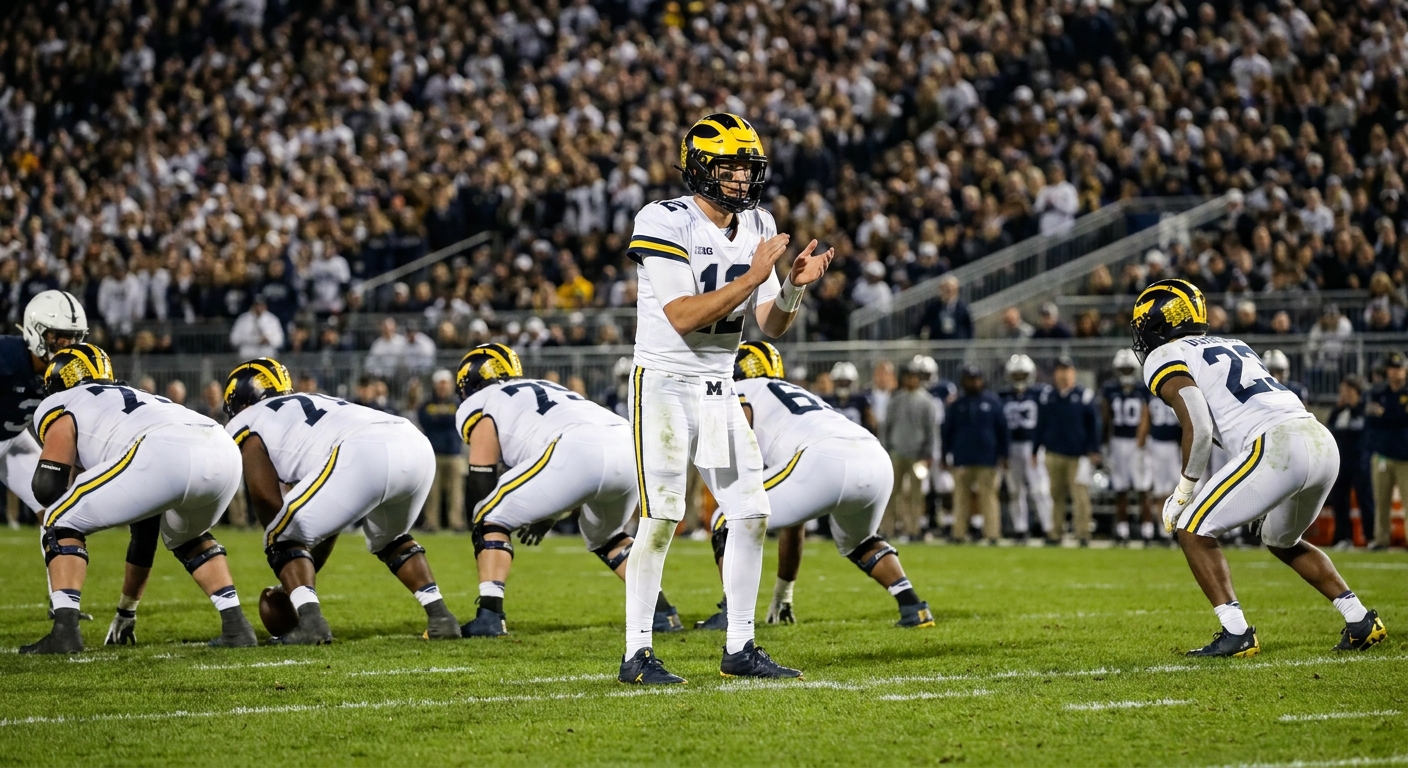
Let’s talk about the biggest schematic differences that separate Saturdays from Sundays, and why “simple” and “complex” are usually the wrong words for what is really happening.
Start with the rules
Before we even get to play concepts, the rulebook shapes what coaches can reasonably major in.
Hash marks
College hash marks are wider than the NFL. That means the ball can be placed much closer to the sideline in the NCAA, which stretches defenses horizontally and creates more “free grass” to attack on the wide side of the field.
- In college, offenses can lean harder into boundary versus field tendencies, wide-side RPOs, and fast screens because the defense has more space to cover.
- In the NFL, the hashes are tighter, so the defense can play the field more evenly. Some college concepts still work, but the geometry is less forgiving.
Motion and shifts
This is a subtle one, because the base motion rules are not dramatically different between levels. You still need players set, you still get one guy moving at the snap, and the motion still has to be legal in direction and timing.
The difference is that the NFL treats motion like a weekly business plan. Sundays are loaded with perfectly timed shifts, fast motion, and formation “tells” designed to expose match coverages, force communication, and manufacture leverage without changing the play call. College teams use motion too, but the volume, precision, and how consistently it is tied to coverage identification in the pros can feel like a separate language.
Tempo and substitutions
Tempo is a college superpower. With wider hashes and substitution rules that can allow the offense to keep pressure on defensive personnel groupings, NCAA offenses often aim to “win the call” before the snap even happens.
The NFL has tempo teams, but because defenders are smarter at disguising and offenses are usually more methodical about personnel, tempo is a change-up instead of the whole identity.
Pass interference
Here is one that quietly changes everything down the field: Defensive Pass Interference is a spot foul in the NFL . In college, it is a 15-yard maximum (with a few rule-specific exceptions, but that headline is what matters).
That penalty structure shapes coverage and risk. NFL defensive backs have to live with the reality that losing a rep deep is not just “give up a shot.” It can be a 40-yard walk-off. That influences how aggressively defenses play the ball, how they handle stacked releases, and how offenses hunt explosives.
Offense: space vs. precision
If you want the cleanest summary, here it is: college offenses tend to build around space and conflict, while NFL offenses tend to build around timing and matchups. Both are sophisticated. They just solve different problems.
RPOs
RPOs are everywhere now, but they are not the same animal.
- In college, RPOs often function as core identity. They let offenses punish light boxes, simplify reads, and keep the ball out of harm’s way. You will see quick glance routes, bubbles, and stick concepts married to inside zone like it is a long-term relationship.
- In the NFL, RPOs exist, but they are constrained by tighter throwing windows, faster linebackers, and a major rules reality: ineligible receivers downfield. The NCAA generally gives linemen 3 yards of cushion. The NFL generally gives them 1 yard. That difference is not trivia, it is the reason a lot of college RPO structure cannot be copy-pasted into a pro call sheet without changing timing, footwork, and ball out rhythm.
Many pro RPOs become “one-step decisions” built to steal efficient yards, not to be the whole offense.
Protections
Here is where the biggest shock hits young quarterbacks. In college, protections can be streamlined because the offense is spreading the field and often getting the ball out quickly.
In the NFL, defenses will attack protections like a puzzle they have solved before the game even starts. You see more:
- Full-field pressure packages that force the quarterback to set the protection correctly.
- Simulated pressures where the defense shows one thing, rushes another, and still drops seven.
- Hot answers that are not just “throw to the slot,” but “throw to the correct slot based on rotation and leverage.”
On Sundays, protection is not a background detail. It is the foundation of the call.
Route concepts
College offenses can manufacture open receivers with spacing, splits, and tempo. The NFL can do that too, but the windows close fast, so route concepts tend to be layered and timed with the quarterback’s drop and hitch rhythm.
You will see plenty of familiar concepts at both levels: mesh, smash, dagger, flood. The difference is in the details:
- NFL route depths are married to footwork. If the route is at 18, the quarterback’s feet must land on time at 18.
- Option routes are everywhere. Receivers are not just running a route, they are reading coverage the same way the quarterback is.
- Formations are dressed up with motion, stacks, and condensed splits to force defenders into traffic and create legal rubs.
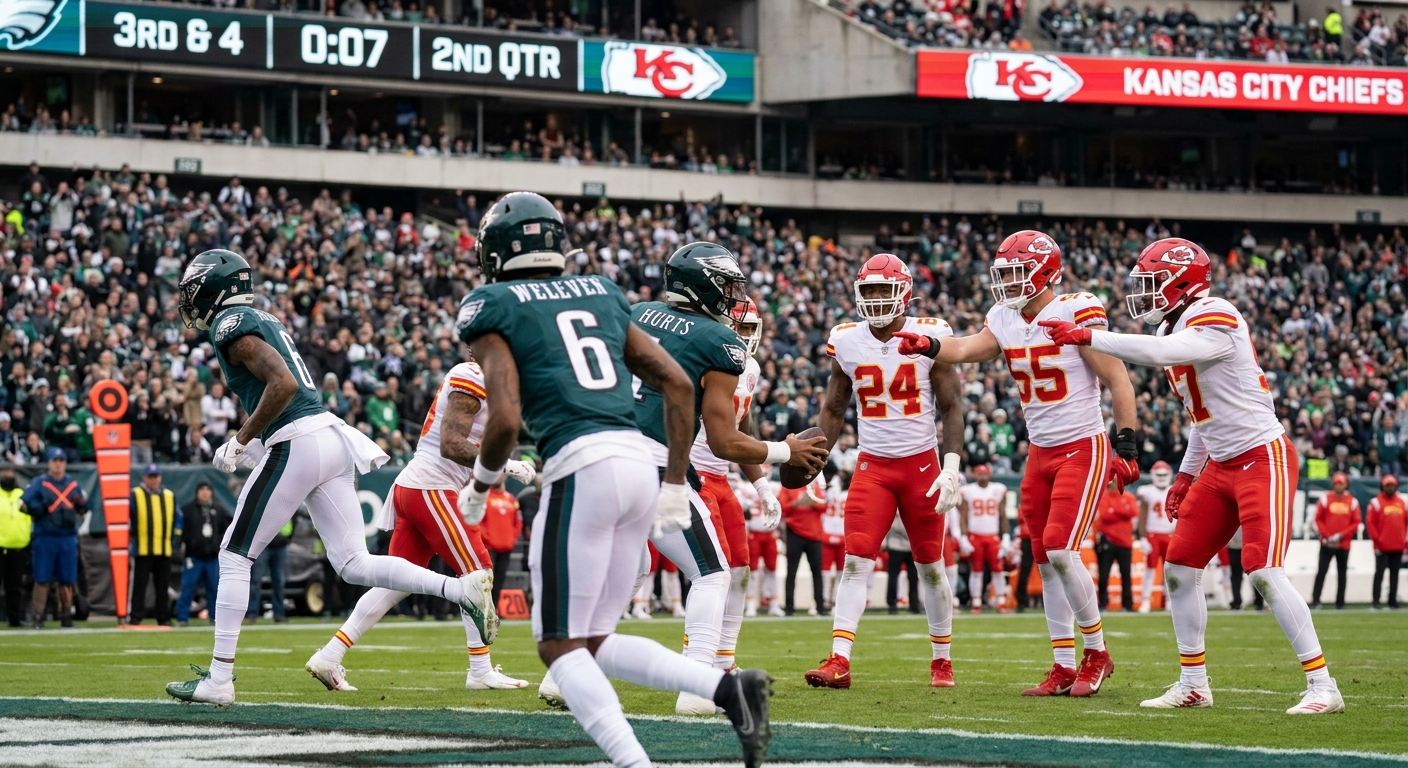
Defense: heat vs. disguise
Defenses at both levels are nasty. The difference is what they can gamble on.
Disguises
If you have ever heard a quarterback say, “They rotated late,” that is not just coach-speak. NFL defenses live on late movement. Safeties spin, nickel defenders replace, linebackers bluff, and the picture changes after the snap.
College defenses disguise too, but the NFL’s combination of film study, athleticism, and communication makes it far more consistent. Offenses respond by leaning on motion, condensed formations, and quick-game answers. It is a chess match at 4.4 speed.
Man coverage and DPI risk
College has great corners, no doubt. But the NFL is the only place where “the corner is in phase” is basically the default setting. That reality changes the route tree and the quarterback’s willingness to throw certain balls.
- In college, you can live on winning outside with talent mismatches or spacing stress.
- In the NFL, man coverage often forces you to win with timing, leverage, and route technique, not just speed.
And hovering over all of it is the spot-foul DPI rule. NFL defensive backs are coached with that penalty in mind, because one panicked grab can flip the field in a single flag.
Pressure philosophy
College defenses often bring pressure to create chaos, especially against younger quarterbacks. The NFL still blitzes, but many teams would rather manipulate protection than sell out.
This is where simulated pressures shine. The defense can:
- Show six or seven at the line.
- Rush four.
- Still get a free runner because the offense slid the wrong way.
It looks like a blitz on TV. It plays like a math problem on the field.
The language barrier
Fans sometimes assume NFL playbooks are “bigger” because the words are longer. That is part of it, but the real difference is responsibility. On Sundays, one call often includes formation, motion, protection, route adjustments, and built-in answers versus multiple looks.
One play, multiple plays
A typical NFL concept might have:
- A base route distribution.
- A coverage beater if the defense rotates.
- A sight adjustment if pressure shows.
- A built-in alert if the box count changes.
College teams do versions of this too, especially at high-level programs. The difference is the NFL expects everyone, including the third receiver and the back, to see the same picture and adjust in sync.
Quarterback autonomy
Some college quarterbacks have tremendous freedom. Many do not need it because the offense is designed to win quickly with pace and spacing.
In the NFL, the quarterback is often asked to:
- Set protections.
- Identify the mike and pressure.
- Confirm coverage indicators.
- Manage cadence and motion timing.
That is not “smarter football.” It is football built for opponents who can erase Plan A in a heartbeat.
Why concepts translate
Here is the optimistic part, because I am always going to bet on the underdog and the innovator. A lot of college football has already changed the NFL, and it is not slowing down.
What the NFL borrowed
- Shotgun and spread spacing as a base, not just a situational tool.
- RPO packages as efficient answers, especially on early downs.
- Tempo and no-huddle sequences to stress communication.
- Motion as leverage, with college influence layered into pro precision.
And as more quarterbacks enter the league with extensive reps in spread systems, NFL play callers keep adapting. The best ones do not force players into a museum offense. They build around what their guys can do right now.
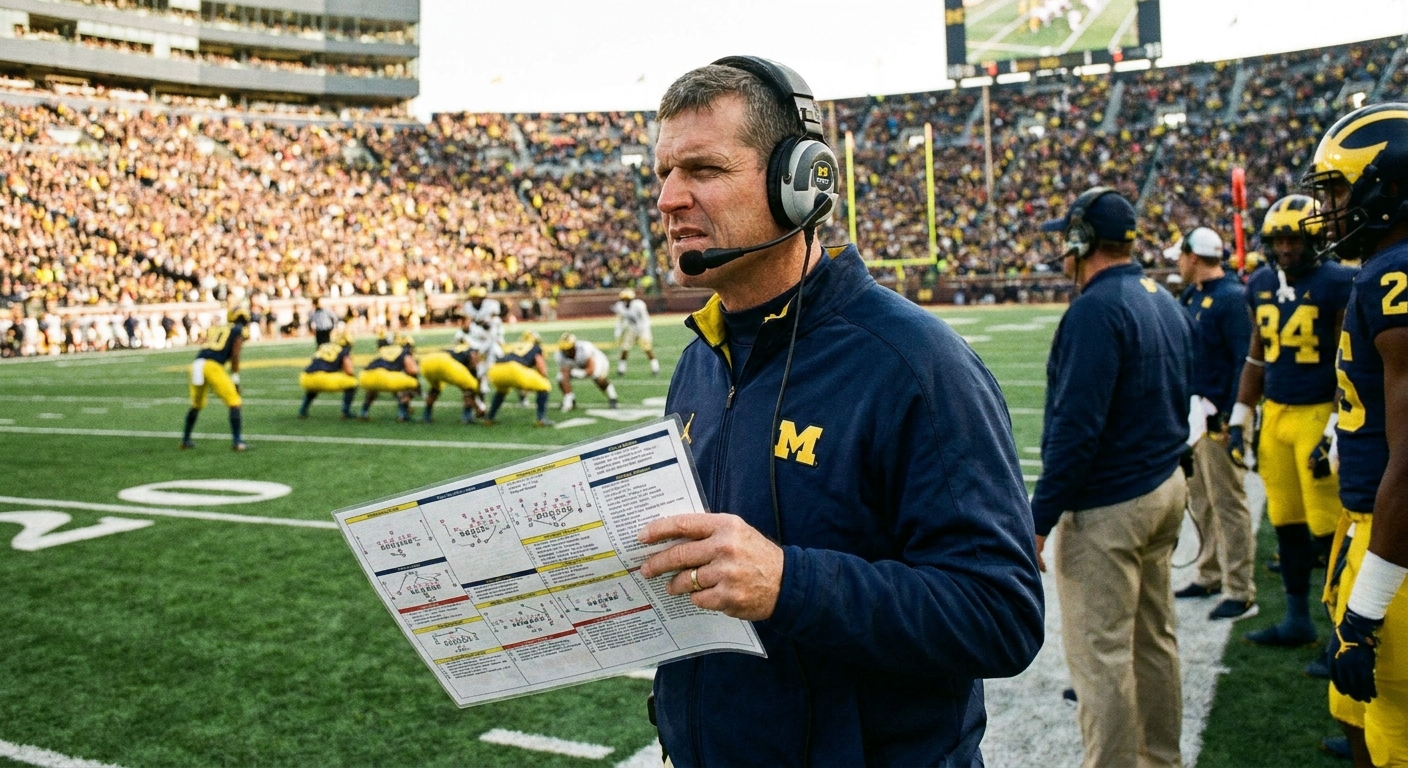
Which playbook is harder?
It is a trap question. College football is hard because it asks you to execute at pace, often with less practice time and constant roster turnover. The NFL is hard because every opponent is stocked with grown professionals who close space like it owes them money.
If you want a cleaner way to think about it:
- College playbooks often prioritize forcing the defense to be wrong in space.
- NFL playbooks often prioritize being right in structure, timing, and answers.
Both demand creativity. Both demand toughness. And both, at their best, are beautiful because they are built around people. The walk-on slot who becomes a chain-mover. The rookie linebacker learning to communicate checks. The quarterback who takes the hit to deliver the throw anyway.
That is the part that never changes from Saturdays to Sundays. The schemes evolve, but the story is still the same: 11 guys trying to be one heartbeat.
Quick cheat sheet
- Field geometry: Wider college hashes create more extreme wide-side stress.
- Offensive identity: NCAA leans space, tempo, and conflict; NFL leans timing, leverage, and matchup hunting.
- RPO usage: Core engine in college; more constrained in the NFL, especially due to 3-yard vs. 1-yard ineligible downfield rules.
- Protections: More quarterback-driven and punishment-heavy in the NFL.
- Defense: College often attacks with volume; NFL attacks with disguise and precision.
- DPI impact: NFL spot-foul DPI changes deep-ball risk and coverage behavior compared to the NCAA 15-yard maximum.
- Communication: Both matter, but the NFL demands synchronized adjustments across every eligible.