The designated hitter rule sounds like one of those baseball things you either grew up with or you feel like you missed a whole class on. It is simpler than it looks: a team can use one player to bat in place of the pitcher, and that player does not have to play defense.
But once you get into substitutions, bullpen moves, and those late-inning chess matches, the DH turns into a real strategy lever. Here is the rule, in plain English, with real game situations so it clicks fast.
What is the designated hitter (DH)?
The designated hitter, usually called the DH, is a player in the batting order who hits for the pitcher. The DH takes the pitcher’s spot in the lineup, so the pitcher does not have to bat.
Key point: the DH is a lineup role, not a defensive position. In most DH usage, the DH does not play the field at all. They just hit.
- With a DH: pitchers focus on pitching, and teams add an extra bat.
- Without a DH: pitchers hit, and managers make more late-game pinch-hit decisions.
How the DH works in MLB now
As of the current era of MLB rules, the DH is used in both the American League and the National League. In other words, in a standard MLB game today, both teams typically have a DH.
That means the pitcher’s spot is not in the batting order at all. If you are looking at a lineup card, you will see nine hitters, and one of them is labeled “DH.”
What happens if the DH also plays defense?
This is where casual fans get tripped up, so let’s keep it clean:
- A DH can be moved into the field later in the game.
- If that happens, the team usually loses the DH, and from then on the pitcher (or whoever is now in the pitcher’s lineup spot) must bat in that place in the order.
In-game example: Your DH starts the game at DH and goes 2-for-3. In the 8th inning, the manager wants to improve defense and moves that DH to first base. If there is no legal way to keep the DH slot intact, the DH is gone, and the pitcher’s lineup spot becomes a real hitting spot again for the rest of the game.
The Ohtani Rule
Modern MLB has one big DH twist that matters a lot, especially if you are watching teams with a two-way star.
Under the Starting Pitcher/DH rule (often called the “Ohtani Rule”), a player can:
- Start the game as the pitcher
- Also be in the lineup as the DH (meaning they are essentially hitting for themselves)
- Stay in the game as the DH even after they are relieved on the mound
This is the key detail: normally, if your pitcher comes out, the new pitcher just takes over pitching. With the Ohtani Rule setup, the original starting pitcher can keep hitting as the DH, and the replacement pitcher just pitches.
In-game example: Your starting pitcher is also your DH and he goes 1-for-2 with a walk through five innings. His pitch count climbs, so you bring in a reliever in the 6th. The reliever pitches, but the starter can remain in the lineup as the DH for the rest of the night.
If that player later moves to a defensive position or gets pinch-hit for, you are back in regular substitution territory, and you can still lose the DH depending on how those moves are made.
When can a DH bat?
The DH bats every time their turn comes up in the lineup, just like any other hitter. There is no special “DH situation” rule. If the DH is hitting fifth, they hit in the first inning, fourth inning, seventh inning, and so on, whenever the lineup cycles to them.
Can the DH be pinch-hit for?
Yes. A manager can pinch-hit for the DH at any time, just like pinch-hitting for a second baseman or a left fielder.
In-game example: It is the 9th inning, tie game, and your DH is a left-handed hitter facing a nasty lefty reliever. The manager sends up a right-handed pinch-hitter. That pinch-hitter becomes the new DH (unless the manager does something that removes the DH later).
DH vs. no DH
On paper, the DH is about offense. In real life, it changes the whole rhythm of a game.
- With a DH: fewer “automatic outs,” longer at-bats, more traffic on the bases, and usually more late-inning matchups like lefty-lefty or righty-righty with real hitters.
- Without a DH: the pitcher’s spot forces decisions. Do you let a starter hit in the 5th because he is dealing? Do you pinch-hit in the 6th with runners on and pull your starter early?
The double switch
If you have heard longtime fans talk about “the double switch,” they are usually talking about the no-DH style of baseball, where the pitcher hit and managers tried to avoid the pitcher batting at a bad time.
What is a double switch?
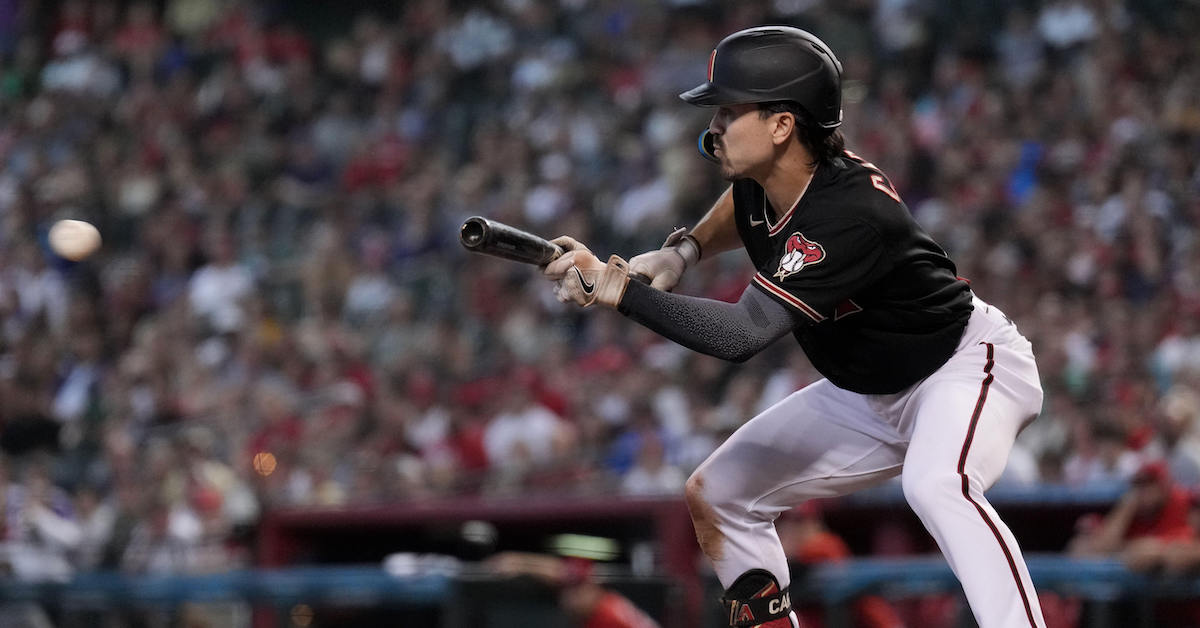
A double switch is when a manager makes two substitutions at once (often a new pitcher and a new position player) and also rearranges where those players enter the batting order.
The goal: keep the new pitcher from coming up to bat soon.
Classic example:
- It is the 7th inning.
- Your pitcher’s spot is due up second next inning.
- You want a new reliever now, but you do not want that reliever batting in the 8th.
So you bring in:
- A new pitcher, and you slot him into the batting order spot of an outfielder who just made the last out.
- A new outfielder, and you put him into the pitcher’s old batting order spot.
Now the pitcher’s spot in the lineup is pushed back, and you bought yourself time before you have to pinch-hit for the pitcher again.
Does it still matter with the DH?
It matters less in modern MLB because the pitcher is not in the batting order when the DH is in play. But you will still hear it referenced because it represents a whole school of managing: lineup timing, bullpen sequencing, and squeezing every last edge out of nine innings.
Common DH wrinkles
What if the pitcher gets hurt and you run out of pitchers?
In extreme games that go deep into extra innings, position players sometimes pitch. That does not automatically change the DH. The DH stays the DH unless the team makes a substitution that removes the DH under the rules.
What if a team wants its DH to play the field late?
This happens when a team wants the DH’s bat and needs defensive flexibility because of an injury, extra innings, or a tight lead.
In-game example: Your DH moves to left field in the 10th inning after your left fielder gets hurt. If the move forces the lineup to merge (meaning there is no longer a separate DH slot), then the team loses the DH and pitchers might have to hit from that point forward. In today’s MLB setup, this is rare but it is the scenario that creates the most “Wait, why is the pitcher batting?” confusion.
DH in other leagues
The DH has different histories across baseball levels, which is why fans come in with different expectations.
- College baseball: The DH is widely used, and it is common to see teams get creative with it to keep a big bat in the lineup.
- High school baseball: Rules vary by state association, but DH-style lineups are common.
- Minor leagues: Most pro developmental leagues use the DH to protect arms and develop hitters.
- International leagues: Many leagues use a DH or a DH-like system, but details can differ depending on the country and competition.
If you switch between MLB, college games, and international tournaments, always check whether that event is using a DH, because it changes late-inning strategy fast.
Why fans debate it
This argument is not going away, because it is not just about rules. It is about what people want baseball to feel like.
The case for the DH
- Better offense: More competitive at-bats instead of pitchers flailing at 98 mph.
- Health: Less wear and tear on pitchers, fewer awkward batting injuries, fewer risky bunts and sprint-to-first moments.
- Roster value: Extends careers for great hitters who are limited defensively.
The case against the DH
- More strategy without it: Pitching changes and pinch-hits become higher-stakes choices.
- Lineup “purity”: Some fans love that everyone plays both ways, at least in the sense that everyone hits.
- Different kind of drama: The pitcher’s spot can create tension: do you stick with your ace or go for the big pinch-hit?
I have always felt this debate comes down to what you grew up watching. If you fell in love with late-inning chaos and bench moves, you miss the pitcher’s spot. If you fell in love with constant pressure and real at-bats 1 through 9, you want the DH.
Quick DH FAQs
Is the DH a position?
No. The DH is a batting role. They might not take the field at all.
Can the DH play the field and still be the DH?
Sometimes a team can maneuver within lineup rules, but the simple rule of thumb is: once the DH becomes a fielder in a way that eliminates the separate DH slot, the team loses the DH for the rest of the game.
Does the DH mean pitchers never hit?
In a standard DH game, pitchers do not hit. But unusual substitution chains or losing the DH can lead to a pitcher (or a player pitching) entering a batting spot that must hit.
How can a pitcher keep hitting after getting pulled?
That is the Starting Pitcher/DH rule. If a player starts as both pitcher and DH, they can remain in the game as the DH after being relieved on the mound.
Why do some fans still talk about the pitcher’s spot?
Because for decades, that spot dictated bullpen timing and pinch-hit decisions, especially in National League baseball. Even with universal DH now, the language and mindset stuck.
The bottom line
The designated hitter rule is baseball’s cleanest trade: you lose some old-school managing puzzles, but you gain a real hitter in the lineup and a game that stays dangerous deep into the order.
If you are watching and you ever wonder, “Why is that guy hitting for the pitcher?” check the lineup card. If there is a DH, the pitcher’s bat is on the bench, and the DH is there to make sure the opposing pitcher has to earn every out.