
There are series that feel like just another three games on the calendar, and then there are series that feel like a little event. Giants vs. Mariners usually lands in the second category, not because of some manufactured drama, but because, even in the balanced schedule era, you generally only get one short series a year against a non-division opponent. Still a smaller dose than the division grind, and it shows.
Schedule note: This preview is written for an expected mid-July 2026 Giants vs. Mariners series window. Exact dates, game times, and broadcast assignments should be treated as tentative until MLB publishes and teams confirm the final 2026 schedule.
This set is framed around a simple, sticky idea: new beginnings. Not in the corny, clean-slate way. In the baseball way. The way a team uses the first series back to answer uncomfortable questions: Is the rotation healthy enough to get you into the middle innings and hand the game to the bullpen? Is the lineup stable, or still a nightly shuffle? Who is actually trusted in the seventh and eighth when the game tightens?
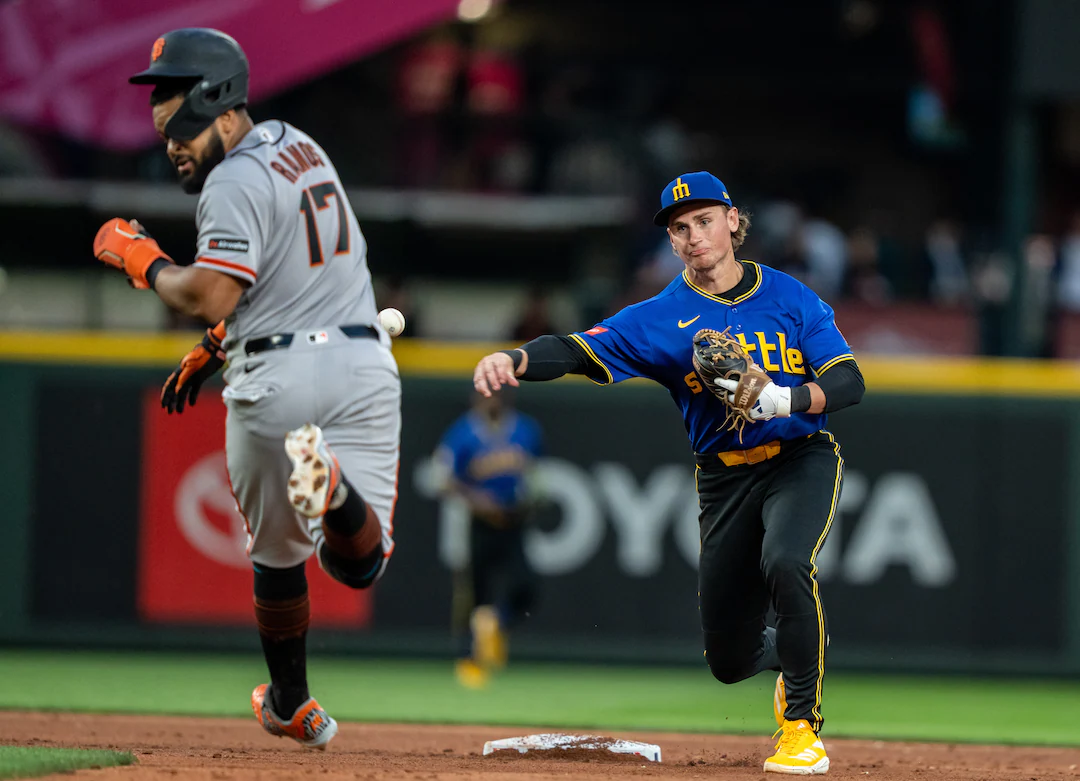
Series setup
Because the exact 2026 schedule details are not final yet, the cleanest way to think about this series is by what always travels with it: timing, venue, and style.
If this series falls immediately after the All-Star break, it tends to arrive with the same tension. You are just getting your legs back under you, the trade deadline is close enough to hear footsteps, and everyone is trying to figure out what they actually are. That makes three games feel like a small audit.
Where it is played matters too, not as some unbreakable rule, but as a nudge. Oracle Park can often play big in the gaps, and it has a way of turning well-hit balls into long outs. T-Mobile Park has typically leaned pitcher-friendly in recent seasons, although park factors drift year to year. In either spot, when scoring gets harder, managers make earlier leverage calls and benches become louder parts of the story.
Why timing matters
Mid-July is where baseball stops being a slow burn and starts feeling like a countdown. Players are either refreshed or patched together, and the trade deadline is close enough that the front office is watching the same thing the fans are watching: what is real, and what is flimsy?
Seattle tends to read like an American League club in the most practical sense: built to win on run prevention, strike-throwing, and converting balls in play into outs. San Francisco often looks like an NL club in the way it deploys its roster: leaning into matchups, coverage, and the nightly choices that come with depth and platoon-friendly pieces. Different methods, same pressure.
If this series is post-break, keep an eye on the subtle stuff too. The first series back can come with odd rest patterns, travel hangover, or a starter being held back an extra day. Those little schedule quirks can turn into big bullpen innings fast.
Where things stand
This series is going to feel different depending on the math, even before you know a single starter. A team sitting comfortably in a Wild Card spot usually manages like it is protecting something. A team hovering around .500 manages like it is searching for proof.
If you want a quick, evergreen snapshot without pretending we know the 2026 roster shapes today, start here: Seattle’s identity has typically been built from the mound out, with run prevention setting the tone. The Giants have often lived in the land of matchups, depth, and mixing and matching, especially when they are trying to steady a season.
- Seattle’s read: If the Mariners are doing what they want to do, it starts with pitching and defense and turns into a hunt for timely, not pretty, offense. If Julio Rodríguez is driving the ball with authority and not expanding the zone early, Seattle’s lineup looks longer and the pressure flips to the opposing bullpen.
- San Francisco’s read: If the Giants are steady, you will see it in the boring places: fewer free passes, cleaner innings, fewer innings that start with a walk and end with damage. If their table setters are on base and the middle of the order is forcing tough counts, the lineup stops feeling like a nightly scavenger hunt.
Same three games, two very different modes. Buying teams play tight and deliberate. Bubble teams audition people in real time, especially in the bullpen and at the bottom of the lineup.
How to watch
If you are treating it like an event, here is the straightforward way to catch it without turning it into a wild goose chase. Exact start times and channel assignments can vary by market and day, and broadcast partners can change, so use this as a checklist and confirm via official listings.
TV
- Giants local TV: commonly NBC Sports Bay Area (rights and naming can change, confirm for 2026)
- Mariners local TV: commonly ROOT Sports Northwest (rights and carriage can change, confirm for 2026)
- National windows: a Friday night or Sunday game can land in a national window. If it does, it will show on the MLB schedule page and your TV guide. National exclusives can also override local carriage, so always check the specific game listing.
Streaming
- MLB.TV: the standard out-of-market option, with local blackout rules applying
- In-market streaming: depends on current RSN and team offerings, check each team’s broadcast page
- Exclusive streaming games: some matchups can be carried on league or national streaming platforms in certain windows. Confirm on the official MLB game listing.
- Audio: team radio feeds and the MLB app are the reliable backup plan if you are commuting, coaching, or stuck somewhere you cannot openly watch the ninth inning
If you are planning your night around first pitch, double-check starter announcements earlier in the day. Series near the break can trigger rotation tweaks, extra rest, and the occasional surprise bullpen game.
What it means
I played college ball, so I cannot help but see the All-Star break like halftime in a tournament weekend. Your body wants rest, but your brain wants answers. Baseball is the same. This is where the phrase “new beginnings” earns its keep, not as a slogan, but as a checklist.
1) Rotation health
After the break, one of the most important tells is not ERA. It is whether starters can reliably get you through five with something left in the tank. That single threshold changes everything: bullpen roles, matchups, and how aggressive a manager can be with pinch-hitters.
Concrete signs it is a problem: a piggyback plan (two pitchers scheduled for three to four innings each), an extra reliever added to cover expected short starts, or a quick hook the second time through the order even when the line looks clean.
2) Lineup stability
Interleague series still hit differently than division grinds, even in the balanced schedule era. You do not live in each other’s scouting cadence, and the first game can feel like both sides are reading in real time. The question is not just “Who is hot?” It is “Who has a job?”
After the break, contenders usually tighten their daily lineup. If you see constant mixing and matching, it can mean injuries are lingering, or the team is still searching for an identity at one or two spots. That is not always bad, but it is always telling.
3) Bullpen leverage
This is the part casual fans feel without naming it. The seventh and eighth innings are where the plan shows up. When games get tight, do the same two arms keep showing up? Or do you see a manager cycling through options because nothing feels settled yet?
In a weekend series, bullpen patterns create an echo. Blow a lead Friday and the entire staff feels different Saturday. It changes pinch-hit decisions, it changes baserunning aggression, and it changes how much rope a starter gets when trouble starts.
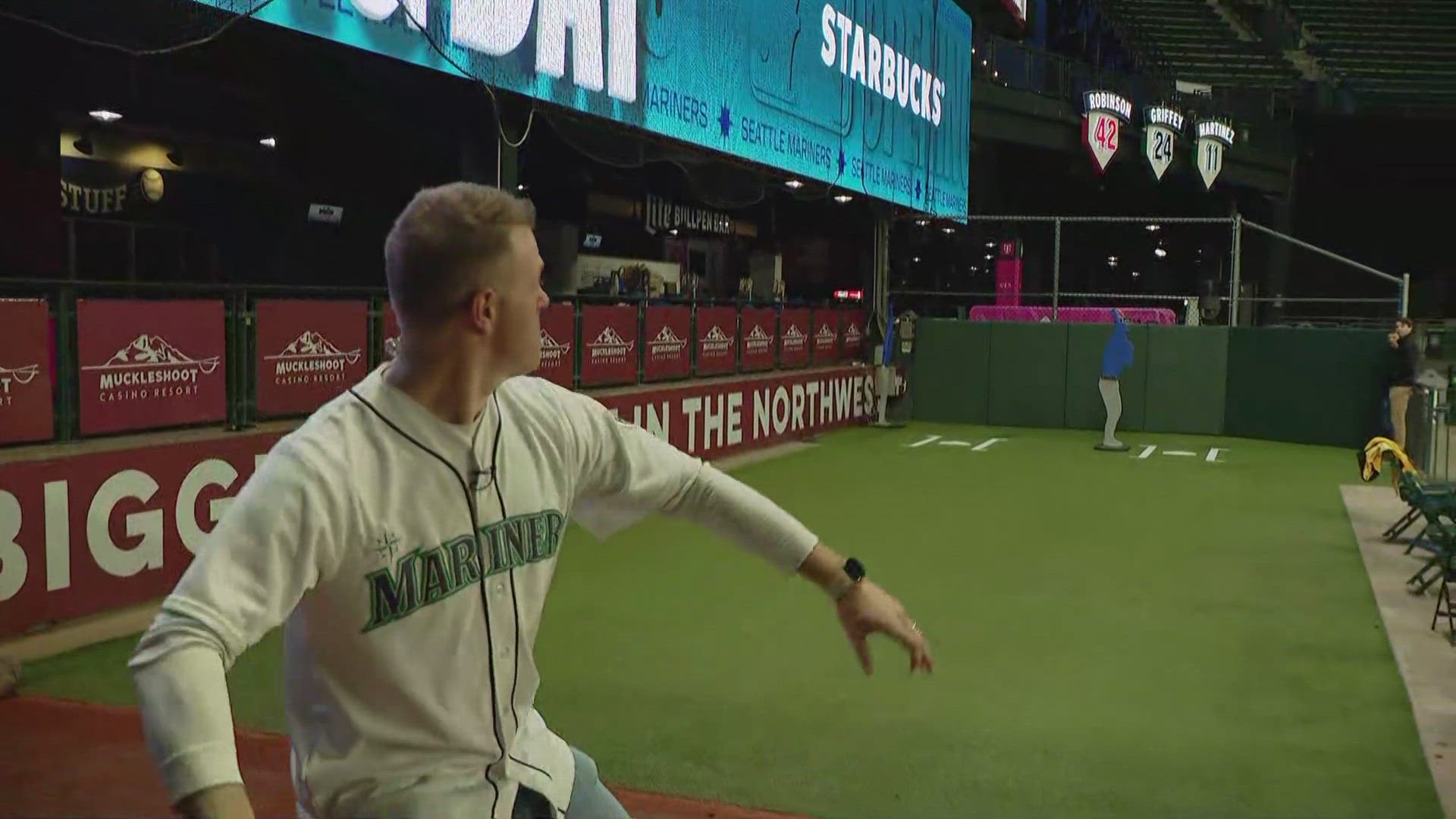
The chess match
Because these teams do not share a division, the first inning often feels like a handshake and the middle innings feel like a test. The game within the game is adjustment speed.
Seattle keys
- Get ahead in counts. When Seattle’s staff is living in 0-1 and 1-2, it shrinks the Giants’ margin for manufacturing runs.
- Turn at-bats into stress. Long plate appearances are a quiet weapon after the break, when legs are fresh but timing can be uneven.
- Keep damage to singles. If you limit extra-base traffic and avoid the one crooked inning, you make a three-game set feel like a coin flip late.
San Francisco keys
- Show patience early and get to the middle relief. The clearest path is to raise pitch counts and force matchup discomfort before the bullpen is perfectly lined up.
- Win one messy game. Interleague weekends often hinge on a weird one: an extra-inning grinder, a defensive miscue, a baserunning play that flips the inning. San Francisco has to embrace that chaos if the first half has been uneven.
- Look organized in Game 1. Sometimes the best thing you can do is look like a different team immediately. Cleaner at-bats, crisper defense, and a more confident plan.
Players to watch
This is where the weekend becomes personal. Not predictions, just pressure points you can track from the first inning on.
- Top-of-rotation tone setters: If either club lines up a frontline starter for Game 1, it changes the leverage map. If you see a bullpen game early, it becomes an offense and bench-management contest immediately.
- Seattle’s swing decisions: If Julio Rodríguez and the heart of the order are hunting strikes and staying through fastballs, Seattle can score without needing three singles and a sacrifice. If they chase early breaking balls, it turns into a strikeout-and-hope night.
- Seattle’s late-inning finisher type: Every good Mariners version has a guy who makes the ninth feel short. If that role looks locked in and sharp, Seattle can play five-inning games after the starter exits.
- Giants thump in the middle: San Francisco does not need a perfect lineup, but it usually needs at least one hitter who can change the scoreboard without a committee meeting. Watch for loud contact with runners on, not just singles that require three more things to go right.
- Giants glove-first cornerstone type: In low-scoring parks, one extra out on a hard-hit ball can be the difference between a clean inning and a long one. Watch who is turning singles into outs and keeping innings from snowballing.
- Mariners on-base spark: The best version of Seattle’s offense typically includes someone setting the table consistently. If the top of the order is turning at-bats into traffic, it changes how opponents deploy their best relievers.
- Late-inning trust: Watch who gets the ball in a tie game in the seventh. That is usually the clearest trust chart you will get all weekend.
Pressure points
This is where the series stops being wallpaper and starts being a measuring stick. Even without the names printed on the probables, there are specific places these games tend to swing in mid-July, especially if they land near the break.
Seattle: cash in early
Watch the first two innings. If Seattle puts the ball in play with runners on and avoids the strikeout spiral, it lets their pitching operate with a lead and turns the game into seven innings of leverage management. If not, it invites the kind of one-swing volatility that makes a three-game set feel random.
San Francisco: stay clean
The Giants’ path in tight games is often about not giving away extra outs. One booted ball, one misplayed cutoff, one walk that forces a high-leverage arm to enter early, and suddenly the entire script changes. Watch the small stuff: first-and-third defense, outfield routes, and whether the seventh inning belongs to one guy or to a committee.
Recent context
If you want a simple way to add context without pretending you have a crystal ball, look at two things when the matchup gets close:
- Last series result and location: Travel, park, and timing matter. A Seattle trip is not the same experience as a San Francisco trip, for either lineup.
- How each bullpen has been used the previous week: If one club comes in with back-to-back tight games, you might see earlier pinch-hits, more aggressive baserunning, or the quick move to the highest-trust arm in the seventh.
Those are the kinds of details that make the same three-game set feel completely different from one season to the next.
Why it feels bigger
If you are looking for the real story of Giants vs. Mariners in mid-July 2026, it is not a single highlight or a headline. It is the context.
These are two proud organizations with big fan bases and real expectations, meeting at the point of the season where the standings start applying pressure. Every contender wants clarity. Every team on the bubble wants evidence before it pays a trade deadline price.
That is why “new beginnings” lands. It is not about forgetting the first half. It is about translating it. What did you learn? What travels? What breaks in October-style games when the margins tighten?
Quick checklist
- Confirm the dates, ballpark, and start times. Schedules and TV windows can shift.
- Check probable starters the day of each game. Rotations can move, especially around the break.
- Watch the first time through the order. You will see each team’s plan quickly: early aggression, or patience and pitch-count hunting.
- Track leverage relievers. The arms used in a tie game in the seventh tell you who is trusted.
- Note lineup consistency. A steady top six usually signals health and confidence.
FAQ
Is this matchup still “rare” now?
Not rare in the once-every-few-years sense anymore. The balanced schedule increased interleague frequency. You still usually only get one short series a season, and it feels different than division play because the familiarity level is lower and the scouting cadence is not as constant.
Will both teams use the DH?
Yes. MLB’s universal designated hitter means the DH is in play regardless of which park hosts the game.
How do MLB.TV blackouts work?
If you are in a team’s local market, MLB.TV typically blacks out that game live due to local broadcast rights. Out-of-market viewers can usually watch, and everyone can follow via radio and highlights. Check MLB.TV for your zip code rules.