
If you have ever watched a goal light the lamp, the building erupts, and then everybody pauses because the ref is staring into the crease, you already know why goaltender interference is one of hockey’s most argued rules. It is fast, physical, chaotic, and it lives in the gray area between “a guy battling for position” and “you just took away the goalie’s ability to make a save.”
Here is the clean way to think about it: goaltender interference is when the attacking team illegally prevents, hinders, or limits the goalie from doing their job. If officials decide the contact or positioning mattered on the play, the goal can come off the board.
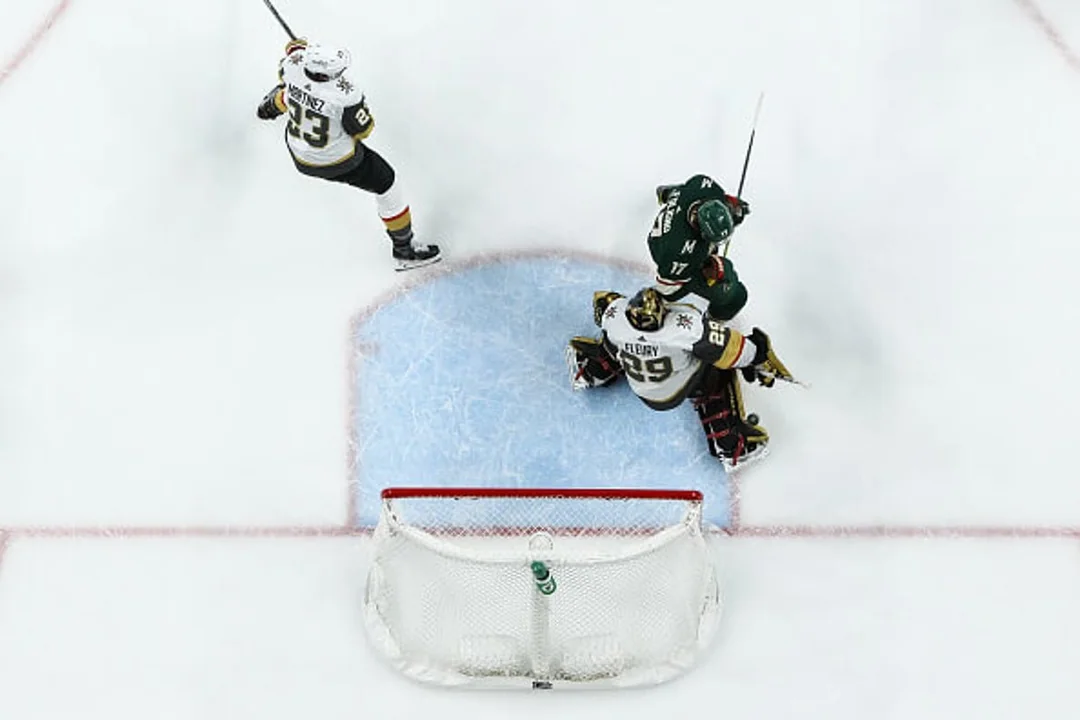
What counts as goaltender interference?
Officials are basically answering one question: Did the attacker’s actions take away the goalie’s ability to play their position or make a save? That can be obvious contact, but it can also be smaller stuff that turns the goalie off angle, ties up a pad, bumps the stick, or prevents a clean reset.
Common plays that get called
- Attacker-initiated contact with the goalie that affects balance, positioning, or movement.
- Occupying the crease in a way that impairs the goalie, especially if it limits where the goalie can set up or move, even if there is not a huge collision.
- Skate, stick, or body contact that bumps the goalie’s glove, blocker, pads, or stick during a shot or rebound.
- Driving the net through the goalie, where a player takes a lane that runs directly into the goaltender instead of around the blue paint.
- Dislodging the goalie so they cannot get square to the shot or cannot recover for a rebound.
It can be small
This is the part that melts people down. A goalie does not need to get leveled for a goal to be disallowed. A light bump that blocks a push, changes the angle, or prevents the goalie from sealing the post can be enough if it affects the save attempt.
What is allowed outside the crease?
Outside the blue paint, the goalie has fewer built-in protections, but it is still not open season. Think of the crease as a reference point for the officials, not a force field.
Here is the practical breakdown:
- Incidental contact is more likely to be tolerated outside the crease if the attacker is entitled to the space and is not creating avoidable contact.
- When goalies leave the crease to play the puck, they are treated more like regular skaters in shared ice, but they are still protected from unnecessary or targeted contact. You still cannot run them.
- Contact that affects a save can still be interference even outside the crease. If the goalie is clipped or spun right before a shot and it clearly changes the play, officials can still wipe out a goal or call a penalty depending on the sequence.
A real-world example you see a lot: a goalie comes out to stop a rim, a forechecker peels away at the last second, and the goalie and skater still brush shoulders. That is often nothing. If the forechecker takes an extra step into the goalie and the puck ends up in the net right after, now we are in review territory.
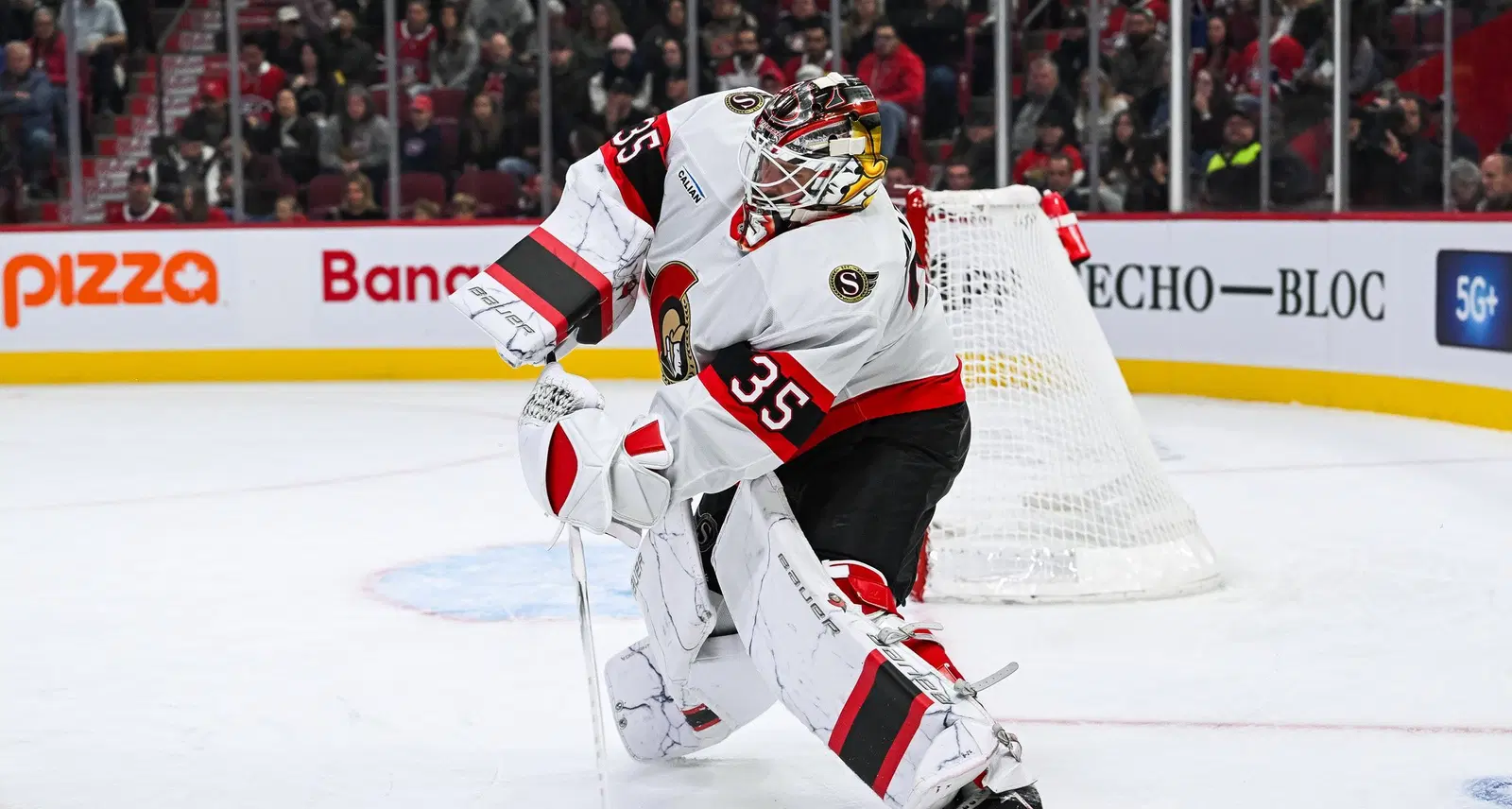
The crease
The blue paint matters because it is where officials most often anchor the decision. In general, attackers have to avoid initiating or creating contact with the goalie inside the crease, and they cannot take away that space in a way that keeps the goalie from setting up.
Two things refs keep coming back to
- Rights to space: The goalie has priority to the crease for making saves and moving laterally.
- Cause and effect: If the attacker’s contact or positioning changed what the goalie could reasonably do, the goal is in danger.
Net-front battles are legal, but they are legal in a very specific way: you can fight for body position with defenders, you cannot use the goalie as the bumper.
When a goal comes back
A goal can be taken off the board if officials determine that goaltender interference happened before the puck crossed the line and that it materially affected the goalie’s ability to make the save or recover.
Common “no goal” situations
- Contact prevents the goalie from establishing position before the shot arrives.
- Contact during the shot or rebound knocks the goalie’s body or equipment out of functional position.
- An attacker occupies the crease in a way that limits the goalie’s ability to play the position, whether that is movement, ability to set, or access to the space they need to make the save.
- The goalie is pushed or knocked off the play and cannot make a subsequent save attempt.
One important nuance: officials are typically judging whether the action affected the goalie on that scoring play. Sometimes contact happens and they decide it did not change the goalie’s ability to make the save. Other times, one little nudge at the exact wrong moment is enough to overturn it.
If a defender causes the contact
This is where judgment calls explode. In a lot of crease chaos, the attacking player ends up in the goalie because a defender steered, shoved, or tied them up.
In those situations, officials often look for:
- Who caused the contact, not just who fell.
- Whether the attacker had time or space to avoid the goalie.
- Whether the attacker made it worse, like extending through the crease or continuing into the goalie when they could have braced or peeled away.
If a defender clearly pushes an attacker into the goalie and the attacker is trying to avoid it, you will often see the goal count. If the attacker is nudged but still chooses a path that barrels into the goalie, it can still come back.
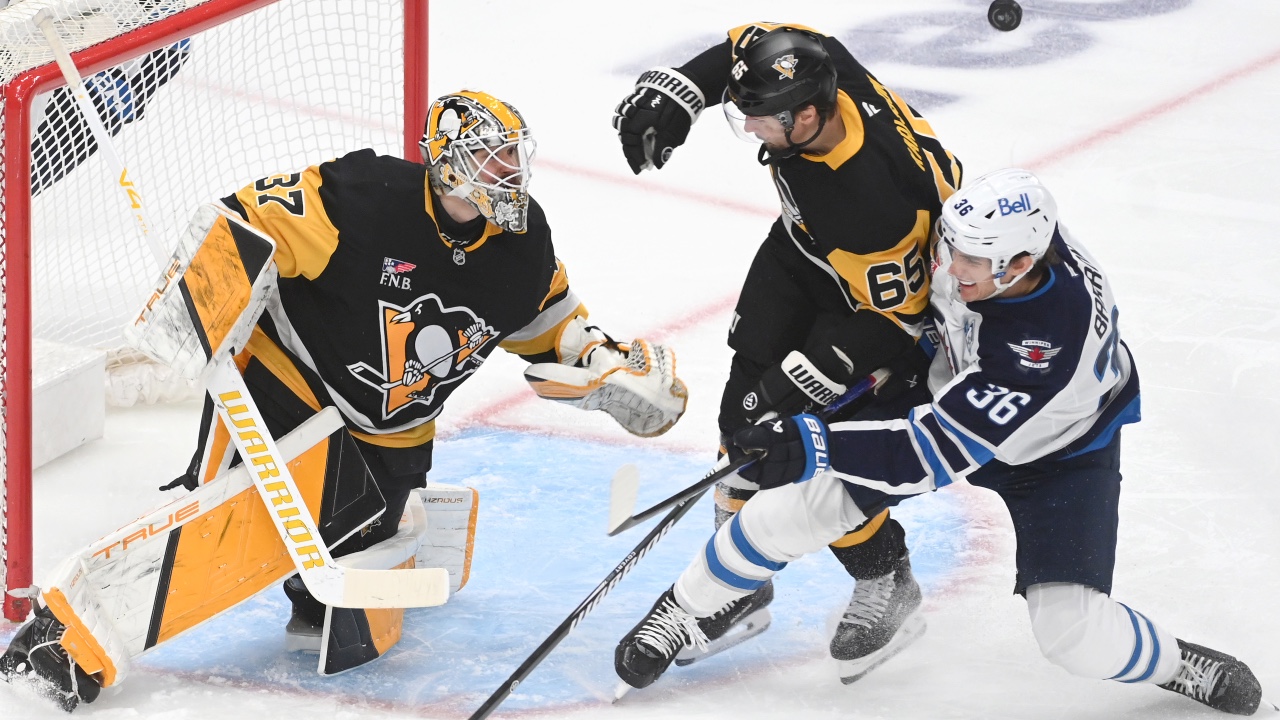
Screening the goalie
Screening is legal. Parking yourself in front of a goalie and taking away their eyes is hockey tradition.
It turns into interference when it crosses from “screen” to “impair,” like:
- Setting up in or near the crease in a way that takes away the goalie’s ability to occupy their space or get set for the shot.
- Backing into the goalie as the shot comes in.
- Holding the goalie’s stick or pinning a pad or skate so the goalie cannot move naturally.
The clean mental test is this: you can block the view, you cannot block the goalie.
Does the goalie have to be in the crease?
No. The crease is a guide, not the whole rule. If the goalie is outside the crease and an attacker illegally limits their ability to make a save, officials can still call interference or wipe out a goal depending on the timing.
That said, the further the contact is from the net-front scoring play, the harder it becomes to argue it directly affected the save attempt.
Coach’s challenge and review
A lot of the drama comes from the process, not just the rule. In the NHL, teams can challenge for goaltender interference, and the play goes to video review. That is why you see coaches pointing at the iPad, fans booing, and everyone trying to lip-read the ref at center ice.
Even with replay, it is still a judgment call. Video helps answer what happened, but officials still have to decide whether it mattered to the goalie’s ability to make the save.
Quick examples
Usually interference
- A forward cuts across the top of the crease, clips the goalie’s pad, and a rebound is tapped in while the goalie cannot seal the ice.
- A net-front player establishes position in the crease, the goalie tries to slide to the post, and gets tied up.
- A player makes contact with the goalie’s glove arm as a shot comes through, even if the contact looks minor.
Often allowed
- A defender shoves a forward into the goalie, and the forward is clearly trying to avoid contact as the puck goes in.
- A forward sets a legal screen outside the crease with no contact, even if the goalie never sees the shot.
- A goalie leaves the crease to play the puck, initiates the collision by cutting into the forechecker’s lane, and the forechecker is not making an avoidable, targeted hit.
FAQ
If an attacking player is pushed into the goalie, is it automatically a good goal?
No, but it helps the attacker’s case. Officials still look at whether the attacker had a reasonable chance to avoid contact and whether they created additional contact that affected the play.
What if the puck is already in the net when contact happens?
Contact after the puck crosses the line generally does not erase the goal, unless officials determine the scoring play was affected before the puck went in.
Can a goalie be “interfered with” by a small bump?
Yes. If the bump changes the goalie’s ability to set, move, track, or recover, it can be enough.
Is being in the crease always interference?
Not automatically, but it is risky. If the attacker’s position in the crease takes away the goalie’s space or ability to play the position, the goal is in danger.
The simplest fan test
When I am watching live, I boil it down to two questions that usually match what the officials are thinking:
- Did the attacker cause contact or take away space the goalie needed?
- Did that contact or positioning affect the save or the recovery?
If the answer is yes to both, you are looking at a prime goaltender interference situation and a goal that might not survive the crease conversation.