
I have buddies who swear they “don’t get hockey” until a tied game hits overtime. Then suddenly they are leaning forward on the couch like it is Game 7, because in today’s NHL, overtime is built for chaos. The catch is that the rules change depending on whether it’s the regular season or the playoffs.
Here’s the clean, fan-friendly breakdown of how NHL overtime works, how long it lasts, and what makes the postseason a totally different animal.
How NHL overtime works in the regular season
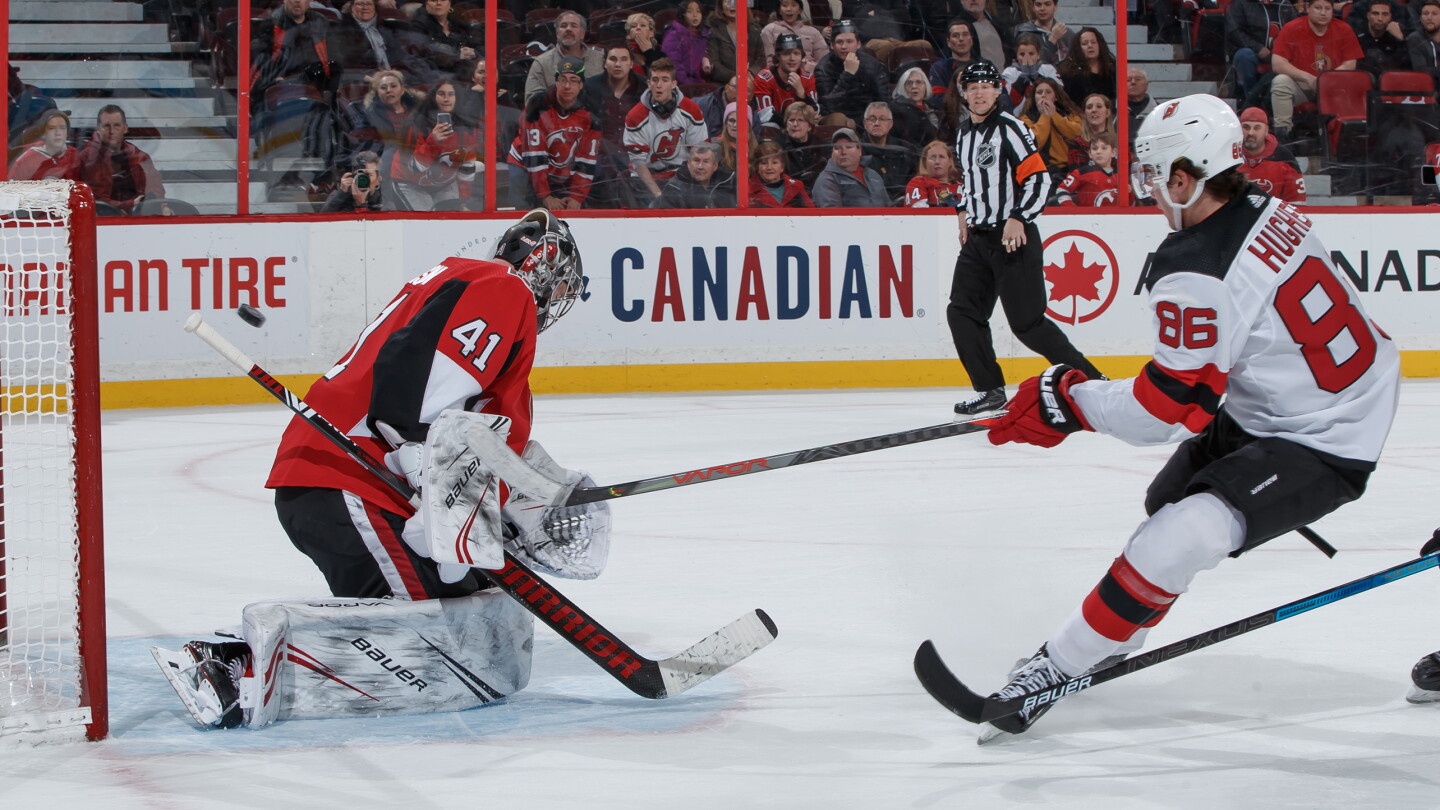
In the regular season, a tied game after regulation goes to a 5-minute overtime period played 3-on-3. It is sudden death, meaning the first team to score wins immediately.
The format: 3 skaters per side plus goalies
Each team plays with:
- 3 skaters (instead of 5)
- 1 goalie
That extra open ice is the whole point. Coaches hunt matchups, stars take longer shifts, and one bad change can turn into a breakaway the other way.
How long is regular-season overtime?
Five minutes. If a team scores during those five minutes, the game ends on the spot.
If nobody scores, the NHL uses a tiebreaker to determine a winner. This page focuses on overtime itself and the regular-season versus playoff differences. The shootout details are covered separately.
What carries over from regulation?
A few things fans notice right away:
- It’s still real hockey. There is contact, forechecking, shot blocking, and goaltenders can absolutely steal it.
- Line changes matter more. With only three skaters, a sloppy change can create an instant odd-man rush.
- Possession becomes strategy. Teams will often circle back and reset rather than dump the puck in and risk losing control.
Penalties in regular-season overtime (and why it changes the look)
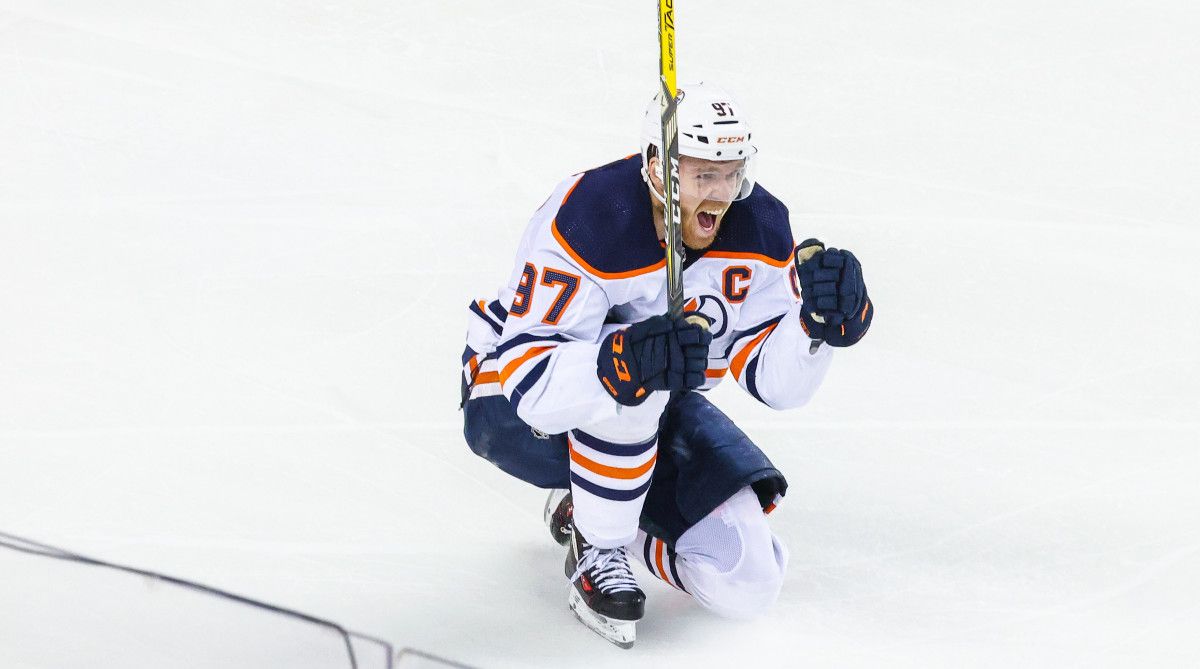
Penalties can swing regular-season overtime hard, because the number of skaters changes with power plays.
What happens after a penalty in 3-on-3?
In general, overtime penalties create more space, not less:
- If one team takes a penalty, overtime typically becomes a 4-on-3 power play (rather than 5-on-4).
- If teams take penalties that create matching situations, the league aims to keep overtime from getting crowded, so you will still see three skaters per side in many offsetting scenarios.
The practical takeaway: a penalty in 3-on-3 OT is brutal. It is closer to giving away a breakaway than giving up a normal power play, especially against elite finishers.
Do overtime penalties carry into the next period?
In the regular season, if overtime ends without a goal and a penalty is still active, rules govern how that is handled going into the tiebreaker. The important point for fans is simpler: overtime itself is played under standard NHL penalty enforcement, and coaches adjust quickly because open-ice power plays are deadly.
Why the NHL uses 3-on-3 in the regular season
Regular-season overtime is designed to do two things:
- Create a winner without dragging the schedule. The league wants most games decided quickly.
- Increase scoring chances. The wide-open format is more likely to produce a decisive goal than traditional 5-on-5.
From a player’s perspective, it is also a stress test. You need speed, puck support, communication, and clean changes. One mental mistake ends your night.
How NHL overtime works in the playoffs
Playoff hockey treats a tie like unfinished business. There is no 3-on-3 and no shootout. Instead, the NHL goes back to classic sudden death.
The format: full strength, sudden death
In the playoffs, overtime is played 5-on-5 (full strength, aside from penalties) and it is still sudden death.
How long is playoff overtime?
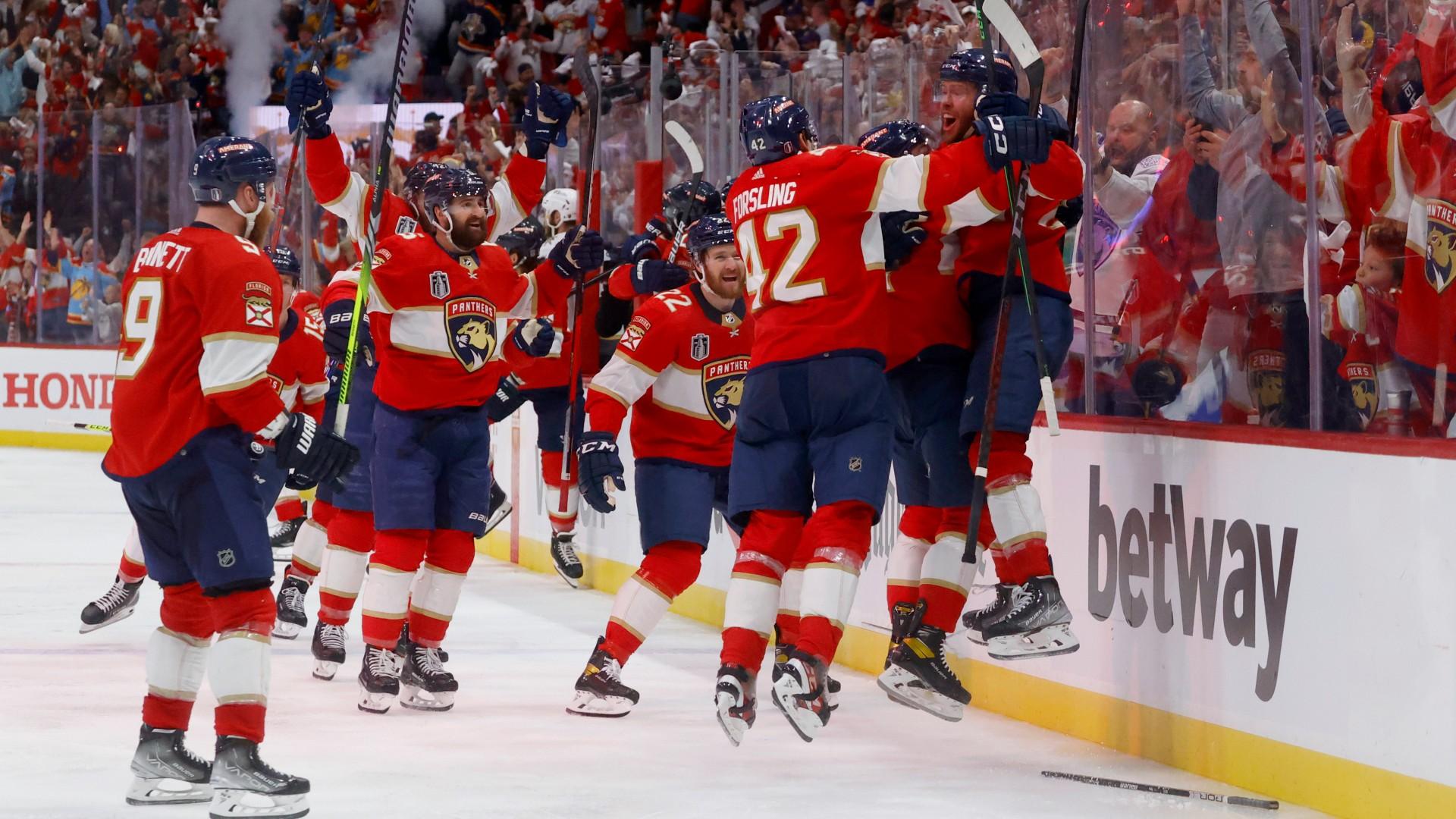
Each playoff overtime period is a full 20-minute period. If nobody scores, they play another 20-minute overtime. And another. It keeps going until someone scores.
That is why you will hear the phrase “continuous overtime”. The game does not go to a shootout. It does not end on time. It ends on a goal.
Regular season vs playoffs: the simplest way to remember it
If you only remember one thing, make it this:
- Regular season: 3-on-3 sudden death for 5 minutes, then a tiebreaker if still tied.
- Playoffs: 5-on-5 sudden death for 20-minute periods until somebody scores, with no shootout.
Regular season overtime is about producing a winner efficiently. Playoff overtime is about earning it the hard way.
Common NHL overtime questions
Is overtime always sudden death in the NHL?
Yes. In both the regular season and the playoffs, the first goal in overtime ends the game.
Does overtime change the standings points?
It does, in the sense that the NHL rewards teams for getting past regulation. In the standings:
- A regulation win is worth 2 points.
- An overtime or shootout win is also worth 2 points.
- An overtime or shootout loss is worth 1 point (the so-called “loser point”).
- A regulation loss is worth 0 points.
So if you hear fans grumbling about “loser points,” they are talking about that single point a team gets for reaching overtime and then losing.
Why not use playoff rules in the regular season?
You could, but it would be a scheduling nightmare. Multiple 20-minute overtime periods are thrilling in May and exhausting in February. The regular season needs a format that is exciting and predictable for travel and broadcasts.
Do teams get a break before overtime?
Yes, but it depends on the time of year:
- Regular season: It is basically a quick reset. Teams stay at their benches, get a brief pause, and then they are right back at it for 3-on-3. There is no full intermission vibe.
- Playoffs: It is a full intermission between overtime periods. Teams go to the locker room, and the ice is resurfaced before play resumes.
The bottom line
Regular-season NHL overtime is five minutes of 3-on-3, sudden death chaos. Playoff overtime is the old-school version: full-strength, 20-minute sudden-death periods that keep going until a goal is scored, with no shootout.
One is a sprint built for highlights. The other is a marathon built for legends.