
Offside is the rule that turns beautiful through balls into groans, and it’s also one of the fairest rules in sports once you see what it’s protecting. Soccer wants attackers to time runs, not just camp next to the goalkeeper waiting for a tap-in. If you can understand offside, you can follow the flow of a match like you have been watching for years.
The offside rule in one sentence
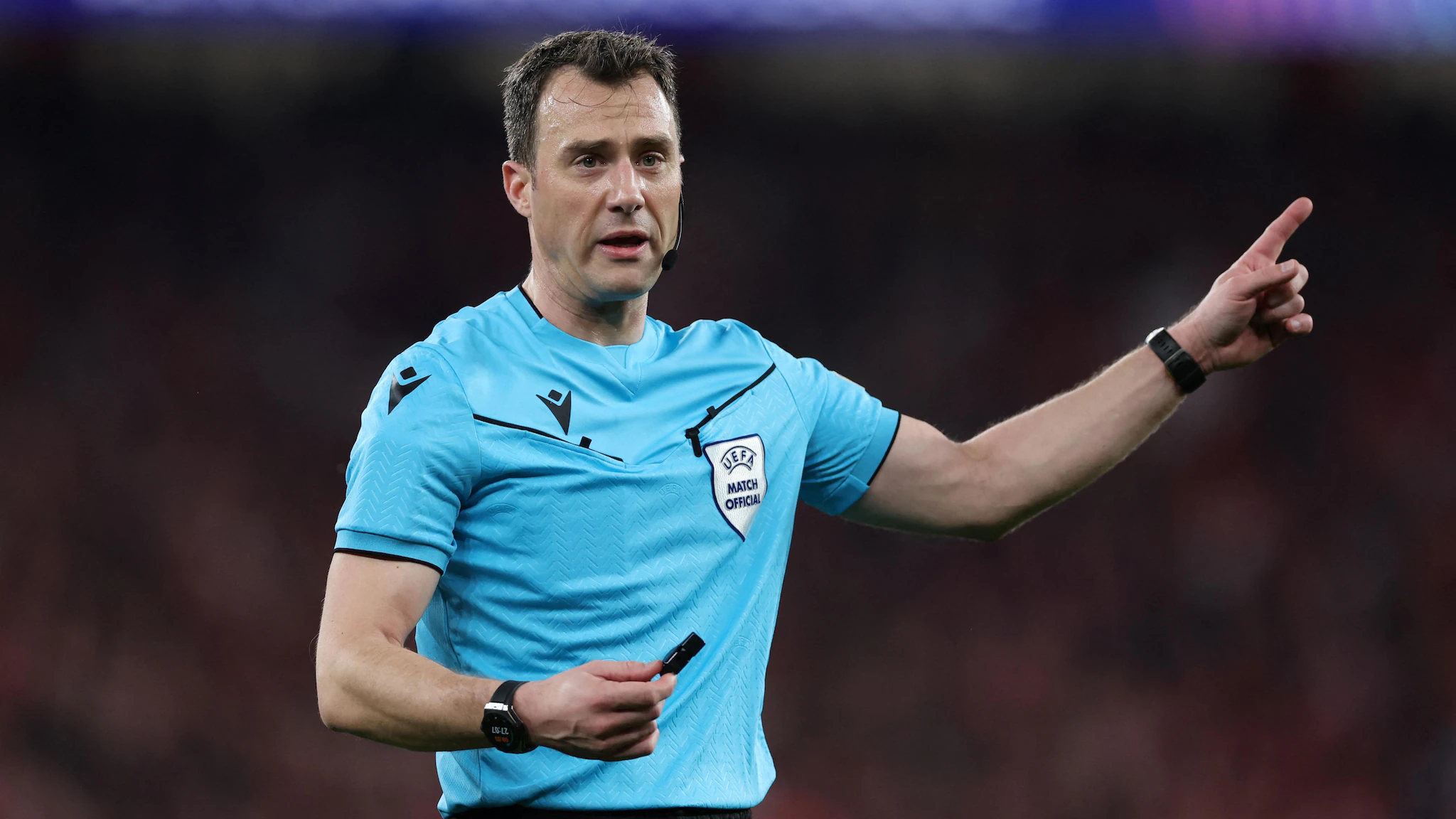
A player is offside if, at the moment a teammate plays the ball, that player is closer to the opponent’s goal line than both the ball and the second-to-last defender, in the opponent’s half, and then becomes involved in active play.
What counts as offside (and what does not)
Offside position checklist
- Opponent’s half: You cannot be offside in your own half.
- The ball’s position: If the ball is level with you or ahead of you, you are not offside.
- Behind two opponents: Usually that is the last outfield defender plus the goalkeeper. Sometimes the goalkeeper is not one of the two if they are out of position.
- Level is onside: If you are even with the second-to-last defender, you are onside.
Key exceptions
- No offside from a goal kick, throw-in, or corner kick.
- Being in an offside position is not a foul by itself. It only becomes an offense if you get involved in play.
The moment that matters
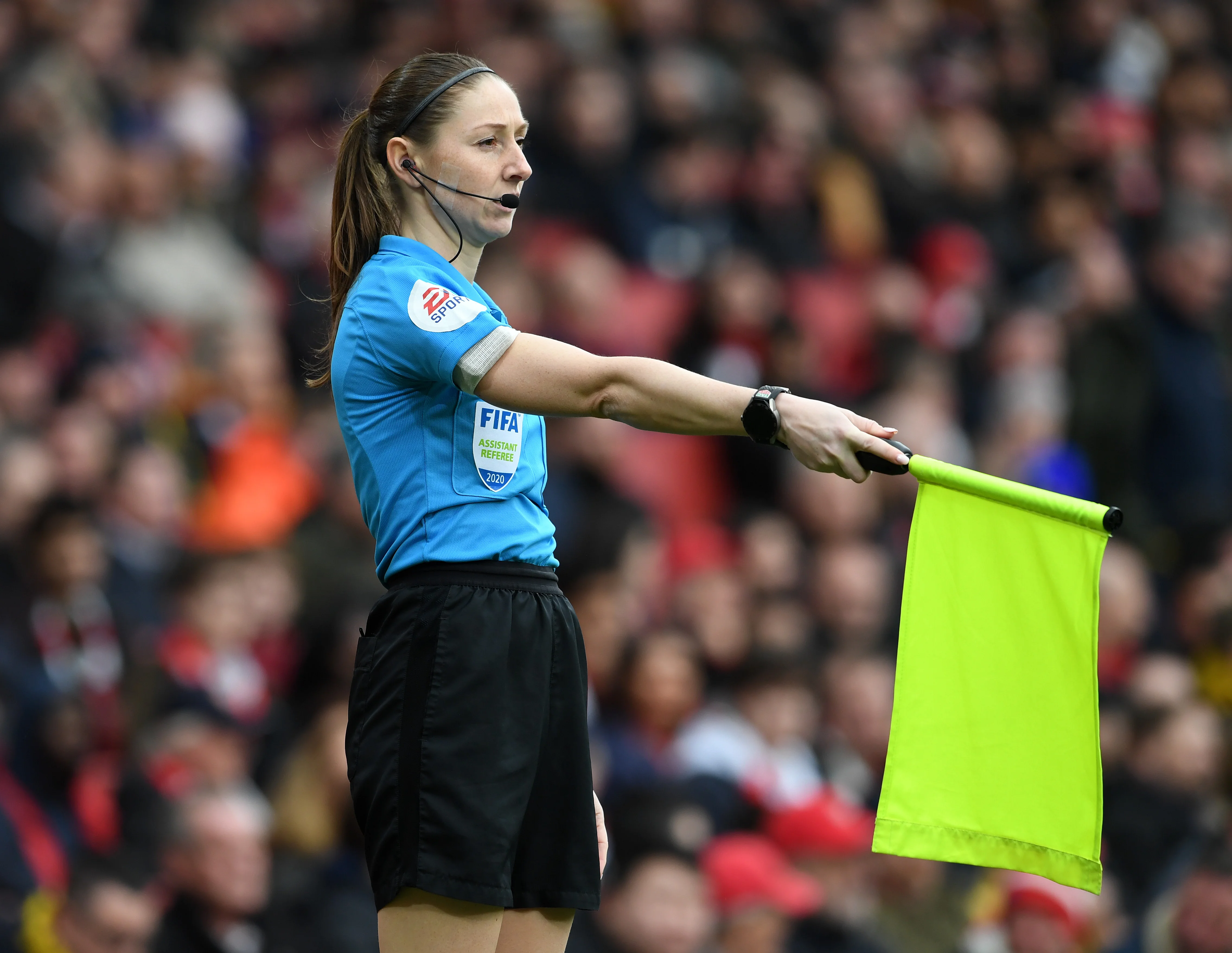
This is where most arguments start. Offside is judged at the exact moment the passer touches the ball, not when the receiver controls it, not when the ball arrives, and not when the shot happens.
So if a striker is onside when the pass is kicked, they can keep running behind the line after that and still be legal. The snapshot is taken when the ball is played.
Active vs passive offside
You will hear commentators say, “He was in an offside position, but he was not involved.” That is the active vs passive idea.
How offside is called
- Interfering with play: Touching or playing the ball that was passed or touched by a teammate.
- Interfering with an opponent: Blocking a defender’s line of sight, challenging for the ball, or clearly impacting a defender’s ability to play it.
- Gaining an advantage: Playing a ball that rebounds off the post, crossbar, goalkeeper, or defender after you were in an offside position.
In plain language: you can be standing offside and it’s fine, until your presence or actions matter.
Text diagrams
Let’s use this key:
- G = goalkeeper
- D = defender
- A = attacker (runner)
- P = passer
- | = the offside line set by the second-to-last defender
Diagram 1: Onside run
Goal G D | D A (ball) P
Why it’s legal: At the moment P plays the pass, A is behind the offside line or level with it.
Diagram 2: Offside at the pass
Goal G A D | D (ball) P
Why it’s offside: At the moment P plays the ball, A is beyond the offside line, meaning closer to the goal than the second-to-last defender, and also ahead of the ball.
Diagram 3: Offside, not involved
Goal G A(offside) D | D A2 (ball) P
Possible outcome: If the pass goes to A2 and the offside A does not interfere with play or an opponent, play can continue.
Game scenarios
Scenario 1: Legal goal
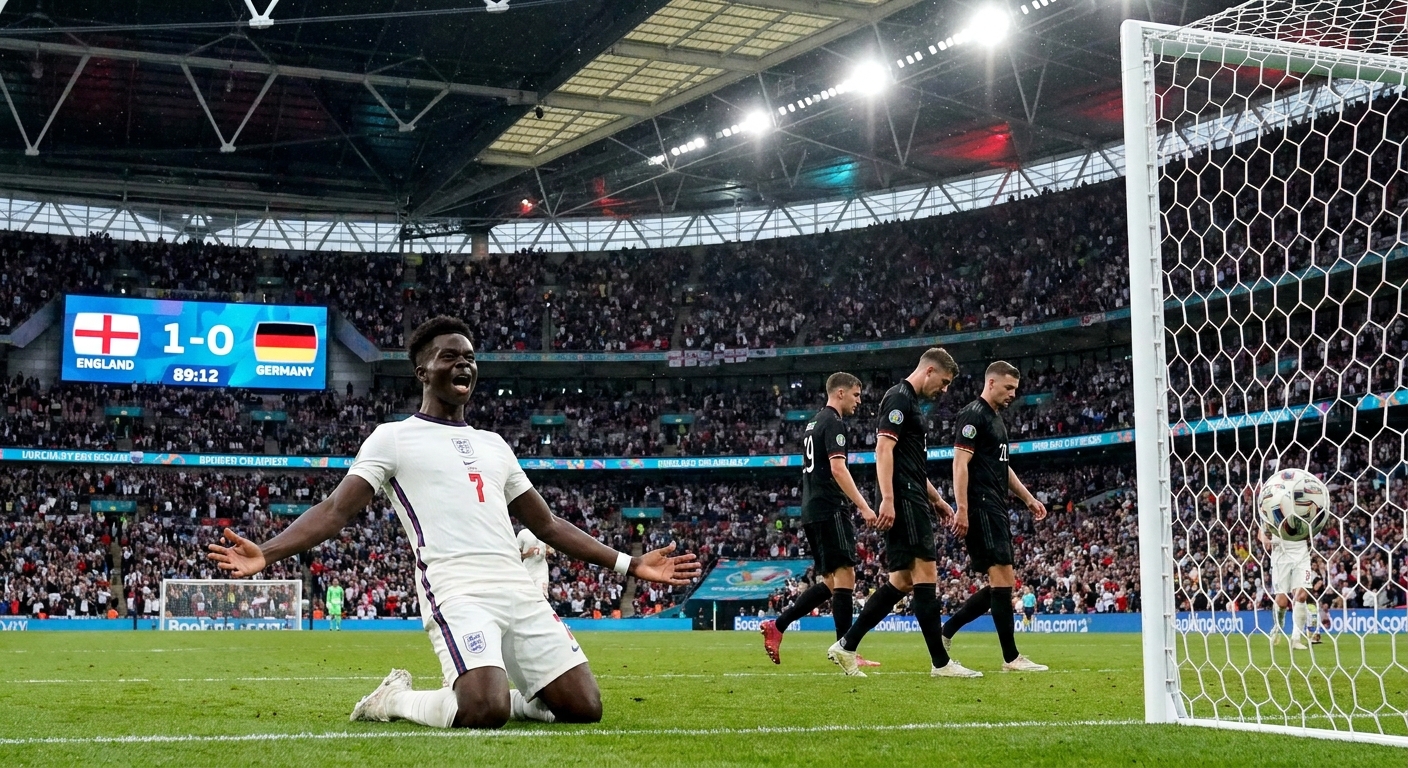
The play: A midfielder slips a through ball between two center backs. The striker starts their run a half-step behind the defensive line, then bursts through and scores.
What to watch: Freeze the moment of the pass in your head. If the striker was level or behind the second-to-last defender when the ball was kicked, it is onside even if they look miles ahead by the time they shoot.
Ruling: Goal stands.
Scenario 2: Clear offside
The play: A winger shapes up to cross. The forward takes off early and is already beyond the back line when the cross is delivered. The ball finds them, they tap in, and the assistant referee raises the flag immediately.
What to watch: The forward is clearly ahead of both the ball and the second-to-last defender at the moment the cross is played, and they then touch the ball.
Ruling: Offside, free kick to the defense.
Scenario 3: Tight call
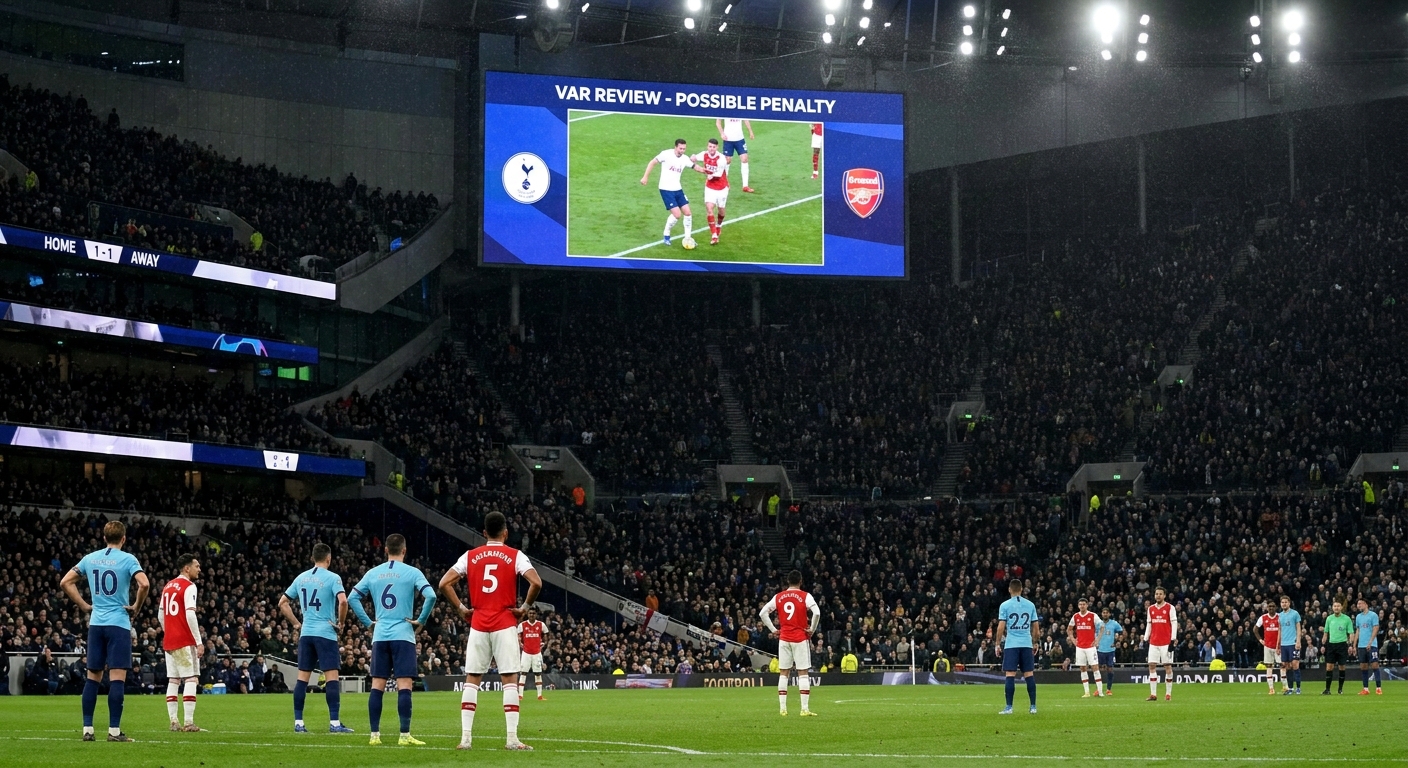
The play: A tight through ball sends a forward in behind. Live, it looks level. The assistant referee keeps the flag down, the forward scores, and then VAR checks the buildup.
What to watch: VAR will judge the same snapshot moment: when the passer touches the ball. Then it compares the attacker’s most forward legal scoring body part (head, torso, legs, feet) to the defender’s. Arms and hands do not count for attackers or defenders (including the goalkeeper for offside positioning).
Ruling: Could go either way. If any legal scoring part is ahead of the defender by even a small margin, it is offside. If level, it is onside.
How VAR changed offside
VAR did not rewrite the rule, but it changed the confidence level of tight decisions. In leagues that use VAR, the assistant referee is often encouraged to delay the flag on close plays, because a quick flag would stop a promising attack that might be legal.
- What VAR can do: Disallow or confirm goals and other major outcomes by reviewing the offside position in the attacking phase leading to a goal.
- What still matters: The same basics. Opponent’s half, second-to-last defender, moment of the pass, and involvement.
- Why it still feels controversial: When decisions are extremely close, fans argue about whether the advantage should go to the attacker. Competitions apply the laws as written, even when the margin is tiny.
Offside cheat sheet
- Step 1: Identify the second-to-last defender (not always the goalkeeper).
- Step 2: Watch the exact moment the ball is played forward.
- Step 3: Ask: Is the runner ahead of both the ball and that defender, in the opponent’s half?
- Step 4: If yes, ask: Did they touch the ball, block a defender, or benefit from a rebound?
If you can do those four steps, you will understand 95 percent of offside decisions in real time, and you will sound like the calm friend in the group chat while everyone else is yelling at their TV.