
VAR was sold to us like a seatbelt. A little uncomfortable at first, but undeniably safer. Fewer howlers. More justice. Less “how did the ref miss that?”
Instead, too often, we have something closer to a security checkpoint at the airport. Technically it serves a purpose. Practically it drains the joy out of the experience, and it still misses things that feel obvious when you are watching from your couch.
I am not anti-technology. I am anti-whiplash. Right now VAR is failing the way soccer is experienced because it is not consistently a tool that supports referees. It is a parallel authority that interrupts the sport’s rhythm, replaces clarity with process-speak, and asks fans to celebrate goals with one eye on a referee’s earpiece.
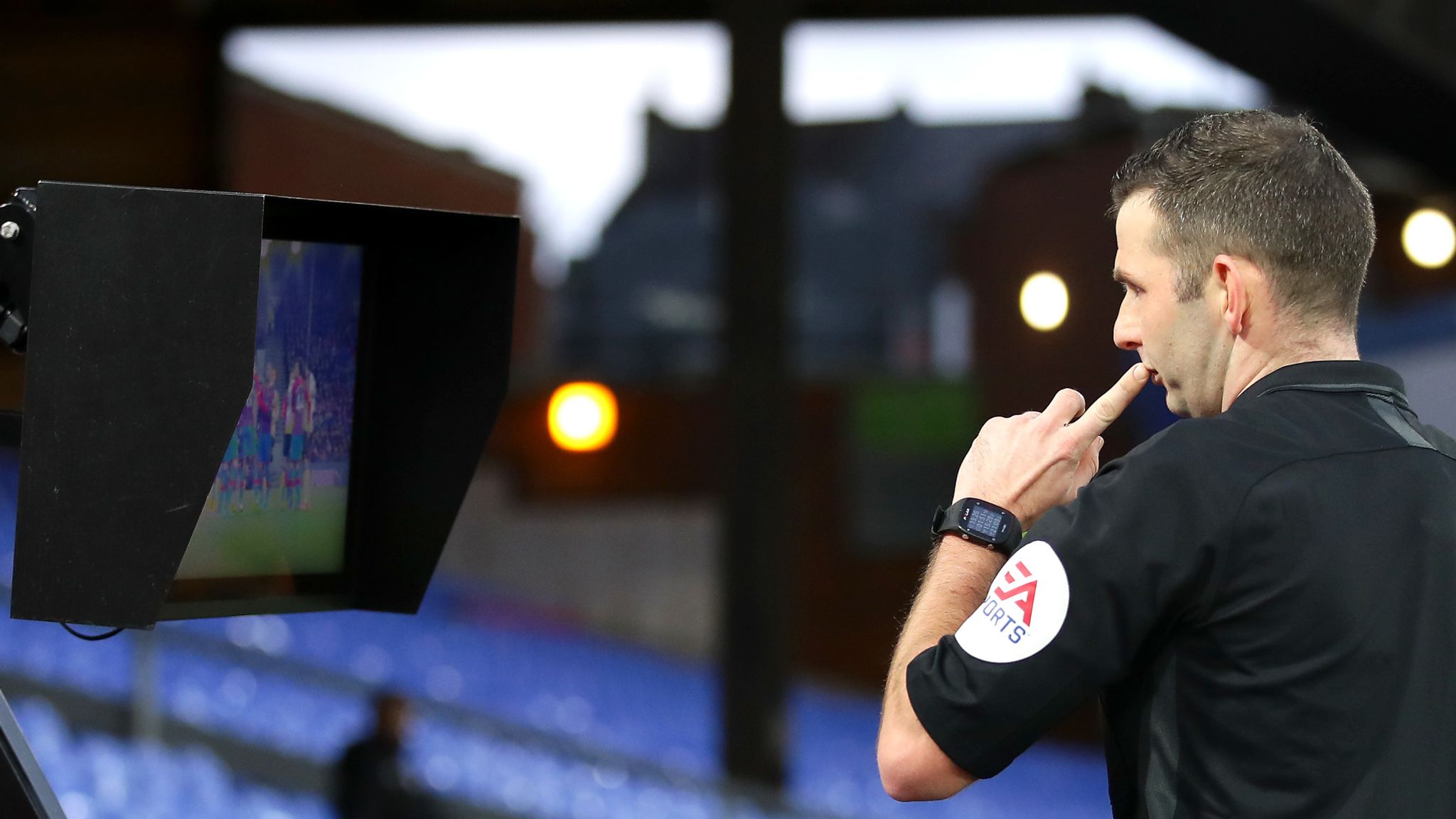
What VAR was meant to do
At its best, VAR is meant to correct a clear and obvious error or a serious missed incident in a short list of match-changing situations, per the IFAB VAR Protocol. In most competitions, that means:
- Goals (including the attacking phase leading to the goal)
- Penalty decisions
- Direct red cards
- Mistaken identity
That boundary matters. Soccer is not built like American football. There is no natural reset after every action. The sport runs on flow, pressure, and emotion. VAR was supposed to step in only when the ref’s miss would fundamentally alter the result.
One important caveat: implementation varies by competition. The protocol is global. The culture, thresholds, and transparency are not.
What VAR gets right
It is worth saying plainly: VAR has improved outcomes in obvious, game-deciding moments. Most leagues can point to fewer blatantly wrong red cards, fewer “goal that was not a goal” incidents, and more corrected mistaken-identity bookings.
So this is not a call to go back to pure chaos. It is a call to stop pretending the current tradeoff is acceptable: higher technical accuracy, lower emotional trust.
Why VAR is failing right now
1) “Clear and obvious” has become “freeze-frame and litigate”
Soccer is a game of motion. VAR often evaluates it like a courtroom exhibit.
Slow motion makes contact look harsher, arms look more deliberate, and tiny timing differences look like bright lines. But players do not move in still frames. They react in chaos.
The result is a system that sometimes corrects the wrong thing: not an obvious error, but an arguable interpretation. That is not what fans were promised, and it is not what referees need.
2) Offside and handball feel detached from how the sport is played
Two areas have taken the most damage.
- Offside: Precision is good, but microscopic “toenail” offsides create outcomes that feel detached from advantage. To be clear, that is not the current law. Offside is mostly treated as a factual position and action question, not “did they gain enough.” That is exactly why the experience feels so wrong. We are applying geometry to moments fans experience as momentum.
- Handball: The guidance has shifted over the past several seasons, and interpretation still swings. Similar incidents can produce very different outcomes depending on the referee’s read of arm position, movement, and distance. Players do not know what to do with their arms, defenders sprint like they are trying to keep their elbows in their pockets, and fans are left guessing.
Consistency is not just a referee virtue. It is a fan requirement. If people cannot predict what will be called, they stop trusting the process.
3) The process is too opaque for a sport built on shared emotion
VAR asks fans to pause the biggest moments in sports. That can be survivable if the audience is brought along for the ride.
But in many leagues, we still get:
- Long delays with no explanation
- Referees signaling decisions without context
- Broad statements afterward that often feel disconnected from what we all watched
When the process feels secretive, it invites suspicion. Not because fans are irrational, but because humans fill in blanks with stories. Sports fans are especially talented at that.
4) It slows the game and changes how we celebrate
This is the one that hurts the most because it is not tactical, it is human.
A goal is supposed to be a release. A communal exhale. Now we celebrate in two stages: the first cheer, then the second cheer after a silent audit.
And it is not only goals. A penalty shout becomes a negotiation. A red card becomes a waiting room. The match becomes less like a story and more like a series of interruptions.
5) Accountability is split in the worst way
VAR was designed as assistance, but too often it becomes cover. The on-field referee is still the face of the decision, but the authority is split between the booth and the pitch.
That is bad for everyone:
- Refs lose confidence and rhythm, and get hung out to dry.
- Players do not know who they are actually appealing to.
- Fans do not know where to direct frustration, so they direct it everywhere.
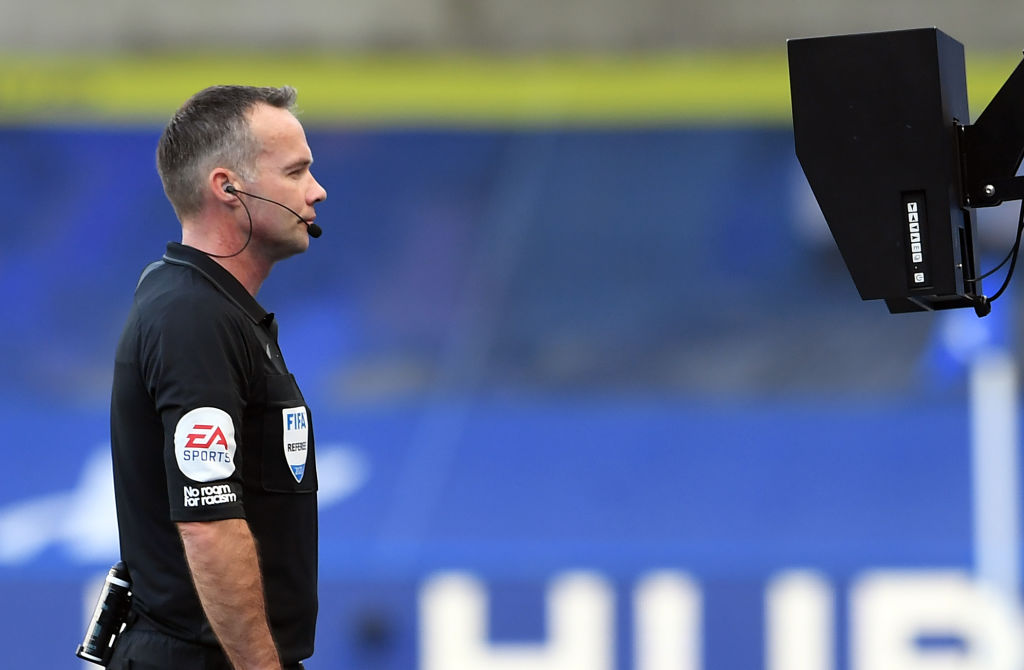
The fixes soccer actually needs
We do not need to scrap VAR. We need to stop acting like it is working fine and start redesigning it around the sport’s core values: flow, fairness, and shared understanding.
1) Put real time limits on reviews
If an error is truly “clear and obvious,” you should not need a three-minute film study to find it.
- Recommended standard: 60 seconds for the VAR to recommend an on-field review, 90 seconds total for most decisions.
- Exception: Complex offside checks or multi-phase goal buildups can get slightly longer, but the default should be urgency.
If the booth cannot see it quickly, play on. That restores the original intent: only intervene when it is obvious.
What this looks like in real life: the stadium screen shows “Checking possible penalty” with a visible timer. If the timer hits 60 seconds without a recommendation, the referee gets a simple message: check complete, no intervention. If an on-field review is recommended, the referee has a short window to look and decide. The game moves.
2) Treat offside like advantage, not pure geometry
Offside exists to prevent goal-hanging, not to erase goals because an attacker’s shoulder leans forward.
We should be honest: this is a reform proposal, not how most competitions currently apply the law.
Competitions should adopt a tolerance that reflects meaningful advantage, such as:
- Thicker semi-automated lines (a margin of error) that favor the attacker when it is close
- “Daylight” principles where a player must be clearly beyond the line to be called offside
Some competitions have already moved toward semi-automated offside technology, especially in FIFA and UEFA tournaments. The promise is faster checks and clearer lines. The danger is doubling down on the pixel problem unless we also build in tolerance.
Fans can live with a close call. What they cannot live with is a celebration overturned by a few pixels.
3) Standardize handball with a simple, teachable checklist
Right now, handball decisions can feel like they change by league, by referee, and sometimes by half.
We need a consistent framework that is repeatable on the field at full speed. For example:
- Did the arm make the body unnaturally bigger and block the ball?
- Was there clear movement toward the ball?
- Was the arm in a natural position for the player’s action and balance?
- Was it from very close range with little or no reaction time?
Not every federation has to copy-paste the exact wording, but the logic must be stable enough that players can adjust and fans can anticipate outcomes.
4) Use the pitch-side monitor for subjective calls, every time
Protocols already lean this way. In practice, the commitment is inconsistent, and that is the problem.
If the decision is subjective, the on-field referee should own it with their eyes, not outsource it to a voice in the headset.
That does two things:
- It restores accountability to the person managing the match
- It reduces the sense that games are being decided by an invisible room
Keep booth-only decisions for objective moments like factual offside positions or mistaken identity. For penalties and reds that require interpretation, get the ref to the screen.
5) Give fans the reasoning in real time
Other sports have shown the path here. Transparency does not eliminate disagreement, but it does eliminate confusion.
Minimum standard:
- Stadium and broadcast graphics that clearly state what is being checked
- A short explanation after the decision: what rule was applied and why
Best standard:
- Live or near-live referee audio, with a short delay if needed
When people understand the process, they argue the call. When they do not understand the process, they distrust the sport.
6) Publish weekly VAR reports with clips and grading
If leagues want credibility, they need an official paper trail that treats VAR like a craft that is constantly being sharpened, not a mystery box that only opens when the season ends.
Each week, publish:
- Key VAR interventions and non-interventions
- Video clips with official explanations
- Whether the decision met the competition’s standards
Yes, it will be uncomfortable. It will also make everyone better.
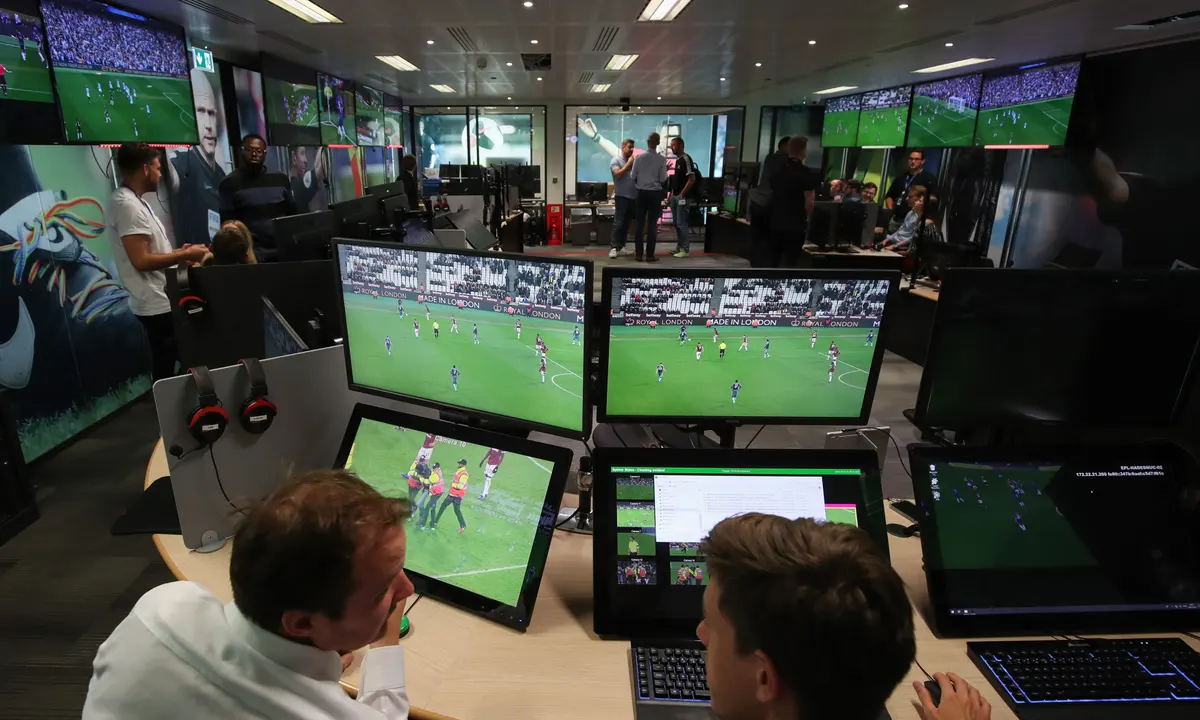
What success looks like
The best version of VAR is not one where controversy disappears. That is impossible in a sport built on interpretation and emotion.
Success looks like this:
- Reviews are fast
- Standards are predictable
- Fans are informed
- Referees are supported, not replaced
- Goals feel like goals again
Soccer has always been a community event. A shared story told in real time. VAR should protect that story from obvious injustice, not pause it until the moment goes cold.
Fix the standards. Speed up the process. Open the curtains. Then let the game breathe.