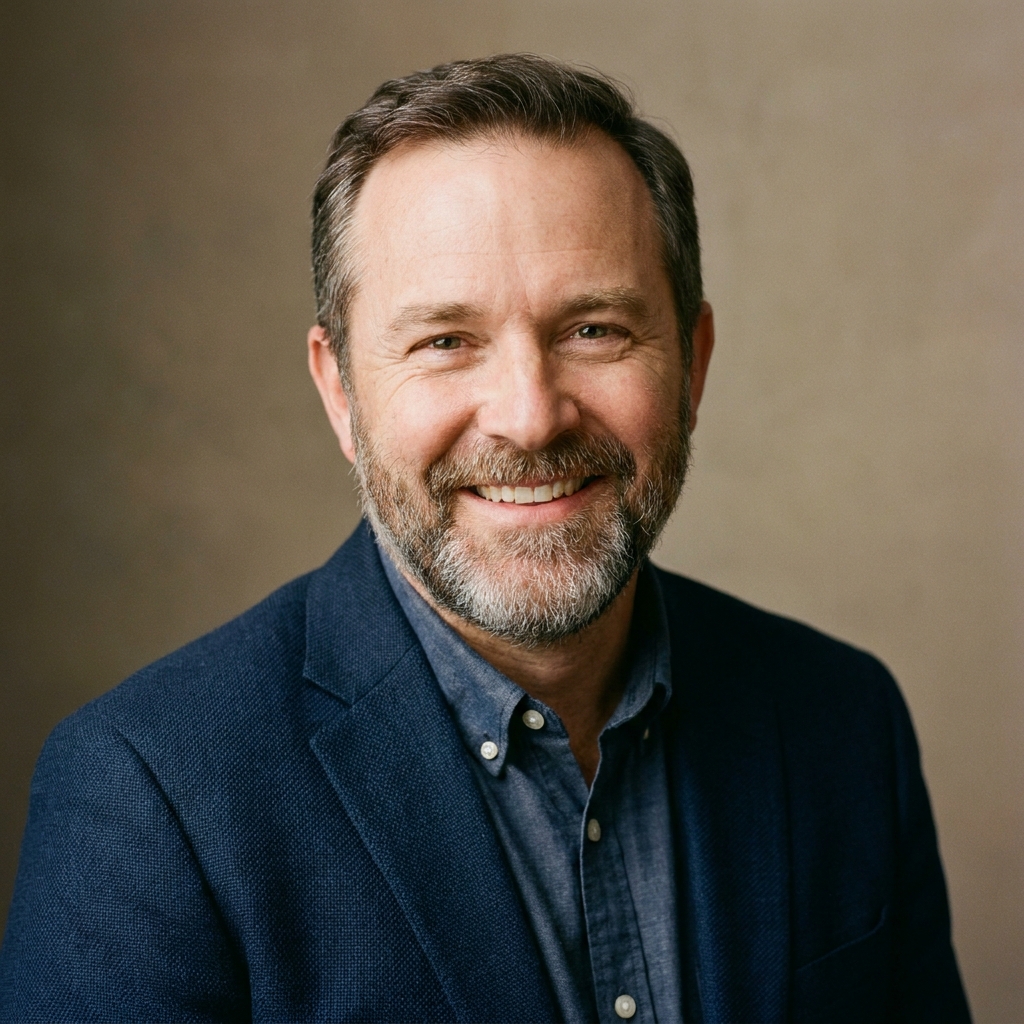
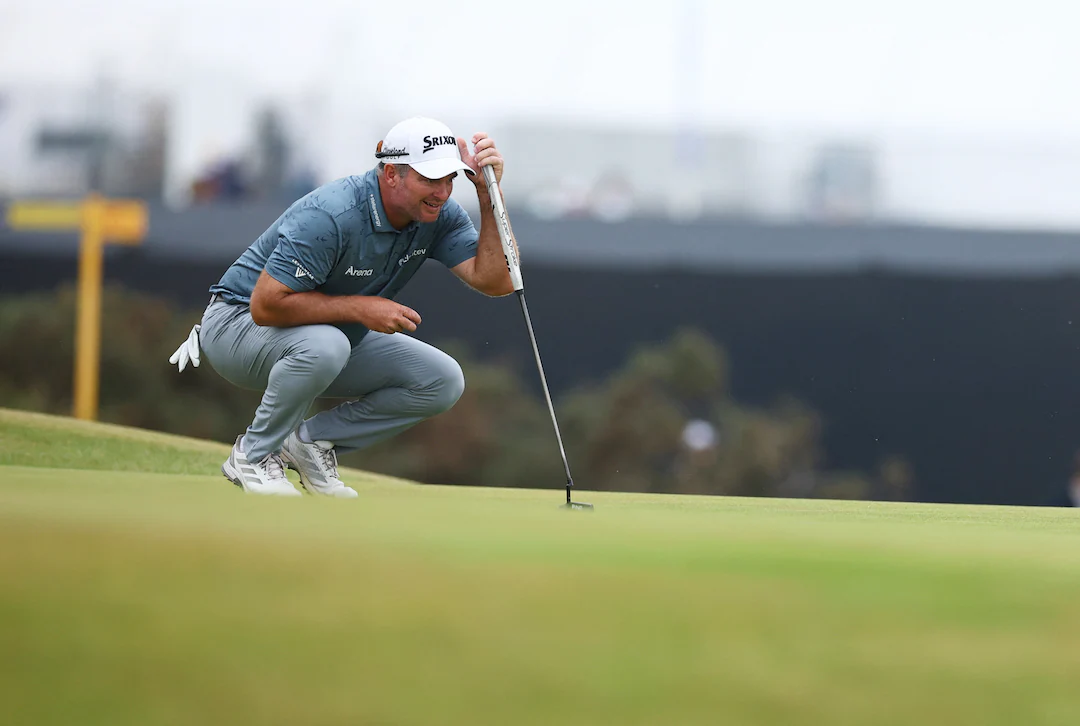
Royal Birkdale has always felt like the kind of Open venue that asks you to survive first and score later. So when Ryan Fox signed for an 8-under 62 on Saturday, July 18, 2026, it landed with the force of a beachhead cannon. Not because Fox is incapable of going low. The man can launch it. The shock was where it happened and how often it has been happening this week.
Fox’s 62 in the third round didn’t just move him to 8 under par and into a share of the lead. It tied the lowest single-round score ever recorded at a men’s major championship. And it made Fox the third player in the same week to shoot 62 at the 2026 Open, joining Sam Burns and Lucas Herbert, who both did it in Round 2.
What makes a 62 at a major so rare
Golf has had plenty of low rounds. Majors are different. They are designed to squeeze you, mentally and physically, until your swing feels like it belongs to someone else. That is why one number has always stood out as the sport’s near-mythical scoring line: 62.
Fox became the seventh player in major history to shoot 62. In other words, this is a club so small you can name every member without taking a breath. The wild part is that Royal Birkdale turned into the meeting place for that club this week.
Here’s the cleanest way to understand the moment: across major championship history, only eight rounds of 62 have been recorded. Three of them happened over two days at this year’s Open (Burns and Herbert on Friday, Fox on Saturday). That is a statistical lightning strike, the kind of thing that changes how people talk about a venue.
Fox’s 62 wasn’t “perfect”, and that’s what made it pop
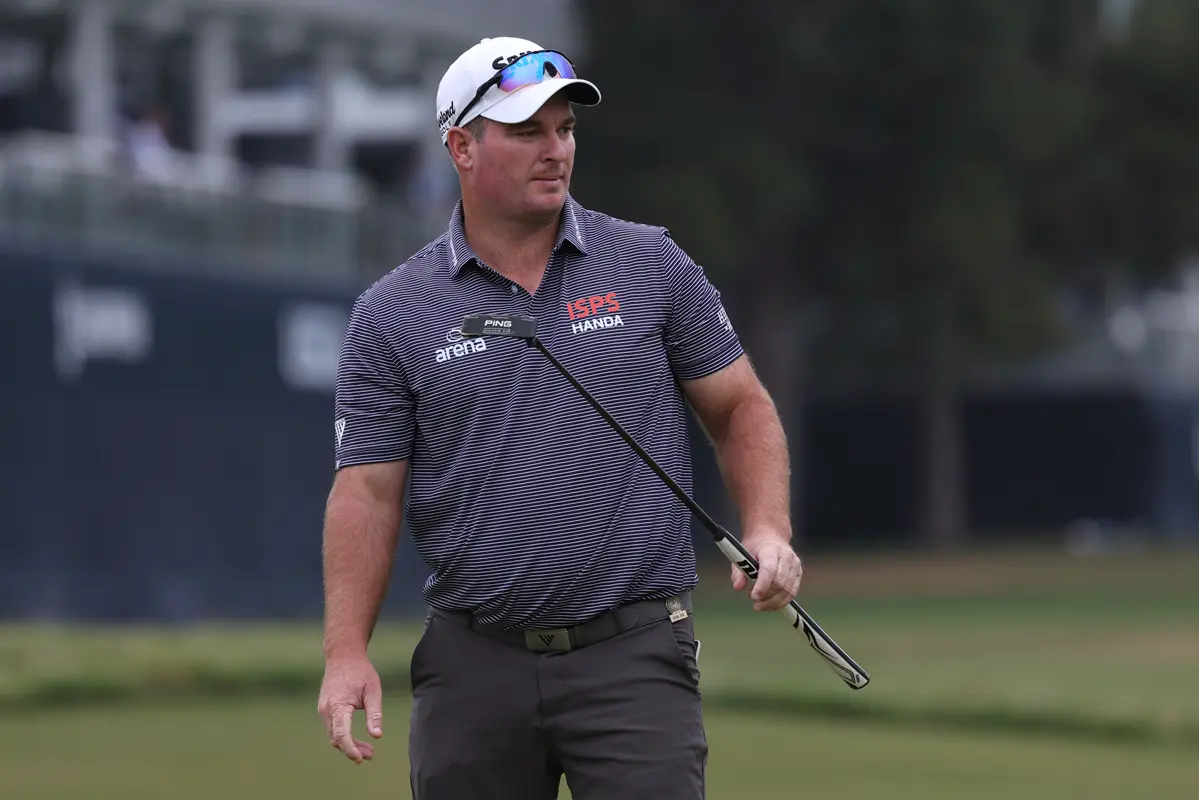
If you didn’t watch every shot, you might assume 62 requires a bogey-free cruise. Fox didn’t need it. His scorecard included a single bogey. That detail matters because it tells you something about the round’s shape: it was not a fragile tiptoe. It was a power walk.
To get to 62 with a bogey in the mix, you have to stack birdies in bunches and keep your foot on the gas when the course finally bites back. That is the difference between “having it” and owning it. Fox didn’t just play clean. He played relentless.
Why Royal Birkdale is suddenly giving up video-game numbers
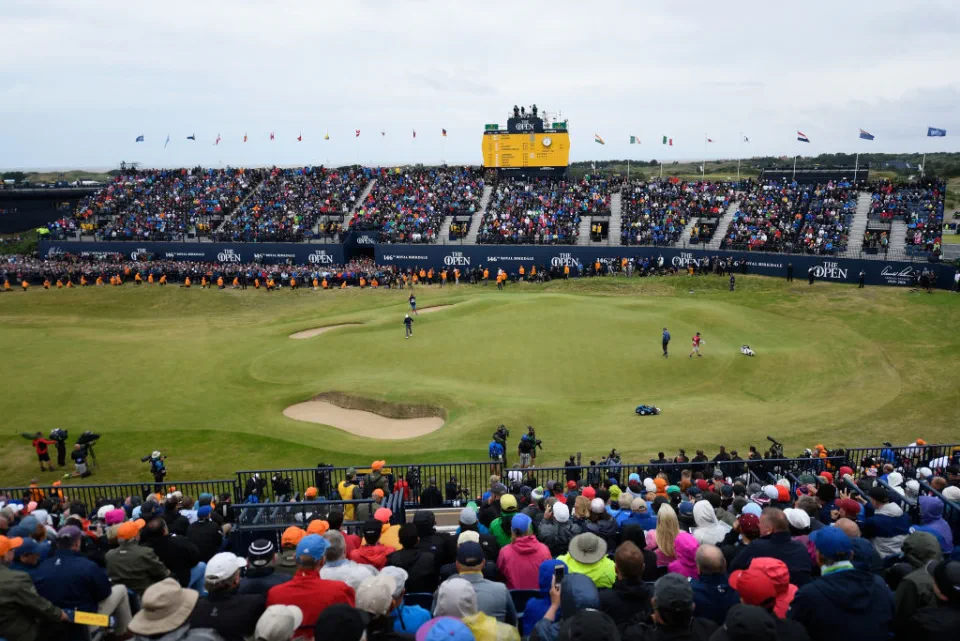
Whenever major scoring gets this spicy, fans naturally ask the same question: is the course broken? Usually, the truth is less dramatic and more layered. Low scoring at a links can come from a perfect storm of factors, and this week at Birkdale has felt like exactly that, a window where elite players can be aggressive without paying the traditional tax.
1) The best players are better at going low than ever
This is the part we sometimes resist because it is not as fun as arguing about course setup. But modern major fields are deeper and more complete. The baseline pro in 2026 hits it farther, controls flight better, and converts more mid-range chances than the baseline pro even a decade ago. When conditions soften just a little, the ceiling collapses.
2) A links course can flip from “defense” to “opportunity” fast
On a links, the scorecard is married to the wind. If the breeze lays down, if angles open, if certain pins are accessible and the turf is receptive enough for approach control, you can suddenly attack holes that normally force you to negotiate. That is how you get clusters of historic rounds, not as an accident, but as a short-lived permission slip.
3) Momentum is contagious in tournament golf
I have seen this in every sport I have covered and lived: when someone proves a standard is reachable, the room changes. Burns and Herbert cracking 62 in Round 2 did not hand Fox his number. But it did reset what felt possible on that property. Players stop thinking, “Just hang on.” They start thinking, “Go take it.”
The “wave” effect: three 62s in one Open week
It is hard to overstate how unusual it is to see one record-tying round at a major, let alone three in the same tournament week. This is why Fox’s 62 did not live in isolation. It immediately snapped into a bigger storyline: the 2026 Open isn’t merely producing a low round, it is producing a pattern.
To put the surge into context with the other record-low major rounds on the books: Branden Grace posted a 62 at the 2017 Open (also at Royal Birkdale). Rickie Fowler and Xander Schauffele opened the 2023 U.S. Open with 62s. Schauffele and Shane Lowry did it again at the 2024 PGA Championship. And now Burns, Herbert, and Fox have added three more in one weekend at Birkdale.
That list does not just tell you who got hot. It shows how modern majors are increasingly capable of producing extremes when conditions, setup, and talent align.
What Fox’s 62 changes heading into Sunday
A 62 can be a trophy in itself. At a major, it is also a weapon that changes the math of the final day.
- It drags the winning target lower. When the lead is within reach of a record round, contenders recalibrate. Conservative plans start feeling like slow leaks.
- It adds pressure from behind. Leaders can no longer assume the course will protect them. They have to make birdies because someone else already proved the track can be solved.
- It forces bolder decision-making. If pins are gettable, players may take on lines they would normally ignore, especially if they believe another low round is out there.
Fox sitting at -8 after that third-round burst is not just a nice story. It is a reminder that one nuclear round can rewrite a major’s entire script in an afternoon.
The human side: why this one hit so hard
I love the cold-blooded geometry of a low round, the angles, the club choices, the way a player manages adrenaline. But the reason Fox’s moment traveled so fast is simpler: it felt like an underdog punch through a brick wall.
New Zealanders don’t exactly come with a massive major-championship pipeline. When a Kiwi steps onto golf’s biggest stage and drops the same number that has basically been the sport’s “unreachable” score, it lands as a statement about possibility. It is the kind of round kids back home will replay on range mats and in living rooms, trying to figure out how eight birdies worth of belief fits into 18 holes.
FAQ: The questions everyone is asking
Did Ryan Fox set a new major scoring record?
No. His 62 tied the all-time major championship single-round record.
How many players have shot 62 in a major?
Fox was the seventh player to do it. His round was the eighth 62 recorded in major history.
How many 62s have been shot at the 2026 Open?
Three: Sam Burns and Lucas Herbert in Round 2, then Ryan Fox in Round 3.
What did Fox shoot in Round 3 at Royal Birkdale?
8-under-par 62, with one bogey.
Where did that leave him on the leaderboard?
It moved Fox to 8 under par and into a share of the lead.
What to watch next
The Open has a way of restoring order on Sunday. A forecast shift, a tougher set of pins, one nervous swing on a tight tee shot, and suddenly 66 feels like a fistfight again. But the 2026 Open has already shown its hand: Royal Birkdale can be conquered, and multiple players have done it in historic fashion.
Fox’s 62 will live on no matter what happens next. The real question now is whether this championship finishes as a one-week scoring anomaly or the moment we accept a new reality: on the right week, even the most classic Open test can turn into a track meet.