
String tension is the sneaky little setting that can make your racket feel like a magic wand one week and a frying pan the next. And the best part is you do not need a new frame to fix it. A few pounds of tension up or down often can change your launch angle, your confidence on big swings, and even how your arm feels after a long set.
Think of tension like the suspension on a car. Too stiff and every bump rattles you. Too soft and you float, but you might lose precision at high speed. Let’s get you to that sweet spot for your swing, your contact point, and your goals.
What tension does
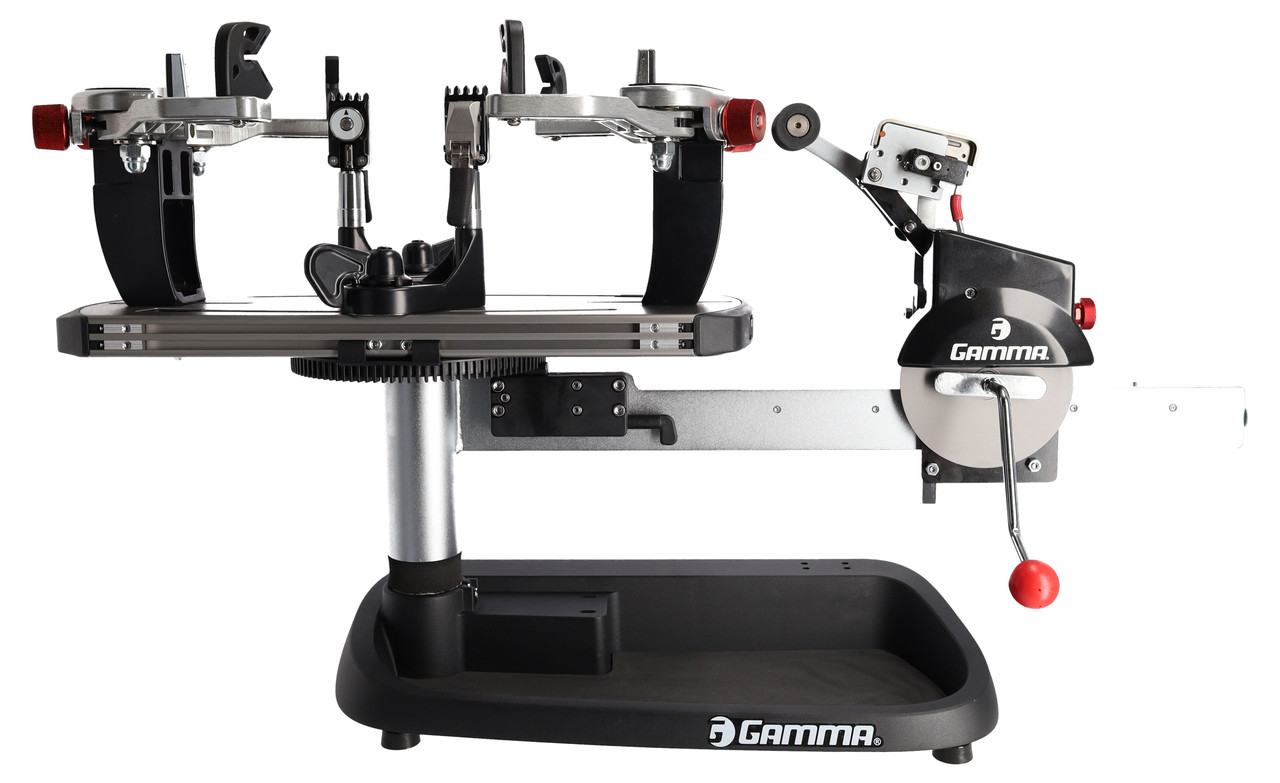
Tension is measured in pounds (US) or kilograms (as labeled on stringing machines). It is the amount of force used to pull each string before it is clamped into place. Most modern rackets list a recommended range, like 50 to 60 lb (about 23 to 27 kg), somewhere on the frame.
That range is not a rule. It is a safe operating window. Within it, you are choosing how the string bed responds at impact.
- Higher tension generally gives a firmer, lower-launching response that many players experience as more control.
- Lower tension generally gives a softer, higher-launching response that many players experience as more power and comfort.
But here is the key: tension never works alone. Your string type, gauge, racket head size, string pattern, and swing speed all decide how big the difference feels.
Quick example: an open string pattern (like 16x19 or 16x18) often launches higher than a denser one (like 18x20). If you switch to a more open pattern, you may end up nudging tension up a bit to keep the same ball flight.
Power vs control
Lower tension: easier depth, livelier feel
When you drop tension, the string bed tends to feel more elastic. For a lot of recreational players, that means:
- More depth on medium swings
- More forgiveness when contact is not perfectly centered
- Higher launch angle, which can help clear the net
If you are a player who fights to reach the baseline or you feel like you have to swing out of your shoes to hit deep, lowering tension is often the cleanest fix.
Higher tension: tighter trajectory, more precise targeting
When you raise tension, the bed feels firmer and the ball tends to come off with a flatter, more predictable trajectory for aggressive hitters. Many players report:
- More directional confidence on full cuts
- Less “flyer” risk when you accelerate through contact
- Cleaner response on fast exchanges
If you already generate plenty of pace and your misses are mostly long, a small bump in tension can bring the ball down into the court.
My simple test: if your best swing still lands long, go tighter. If your best swing dies short, go looser. Just make that call assuming timing and technique are stable and your strings are not dead.
Spin
Players love to ask, “Do I get more spin with lower or higher tension?” The honest answer is: it depends, and your string type matters more than the exact number on the machine.
Here is the practical take for most players:
- Polyester strings tend to produce spin by letting the mains slide and snap back. That snapback is heavily influenced by low inter-string friction and how freely the strings can move.
- Shaped poly can add bite and feel, and it can help some players, but shape alone is not a guaranteed spin button.
- Very high tension can make the bed so stiff that you lose some of the pocketing that helps you feel the ball on heavy topspin swings.
- Very low tension can raise your launch angle. That can be great for net clearance, but if it gets too springy, your spin control can feel unpredictable.
If you want more spin and you are currently using a basic synthetic gut, you will usually get a bigger jump by changing strings than by changing tension. Then fine-tune tension to control the launch.

Comfort and arm safety
As someone who has spent time coaching youth hoops, I have learned the hard way that small equipment tweaks can keep athletes playing happily instead of grinding through pain. Tennis is no different.
In general:
- Higher tension feels stiffer and can be harsher on the arm, especially with polyester strings.
- Lower tension tends to feel softer and more comfortable.
If you have elbow or wrist tenderness, avoid extremes. A common first adjustment is dropping tension 2 to 5 lb, switching away from a full polyester bed, or both.
Red flags you should not play through: pain that lingers the next day, sharp discomfort on off-center hits, or a “jolt” feeling on contact. Your body is giving you a warning. Listen.
Also remember: dead poly (even if it is not broken) can start to feel harsh and unpredictable. Tension tweaks cannot fully rescue a string bed that has lost playability.
String types and tension
This is where people get tripped up. The same tension number can feel completely different with different strings.
Polyester (poly)
- Feel: firm, controlled, spin friendly
- Typical tension approach: often lower than other strings to keep comfort and depth
- Who it fits: fast swings, big topspin, frequent string breakers
If you string poly too tight, it can feel boardy and unforgiving. A lot of players live comfortably in the mid to high 40s up to the low 50s (lb), depending on racket and preference.
Synthetic gut (nylon)
- Feel: balanced, lively, good value
- Typical tension approach: plays well in the middle of the recommended range
- Who it fits: beginners through advanced players who want all-around performance
Multifilament
- Feel: soft, powerful, arm friendly
- Typical tension approach: can be strung a bit higher if you want to tame the pop
- Who it fits: comfort seekers, players returning from arm issues
Natural gut
- Feel: elite power and comfort, great tension maintenance
- Typical tension approach: very flexible, performs well across a wide range
- Who it fits: players who want premium feel and do not mind the price
Hybrids
Hybrids are the “best of both worlds” option: often poly in the mains for spin and a softer cross for comfort and feel. Tension is commonly split, but the direction depends on the materials:
- Common starting point: keep them close, about 1 to 3 lb apart.
- Often: poly mains a little lower, crosses a little higher to stabilize the bed.
- But: gut mains with poly crosses may call for different targets based on the feel you want and what your stringer sees.
If you are unsure, ask your stringer for a “middle of the road hybrid split” and adjust from there in small steps.
Quick starting points
These are not commandments. They are reliable starting lines that keep you out of trouble, then you adjust in small steps.
Beginner
- Goal: depth and comfort
- Starting point: lower to mid range of the racket recommendation
- Example: if your frame says 50 to 60, start around 52 to 55 with synthetic gut or multi
Intermediate
- Goal: blend of control and shape
- Starting point: mid range, then adjust based on misses
- Common move: try a soft poly or hybrid and drop tension 2 to 4 lb versus your nylon setup
Advanced
- Goal: control at full speed
- Starting point: mid to upper range for nylon, often lower for full poly
- Common move: tune in 2 lb increments until you can swing freely on big points
How to fine-tune
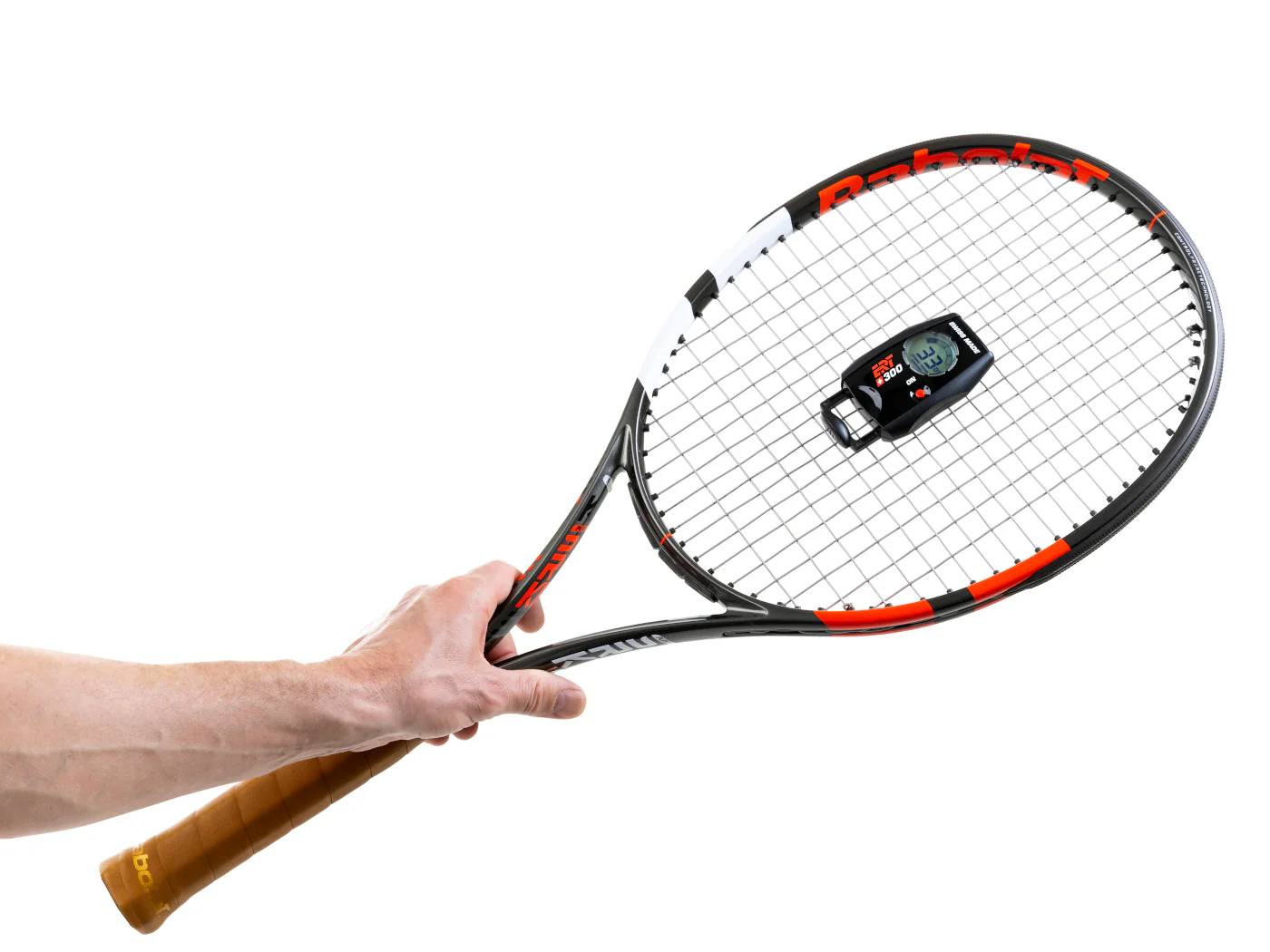
If you take one thing from this guide, take this: change tension like you are adjusting a recipe, not reinventing dinner. Go small, keep notes, and let your match play decide.
If the ball is flying long
- Increase tension by 2 lb
- Or switch to a slightly firmer string at the same tension
If the ball lands short
- Decrease tension by 2 to 3 lb
- Or try a livelier string at the same tension
If your arm is barking
- Decrease tension by 3 to 5 lb
- Consider moving from full poly to a hybrid or multi
If you love everything except touch shots
- Try +2 lb for a slightly crisper response
- Or keep tension and consider a thinner gauge for more feel
Pro tip: keep the rest constant when you test. Same balls, same court if possible, same string. Tension tuning only works if you know what you changed.
One more thing: conditions matter. Cold weather makes strings feel stiffer. Hot weather can make them feel livelier. If your setup feels “mysteriously” different from week to week, the forecast might be part of the story.
Tension loss
Strings do not hold tension forever. They lose tension quickly at first, then more gradually. All strings do this, but polyester is especially famous for changing feel and playability after the initial sessions. That means the number you asked for at the shop is not always the number you are playing with a week later.
Two practical fixes:
- String more often if you play poly and the feel goes dead before the strings break.
- Start slightly higher if you know your setup settles in after the first hit, but do this carefully if you are sensitive to stiffness.
If you are chasing consistency, your restring schedule matters almost as much as your tension number.
When to restring
Not everyone breaks strings, but everyone eventually plays through a setup that has lost the plot. Use any of these as your cue:
- You lose control you used to have, especially on your normal rally ball
- Comfort drops, or you start feeling more shock on contact
- Strings are notching heavily and sliding out of place
- Poly feels dead even though it is not broken
A simple rule of thumb some players use is restringing after roughly as many hours as your playing level (example: a 3.5 player about every 3 to 4 weeks if playing a few times weekly), but your body and your ball flight are the real referees.
Common mistakes
- Copying a pro’s tension. Pros have different rackets, different strings, different swing speeds, and access to fresh string jobs constantly.
- Going tighter to get more power. For most players, higher tension reduces free depth, especially on medium swings.
- Using full poly at high tension “because it lasts.” Durability is great. Elbow pain is not.
- Changing three things at once. If you change tension, string type, and gauge together, you will not know what helped.
Next restring checklist
Before you hand your racket over, answer these five questions:
- What is my current tension and string? If you do not know, ask your stringer to write it on the inside throat with a marker.
- What miss frustrates me most? Long, short, wide, in the net.
- Do I want more comfort or more precision? Choose your priority.
- How often do I play? More hours usually means you feel tension loss more quickly.
- What change am I testing? Pick one: tension up or down, not a whole new science project.
If you want a clean starting call and you are unsure, live in the middle of your racket’s recommended range, then move 2 lb at a time until the ball flight matches your intent.
Because when the tension is right, you stop thinking about your equipment. You start thinking about patterns, courage on big points, and the fun part of tennis. The part that feels like community.