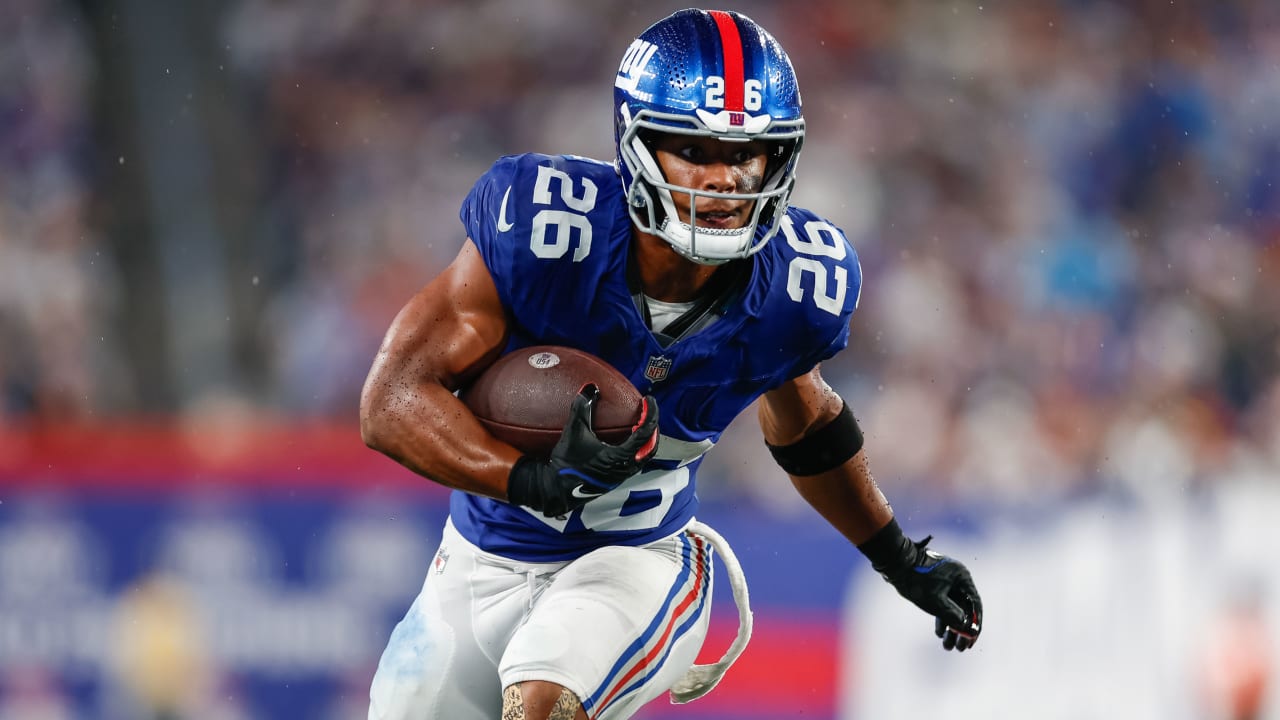
There was a time when an NFL offense had a face, and more often than not, it was a running back. The guy who touched the ball 25 times, closed games in the fourth quarter, and made you feel a cold December stadium in your bones. The “feature back” was not just a job description. It was an identity.
Now, front offices talk about the position like it is a household appliance. Useful, replaceable, and not something you finance long-term.
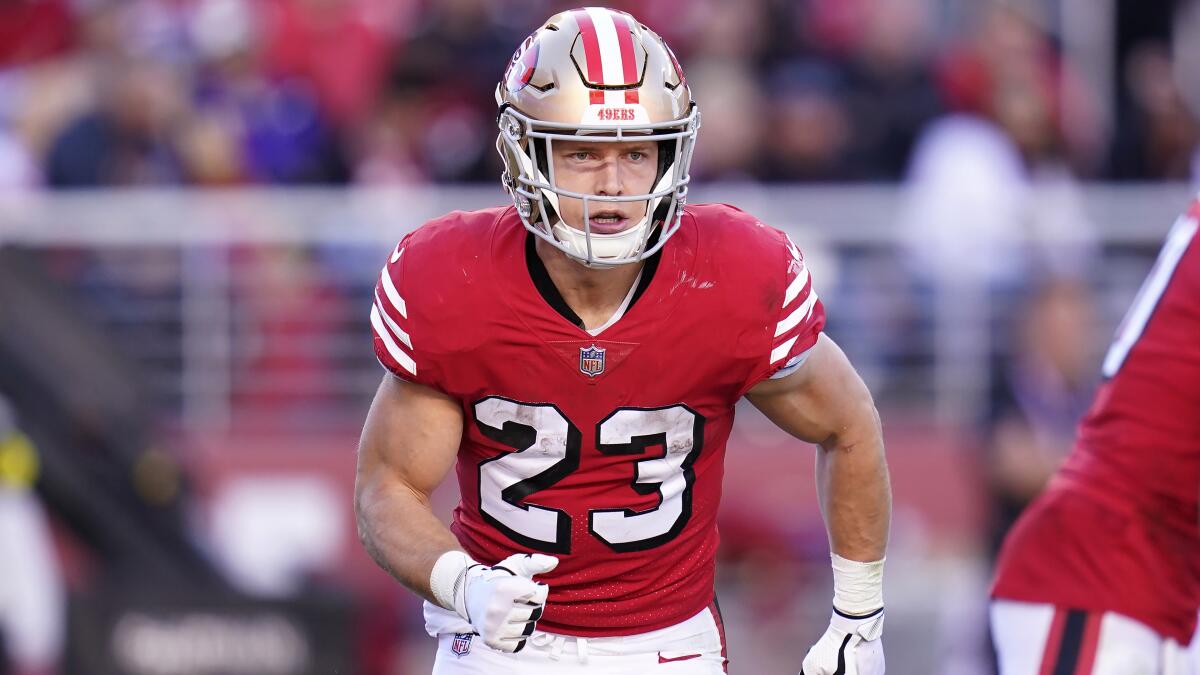
The devaluation of running backs is not a conspiracy or a lack of appreciation for tough yards. It is a collision of math, efficiency, and survival. The league still needs runners. It just does not want to pay for yesterday’s version of the position.
Start with the cap
The salary cap turns every roster decision into an argument about opportunity cost. It is rarely “Do we like this player?” It is “Do we like this player at this price compared to what we could buy instead?”
When a star running back hits the market, the sticker shock is real. Even if the number looks modest next to a quarterback contract, the relative value is where the position loses the debate. For the cost of one elite back, you can often buy:
- A quality starting guard and a rotational defensive lineman
- A top-tier corner who changes what your defense can call
- A premium wide receiver who warps coverage and converts third-and-8
And here is the painful part for running backs: those positions tend to age better and, on average, carry less week-to-week wear in the same way a back does. They also give you more schematic leverage snap to snap.
Budgeting is a sport now
Modern front offices build “cap portfolios.” They want big money tied to roles that are hardest to replace and most stable year to year: quarterback, pass protector, pass rusher, cover corner, and increasingly, elite receiving threats. Running back usually lands in the “nice to have” bucket unless the entire offense is built around a rare outlier.
Passing pays
Coaches will always preach balance, but the NFL has spent the last decade reinforcing a clear trend: efficient passing creates points faster than anything else. Rules protecting quarterbacks and receivers, offensive innovations borrowed from college, and the rise of spread concepts have all pushed teams to chase explosive plays through the air.
That does not mean the run game is dead. It means the run game has been recast from “engine” to “instrument.” Many teams are not trying to run because it is the best way to score. They are running to:
- Keep pass rushers honest
- Force lighter boxes and simpler coverages
- Set up play-action and stress conflict defenders
- Protect leads and shorten the game
When the pass is your fastball, the run is your changeup. Important, yes. But you do not build payroll around your third pitch.
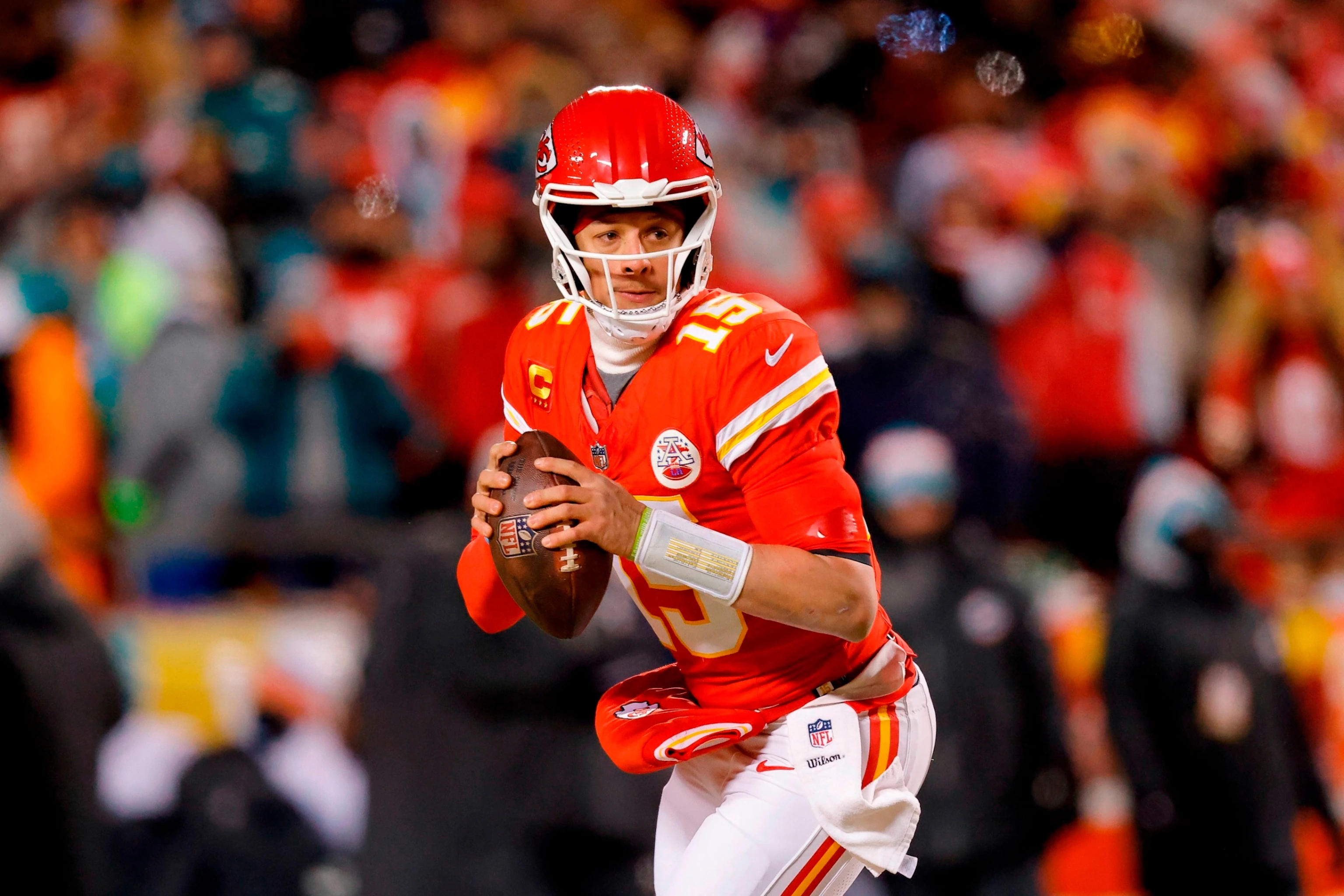
Money follows the air
As offenses throw more, teams spend more on the people who enable it: tackles who can survive speed rushers, receivers who win early in routes, and quarterbacks who can punish blitz looks. A running back can help an offense. A quarterback and passing game can define one.
Workload breaks bodies
This is the part that hurts to say out loud, especially for anyone who has ever loved a bruising runner. The position is violent in a uniquely repetitive way. Running backs absorb contact on routine plays, not just highlights. A back who gets 300 touches is not simply “tough.” He is a physics experiment that gets repeated every Sunday.
And the league has gotten more honest about what that does to careers. The arc is often steep, even if the exact cliff varies by player type and usage:
- Rookie contract production spike
- Peak performance in the early-to-mid 20s
- Wear-and-tear drop-off that can arrive fast and without warning
That reality changes negotiation power. Teams would rather take elite production while it is cheap, then refresh the room with younger legs than pay a premium right as the risk curve rises.
It is not just bad luck
Every position gets hurt. But the running back role invites high-speed, high-frequency collisions. Even when a player stays active, lower-body issues and accumulated hits can quietly change efficiency: fewer broken tackles, less burst through the hole, more two-yard gains that used to be six.
Committees are the plan
In locker rooms, players still talk about “having a guy.” Coaches still like a dependable closer. But we have moved into an era where two good backs and a clear plan can get you most of what one expensive star provides, especially when the offensive line and scheme are sound.
That is not universal. A true mismatch receiver out of the backfield, or a rare red-zone finisher who changes defensive calls, can bend the math. But for most teams, the committee approach works because it lets roles get sharper and bodies stay fresher.
The committee approach also lets teams specialize:
- Early-down hammer for inside zone and duo
- Third-down back who can scan protection and catch option routes
- Change-of-pace runner with perimeter speed
It also makes it easier for a front office to look at a big running back contract and ask a brutal question: “Can we get most of this for a fraction of the price?”
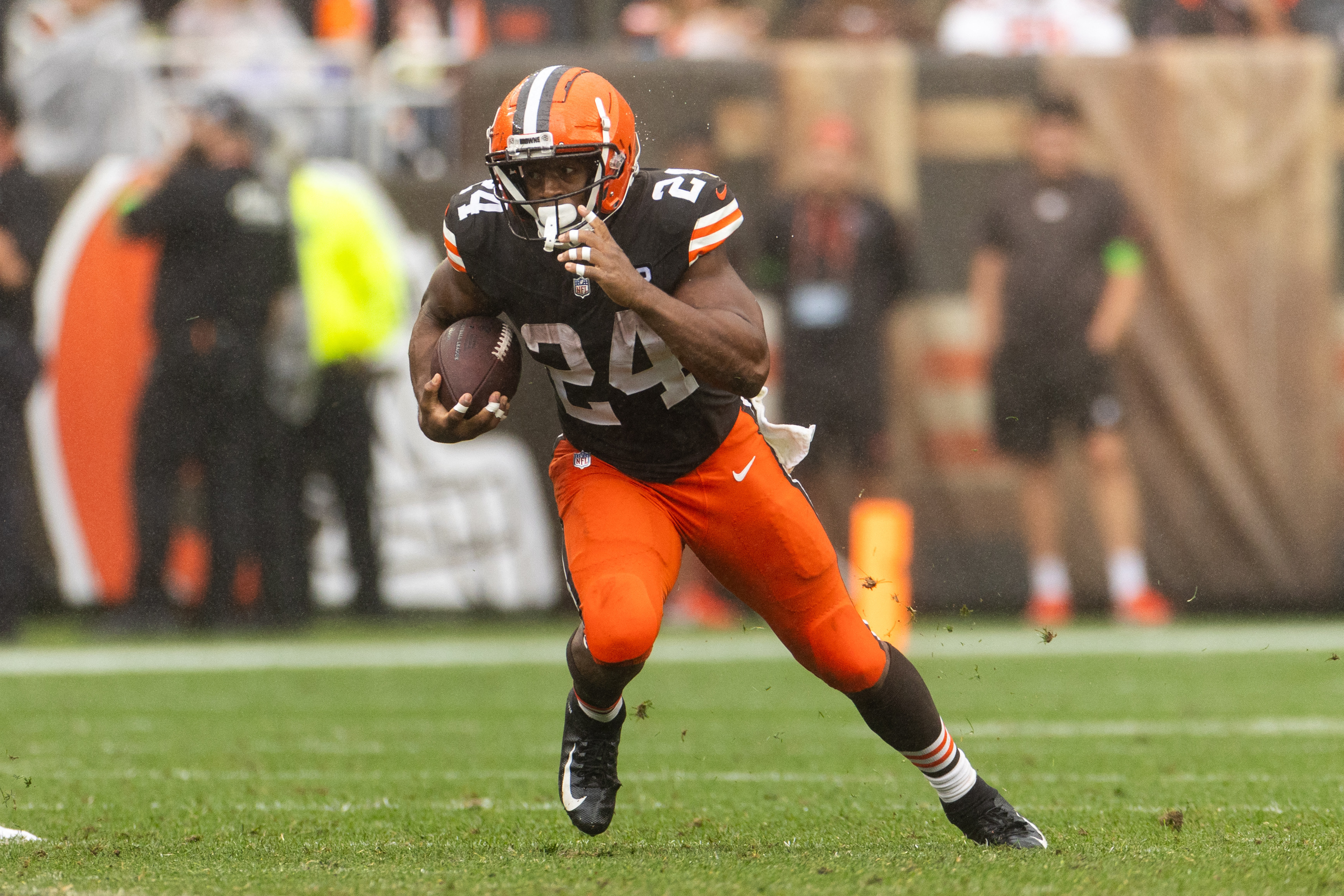
Supply stays cheap
Another quiet driver is volume. College football keeps sending a steady pipeline of backs who arrive familiar with shotgun runs, wide zone tracks, and basic receiving concepts that used to be “extra credit.”
That means the league constantly has young runners who can:
- Run the core concepts with discipline
- Catch well enough to stay on the field
- Pass protect at an acceptable level with coaching
When the supply is strong, the market gets colder. It is not that teams think running back is easy. It is that they think they can find functional at a discount, and sometimes even find special without paying top dollar.
The rookie scale matters
The CBA and rookie wage scale pour gasoline on this. A productive back on a rookie deal is one of the cleanest bargains in the sport. That bargain encourages churn: ride the early years, manage the workload, then decide whether the second contract is worth paying right as the mileage shows up.
What value looks like now
The feature back is not extinct. But the definition of “feature” is changing. The backs who still move the needle tend to check at least two of these boxes:
- Real receiving value, not just dump-offs but routes that stress linebackers and safeties
- Pass protection that keeps the quarterback clean versus pressure packages
- Explosive-play juice that turns a blocked five-yard run into 50
- Yards when it is not clean, meaning production even when the blocking is not winning every snap
In other words, the modern premium back has to be more than a runner. He has to be a multiplier for the passing game.
Scheme matters too
Teams have also learned, sometimes the hard way, that run production can be tightly tied to line play, spacing, and play design. Great backs still create, but “good enough” runners can look great behind strong blocking and smart sequencing. That reality makes writing a huge check feel even riskier.
The exceptions
There are still times when paying a running back is rational. When you have a quarterback on a cheap deal, a clear contender window, and a back who is essentially a slot receiver with carries, the math can flip. If the player is the engine and the mismatch, you are not buying nostalgia. You are buying points.
Those situations exist. They are just narrower than they used to be, and teams know it.
The human part
This shift has created a weird emotional disconnect for fans. Running backs are still some of the most recognizable, hardest-working players on the field. They play through pain, they carry the ball in the red zone where bodies pile up, and they take the hits that let everyone else look clean on the highlight reel.
But the league is a business built around leverage. Running backs have less of it now. Shorter primes, replaceable production curves, and cap-driven priorities all push contracts downward.
The NFL did not stop needing runners. It stopped paying for the idea that one runner should carry the whole identity of the offense.
If you are a fan of a hometown team that grew up on bell-cow backs, this era can feel cold. If you are a general manager trying to survive a three-year window, it feels inevitable.
What comes next
The next evolution is already here: backs as space players. More motion. More route concepts. More snap-to-snap flexibility. The best runners will still be celebrated, but the position’s financial ceiling will keep getting set by two realities: how often teams throw, and how brutal it is to survive a season of heavy contact.
And for every kid dreaming of being the next great NFL running back, the message is not “do not play the position.” It is “expand the job.” Catch like a receiver. Protect like a tight end. Understand fronts like a quarterback. The league will still pay for difference-makers. It just wants them to come with more than carries.