
The first time I took a friend to a hockey game, they leaned over after about 90 seconds and asked the most honest question in sports: “Okay… who is supposed to be where?” Hockey moves fast, shifts change on the fly, and everyone seems to be everywhere at once. But underneath the chaos, each position has a job description. Once you know it, the game slows down in a good way.
At 5-on-5 (the most common even-strength setup), you will see five skaters and one goalie: three forwards (center, left wing, right wing), two defensemen, and the goaltender. The exact number changes on special teams (like 5-on-4) and in situations like 4-on-4, 3-on-3 overtime, delayed penalties, or empty-net pushes, but the core roles still translate.
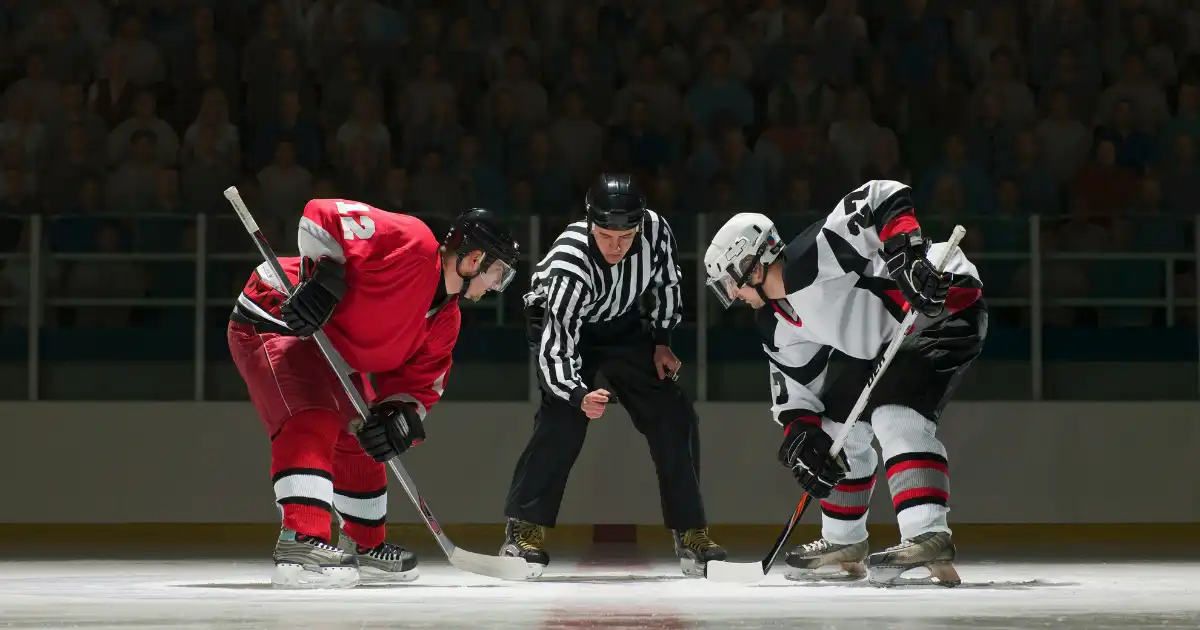
The 6 positions on the ice
Here is the basic setup:
- Forwards (3): Center (C), Left Wing (LW), Right Wing (RW)
- Defense (2): Left Defense (LD), Right Defense (RD)
- Goalie (1): Goaltender (G)
“Left” and “right” generally refer to a player’s side of the ice in the team’s system, often but not always matching handedness preferences (for example, some coaches like “off-side” defensemen for certain breakout or shooting looks). Some players can play either side, but coaches usually keep roles consistent so everyone knows their reads.
Center (C)
If hockey has a quarterback, it is often the center. The center is usually the most all-around forward on the line, expected to help everywhere: in the offensive zone, in the neutral zone, and deep in the defensive zone.
What the center does on offense
- Takes faceoffs to start play and after stoppages. Winning draws can mean instant possession.
- Supports the puck low in the offensive zone, offering an outlet when wingers are pressured.
- Drives the middle of the ice to create passing lanes and screens, and to pull defenders out of position.
- Facilitates chances by distributing the puck to wingers or defensemen at the point.
What the center does on defense
- Plays low in the defensive zone, often helping below the goal line and around the slot.
- Covers the high slot and supports defensemen when the puck moves up the boards.
- Leads the backcheck through the middle, trying to get between the puck and the net.
Beginner tip: If you are watching in your own end and see a forward collapse almost as deep as a defenseman, that is often the center doing the responsible work down low.
Left wing (LW) and right wing (RW)
The wings are the outside forwards. They live on the boards more often, but their responsibilities shift depending on the team’s system, where the puck is, and whether the team is attacking or defending.
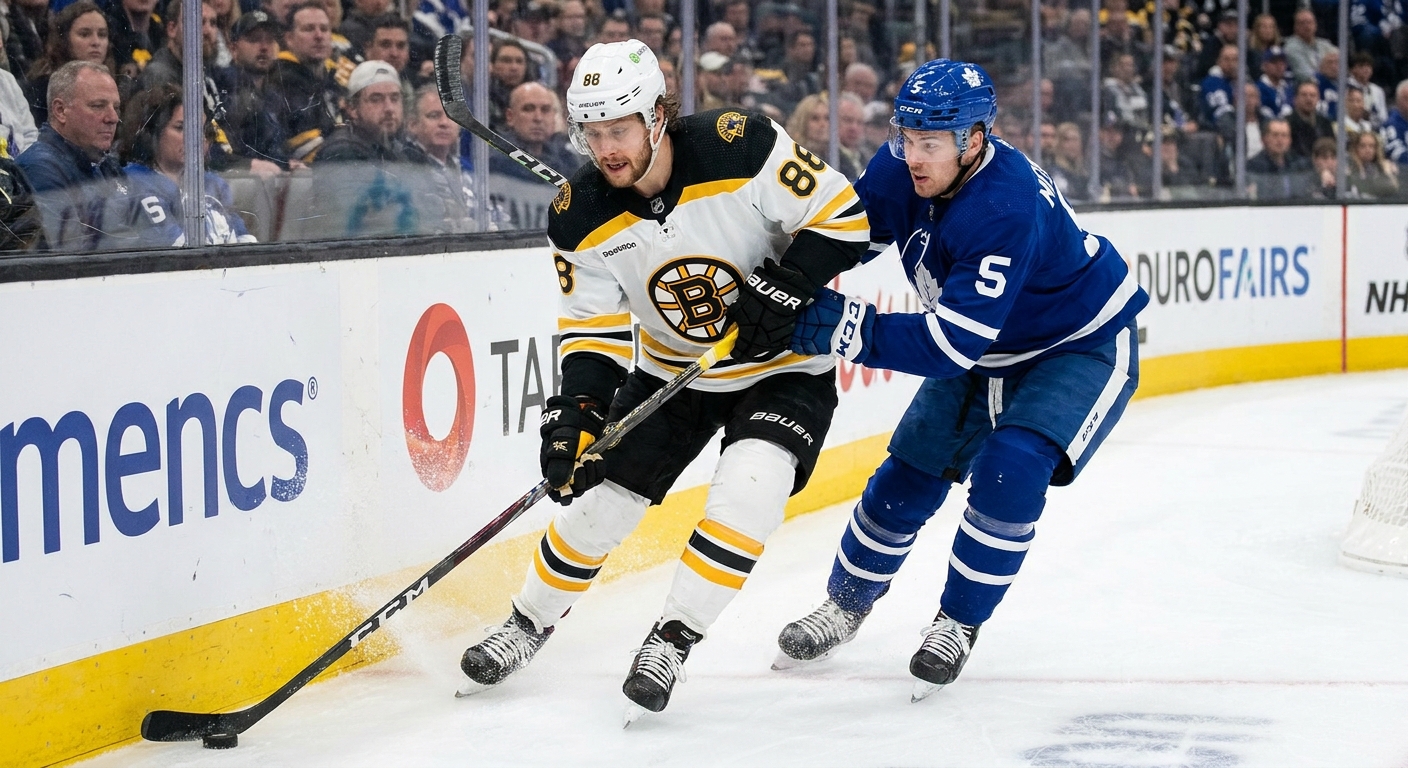
What wings do on offense
- Win battles along the boards to keep possession alive.
- Drive the net for rebounds, tips, and screens, especially when the puck is at the point.
- Stretch the defense by staying wide, which opens space for the center in the middle.
- Finish plays as primary shooters on many rush chances.
What wings do on defense
- Cover the points (the opposing defensemen near the blue line) so shots do not come through cleanly from the top.
- Support down the wall when the puck is rimmed or pinned on the boards.
- Protect the middle by collapsing when necessary, especially if a defenseman is pulled out of position.
Left vs. right wing: In many systems, your strong-side wing (the side the puck is on) pressures the puck and the weak-side wing protects the middle and watches the far point. The exact details vary by team and league, but that strong-side and weak-side idea will help you make sense of it.
Defensemen (LD and RD)
Two defensemen are on the ice behind the forwards on most shifts. Their job is not just “play defense.” Great defensemen prevent chances before they happen and help turn stops into offense.
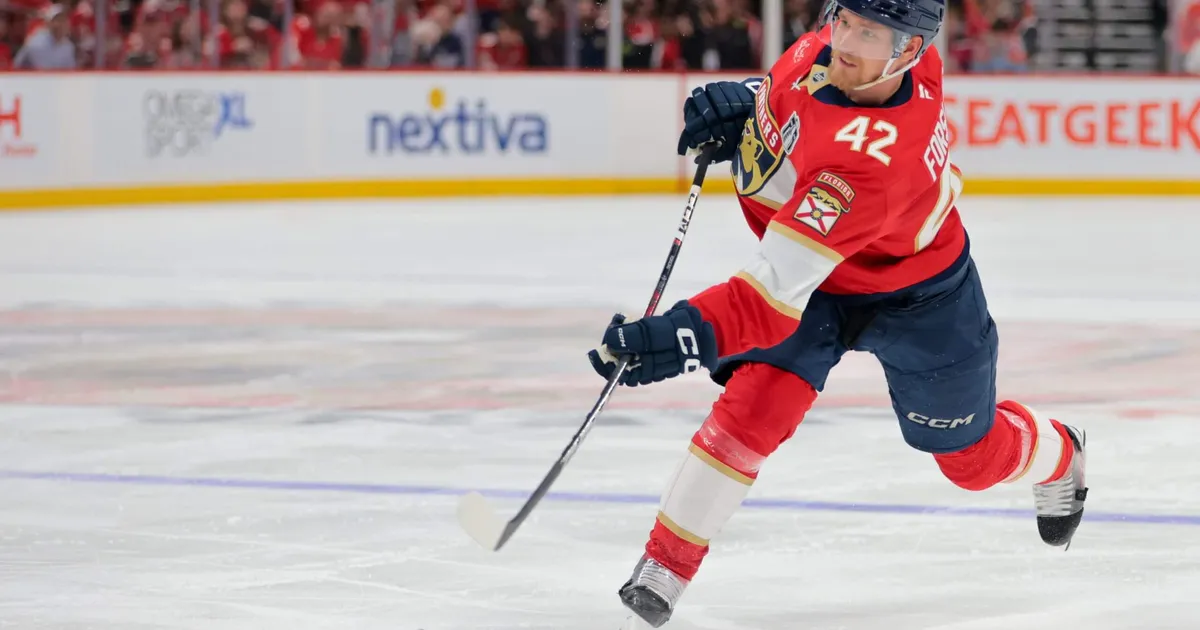
What defensemen do on offense
- Hold the blue line to keep the puck in the offensive zone and prevent it from clearing out.
- Move the puck quickly with point-to-point passes, wrist shots through traffic, and quick decisions.
- Jump into the rush at the right time to create an odd-man advantage or become a trailer option.
- Quarterback from the point by directing pucks toward the net for tips and rebounds.
What defensemen do on defense
- Protect the slot, which is the prime scoring area in front of the net.
- Win net-front battles by boxing out, tying up sticks, and clearing rebounds.
- Angle attackers toward the boards to take away the middle of the ice.
- Break out of the zone with clean first passes or strong carries to start the counterattack.
Beginner tip: When you hear fans talk about a defenseman’s “gap,” they mean how well that defender maintains distance and positioning against a puck carrier, close enough to challenge, not so close they get burned.
Goalie (G)
The goalie is the last line of defense, but also a big part of how a team manages the puck. Modern goaltending is equal parts reflexes, positioning, and decision-making.
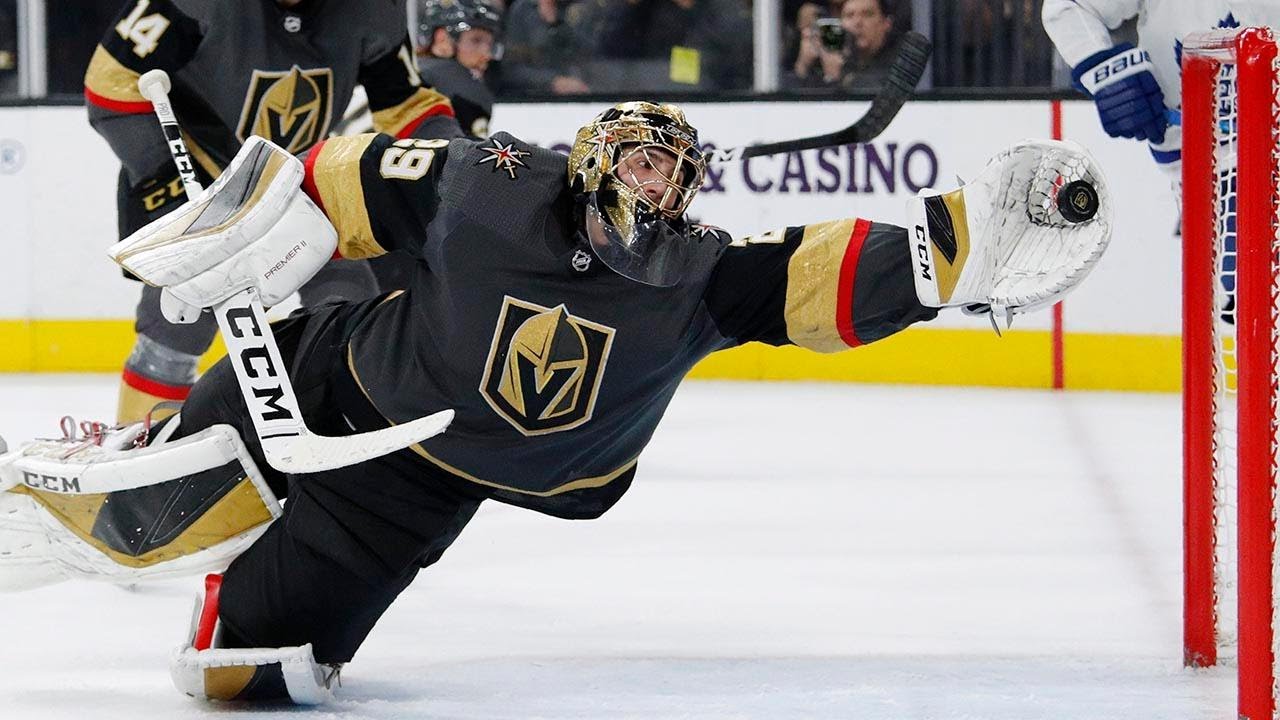
What the goalie does when the team is defending
- Stops shots, obviously, but also controls rebounds so opponents do not get second chances.
- Communicates by calling out screens, loose pucks, and pressure behind the net.
- Plays angles so shooters see less net, especially on rush chances and one-timers.
What the goalie does when the team has the puck
- Handles the puck behind the net to stop dump-ins and help the defensemen start breakouts.
- Acts as a safety valve when defensemen need a reset under pressure.
One thing new fans miss: A goalie who reads the play well can save their team’s legs. If they stop the puck cleanly and set it up for a defenseman, that is one less chaotic scramble in the corner.
How forward lines work
Most teams dress 12 forwards, which typically becomes four lines of three forwards:
- Line 1: Usually the most skilled scorers, often facing top defenders.
- Line 2: Another scoring line, sometimes with different style or matchups.
- Line 3: Often a checking line, two-way group, or matchup line that can tilt the ice with forechecking.
- Line 4: Energy line, physical line, or a defensively trustworthy group that keeps shifts clean.
At higher levels, coaches roll lines based on score, special teams, and matchups. At youth and beginner levels, lines are often built to balance skill, speed, and responsibility so each unit can survive a shift without getting trapped in its own end.
What makes a line fit
- Skill sets that complement: a puck carrier, a finisher, and a worker can be a classic mix.
- Shared pace: three players who skate the game at the same speed tend to connect better.
- Defined roles: who is first in on the forecheck, who supports high, who covers if a defenseman pinches.
How defensive pairs work
Most teams dress six defensemen, which usually becomes three pairs:
- Top pair: Best all-around duo, trusted for heavy minutes and tough matchups.
- Second pair: Strong two-way group, sometimes more offensive or more physical depending on roster.
- Third pair: Often sheltered minutes, specific situations, or developing players.
Pairings matter because defense is about chemistry. When one defenseman pinches down the wall to keep a puck in, their partner has to read it instantly and slide to cover. When one goes to battle in the corner, the other protects the front of the net. That trust is everything.
Roles on the rush
If positions still feel like a blur, watch what happens in the neutral zone and on entries. A simple way to think about it is:
- F1: first forward in, applies pressure (or carries the puck in)
- F2: supports the play, becomes the next passing option, hunts loose pucks
- F3: stays higher as the safety valve, ready to backcheck if the play turns
Defensemen are reading all of it. If the puck is coming at them, they focus on their gap and try to deny the middle. If their team has controlled possession, one defenseman might join the rush while the other stays back to guard against the counter.
Where positions live
If you are trying to locate players during the blur of a shift, this mental map helps:
- Center: middle of the ice, often lowest forward in the defensive zone
- Wings: near the boards and up higher in the zone, responsible for the points
- Defensemen: closest to the net in the defensive zone, near the blue line in the offensive zone
- Goalie: in the crease, managing angles and rebounds
Of course, hockey is fluid. Players rotate based on pressure and puck location. But if you know the home base for each position, rotations start to make sense instead of looking like total chaos.
Quick glossary
- The slot: prime scoring area in front of the goalie, between the faceoff circles
- The point: area near the blue line where defensemen often shoot from (and by extension, the players stationed there)
- Forecheck: pressure applied in the offensive zone after dumping or chasing the puck
- Backcheck: tracking back on defense during the opponent’s rush
- Breakout: the team’s exit plan from the defensive zone
FAQ
Are there always exactly these positions?
At 5-on-5, yes, it is typically 3 forwards, 2 defensemen, and 1 goalie. But games constantly shift into other formats. Penalties create 5-on-4 or 4-on-5, some leagues use 4-on-4 in certain situations, and the NHL regular season features 3-on-3 overtime. The names do not change, but the spacing and responsibilities stretch or compress depending on how many skaters are out there.
Do left wings and right wings stay on their side?
They start with a side, but they do not stand on railroad tracks. In the offensive zone, wings rotate to open space and support the puck. On defense, they may switch coverage if the play demands it. Structure matters, but so does reacting.
Why do centers take faceoffs?
Because the center is usually the forward most responsible for possession and two-way play. Faceoffs are a high-leverage moment where a clean win can create an immediate scoring chance or a quick clear.
What is the difference between a forward and a defenseman?
Forwards are primarily tasked with generating offense and applying pressure up ice. Defensemen are primarily tasked with protecting the net, breaking the puck out cleanly, and supporting offense from the blue line. Both groups play offense and defense, but their starting responsibilities and positioning are different.
How does the penalty kill change roles?
On the penalty kill, teams usually focus on protecting the slot, pressuring the puck on the strong side, taking away seams, and getting clears when they can. You will still recognize the same positions, but the unit moves more like a tight box or diamond than a normal 5-on-5 shape.
Watching tip
If you want to learn positions fast, do this: pick one player and follow them for a full shift, even when they do not have the puck. Most shifts are roughly 30 to 60 seconds, so it is a quick exercise. You will see the center swing low for support, the weak-side wing protect the middle, and the defensemen trade off coverage. Hockey starts feeling less like a swarm and more like a system.