
When I was playing Division II hoops, eligibility talk usually showed up at the exact wrong time: right after a teammate finally cracked the rotation, or right when an injury forced someone into minutes they were not expecting. Suddenly everybody is asking the same question in slightly different ways: Did that count?
In NCAA terms, what “counts” is typically about whether you used one of your four seasons of competition. This is separate from the time limit to use those seasons, sometimes called your eligibility clock. In plain English: you can have a season “count” (because you competed) even if you still have time left on your clock, and you can also run out of time even if you did not use all four seasons.
Here, we are focusing strictly on what kinds of appearances use a season, what does not, and the few sport-specific exceptions that can sometimes let you compete a little without losing the whole year. One more important note up front: rules vary by sport and by division (D-I, D-II, D-III), and your school’s compliance office is the final authority on how an event is classified.
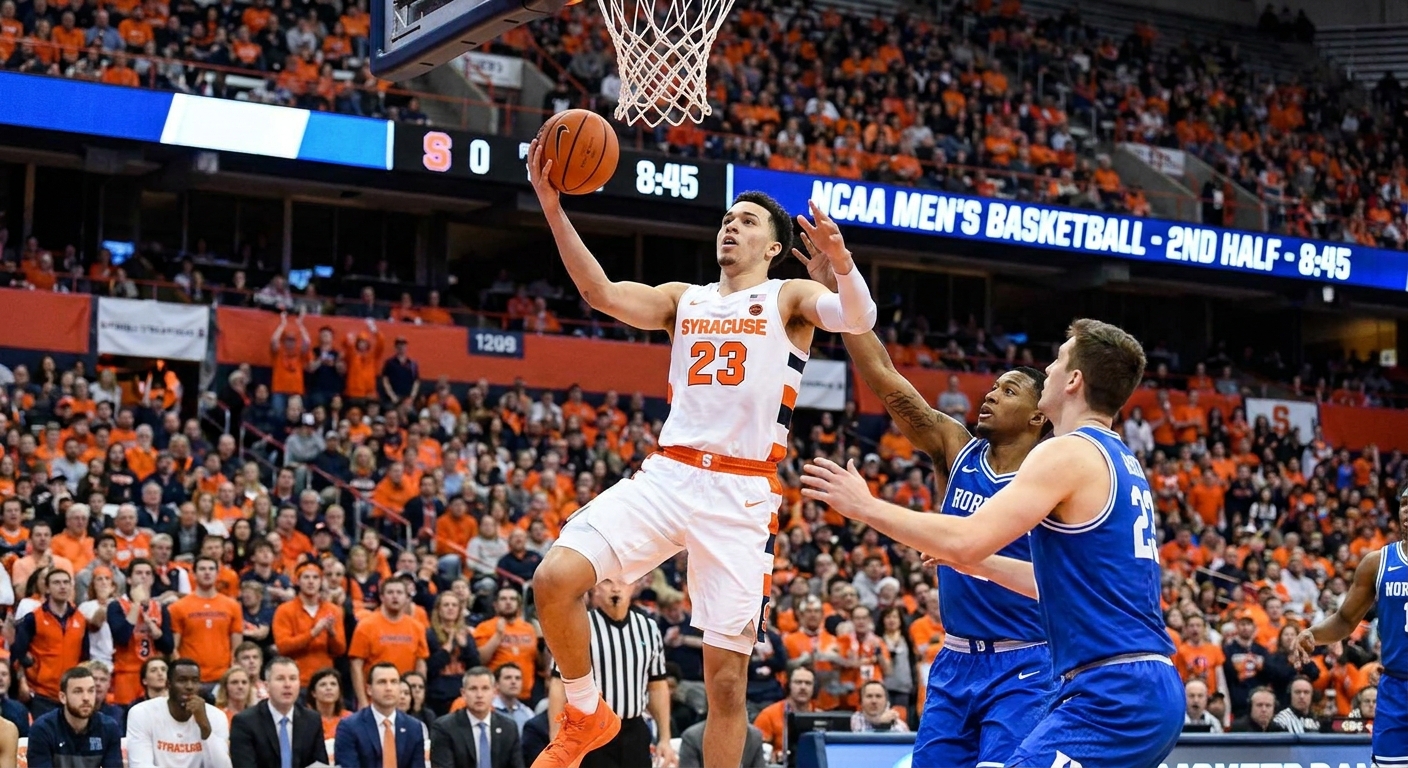
Season of competition, in plain English
An NCAA season of competition is basically a year in which you compete in your sport in a way that counts for eligibility. Most of the time, the rule is straightforward:
- If you appear in a countable regular-season or postseason contest, you have competed that season.
- Once you have competed in that season, you generally have used one of your four seasons of competition in that sport.
The tricky part is the gray area around scrimmages, exhibitions, and sport-specific exceptions. That is where athletes and families can get surprised.
What usually counts
Regular-season contests
If you step into a countable regular-season contest, that is competition. It does not matter if you played two minutes, took zero shots, or only served in the back row. The key is whether you actually participated in the contest.
Conference tournaments and postseason
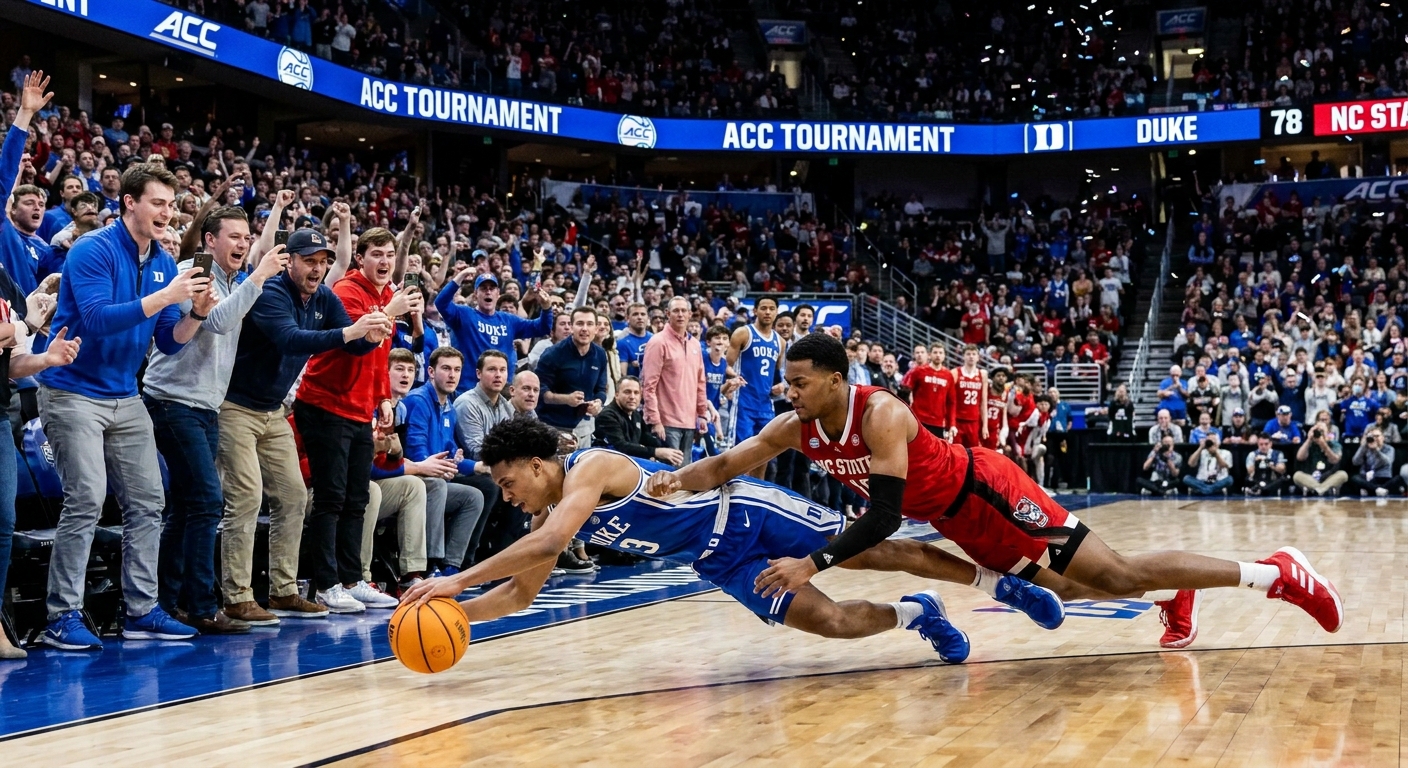
Countable conference tournament games and NCAA postseason competition are competition just like the regular season. If you appear, it counts as competition for that season.
Anything classified as countable
A good gut check is whether the event is being treated like a normal contest for scheduling and stats. But the real deciding factor is how your school and the NCAA classify it as a countable contest for your sport and division. When in doubt, defer to compliance, not vibes.
What usually does not count
Some events look like games but are treated differently. The details vary by sport and NCAA division, but these are common categories that may not be counted as competition the way countable contests are.
Practices and workouts
Practicing, lifting, film sessions, and normal team activities are not competition.
Scrimmages
Many teams hold scrimmages that are treated as controlled, practice-centered events. Depending on your sport, division, and how the event is approved and administered, scrimmages may not count as competition.
The catch: calling something a “scrimmage” does not automatically protect eligibility. If it is administered like an actual contest, run under outside-competition rules, or otherwise logged as countable for your sport, it can create problems. Ask how it is being classified before you play.
Exhibitions
Exhibitions are also an area where athletes make assumptions. In some sports and situations, exhibitions may not be treated like countable contests. In others, they can be regulated tightly or treated as countable depending on how they are designated and approved. If you are trying to preserve a season, get confirmation from compliance before suiting up.
Special events
Alumni games, charity events, and other one-offs are often outside the normal competition structure, but they can still raise eligibility questions depending on timing, opponents, and how the event is run. Loop in compliance early.
Sport-specific exceptions in Division I
This is the part people get wrong most often, especially athletes coming from a football-driven eligibility conversation.
There is not one universal Division I “four-game rule” across NCAA sports. The ability to play a little and keep a season depends on the sport, the division, and the exact NCAA rule that applies at that time.
The football example everyone hears about
In Division I football, there is a well-known redshirt participation exception that can allow limited game participation without using a season. That is where the “four games” idea comes from in most casual conversations. The exact contours are NCAA-rule-specific and can change, so treat it as a football concept you still need to confirm, not a universal NCAA safety net.
Basketball is different
In Division I basketball, the practical reality is much stricter: appearing in a countable regular-season contest generally uses a season of competition unless you later receive approved relief (like a medical hardship waiver) or the event was not countable in the first place. There is not a standard, sport-wide four-game cushion for basketball that you can plan around.
Other sports vary
Some sports have their own limited-participation concepts, thresholds, or waiver pathways. The important point is this: do not assume another sport’s rule applies to yours. If you are trying to preserve a season, you need your sport’s specific answer from compliance.

What happens if you cross the line
If your sport has a limited-participation rule and you go beyond whatever the threshold is for your situation, the season is typically treated like a normal competitive season. In everyday terms:
- You have competed enough that the year counts as a season of competition.
- From an eligibility planning standpoint, you should assume you used one of your four seasons in that sport.
- Any attempt to preserve the season after crossing the line usually becomes a separate, compliance-driven process rather than a simple planning decision.
This is why the smartest move, especially for first-year athletes and midyear transfers, is to track appearances like you would track fouls: know the number at all times.
Does a partial season count if you get hurt?
This is where people often mix two ideas together: (1) whether the season “counts” because you competed, and (2) whether you can get that season back through a waiver process.
Sticking to the “what counts” question: if you appear in a countable contest, you competed that season. Whether you can later reclaim that season is a separate issue, most commonly through a medical hardship waiver (often called a medical redshirt). Relief is not automatic. It is evaluated under NCAA criteria and typically turns on timing, amount of participation, and documentation.
So if you played early, got injured, and never returned, you should treat it as a season of competition unless your program confirms you qualify for relief and it is granted.
Common scenarios
I only played a few minutes. Does it count?
Usually, yes, if those minutes were in a countable contest. The main exceptions are if your sport has a specific limited-participation rule you stayed within, you later receive an approved waiver, or the event was not countable in the first place.
I dressed but did not play. Does that count?
Generally, no. Being in uniform, traveling, or being on the bench is not the same as appearing in the contest. The key is whether you actually competed.
I played in an exhibition. Does that count?
Sometimes exhibitions are not treated like countable contests, but do not guess. Confirm how the event is classified for your sport and division before you play, especially if preserving a season matters.
I played in a scrimmage against another school. Does that count?
Sometimes it is just a scrimmage. Sometimes it is treated like a countable contest, or it triggers outside-competition issues depending on how it is organized. The label alone is not enough. Ask compliance how it is being logged.
Quick checklist
If you are trying to protect a season of competition, here are the questions I would want every athlete or parent to ask before somebody checks in:
- Is this a countable contest for our sport and division?
- Have you verified my current appearance count for this season?
- Does my sport have any limited-participation rule, and if so, what is the actual threshold?
- Can you email me the answer or point me to the written policy your office is applying?
Coaches coach. Players play. But eligibility mistakes have a way of landing on the athlete. Asking early is not being difficult. It is being smart.
FAQ
What counts as an NCAA season of competition?
In most cases, appearing in a countable regular-season or postseason contest counts as competing that season, which generally uses one of your four seasons of competition in that sport.
Do scrimmages and exhibitions use a season?
They may not, but it depends on how the event is officially classified and approved in your sport and division. If preserving a season matters, verify with your school’s compliance office before participating.
Is there a Division I four-game rule for every sport?
No. The “four-game” idea is most commonly associated with Division I football’s redshirt participation exception. Other sports have different rules, and some do not offer that kind of built-in buffer at all. In Division I basketball, for example, appearing in a countable regular-season contest generally uses a season unless you later receive approved relief.
If I cross the limit, can I reverse it?
Once you exceed whatever threshold applies in your sport, you should assume the season counts as a season of competition. Any exception becomes a separate, compliance-driven process.