
College football roster math has its own language, and blueshirt is one of those terms that sounds like a uniform detail until it hits your team’s scholarship numbers. Coaches used it as a timing tool: get a player on scholarship, but delay when he counts in the accounting that used to shape signing classes.
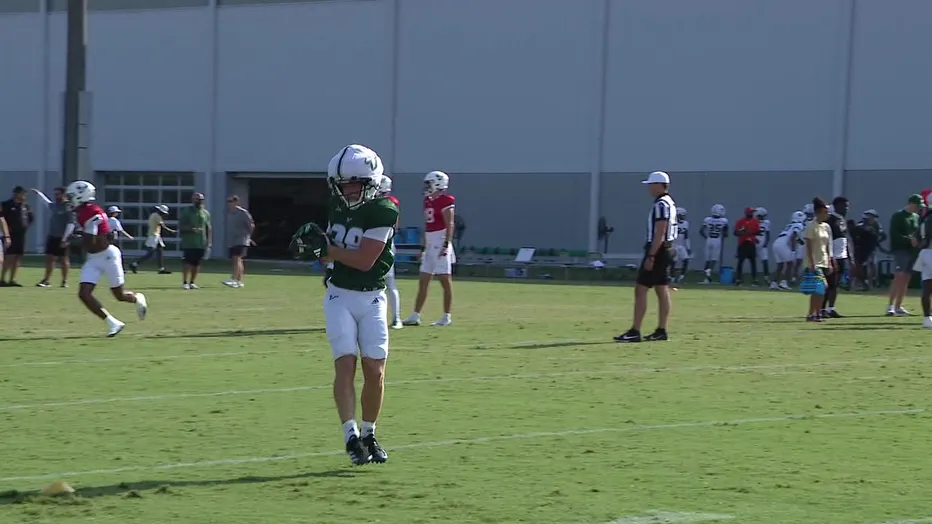
Blueshirt definition
A blueshirt in college football is a player who enrolls without being treated as a recruited student-athlete under NCAA definitions, then is put on scholarship later in a way that pushes his initial-counter counting into a later academic year under the old annual “initial counter” system.
Historically, the idea was simple. If a player arrived without triggering the NCAA’s “recruited student-athlete” classification, a school could award him athletically related aid after he enrolled and have him count as an initial counter in a future academic year instead of the already-full signing-class year.
What “unrecruited” meant
The word “unrecruited” matters here because blueshirting was built on the NCAA’s bylaw definition of a recruited student-athlete. Those triggers are bylaw-defined and have shifted over time, so there is not one timeless checklist, but the intent was consistent: avoid the actions that would classify the prospect as recruited before enrollment.
Commonly cited recruited-student-athlete triggers across eras include:
- An official visit
- Off-campus, in-person contact that is initiated or arranged by the institution
- A written offer of athletically related financial aid (this is specifically referenced in NCAA language in many rule sets)
You will sometimes see people mention the National Letter of Intent (NLI) in these discussions, but the NLI was not the NCAA “recruited vs not recruited” switch by itself. The NLI still exists. It is just that many blueshirt situations involved a player who did not sign one at the time because the scholarship piece was intentionally delayed.
What it affected back then
For years, scholarship management had two big numbers fans heard constantly:
- 85 total scholarships on the roster
- 25 initial counters per year (the old annual limit tied to signing-class counting)
Blueshirting was mostly about the second one. It was a way to manage the old 25-per-year initial counter bottleneck by delaying when a scholarship hit that annual count.
A simple example
Here is the cleanest way to picture how it used to work.
- February: A school signs and counts 25 initial counters in its current recruiting class.
- Summer: A player enrolls as a walk-on and, because the school avoided the key recruited-student-athlete triggers, he is not treated as an initial counter for that class.
- After enrollment: The staff awards him a scholarship that begins in a later term so he becomes an initial counter in the next academic year’s bucket, not the already-full current one.
He still had to fit under the 85 scholarship cap overall. The value of the move was about annual initial-counter timing, not escaping the 85.
Blueshirt vs grayshirt
This is where people get crossed up because the words sound similar and both involve timing.
- Blueshirt: tied to a prospect being not classified as a recruited student-athlete before enrollment, then having his scholarship structured so he counts as an initial counter in a later academic year under the old annual rules.
- Grayshirt: tied to delayed enrollment or delaying full-time status. That can mean arriving later than the normal start, often to manage numbers.
A blueshirt is not defined by being a January enrollee. A player can enroll midyear for plenty of reasons, but that alone does not make him a blueshirt.
Why it matters less now
Modern context changes everything. In FBS football, the old annual 25 initial-counter limit that made blueshirting attractive has been loosened by NCAA rule changes in the early 2020s that replaced the hard 25-per-year cap with more flexible annual initial-counter management. Teams still have to live under the 85 total scholarship limit, and some conferences or schools can layer on their own constraints.
So the classic blueshirt workaround is mostly obsolete today. You may still hear the term out of habit, or because people use it as a catch-all for “scholarship timing,” but its original purpose was to work around an annual counting rule that is no longer the same pressure point in FBS.
What still matters for fans
Even if blueshirting is less relevant, the big picture is still the same. Coaches are always juggling who is on scholarship and how close they are to 85, and the roster pressures have shifted.
- 85 is still real: total counters still matter year-round.
- Other limits still exist: conference rules, admissions, renewals, progress-toward-degree requirements, and the practical roster crunch created by transfer portal churn can matter more than the old “25-man class” math.
- Labels get sloppy: fans often hear “blueshirt” when the situation is really a walk-on earning a scholarship, a delayed enrollment plan, or a midyear enrollee who is simply an early arrival.
Quick FAQ
Is a blueshirt a midyear enrollee?
Not by definition. Midyear enrollment is common, but blueshirting was about recruited-student-athlete status and initial-counter timing, not the month a player showed up on campus.
Did a blueshirt count against the 85 limit?
Yes. The roster still had to fit under 85 scholarships. Blueshirting was historically more about annual initial-counter counting than escaping the overall 85.
Do teams still use blueshirts?
Much less, and often not in the classic sense. With the old annual initial-counter bottleneck eased for FBS, the main reason to blueshirt mostly went away. Scholarship timing moves still happen, but they are usually better explained in plain terms than by leaning on an older label.
The bottom line
A blueshirt was a roster and scholarship counting move built around a player not being classified as a recruited student-athlete before he enrolled, which could allow a school to award a scholarship and have him count as an initial counter in a later academic year under the old annual system. In today’s FBS landscape, that specific incentive is largely gone, even though the term still pops up in recruiting and roster talk.