
I have seen it happen more times than I can count: a recruit hits the portal, the phone starts buzzing, and a coach says something like, “We’d love you here. We can bring you in as a preferred walk-on.” For a lot of families, that phrase lands somewhere between “offer” and “almost scholarship.” It feels like a yes.
But in college sports, the details are the difference between security and scrambling. A preferred walk-on, often shortened to PWO (or sometimes “invited walk-on”), is a real opportunity, and it can turn into a real role. It is also not a scholarship, not guaranteed money, and not automatically the same thing as being “on the roster” in the way most fans mean it.

Here is what a preferred walk-on offer actually is, what it typically includes, what it does not, and what you should get clarified before you enroll and move your life across the country.
Preferred walk-on definition
A preferred walk-on offer is typically a coach-initiated invitation to join a program without athletic scholarship money. In portal recruiting, it usually means the staff wants you in the building and intends to give you a real shot to compete, practice, and potentially dress and play, but you are coming in as a non-scholarship athlete.
The “preferred” part matters. A true preferred walk-on is different from simply showing up during open tryouts. In most cases, a PWO:
- Is coach-initiated, not athlete initiated
- May come with written communication (email, recruiting letter, admissions support note, or a message confirming their intent)
- Often signals you are more than just allowed to attempt to make the team, even if the program still wants to evaluate you when you arrive
Still, the key reality is simple: you are not receiving athletic aid as part of the offer.
What a PWO includes (and what it does not)
What is often included
Each program handles this a little differently, but a legitimate preferred walk-on offer commonly includes:
- An invitation to report for preseason, workouts, and practices (or to come into camp with the staff expecting you)
- Access to team resources once you are officially in the program (strength staff, athletic training, gear, tutoring and academic support, nutrition setup varies by school)
- A defined evaluation pathway, meaning you are coming in with the staff already interested in you, not starting from zero
This is where misunderstandings happen. I have watched a family hear “preferred walk-on” and assume “roster spot,” while the coach meant “come to camp and we’ll see where the numbers land.” Nobody was lying. They were speaking different languages.
What is usually not included
Here is where families get tripped up. A PWO offer typically does not guarantee:
- Any athletic scholarship now or later
- Any school-paid athlete compensation (these models vary by school and are evolving, so treat any compensation discussion as program-specific and subject to change)
- Any NIL deal (NIL is separate, and if you are being “promised” NIL, you should treat it carefully and verify what is real)
- Playing time
- Travel roster inclusion (especially in sports where not everyone travels)
- Multi-year security (coaches can change, rosters can shift, and policies vary)
In plain language: a PWO can be a strong vote of confidence, but it is not guaranteed financial support and it is not the same as a scholarship offer.
What you can get in writing
For most recruits, the first instinct is: “Can I get the offer letter?” That is smart, but you need to understand what documents in college sports can and cannot do.
With scholarship athletes, the gold standard is the school’s financial aid agreement spelling out athletic scholarship terms. In some sports and divisions, the National Letter of Intent (NLI) may still be part of the process, but NLI usage varies and has narrowed over time. You should always confirm what your sport and school actually use right now.
A preferred walk-on generally does not come with binding scholarship paperwork, because there is no athletic scholarship to bind.
What you may see in writing instead:
- An email from the coaching staff confirming you are being brought in as a preferred walk-on
- A roster-intent message phrased like “we are bringing you in as a non-scholarship player” (important: intent is not the same as a contract)
- Admissions support language, such as the staff indicating they will support your application through their internal process (this is not an admission guarantee)
- Walk-on paperwork later, after you arrive, covering compliance, team rules, medical requirements, and participation
The important takeaway: “In writing” for a PWO is often confirmation of intent, not a contract for money or a guaranteed role. That makes your pre-enrollment questions even more important.
PWO vs scholarship vs compensation
Recruits deserve clean definitions because the words get used loosely.
Preferred walk-on (PWO)
- Program invitation that is typically coach-initiated
- No athletic scholarship money
- May include admissions support, but no binding athletic aid agreement
Scholarship offer
- Athletic aid included (full or partial depending on the sport and division rules)
- Documented through a financial aid agreement and, in some sports, an NLI or conference-specific process
- Still not a promise of playing time, but it is real dollars committed
School-paid athlete compensation (where implemented)
- Program-specific compensation structure that depends on conference, school policy, and eligibility requirements
- Separate from NIL in concept, though packages can get blended in conversation
- Should be clearly documented with terms, timing, and conditions
If you are choosing between “PWO” and something that includes scholarship aid or documented compensation, you are not choosing between two versions of the same thing. You are choosing between very different levels of financial certainty.
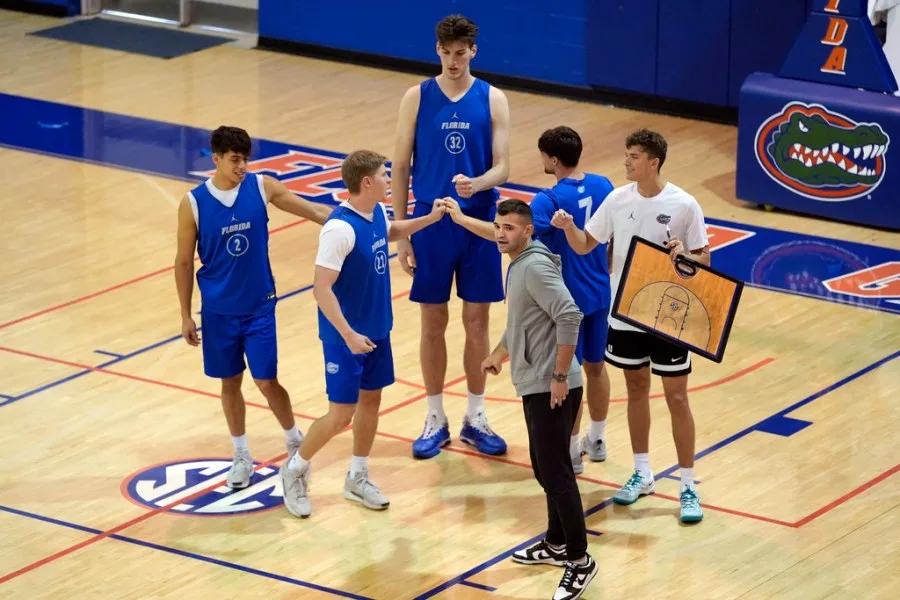
Roster spot vs tryout spot
The biggest clarifier I would push every portal athlete to get answered is this:
“Am I being offered a roster spot, or am I being invited to try out?”
Programs do not always use the same language, and sometimes “preferred walk-on” gets used as a catch-all for several different walk-on paths.
At a high level, you will hear variations of:
- Preferred walk-on: usually recruited by the staff, often brought in with a clearer path than a pure tryout
- Tryout walk-on: shows up at open tryouts or camp and attempts to earn a spot without being recruited
- Recruited walk-on: a term some schools use interchangeably with PWO
Signs it is closer to a roster spot
- The staff tells you directly that you will be on the roster when you arrive, pending standard admissions and eligibility checks
- You are assigned a position coach contact cadence, onboarding steps, strength plan, and arrival timeline like the rest of the incoming group
- The staff discusses how you fit the depth chart and your developmental plan
Signs it is closer to a tryout
- The staff emphasizes “come compete” but will not confirm roster status
- You are told you must “earn your spot” without any clarity on numbers
- The team already has a crowded room and they cannot explain how many walk-ons they are taking
Competing is normal. Earning reps is the deal. But you should not enroll based on vibes. Get the status clarified.
What to confirm before you enroll
If you only take one thing from this page, take this: you need specifics before you sign a lease, buy a plane ticket, or turn down another option.
Questions to ask the staff
- Roster status: “Am I coming in as a preferred walk-on with an assured roster spot, or am I trying out?”
- Numbers: “How many athletes are you bringing in at my position, including portal adds, freshmen, and walk-ons?”
- Timeline: “When is the expectation that I am officially added to the team roster?”
- Travel and dress expectations: “What is typical for walk-ons in this program regarding travel and dressing for games?”
- Scholarship pathway: “If scholarships open later, what is the process and timeline for adding athletic aid?”
- Non-athletic aid: “Are there academic or need-based grants I can apply for, and who is my point of contact in financial aid?”
- Housing and summer school: “If I need summer classes to transition, is there any support, and what costs should I expect?”
- Medical care: “What medical coverage applies to walk-ons for athletically related injuries, and what are my out-of-pocket responsibilities?”
- Eligibility and compliance: “Has compliance reviewed my portal situation and credits, and what remains before I am fully cleared?”
Two extra notes I tell families all the time:
- Roster limits and scholarship limits are not the same thing. A team can be out of scholarships and still add walk-ons, and roster caps vary by sport, division, and policy changes.
- File financial aid paperwork early. Even if you think you will not qualify, submit FAFSA (and the CSS Profile if the school requires it) so you are not late to the line if you end up needing academic or need-based help.
None of these questions are rude. They are professional. Coaches respect recruits who treat this like the life decision it is.
Can a PWO get a scholarship later?
Yes, it can happen. I have watched walk-ons earn scholarships through grit, development, and sometimes just being the next man up when injuries hit. But you should treat that possibility as a potential outcome, not part of the original deal.
Whether aid can be added later depends on:
- Scholarship availability in that sport and on that roster
- Team strategy (some staffs reserve aid for portal cycles or specific positions)
- Rules and timing for when aid can be awarded
- Your performance and role once you are in the program
The right way to phrase it in your head is: “I am accepting a no-aid offer with a chance to earn more later.” If you cannot afford the school without athletic money, that is not negativity. That is math.
Why programs use PWOs
From the outside, it can feel like coaches are being stingy. Usually it is more structural than personal.
Programs use preferred walk-on offers because:
- Scholarship budgets and limits are tight, especially in equivalency sports where money is spread across many players
- Roster management is complicated with transfers coming and going
- They want depth and competition without committing aid
- They like the player, but they are not ready to commit dollars until they see fit, health, and immediate impact
A PWO is often a coach saying: “We believe in you enough to save you a seat. We just cannot pay for that seat today.”
Red flags
Not every PWO situation is shady, but the portal world moves fast, and fast can get messy. A few warning signs:
- They will not put anything in writing, even a basic email confirming your status and next steps
- They dodge direct questions about roster numbers and your role
- They promise money later as if it is guaranteed (“we’ll take care of you next semester”) without explaining how it would be documented
- They pressure you to enroll immediately without time to review financial aid or academics
- They cannot connect you with compliance or financial aid contacts
If something feels like it is built on handshakes and hope, slow it down. A real opportunity holds up under simple, direct questions.
FAQs
Is a preferred walk-on the same as a walk-on?
Preferred walk-on usually means the coaches are actively recruiting you to join without scholarship money. A regular walk-on can also mean a player who tries out without being recruited. Schools use terms differently, so confirm whether you are being added to the roster or being invited to compete for a spot.
Does a PWO count as an offer?
In everyday language, yes, it is an offer to join the program. In the strict sense, it is not an athletic scholarship offer. Treat it like a roster opportunity, not a financial package.
Can a preferred walk-on get NIL?
Possibly. NIL opportunities can exist for any athlete depending on marketability and school environment. A PWO offer does not automatically include NIL, and no one should treat NIL as guaranteed unless you have clear, legitimate terms from the appropriate parties.
Do walk-ons get medical coverage?
It depends. Medical coverage for walk-ons varies widely by school and by how the athlete is classified internally. Some programs provide strong secondary coverage once you are participating, others have tighter limits or different start dates. Ask for specifics and get the policy explained before you enroll.
Should I accept a PWO in the portal?
It depends on your goals and your finances. If the school fits academically, you can afford it, and the staff is clear about your roster status and development path, a PWO can be a great bet. If you need athletic money to make enrollment possible, prioritize offers with real, documented aid.
Bottom line
A preferred walk-on offer is a coach telling you, “We want you in our program,” while also telling you, “We are not paying athletic scholarship money for it right now.” That can still be meaningful. Some of the best stories in sports start with a player who had to earn everything twice.
Just make sure you know exactly what you are accepting. Confirm roster status, confirm costs, confirm the pathway, and get the essentials in writing. Bet on yourself, sure. But bet with your eyes open.