
In recruiting, timing is everything. One week a coach can sit down with you and your family in the living room, watch you go through a workout, and talk fit face-to-face. Another week, those exact same actions are off the table.
That swing is why the NCAA contact period matters. It is one of the most important green lights in the recruiting calendar because it is the window when relationship-building can happen in person.
What is an NCAA contact period?
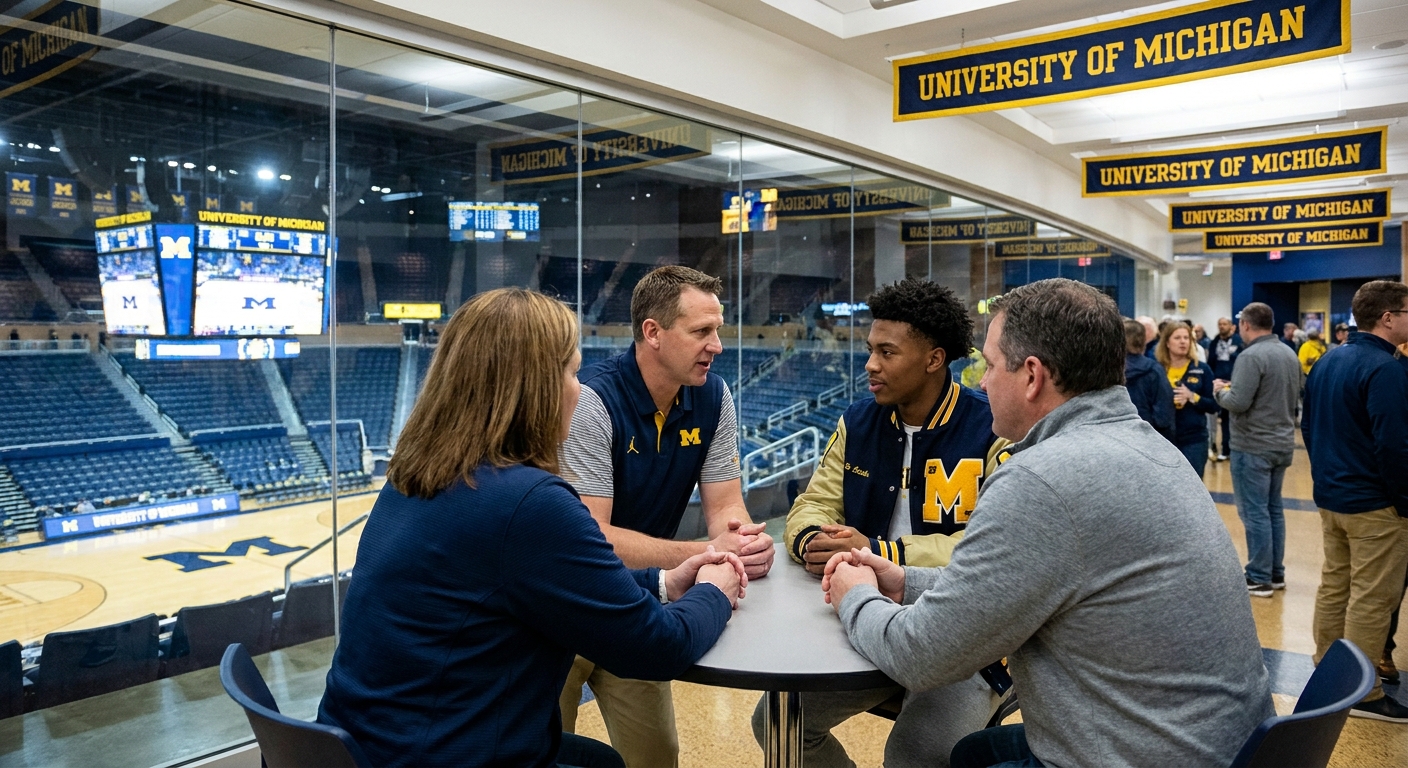
An NCAA contact period is a designated stretch of the recruiting calendar when in-person, face-to-face recruiting contact may be permitted between college coaches and prospective student-athletes.
Big qualifier that matters: the rules are sport-specific, and they can also depend on division and your year in school. A contact period does not override other NCAA limits on recruiting conversations, evaluations, or visits.
When allowed by your sport and division, coaches may be able to meet with prospects:
- On campus (for example, during an unofficial or official visit, if your situation allows it)
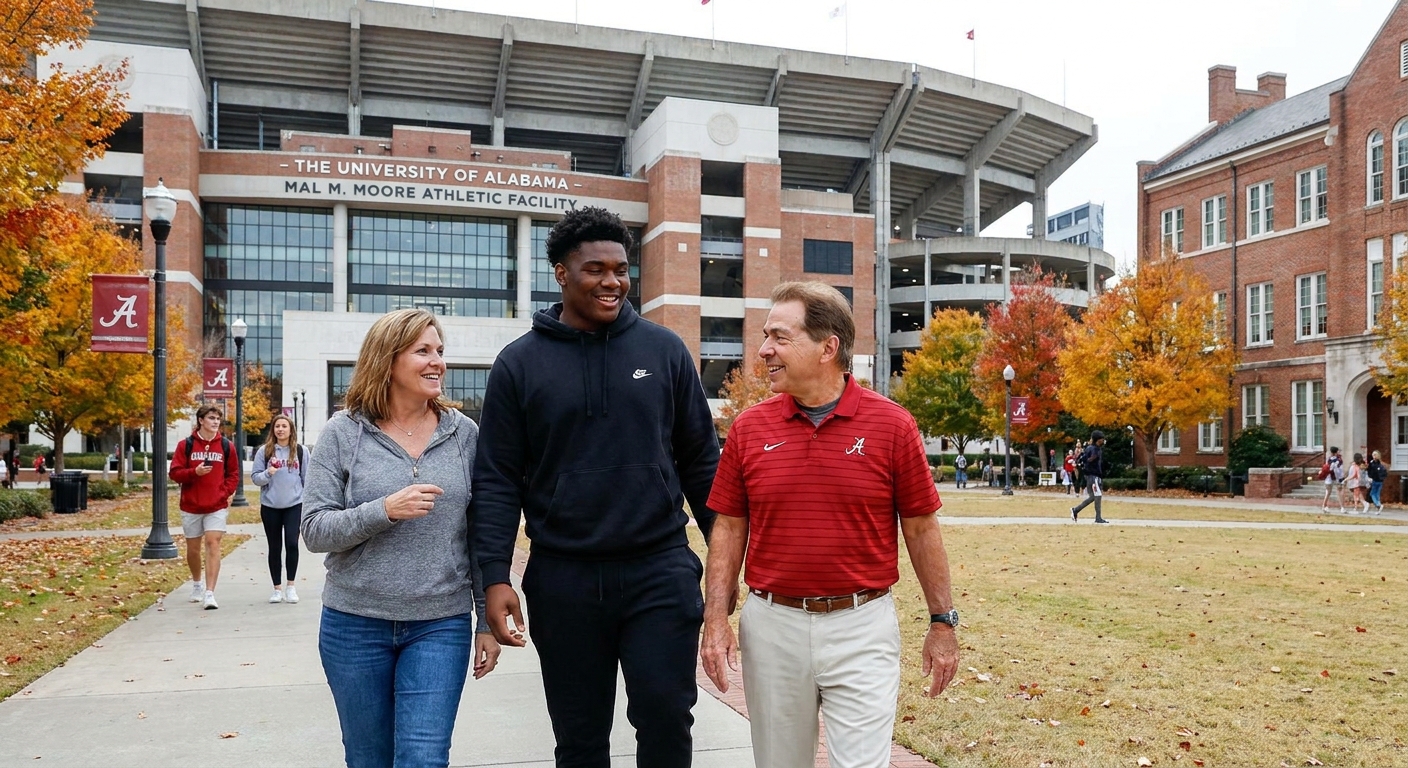
- Off campus (for example, at a school or another permissible location, consistent with NCAA rules and institutional policy)
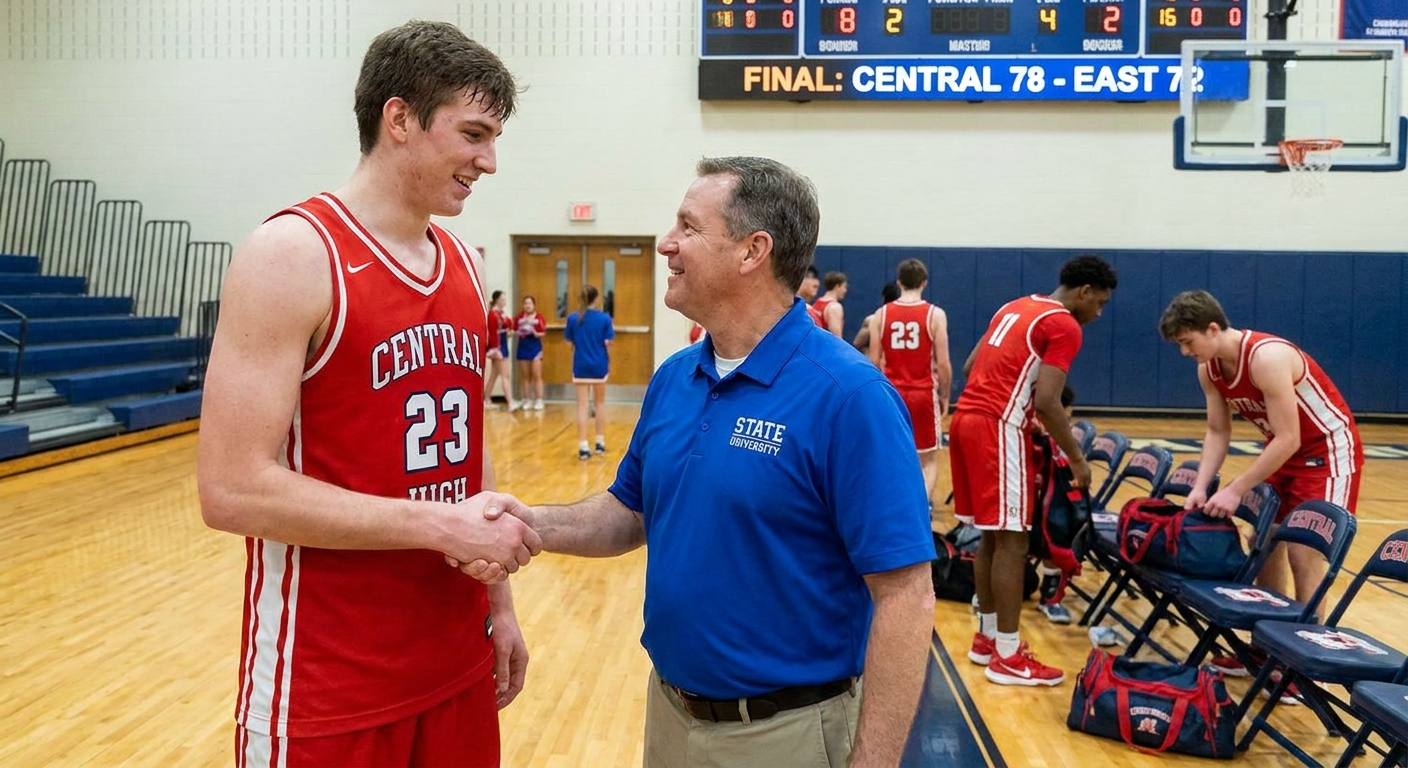
- At certain competitions or events where you are participating, if the calendar and event rules allow in-person contact at that site and time
In plain English: a contact period is when in-person recruiting conversations can be on the table, but the exact “where and when” depends on your sport’s rules.
What coaches can do during a contact period
The contact period is one of the most flexible windows for in-person recruiting. The details vary by sport, but the big idea stays consistent: when it is allowed, coaches can evaluate and build relationships face-to-face.
In-person meetings (on or off campus)
Coaches can sit down and talk with you in person when the rules permit it. That includes the classic recruiting moments athletes remember forever, like the coach looking you in the eye and explaining where you fit, what your role could be, and what development might look like.
Watching you compete and evaluating
A contact period often overlaps with times when coaches are out on the road evaluating talent. If you have ever looked into the stands and suddenly noticed a cluster of school logos, you know how quickly a recruiting picture can change when a coach sees you live.
Just remember: the ability to watch you play and the ability to talk with you at an event are not always the same thing. Some sports, events, and time windows allow evaluation but restrict in-person contact at the site.
On-campus recruiting activities
On campus, a contact period can support the full visit experience: meeting the staff, touring facilities, sitting in on a position meeting, and getting a feel for the daily rhythm of that program. Whether you can take an official visit, and when, still depends on your sport and eligibility rules.
Where it fits in the calendar
The NCAA recruiting calendar is built in blocks throughout the year, and contact periods are scheduled in specific ranges depending on the sport and division. There is not one universal contact period that applies to every NCAA sport at the same time.
Here is how it typically shows up in real life:
- Contact periods are common during parts of the academic year when coaches can travel, host visits, and do in-person recruiting.
- They often align with key recruiting moments, like when prospects are taking visits, when high school seasons are active, or when club circuits and showcases are happening.
- The exact dates shift year to year and sport to sport, so the authoritative source is always your sport’s NCAA recruiting calendar for that year.
If you are trying to plan visits or figure out why a coach suddenly wants to meet in person, check whether your sport has moved into a contact period. It explains a lot.
And if you want to be extra sure, ask your high school coach and confirm with the college program’s compliance office. That is what they are there for.
Contact vs evaluation, quiet, dead
These get mixed up all the time, so here is the quick translation:
- Contact period: in-person recruiting contact may be allowed (plus evaluation), depending on your sport, division, and year in school.
- Evaluation period: coaches can typically watch you compete, but in-person recruiting conversations are restricted.
- Quiet period: coaches can usually have in-person contact on campus, but off-campus contact is limited.
- Dead period: in-person recruiting contact is generally not allowed, on or off campus. (Other types of communication may still be allowed, depending on the sport.)
Always check your sport’s calendar because the exact definitions and permissions can get specific fast.
Why it matters for prospects
As a former college hooper, I can tell you this: so much gets lost over text messages, quick calls, and highlight clips. In-person time changes everything.
- You get real answers. It is easier to ask direct questions about role, development, academics, and expectations when you are sitting across from someone.
- Coaches can read you better. Body language, maturity, how you carry yourself, how you communicate with family. Those details matter in recruiting.
- You can evaluate them, too. Facilities are one thing, but culture is people. This is when you can feel the vibe of a staff and a campus.
How to use a contact period
1) Be ready for impressions
During contact periods, coaches may be able to stop by your school or show up at your games and events, depending on your sport and year. Treat every interaction like it could turn into the one that sticks.
2) Have a short intro
You do not need a speech. You need a clean introduction: name, position, grad year, and what you are looking for. Then let the conversation breathe.
3) Know your non-negotiables
Playing time dreams are normal. But your priorities might be fit, a major, distance from home, development track record, or style of play. Contact periods are when you should ask the questions that actually protect your future.
4) Do not assume every door is open
A contact period does not automatically mean you can take an official visit, meet anywhere you want, or talk at any event site. When you are unsure, ask what is permitted right now and get clarity before you make plans.
Quick FAQ
Is a contact period the same for every NCAA sport?
No. Contact periods are defined on each sport’s recruiting calendar, and the timing can be different across sports and divisions.
Does “contact” only mean on-campus visits?
No. The point of a contact period is that coaches may be permitted to have in-person contact on or off campus, consistent with the rules for that sport, division, and your year in school.
If a coach wants to meet in person, does that mean it is a contact period?
Not automatically. The recruiting calendar, your sport, the event site rules, and your grade level all matter. If you are unsure, ask the coach what they are permitted to do and confirm it with your high school coach or a college compliance office.