
If you have ever glanced at a college recruiting calendar and felt like you needed a translator, you are not alone. One of the most common terms you will see is the evaluation period. It sounds simple, but the details matter, especially for families trying to plan travel, tournaments, unofficial visits, and those quick hallway conversations that can feel huge.
Here is the clean definition, plus what it looks like in real life.
Definition: NCAA evaluation period
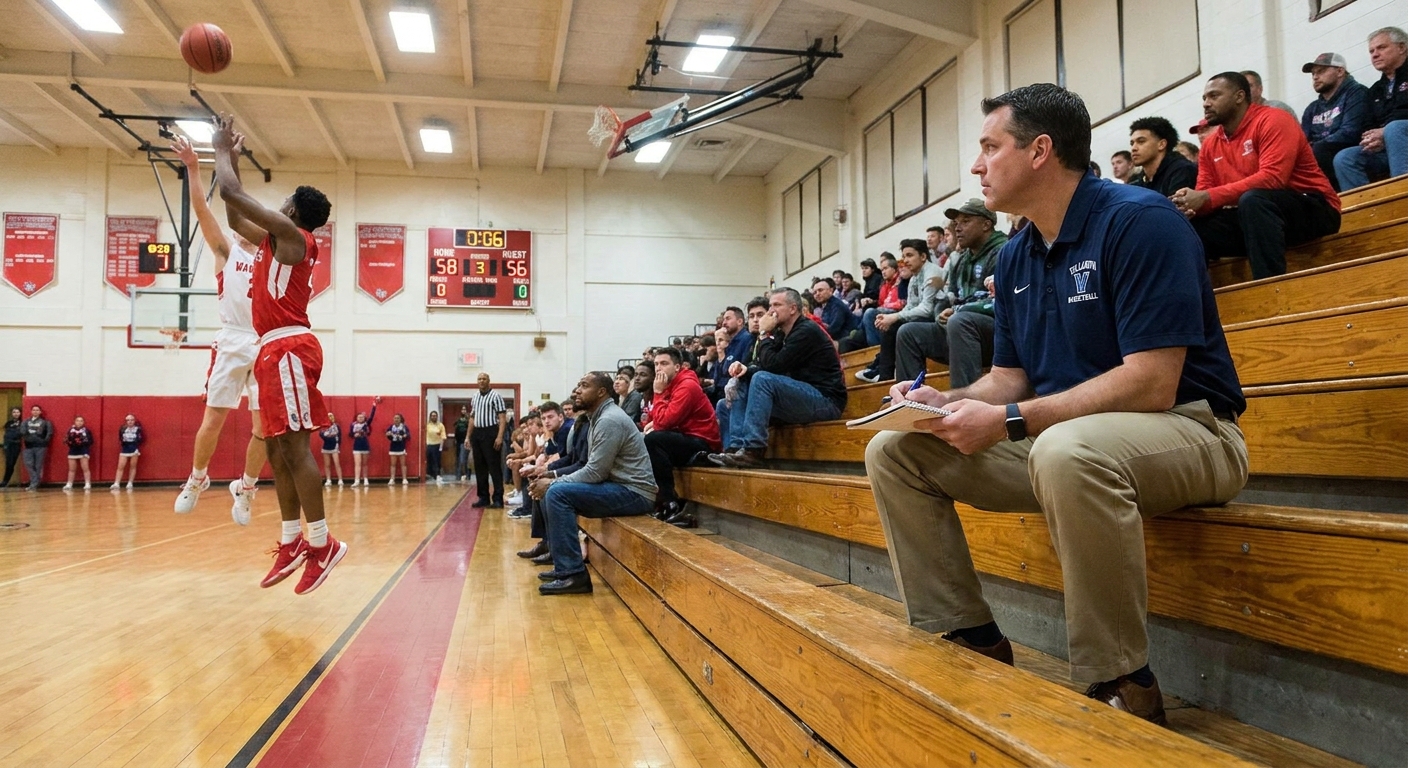
An NCAA evaluation period is a set window on an NCAA recruiting calendar when college coaches are allowed to watch prospective student-athletes compete and assess them in person, such as at games, tournaments, or NCAA-approved showcases and events.
Important: the exact rules can vary by sport, division, and the specific calendar for that sport. If you are planning around one of these windows, always cross-check your sport’s NCAA recruiting calendar and guidance.
The basic idea that separates an evaluation period from other windows is this:
- Coaches can evaluate a prospect in person in permitted settings.
- Any in-person recruiting contact must follow that sport’s specific rules for location and timing, and it is often more limited than during contact periods.
In other words, evaluation periods are built primarily for watching and assessing, with any face-to-face interaction governed by the sport’s specific contact rules.
What “evaluation” means
From a coach’s perspective, evaluation is not just checking a box that a player can score. It is scouting the full picture:
- Game translation: How does your skill hold up when the game speeds up and scouting reports exist?
- Decision-making: Shot selection, passing reads, risk management, and how you respond after a mistake.
- Physical tools: Size, speed, strength, change of direction, and endurance across multiple games.
- Role acceptance: Do you compete when you are not the primary option?
- Body language and leadership: Huddles, bench energy, communication, and coachability.
Evaluation periods are when coaches try to answer the question, “Can this athlete help us win here, in our system, against our schedule?”
What prospects should expect
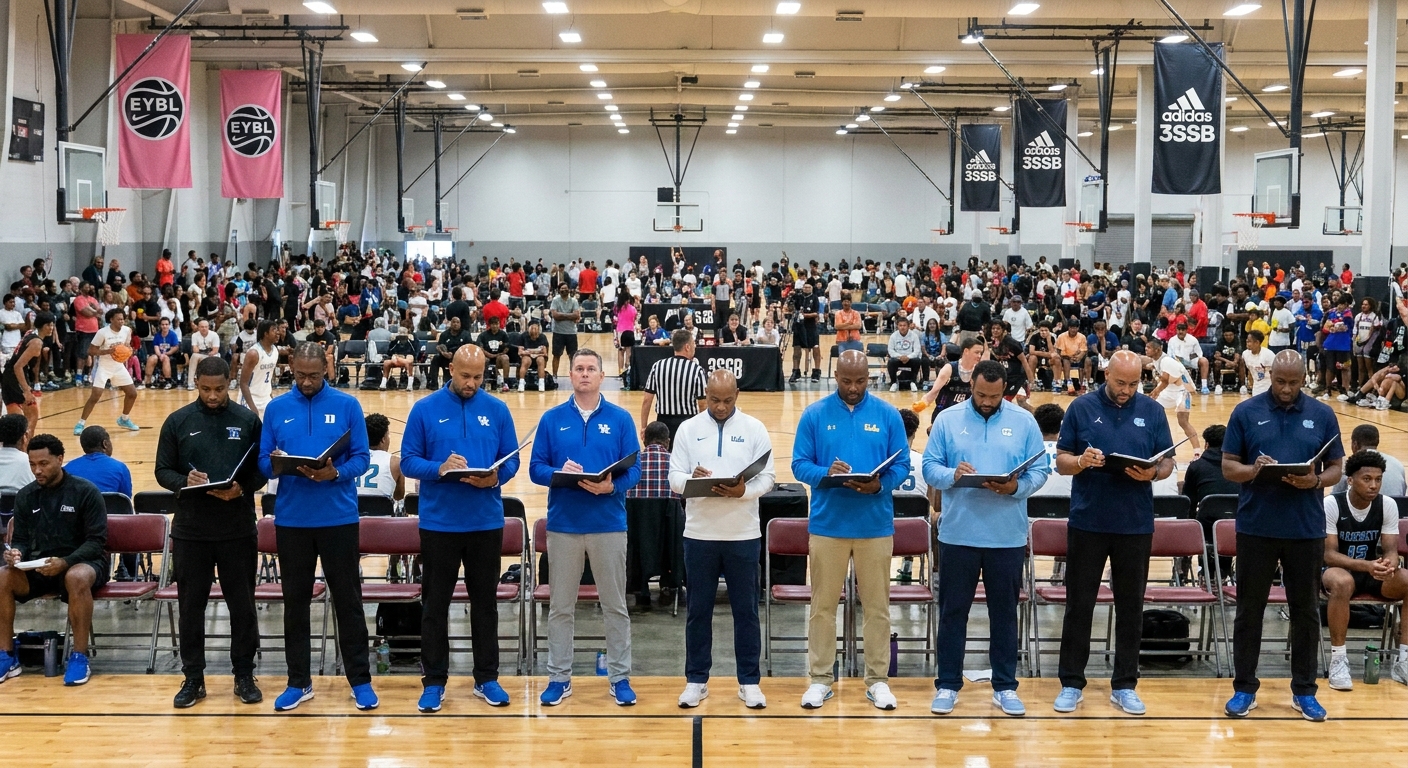
Evaluation periods can feel hectic because the focus is on competition settings. For many sports, this is when showcases and major travel events stack up and coaching staffs split up to cover multiple sites.
For the athlete, this typically means:
- You may see more coaches in the building than usual.
- There is a premium on consistency, not just highlights.
- Coaches are watching things you might not realize, like how you sprint back on defense, handle foul trouble, or react when a teammate is struggling.
One practical mindset I used as a player, and now preach to the kids I coach: act like every possession is being graded. Because during an evaluation period, it kind of is.
Where evaluations happen
Evaluation periods often line up with the parts of the year when prospects are most visible in structured competition. Depending on sport and level, that can include:
- High school games (when permissible)
- Club tournaments and circuits
- Certified showcases and combines
- Other NCAA-permitted evaluation events
A quick clarification that saves families headaches: “evaluation” does not always mean a coach can show up anywhere. In many sports, coaches are limited to approved competitions or certified events, and watching something like a random practice may not be allowed unless it fits within that sport’s rules.
If you are trying to decide which events matter most, think about where your target level of coach is most likely to be. The reality is that coaches prioritize events that are efficient, meaning they can evaluate a lot of legitimate prospects in one place.

Evaluation vs other periods
Recruiting calendars get confusing because the terms sound similar. These definitions are general, so always confirm your sport’s NCAA calendar and bylaws.
- Evaluation period: coaches can watch you compete in person (in permitted settings). Any in-person contact must follow that sport’s specific rules and is often more limited than in a contact period.
- Contact period: coaches are typically allowed more in-person recruiting contact, both on and off campus, within that sport’s rules.
- Quiet period: in-person recruiting contact is generally limited to campus. Off-campus contact is restricted, and evaluation rules vary by sport and calendar.
- Dead period: in-person recruiting contact is not allowed, and on-campus visits are prohibited in most cases, though sport-specific rules can apply. Communication shifts to permitted calls, messages, and other allowed methods.
When you see “evaluation period” on a calendar, think: eyes on you, notes taken.
How to connect
If you are planning travel and hoping to “meet coaches,” treat an evaluation period as a performance window, then do your connecting work on the front end and back end.
- Send your schedule early: email coaches your game times, jersey number, team name, and locations. Make it easy to find you.
- Share film that matches the level: a tight highlight plus a full game is better than a 7-minute mixtape of only makes.
- Be realistic about post-game interactions: even if a coach is there, they may not be able to have a long conversation in that setting, or they may choose not to until they have compared notes as a staff.
- Follow up after: a short thank-you and a quick update (grades, upcoming events, new film) keeps you on the radar without forcing an awkward in-person moment.
FAQ
Does an evaluation period mean coaches can come to my games?
Generally, yes, in NCAA-permitted settings. The safest rule is to confirm the calendar and event rules for your specific sport and division.
If a coach watches me during an evaluation period, does that mean I will get offered?
Not automatically. Being evaluated can mean anything from first-look scouting to a final confirmation on a player the staff already likes. Offers depend on fit, need, admissions, scholarships, and where you sit on a staff’s board.
What should I focus on most during an evaluation period?
Competing with consistency. Coaches love highlights, but they trust habits: effort plays, defensive discipline, communication, and smart decisions when the game gets messy.
Can evaluation periods affect transfer recruiting too?
They can, but it is highly sport-specific. Transfer evaluations often lean heavily on film and whatever live scouting is permissible under that sport’s rules, calendar, and contact restrictions.
The bottom line
An NCAA evaluation period is a recruiting window designed for in-person evaluation of prospects in competition in permitted settings. Rules and contact limits vary by sport and division, but the mindset is the same. Treat it like your live audition: play hard, play smart, and make your habits impossible to ignore.