
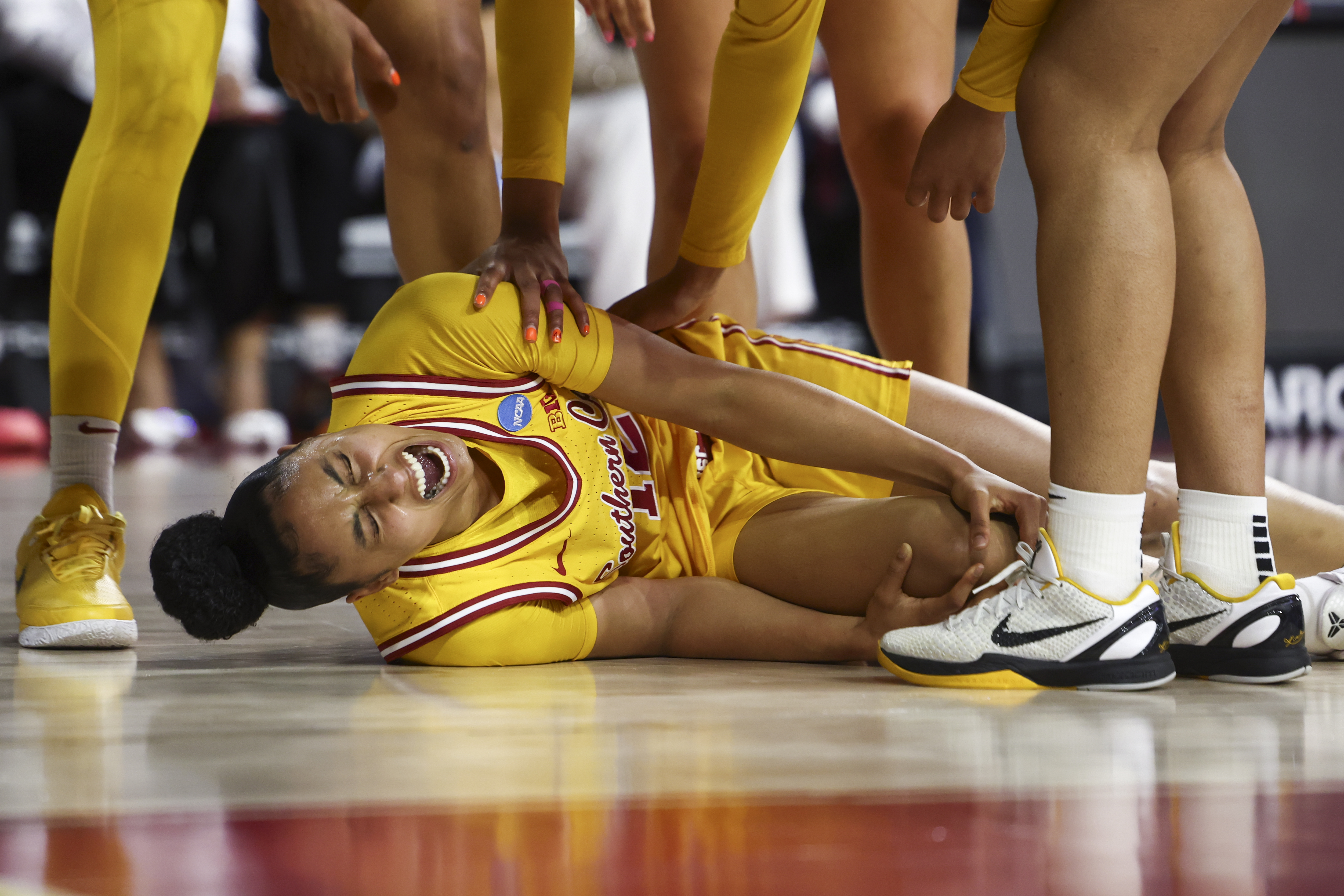
I have seen it happen in real time: a kid finally earns rotation minutes, the season feels like it is about to open up, and then one awkward landing changes everything. In college sports, time is the one resource you never get back. That is exactly why the NCAA medical hardship waiver exists. It is a path, in certain situations, to get a season of competition restored after an injury or illness wipes out the year.
Fans often call it a “medical redshirt,” but the important thing to know is this: it is not something you choose before the season. It is relief you apply for after the fact, and it has some very specific guardrails.
What it is
An NCAA medical hardship waiver is an eligibility waiver that can allow a student-athlete to recover a season of competition after a season-ending injury or illness.
In plain language: if you competed a little bit, then an injury or illness ended your season early enough, the NCAA (or the governing body for your division) may let that season not “count” against your four seasons of competition.
This waiver is typically filed and managed by the school’s compliance office, not the athlete personally, although the athlete and medical staff are central to providing records and context.
Why people say “medical redshirt”
You will hear “medical redshirt” constantly because the result looks similar to a redshirt year: you do not lose a season of competition. But the mechanism is different.
- Voluntary redshirt: essentially not competing in games. You can still practice, train, travel, and be part of the program, but once you appear in competition, you may be using a season. Sport-by-sport rules and definitions matter, so do not assume you can “spot play” without consequences.
- Medical hardship waiver: not planned. You did compete, then a documented injury or illness ended the season early enough that the governing body may restore the season.
The two big eligibility gates
The medical hardship standard is built around two main ideas: you must have played in only a limited portion of the season, and the season-ending issue must happen early enough.
Important context: the well-known “30 percent and before the midpoint” framework is the classic Division I concept people cite most often. Division II, Division III, and some sport-specific season structures can apply the idea differently, especially when segments, exempt events, or postseason contests complicate what counts.
1) Participation limit (how much you played)
In many sports, the common benchmark is that the athlete competed in no more than 30 percent of the team’s scheduled contests (rounded up to the next whole number).
Two important notes:
- The calculation is based on the team’s schedule, not the athlete’s personal game count ceiling.
- “Competition” usually means actually appearing in a contest, not just traveling or being available.
Example: if your team has 30 scheduled contests, 30 percent is 9. If you appeared in 9 or fewer, you may be within the participation benchmark, assuming the timing and medical documentation line up.
2) Timing limit (when the injury or illness hit)
The injury or illness must occur (or be diagnosed) early enough that it clearly ended participation for the remainder of that season. A widely cited standard is that the season-ending event must happen before the halfway point of the scheduled contests, meaning prior to completion of the first half of the playing season.
That timing piece is why you will sometimes see a player get hurt late and still be done for the year, but there is no realistic medical hardship path. The waiver is not meant to be a backdoor “do-over” for a mostly completed season.
Reality check: how the “season” is defined can get tricky in certain sports and formats. Your compliance office is the authority on how your contests, segments, and dates are counted for your specific case.
What counts as season-ending
The governing body is looking for a condition that incapacitates the athlete for the remainder of the season. That can include:
- Acute injuries (ACL tears, fractures, dislocations)
- Serious illnesses (for example, conditions that require prolonged treatment or recovery)
- Complications that legitimately prevent return to play that season
It is not just about being “banged up.” The medical record needs to support that the athlete could not safely return that year, and it helps if the athlete was formally ruled out for the remainder of the season.
What schools submit
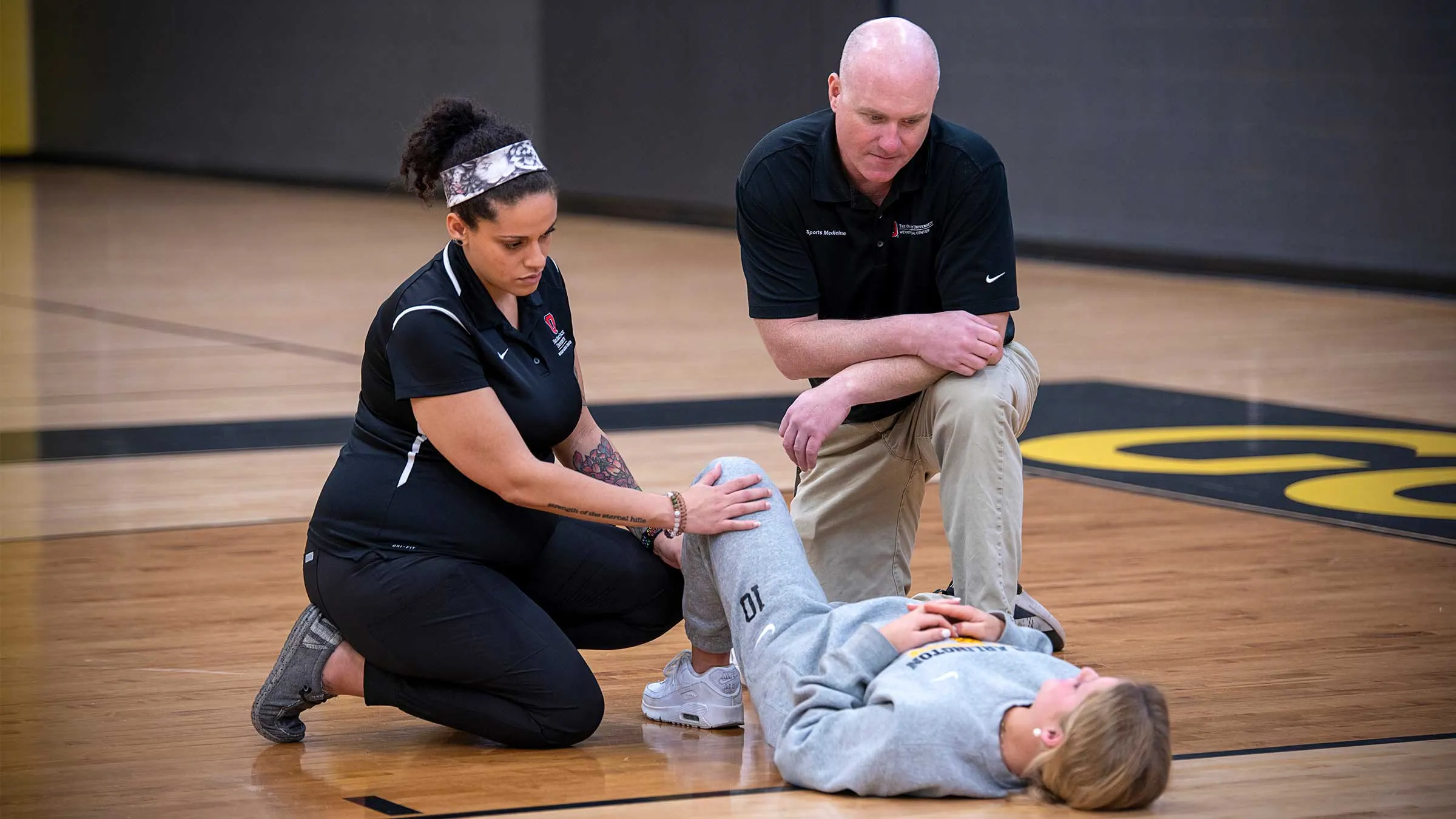
This is where the process gets less dramatic and more paperwork-heavy. The school’s compliance staff typically assembles a waiver packet that can include:
- Medical documentation from the team physician or treating physician, including diagnosis, dates, and why the injury or illness was season-ending
- Participation log showing which contests the athlete competed in, and how many total contests were on the schedule
- Timeline of the injury or onset of illness, including when the athlete was withheld from competition for the rest of the season
- Statements from athletic training staff or physicians as needed for clarity
The goal is to show the two key things: limited participation and a season-ending condition that hit early enough in the playing season.
Who decides and when
In most cases, your school submits the waiver through compliance after the season or once it is clear you will not return that year. Approval is handled through the appropriate governing channel, which can depend on division and sport (sometimes conference-level processes are involved, and sometimes it goes through NCAA governance).
Translation: do not wait until the offseason to start gathering records, but also do not expect an instant decision the week you get hurt. The timeline is often measured in weeks, not days.
How it differs from other relief
In the eligibility world, “waiver” can mean a lot of different things. Here is the clean separation:
- Medical hardship waiver: restores a season of competition after an early, season-ending injury or illness.
- Voluntary redshirt: a developmental year where the athlete does not compete in games. Once you compete, you may be charged with a season, depending on the sport and circumstances.
- Other NCAA waivers: different categories exist for different circumstances. They are not interchangeable with medical hardship standards.
Time limits still matter
One common misunderstanding is thinking a restored season automatically creates more time. A medical hardship waiver can give you back a season of competition, but it does not automatically pause every other eligibility rule.
For example, in Division I many athletes are also working under a five-year clock. Getting a season back does not necessarily extend that clock. Different divisions and situations have different time-limit concepts, so this is another spot where compliance can give the real answer for your file.
Common questions
Does practice count against a medical hardship waiver?
Typically, the waiver is focused on competition in countable contests. Practicing, lifting, and team activities are not usually what triggers the percentage threshold. Practice can matter indirectly, though, because it can affect the medical timeline and whether it is clear the condition truly ended your season.
What if I played one snap or one shift?
Even minimal participation can still count as an appearance in a contest. The good news is that the hardship standard is built for situations where an athlete played sparingly early on, then got hurt.
Can you get a medical hardship waiver more than once?
These cases are evaluated individually. Whether multiple hardships are possible can depend on your broader eligibility situation, division rules, and where you are in your overall seasons-of-competition and time-limit framework. Take this straight to compliance.
Is it guaranteed if I meet the percentages?
No. Meeting common benchmarks helps, but approvals are based on the complete record and how the governing body interprets the facts for that sport and division.
What to do if you think you qualify
If you are an athlete or parent reading this with that sinking feeling in your stomach, here is the practical path forward:
- Tell your athletic trainer and position coach you want to understand your eligibility options.
- Ask to connect with compliance early, not months later. Timing and documentation matter.
- Make sure your medical care is documented through the appropriate channels. Outside specialists are fine, but the school will need records.
- Track your participation in contests. Know exactly how many appearances you had before you were shut down.
The most important piece is this: you should not have to guess. A good compliance office will walk you through the school’s process and what is realistic.
The human side
As a former college hooper, I will tell you the part nobody puts in the rulebook: losing a year can mess with your identity. Your routine. Your place in the locker room. Even your relationships back home when people keep asking, “So when are you back?”
The medical hardship waiver does not fix the injury, and it does not erase the rehab grind. But when it applies, it can protect something that matters just as much as a stat line: the chance to compete for the seasons you earned.
Quick FAQ
- What is an NCAA medical hardship waiver? A waiver that can restore a season of competition when an athlete suffers a season-ending injury or illness after limited early-season participation.
- What are the usual limits? The classic framework people cite is about 30 percent of scheduled contests (rounded up) and the season-ending injury or illness occurring before completion of the first half of the playing season. Division and sport details can change how this is applied.
- Who files it? The school, usually through the compliance office, with medical documentation from athletic trainers and physicians.
- Is it the same as a redshirt? Not exactly. A voluntary redshirt is non-participation in games; a medical hardship waiver is requested after an early season-ending injury or illness.
- Does it extend eligibility time limits? It can restore a season of competition, but it does not automatically extend time limits like the Division I five-year clock.